




 Get Started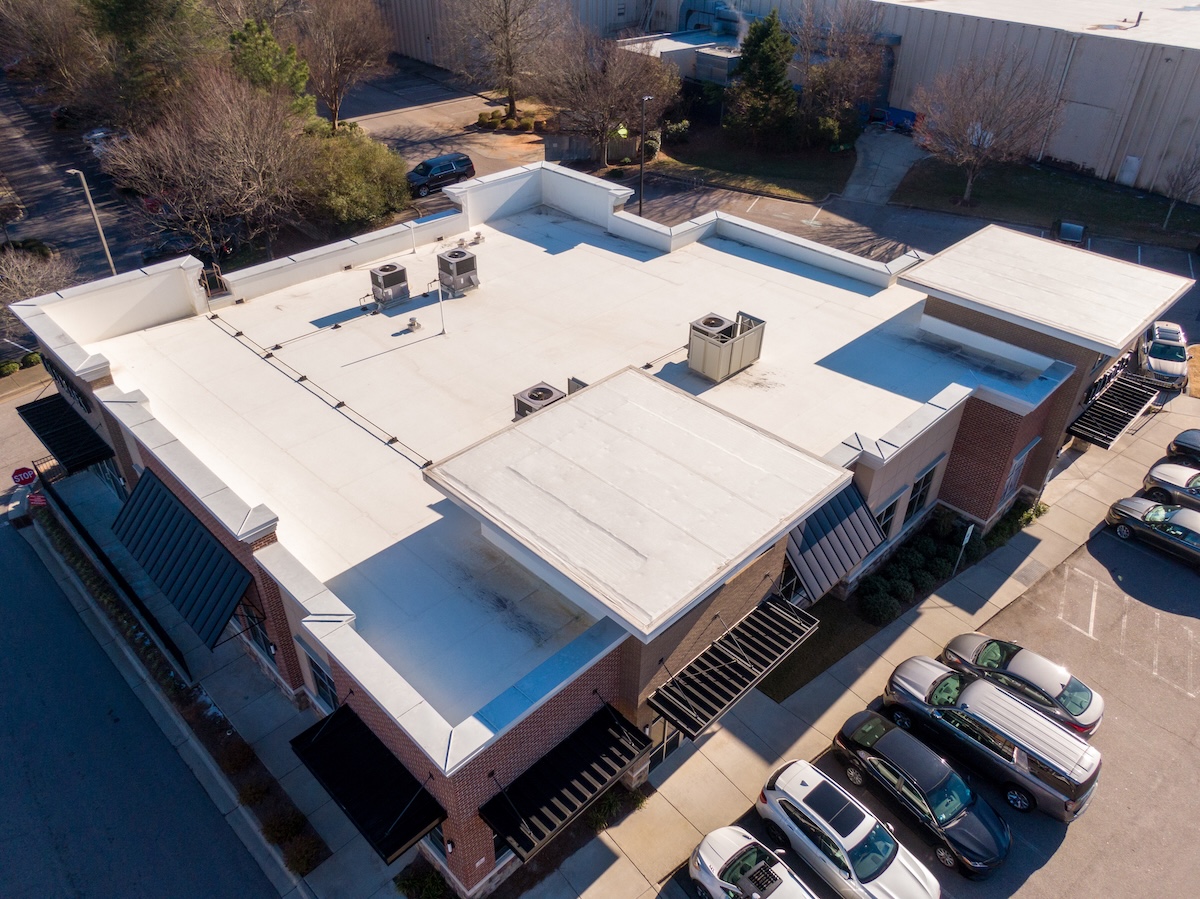
Flat TPO Roofing (Benefits, Cost & Installation Guide)
10.28.2025
6 Min Read
When it comes to durable and energy-efficient roofing solutions, tpo roofing stands out as a preferred choice for many commercial property owners. Understanding the advantages, cost considerations, and installation process of flat TPO roofing can help you make an informed decision that protects your building for years to come. If you are exploring options for your commercial property, learning more about this innovative roofing type is essential. For a closer look at roofing options tailored to commercial needs, check out this comprehensive overview of commercial roofing solutions.
- Discover the key benefits of flat TPO roofing and why it’s a popular option.
- Break down the typical costs involved in installing and maintaining TPO roofing systems.
- Understand the step-by-step installation process for flat TPO roofs.
- Explore factors that influence the longevity and performance of TPO roofing.
- Learn how flat TPO roofing compares with other commercial roofing materials available in the market.
Why Flat TPO Roofing is an Important Choice for Commercial Buildings
Flat TPO roofing has grown in popularity among commercial property owners due to its many practical benefits. This roofing type caters especially well to flat or low-slope roofs, which are common in commercial architecture. Choosing the right roofing material impacts not only the structural integrity of your building but also energy efficiency and maintenance costs over time.
- Energy Efficiency: TPO roofing reflects UV rays, significantly reducing cooling costs in hot climates.
- Durability: Designed to resist tears, punctures, and chemical exposure, TPO roofs can withstand harsh weather conditions.
- Cost-Effectiveness: Compared to other single-ply membranes, TPO offers excellent value with relatively lower installation and repair costs.
- Environmental Friendliness: TPO materials are recyclable and often manufactured without harmful additives.
- Ease of Installation: Lightweight sheets speed up the installation process, minimizing labor expenses and downtime.
5 Step Guide to Flat TPO Roofing Installation
Installing a flat TPO roof involves precise methods to ensure a watertight, well-sealed membrane that maximizes performance. Below are the major steps typically involved in installation to help you understand what to expect.
1. Roof Surface Preparation
The first step involves thoroughly cleaning and inspecting the existing roof substrate to ensure it is structurally sound and free of debris. Any damaged areas must be repaired to provide a smooth base for the membrane.
- Remove loose materials, dirt, and dust.
- Address any moisture or structural issues.
- Ensure the substrate is dry before proceeding.
2. Insulation Installation
Insulation layers improve the thermal performance of the roofing system. This step involves laying rigid foam boards or other insulation products over the prepared deck based on project specifications.
- Secure insulation mechanically or with adhesives depending on roof deck type.
- Ensure insulation joints are staggered to avoid thermal bridging.
- Level and smooth the surface for membrane application.
3. TPO Membrane Placement & Attachment
The flat TPO membrane is rolled out and positioned, typically spanning the entire roof area. Attachment methods vary and may include mechanical fasteners or adhesives depending on design requirements.
- Unroll membranes carefully without wrinkles or folds.
- Fasten or adhere sheets to the insulation securely.
- Ensure precise alignment to avoid seams strain.
4. Seaming and Heat Welding
Joining TPO sheets requires special heat-welding tools to melt and fuse the overlapping edges into a continuous, watertight surface. This process is critical for preventing leaks and enhancing roof performance.
- Use appropriate temperature controls to avoid overheating membrane.
- Inspect seams visually and perform adhesion tests.
- Apply pressures consistently for uniform welding.
5. Final Inspection and Detailing
After installation, the roof is examined for any imperfections or areas that require additional sealing or patching. Flashings, curbs, drains, and other penetrations receive precise detailing to maintain waterproofing integrity.
- Conduct water tests to confirm system performance.
- Ensure warranty compliance with manufacturer’s instructions.
- Clean the site and dispose of leftover materials responsibly.
Factors Influencing Flat TPO Roofing Longevity & Performance
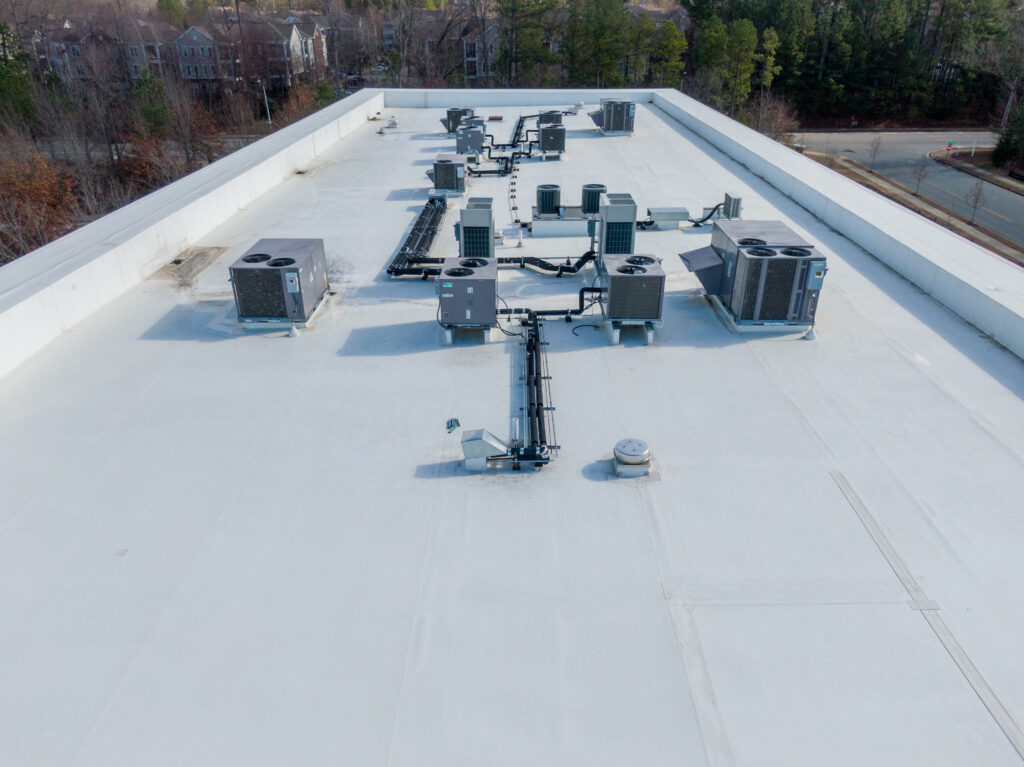
Performance and lifespan of TPO roofs depend on various environmental and maintenance factors. Knowing these variables helps property owners optimize the return on investment and prolong the functional life of their roofing system.
- Installation Quality: Proper installation by experienced technicians is key for durability.
- Climate Conditions: High UV exposure, temperature fluctuations, and moisture levels affect TPO aging.
- Maintenance Routine: Scheduled inspections and prompt repairs address minor issues before they escalate.
- Material Thickness: Thicker membranes generally offer enhanced resistance to wear and damage.
- Use of Coatings: Reflective or protective coatings can extend roof life and improve energy performance.
Comparing Flat TPO Roofing With Other Commercial Roofing Options
Understanding how flat TPO roofing stacks up against alternative roofing materials helps you select the best fit for your building’s needs, budget, and desired lifespan.
TPO vs. EPDM Roofing
| Feature | TPO Roofing | EPDM Roofing |
| Material Composition | Thermoplastic polyolefin blend | Synthetic rubber membrane |
| UV Reflectivity | High reflectivity improves energy efficiency | Generally black, lower reflectivity |
| Seam Sealing | Heat-welded for strong seams | Seams glued or taped |
| Installation Ease | Lighter sheets ease installation | Flexible, but heavier to handle |
| Cost | Moderately priced | Typically less expensive |
TPO vs. PVC Roofing
| Feature | TPO Roofing | PVC Roofing |
| Chemical Resistance | Good resistance but less than PVC | Excellent chemical resistance |
| Cost | More cost-effective | Generally higher-priced |
| Flexibility | Moderate flexibility | Highly flexible membrane |
| Environmental Impact | More environmentally friendly options available | Contains plasticizers with potential environmental concerns |
FAQ’S
1. What is the lifespan of a TPO roof?
A properly installed TPO roof typically lasts 20 to 30 years. Its actual lifespan depends on factors like:
- Quality of the membrane (thickness: 45, 60, or 80 mil)
- Proper installation and seam welding
- Climate conditions and UV exposure
With regular inspections and maintenance, some high-quality TPO systems can even exceed 30 years.
2. What maintenance does a TPO roof need?
- Biannual inspections (spring and fall) to check seams, flashing, and membrane integrity
- Cleaning debris, dirt, and standing water to prevent premature aging
- Checking for punctures or tears and repairing immediately
- Inspecting rooftop equipment (HVAC units, vents) to ensure no mechanical damage
- Re-sealing seams and edges if wear is detected
3. What colors are available?
- White (most popular — maximizes reflectivity and energy efficiency)
- Light gray
- Tan
Some manufacturers also offer custom colors like blue, green, or red for design consistency, though these may reduce reflectivity and cost more.
4. What are the disadvantages of a TPO roof?
- ⚠️ Heat-related wear: Prolonged exposure to high heat can cause seams or surfaces to weaken over time.
- 💧 Vulnerability to punctures: Thinner membranes can be damaged by foot traffic or falling debris.
- 🧱 Limited long-term track record: Compared to EPDM or PVC, TPO is relatively newer (since the 1990s), so data on 40+ year performance is limited.
- 💲 Installation quality matters: Poor seam welding or inadequate preparation can lead to leaks.
Why Choose Flat TPO Roofing for Your Commercial Property?
Choosing the right roofing system can significantly impact your building’s protection, energy efficiency, and operating costs. Flat TPO roofing offers a compelling balance of durability, environmental benefits, and cost-efficiency that makes it an excellent choice for commercial properties, especially those with flat or low-slope roofs. From professional installation to maintenance, each step matters for maximizing your roof’s lifespan.
For more information about reliable roofing options tailored to commercial properties, contact us today to discuss how flat TPO roofing can meet your specific needs.