




 Get Started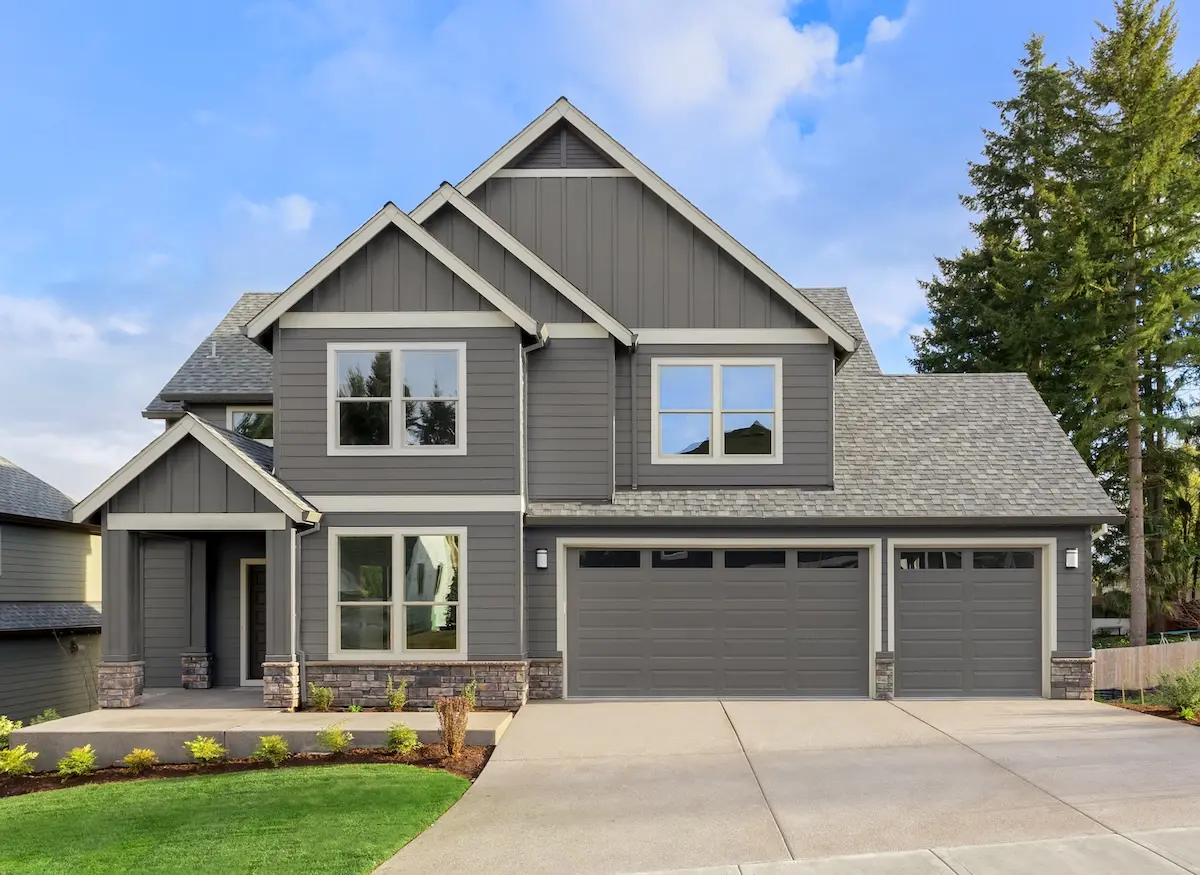
9 Common Roof Types for Your Home (Build, Materials, & More)
01.06.2026
7 Min Read
Choosing the right roof for your home is more than just picking a color or shingle style. It involves understanding the structural layout, materials available, and how your choice will perform over time. Whether you’re replacing an aging roof or building from scratch, knowing the most common roof types can help you make a confident decision. Homeowners in Garner and surrounding areas benefit from roof styles that work well in both warm summers and wet seasons, so local climate matters, too.
Here’s what you’ll learn in this guide:
- The 9 most common roof types and how they function
- Pros and cons of each design in terms of style, strength, and drainage
- Material considerations based on slope and architecture
- How to decide which roof type is right for your home
Why Your Roof Shape Matters More Than You Think
While materials get most of the attention, your roof’s shape has just as much impact on how well it protects your home. From drainage and insulation to structural durability and style, the design plays a major role.
- Weather Resistance: Certain shapes shed rain and snow better, reducing the risk of pooling, leaks, and weight damage.
- Ventilation and Insulation: Some roof styles allow more space for attic airflow or extra insulation, improving energy efficiency.
- Aesthetic Impact: The shape of your roof is one of the most defining elements of your home’s visual appeal.
- Material Compatibility: Not all materials suit every roof type. Some need steep slopes, while others can be installed flat.
- Maintenance Access: Simpler designs often require less upkeep and are easier to inspect or repair.
9 Roof Types to Know Before You Build or Replace
Not every roof is built the same—and the design you choose can affect long-term performance. Here are the most common roof types and what sets each apart.
1. Gable Roof
The classic triangular shape, gable roofs are the most popular design in American homes.
- Pros: Excellent water and snow runoff, simple to build, good attic ventilation
- Cons: Can be vulnerable to high winds without proper bracing
Best for traditional homes and versatile with most roofing materials. Gables offer easy maintenance and cost-effective installation.
2. Hip Roof
All four sides of the roof slope down to the walls, forming a pyramid or ridge line.
- Pros: Better stability in windy regions, excellent drainage, strong structural integrity
- Cons: More complex and expensive to build
Ideal for hurricane-prone areas or homes in regions with seasonal storms like Garner and surrounding areas. Hip roofs also tend to hold up better over time when properly vented.
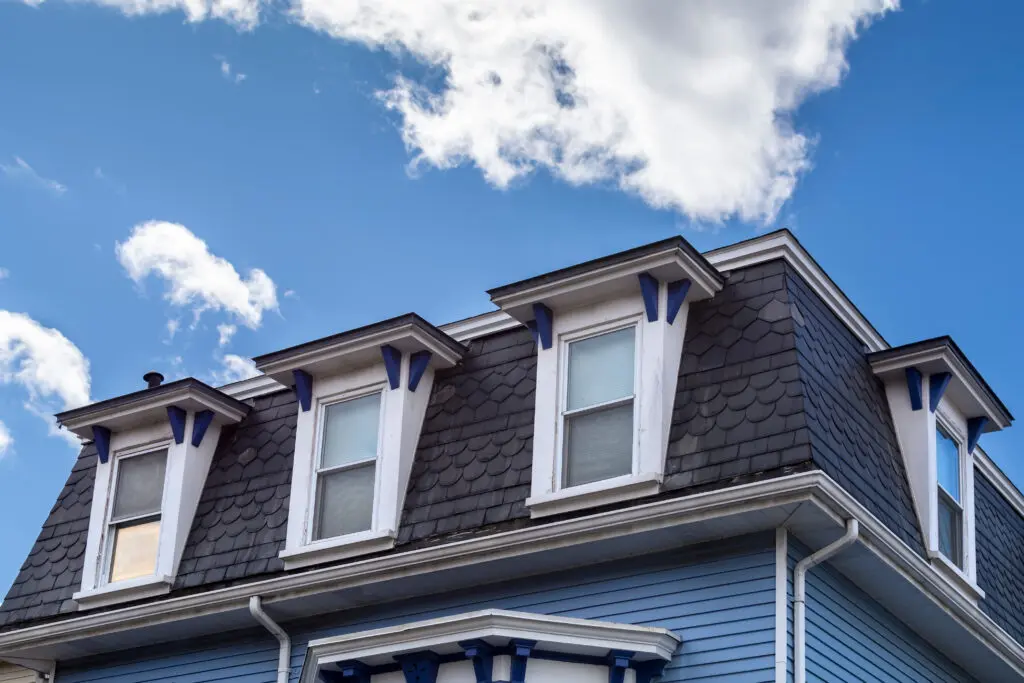
3. Mansard Roof
French-inspired design with two slopes on each side—the lower slope is steeper than the upper one.
- Pros: Adds usable attic or living space, allows easy additions
- Cons: Expensive and requires detailed waterproofing
Mansard roofs are common in historical districts or luxury custom builds where maximizing square footage and style are both priorities.
4. Gambrel Roof
Similar to a mansard but only on two sides. Commonly seen in barns and Dutch Colonial homes.
- Pros: Maximizes attic space, easy to frame
- Cons: Not ideal for heavy snow loads unless reinforced
Great for homeowners who want storage or loft space above the main floor. Gambrel roofs offer visual character and are often paired with dormers.
5. Flat Roof
A nearly level surface with just enough slope to allow water drainage.
- Pros: Easy to build and inspect, allows rooftop decks or solar panels
- Cons: Requires specialized waterproofing, prone to ponding if not maintained
Flat roofs are more common in modern designs or commercial buildings, but they’re gaining popularity in residential homes in urban areas. They’re a strong choice for solar or green roof installations.
6. Skillion Roof (Shed Roof)
A single-sloped roof typically attached to a taller wall.
- Pros: Simple and modern look, great drainage, lower material costs
- Cons: Limited attic space, may not suit every neighborhood style
Perfect for additions, sunrooms, or minimalist architectural designs. Skillion roofs are often used in combination with other roof types for unique visual appeal.
7. Butterfly Roof
Two roof sections that angle downward and meet in the center, resembling an open book.
- Pros: Unique appearance, allows large windows and natural light, water collection potential
- Cons: Prone to drainage problems without perfect installation
Used in contemporary homes with an emphasis on bold design. These roofs may require custom flashing and waterproofing plans to stay leak-free over time.
8. Dormer Roof
Not a full roof type on its own, but dormers are extensions that add height, light, and space to existing roofs.
- Pros: Enhances visual appeal, creates more interior space
- Cons: Adds complexity and potential leak points if poorly flashed
Common in Cape Cod and Colonial homes, especially in upper-story bedrooms. Dormers must be carefully installed to ensure water-tight seams.
9. Combination Roof
Many homes use two or more roof types to achieve a specific look or accommodate different sections of the house.
- Pros: Customizable, adds architectural interest, improves functionality
- Cons: More joints = more potential leak points, higher construction costs
Often seen in custom homes that require both performance and aesthetic variety. Combination roofs are great for multi-level homes or properties with varying room heights.
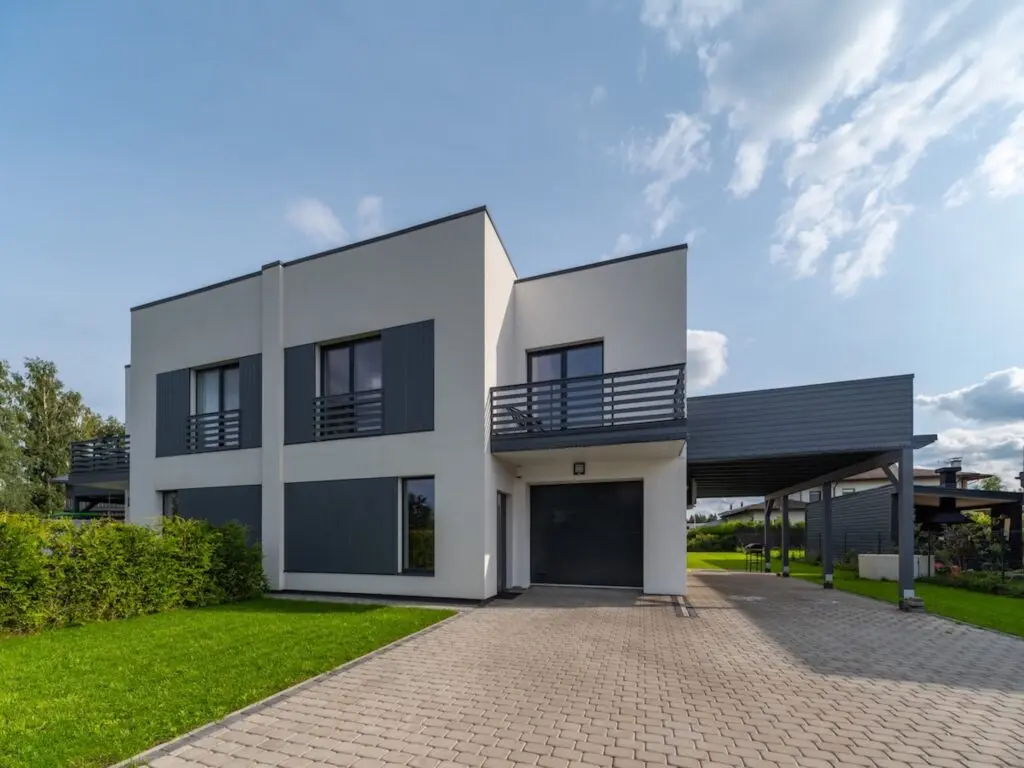
How Roof Type Affects Material Choice
Not every material works on every roof shape. Slope, drainage needs, and installation complexity all play a role. Here’s how different materials pair with the most common roof types.
| Material | Best for Roof Types | Considerations |
| Asphalt Shingles | Gable, Hip, Dormer, Gambrel | Affordable, versatile, moderate lifespan |
| Metal Roofing | Gable, Hip, Skillion, Butterfly | Durable, energy-efficient, modern look |
| Clay/Concrete Tiles | Hip, Mansard, Combination | Heavy, long-lasting, Mediterranean style |
| Slate | Gable, Mansard, Combination | Expensive but timeless and durable |
| EPDM/TPO (Flat Roofs) | Flat, Butterfly | Seamless waterproofing, commercial-grade |
| Wood Shakes/Shingles | Gable, Gambrel, Combination | Aesthetic appeal, more maintenance needed |
Always consult with a roofing expert before choosing materials—especially when working with steep slopes or complex structures. Some materials require special installation techniques or structural reinforcement.
Things to Consider When Choosing a Roof Type
While design is important, function should be your top priority. Here are other important considerations before making a final decision.
Your Local Climate
Homes in Garner and surrounding areas face seasonal rain, humidity, and wind—so roofs need good drainage and solid fastening systems.
- Hip and gable roofs are well-suited for varied conditions
- Flat roofs must have reliable waterproofing membranes
- Steep slopes help shed rain and reduce moss buildup
Your Budget
Some roof types cost more to build or maintain. Materials like tile and slate are beautiful but come at a higher price, while asphalt and metal are often more budget-friendly.
- Gable and skillion roofs tend to be more cost-effective
- Combination roofs or mansards are more expensive to construct
- Complex shapes may raise labor costs due to extra flashing or framing
Energy Efficiency Goals
Roofs play a huge role in how your home heats and cools. The shape can impact ventilation and attic space, which influence insulation performance.
- Steep roofs allow for thicker insulation and better ventilation
- Metal and light-colored shingles can reflect sunlight and reduce cooling costs
- Low-slope roofs should be paired with reflective membranes to reduce heat gain
Long-Term Maintenance
Simple shapes like gables are easier to inspect, repair, and re-roof. Roofs with multiple slopes or valleys may require more upkeep.
- More angles = more flashing = more places for leaks
- Choose low-maintenance materials if your roof is hard to access
- Ensure regular inspections on combination or dormer roofs
Future Renovations
If you’re planning to add a second story, garage, or sunroom later, consider a roof type that allows for easy expansion.
- Mansard and gambrel roofs offer flexibility for future add-ons
- Gable roofs are easier to modify than hip or butterfly roofs

Ready to Choose the Right Roof Type for Your Home?
Selecting the right roof shape is one of the most important decisions you’ll make as a homeowner. It impacts everything from energy use and maintenance to how your home looks from the street. If you’re in Garner and surrounding areas and want expert guidance on which design best suits your home, budget, and climate, contact us today to schedule a consultation with Barkley-Jensen Roofing.