




 Get Started
Main Impacts of Raleigh Weather on Your Roofing System
01.22.2026
7 Min Read
Homeowners rarely think about the effects of raleigh weather until a roof leak or storm damage forces them to. In Raleigh and surrounding areas, seasonal changes can create serious wear and tear on your roofing system. Many residents begin understanding their roof’s weak spots by reviewing how local professionals approach inspections, replacements, and upgrades like those explained on this local resource.
• Which local weather conditions cause the most roof damage
• How roofing systems respond to seasonal stress
• Warning signs homeowners should look for
• What to do if your roof is affected by Raleigh’s climate
Why Raleigh Weather Should Matter to Every Homeowner
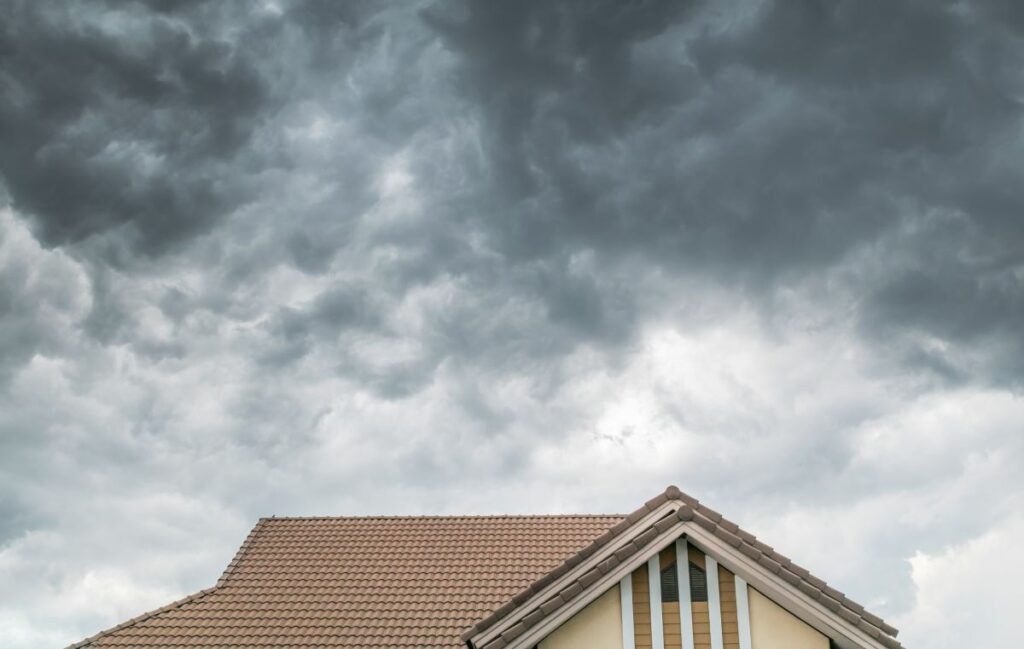
North Carolina’s Triangle region experiences a wide range of weather throughout the year—each with its own impact on your roof. From humid summers and cold winters to windstorms and hurricanes, Raleigh weather is anything but predictable. If you’re not maintaining your roof with these shifts in mind, small issues can snowball into expensive repairs.
Knowing how weather influences roof performance is the first step in extending its lifespan. It also helps you prepare before seasonal extremes hit your home.
Here’s why understanding your local climate matters:
- Year-round exposure: Heat, rain, wind, and cold all take turns testing your roof
- Localized challenges: What affects a roof in Charlotte or Asheville might not apply in Raleigh and surrounding areas
- Maintenance planning: Anticipating seasonal wear helps reduce emergency costs
- Insurance claims: Recognizing storm-related damage ensures you act within the proper timeframe
6 Key Weather Impacts on Roofing Systems in Raleigh
Each season in Raleigh and surrounding areas brings its own challenges. Below are the main environmental factors that put pressure on residential roofs and what that means for homeowners.
1. Summer Heat and UV Rays
Raleigh summers are hot, humid, and long. Extended exposure to sunlight and high temperatures causes roofing materials—especially asphalt shingles—to break down over time.
Common effects include:
- Fading or discoloration
- Cracking or curling of shingles
- Drying of underlayment and flashing
- Shortened lifespan of roof sealants
UV rays weaken the integrity of even the best roofing systems. Without regular inspection, damage caused by sun exposure may go unnoticed until a leak appears.
2. Thunderstorms and Wind Damage
Heavy thunderstorms are common from spring through early fall. Winds over 45 mph can lift shingles, dislodge flashing, and send debris flying into the roof structure.
Wind-related risks:
- Lifted or missing shingles
- Detached gutters or downspouts
- Broken ridge vents or pipe boots
- Water intrusion near exposed fasteners
Storms can strip away protective layers, leaving your roof vulnerable to the next round of rainfall. This type of damage often requires urgent repair.
3. Heavy Rain and Drainage Issues
Raleigh averages more than 45 inches of rain annually, and roofs that don’t drain properly can develop mold, rot, and long-term moisture issues.
Red flags after sustained rain:
- Pooling water near valleys or chimneys
- Saturated or clogged gutters
- Water spots on ceilings or in the attic
- Musty smells near insulation or drywall
Proper slope, flashing, and clean gutters are your best defenses. If any part of your drainage system fails, water will find a way into your home.
4. Winter Freeze-Thaw Cycles
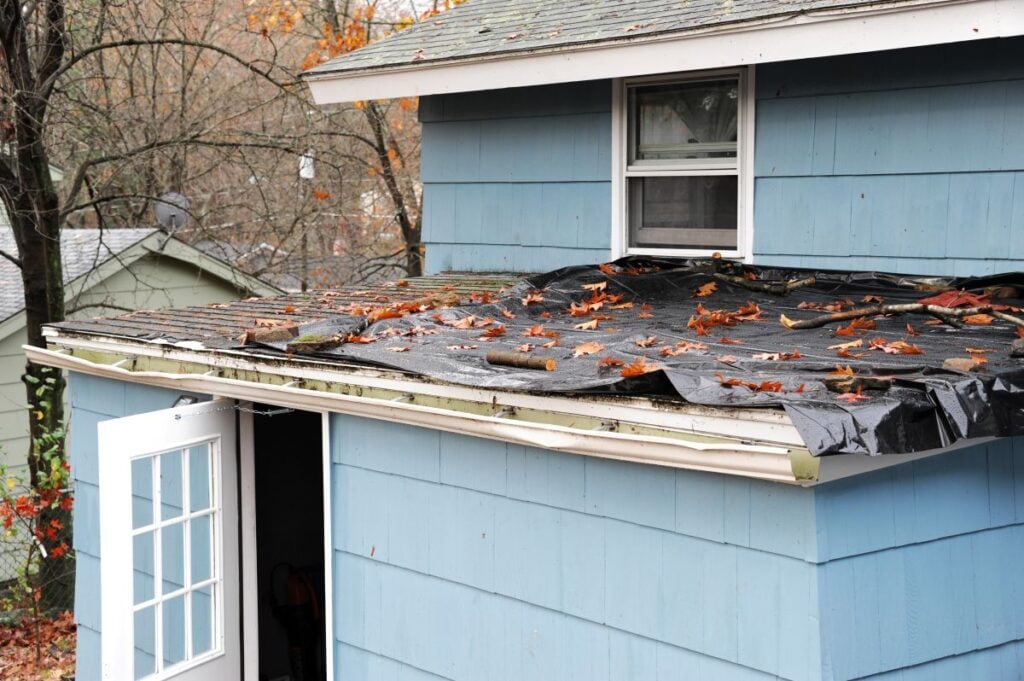
Winters in Raleigh are relatively mild, but temperatures do dip below freezing multiple times a year. The freeze-thaw cycle can cause minor cracks in shingles or flashing to expand, leading to more significant openings.
Winter weather leads to:
- Ice damming along eaves
- Loose or separated flashing
- Cracked caulk or sealant joints
- Minor roof leaks during mid-winter thaws
Preventative winter inspections are key. Small problems tend to worsen quickly in cold weather.
5. Pollen and Tree Debris in Spring
Each spring, Raleigh and surrounding areas are coated in yellow pollen. Add in heavy tree cover, and many roofs become littered with organic debris.
Impacts of spring buildup:
- Algae or moss growth
- Water retention under leaf piles
- Blocked roof ventilation
- Gutter clogging and overflow
Spring is the best time for a roof tune-up. Removing debris and checking attic ventilation prevents year-round issues.
6. Hurricane Season Risks
While Raleigh doesn’t sit on the coast, the area still experiences hurricanes and tropical storms during late summer and fall. Even a weakened hurricane can deliver enough wind and rain to damage a well-built roof.
Hurricane impacts may include:
- Wind-driven rain under shingles
- Debris impact (branches, roofing from other homes)
- Missing ridge caps or hip shingles
- Widespread leaks along flashing lines
After a major storm, a quick inspection by a local professional can prevent minor damage from growing worse.
How Raleigh’s Weather Impacts Roofing Materials
Not all roofing materials perform the same under local weather conditions. Here’s how the most common types used in Raleigh hold up:
Asphalt Shingles
Asphalt shingles are the most popular roofing material in Raleigh due to affordability and versatility. However, they can wear down faster in high-UV, high-humidity conditions.
- Lifespan: 15–25 years (varies with quality)
- Vulnerabilities: Curling, cracking, and loss of granules
- Best practices: Regular inspections, ventilation, and algae-resistant options
Metal Roofing
Metal roofs are increasingly popular because they reflect UV rays and resist wind damage well. However, poor installation or cheap coatings can lead to expansion issues or corrosion.
- Lifespan: 40–70 years
- Strengths: Great for rain and wind resistance
- Weaknesses: Susceptible to denting from debris
Synthetic Shingles or Slate Alternatives
Some high-end homes in Raleigh use synthetic materials that mimic natural slate or wood. These products hold up well to local weather but can be pricey.
- Lifespan: 30–50 years
- Advantages: Durable, low maintenance
- Challenges: Cost and limited local contractor experience
Warning Signs That Weather Has Affected Your Roof
Recognizing weather-related roof damage early allows for more affordable solutions. If you live in Raleigh and surrounding areas, keep an eye out for these signs:
- Missing or loose shingles: Often the result of recent storms
- Sagging roofline: May indicate water infiltration and deck damage
- Granules in the gutters: A sign of sun-damaged shingles
- Stains on ceilings or attic rafters: Proof of slow leaks
- Black streaks or moss: Caused by organic buildup and moisture
Don’t wait for a visible leak before calling a professional. By then, the damage may have already spread beyond the roof itself.
Seasonal Roof Maintenance Tips for Raleigh Homes
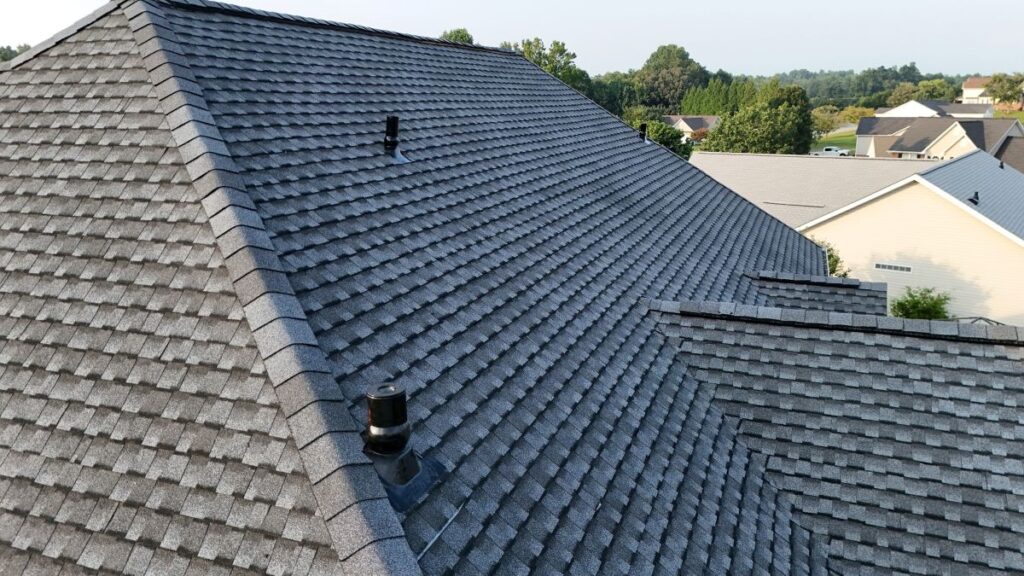
Being proactive throughout the year helps extend your roof’s life and prevents surprise repairs. Below are maintenance strategies based on Raleigh’s unique climate.
Spring:
- Clear off pollen, leaves, and branches
- Check for algae or moss growth
- Inspect gutter systems for blockages
Summer:
- Look for heat blisters or curling shingles
- Ensure attic ventilation is adequate
- Schedule a mid-year inspection before storm season
Fall:
- Remove fallen leaves to avoid buildup
- Inspect flashing and chimney caps
- Secure loose gutters before hurricane winds arrive
Winter:
- Check attic insulation and airflow
- Watch for icicles or signs of ice damming
- Seal small cracks before they freeze and expand
Final Thoughts and Next Steps for Raleigh Homeowners
Raleigh weather affects every roofing system differently, but the risks are real whether you’ve had your roof for five years or twenty. Staying ahead of seasonal damage saves money and protects the structure of your home long term.
If you’re unsure how your roof is holding up—or if you’ve noticed signs of wear—don’t wait until the next storm makes things worse. To get expert guidance and a trusted inspection from a local team, contact us today at Barkley-Jensen Roofing. We’ll help you keep your roof strong and ready for whatever the Raleigh weather brings next.