





 Get Started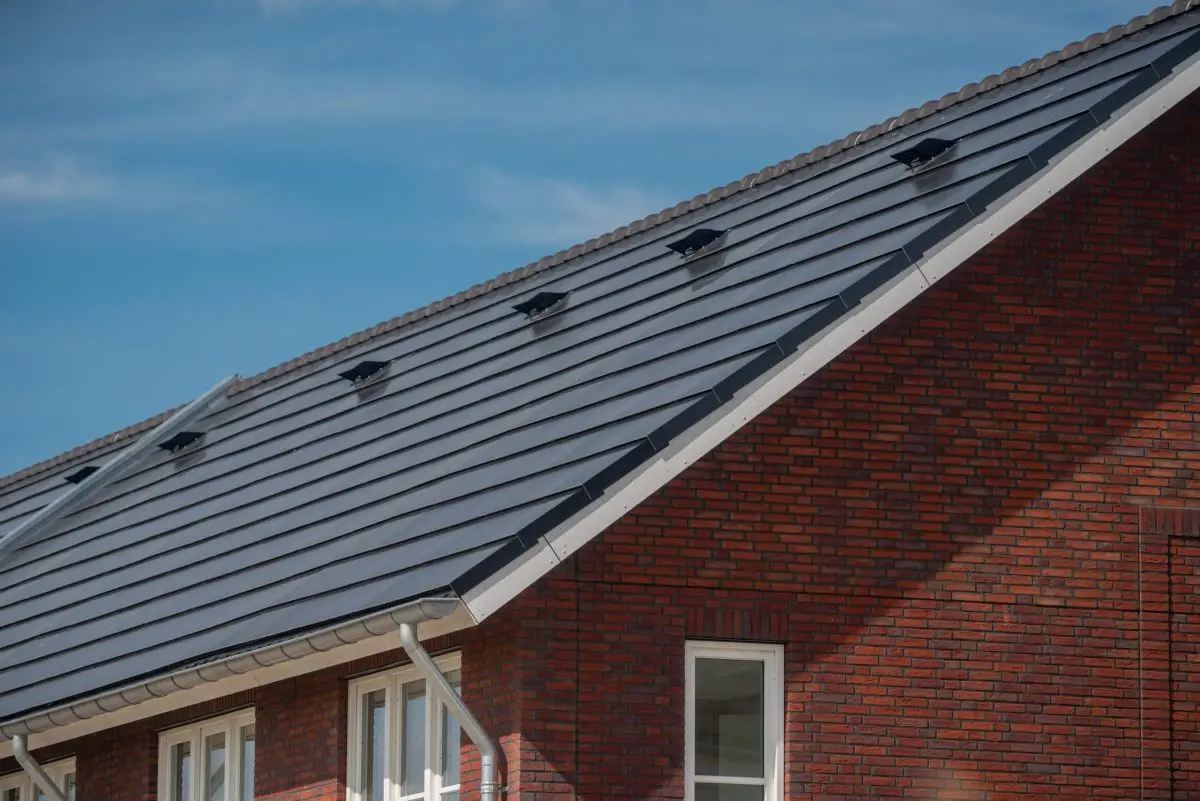
Solar Shingles vs Solar Panels: What’s the Difference?
09.22.2026
11 Min Read
More homeowners are exploring solar energy than ever before, and two very different products are competing for that attention. The decision between solar shingles vs solar panels isn’t just about which looks better on a roofline. It involves real differences in cost, energy output, installation requirements, and how well each option fits your existing roof. Getting this decision wrong can mean spending significantly more than necessary or underperforming on energy production for decades. Before committing to either path, understanding how solar options interact with your roofing system’s overall condition and structure is essential groundwork.
Here’s what this guide covers:
- What solar shingles and solar panels actually are and how they work differently
- A side-by-side breakdown of cost, efficiency, installation, and lifespan
- Which scenarios favor each technology
- How the roofing condition of your home affects your decision
- What Mebane homeowners should consider before choosing
Why This Decision Matters More Than Most Homeowners Realize
Choosing between solar shingles and solar panels is not a minor home improvement decision. It is a commitment that typically lasts 25 to 30 years and involves tens of thousands of dollars in upfront cost. The wrong choice relative to your home’s specific situation, your energy needs, and your long-term plans can cost you years of payback time and limit your energy output throughout the life of the system.
According to data from Green Energy Calculators citing NREL research, the average US homeowner saves between $1,400 and $2,000 per year after going solar. That savings potential is meaningful, but it only materializes if the right technology is matched to the right home. In Mebane and surrounding areas, where electricity rates, sun exposure patterns, and roof configurations all vary from property to property, the most important first step is understanding what you’re actually comparing.
Here’s why this decision deserves careful thought:
- Long time horizon: Both solar shingles and solar panels are designed to last 25 to 30 years. A poor fit today becomes a long-term underperformer that’s expensive to change.
- Cost differential is significant: The gap between solar panel system costs and solar shingle system costs can range from $10,000 to $30,000 or more for the same home, depending on size and configuration.
- Roof condition plays a central role: Your existing roof’s age and condition directly affects which option makes financial sense. A healthy 5-year-old roof changes the calculation compared to a roof approaching replacement age.
- Energy output is not equal: The efficiency difference between the two technologies translates into real differences in how much electricity your system generates over its lifetime, which affects your total savings.
- Resale and insurance considerations differ: How each system is classified, as roofing material versus attached equipment, affects homeowner’s insurance treatment and potential resale value differently.
Solar Shingles vs Solar Panels: A Direct Comparison Across 5 Key Categories
These two technologies share a common goal, generating electricity from sunlight, but they differ in almost every other meaningful way. Here is a clear breakdown of each category where the comparison matters most.
1. What Each Technology Actually Is
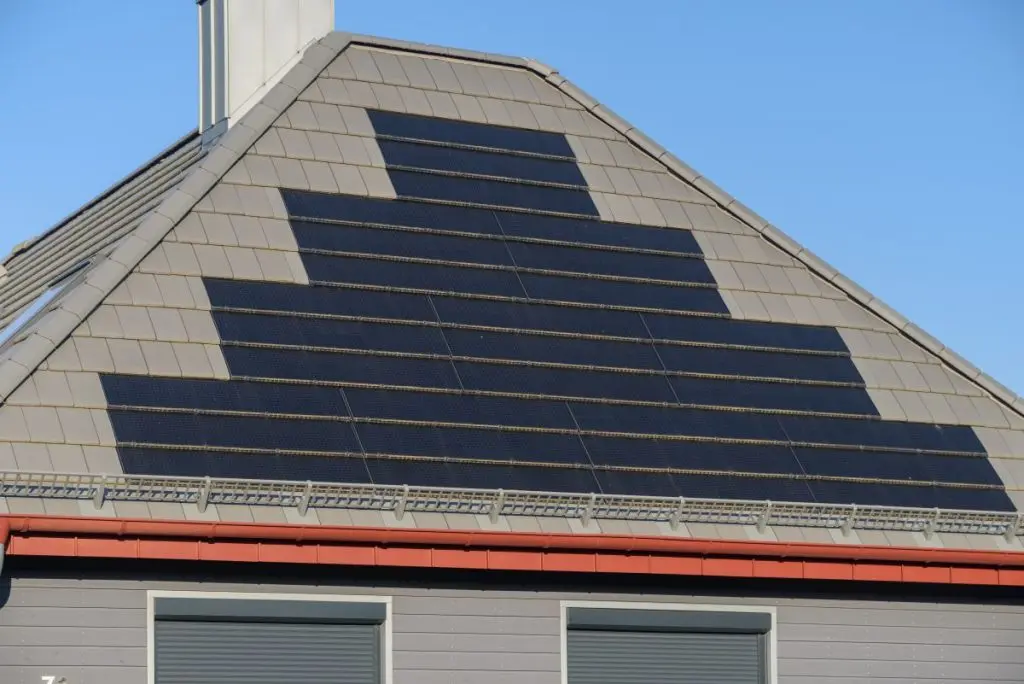
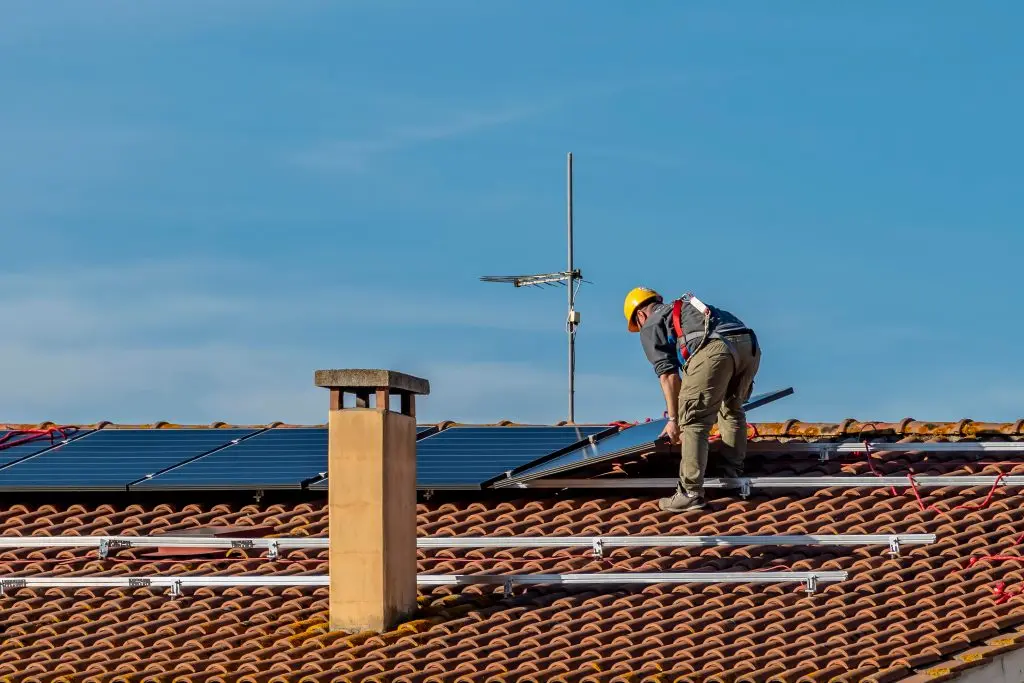
Solar panels, also called photovoltaic (PV) panels, are rack-mounted modules that are attached to the surface of your existing roof using a mounting system. They sit several inches above the roof surface, which allows airflow underneath them that helps keep the solar cells cooler and more efficient. Solar panels are a separate system installed on top of a functioning roof.
Solar shingles, also called building-integrated photovoltaics (BIPV), are a dual-function roofing product. They replace conventional shingles entirely and function simultaneously as both the roof covering and the solar energy system. Products like the GAF Timberline Solar and Tesla Solar Roof are the most widely known examples currently available. Rather than adding something to your roof, solar shingles become your roof.
- Solar panels require an existing structurally sound roof in good condition to mount to
- Solar shingles replace the entire roofing system and are installed as part of a full roof replacement
- Solar shingles integrate into the roofline and are visually indistinguishable from premium architectural shingles
- Solar panels are visibly identifiable as solar equipment mounted above the roof surface
2. Cost Comparison
This is where the two options diverge most sharply. Traditional solar panels cost approximately $2.50 to $4.50 per watt installed. For a typical residential system in the 6 to 8 kilowatt range, that places total system cost between $15,000 and $36,000 before any available state or utility incentives.
Solar shingles cost significantly more. Per-watt pricing ranges from approximately $4.50 to $8.00 per watt, and a complete solar shingle roof for an average-sized home typically runs between $35,000 and $75,000 or more, depending on home size and the specific product. The Tesla Solar Roof sits at the higher end of that range. The GAF Timberline Solar, which is installed similarly to standard shingles, offers a somewhat more accessible price point.
The important caveat is that a direct price comparison is not entirely fair when a full roof replacement is in the picture. If your home in Mebane and surrounding areas needs a new roof anyway, part of the solar shingle cost replaces what you would have spent on a conventional roof replacement. In that scenario, the true incremental cost of solar is the difference between the solar shingle system cost and the conventional roofing cost you would have incurred regardless.
- Solar panel systems: approximately $15,000 to $36,000 installed for most residential applications
- Solar shingle systems: approximately $35,000 to $75,000 installed for most residential applications
- When a roof replacement is already needed, the net cost difference narrows meaningfully
- Note: the federal 30% residential solar tax credit (Section 25D) expired December 31, 2025, so 2026 installations no longer benefit from that reduction; confirm current state and utility incentives with your installer
3. Energy Efficiency And Output
Traditional solar panels hold a clear advantage in energy efficiency. Premium panels achieve efficiency ratings of 20 to 22%, meaning they convert that percentage of the sunlight they receive into usable electricity. Solar shingles, because they are flush with the roof surface and generate more heat with no airflow beneath them, operate at lower efficiencies typically between 14 and 18%.
Multiple studies have confirmed that solar cell temperature directly affects output, with each degree Celsius above 25 degrees reducing efficiency by 0.3 to 0.5%. Because solar shingles lie flat against the roof and have no ventilated gap, they run hotter than rack-mounted panels in the same conditions. In Mebane and surrounding areas, where summer temperatures are high and sun exposure is strong, this thermal efficiency difference is relevant across a significant portion of the year.
In practical terms, for the same amount of roof area, solar panels will generate more electricity than solar shingles. If you have limited suitable roof space, this gap matters significantly for whether your system can meet your energy needs.
- Traditional panels: 20 to 22% efficiency, generating approximately 20 to 25 watts per square foot
- Solar shingles: 14 to 18% efficiency, generating approximately 10 to 15 watts per square foot
- To produce the same amount of electricity, solar shingles typically require about 30% more roof surface than panels
- The efficiency gap narrows somewhat in practice because solar shingles can be integrated across more of the roof surface where panel racks cannot be placed
4. Installation Process And Timeline
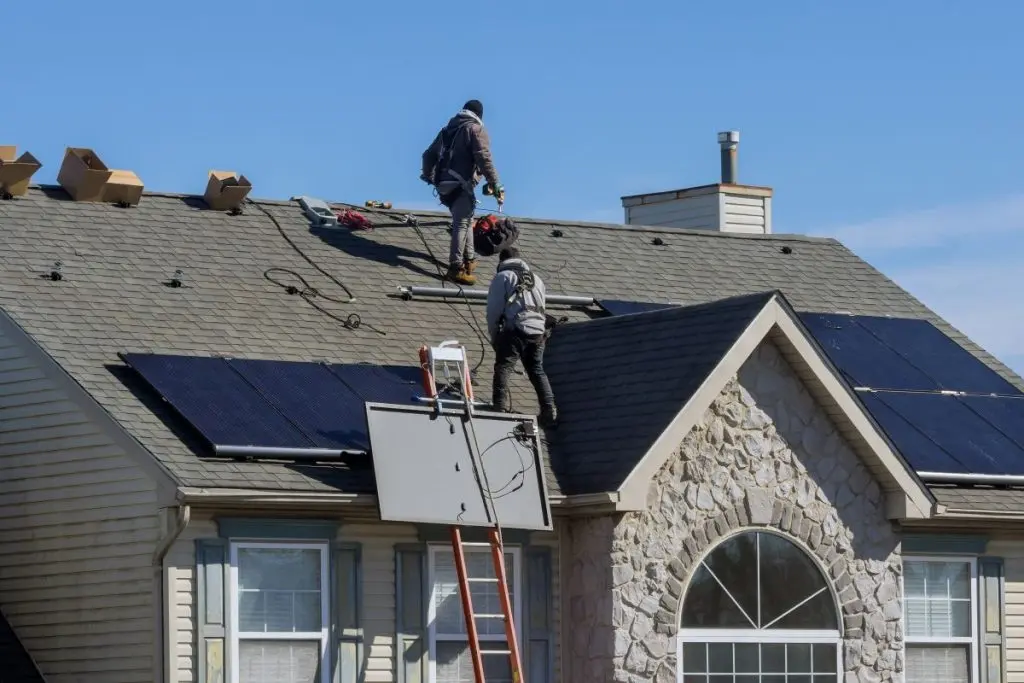
Solar panels can be installed on most existing roofs in good structural condition in one to three days. Certified solar installers handle the work, which involves attaching mounting rails to the roof deck, securing the panels, and connecting the electrical components. The roof itself is not disturbed beyond the mounting points.
Solar shingle installation is more involved. Because solar shingles replace the entire roofing system, the process begins with a full tear-off of the existing roof, followed by deck inspection and any necessary deck repairs, and then installation of the solar shingles themselves. The electrical system is integrated throughout. Total installation time is typically several days to a week or more depending on the home’s size and roof complexity. The tradeoff is that after installation, the home has a complete new roof and a complete solar system in one finished product.
- Solar panels: installed in one to three days on an existing sound roof with minimal disruption
- Solar shingles: installed over five to ten or more days as part of a complete roofing project
- Solar shingle installation requires roofing expertise in addition to solar electrical knowledge
- Not all solar installers are qualified to install solar shingles; specialty training and certification is required for most products
5. Aesthetics And Visual Impact
This is the category where solar shingles hold an undisputed advantage. A completed solar shingle installation is visually indistinguishable from a premium architectural shingle roof. There is no visible mounting hardware, no panels elevated above the roofline, and no visual disruption to the home’s exterior. For homeowners in Mebane and surrounding areas with HOA restrictions on rooftop equipment visibility, or for those in neighborhoods where maintaining the home’s appearance is a priority, solar shingles deliver the cleanest result.
Solar panels have improved significantly in appearance over the past decade. All-black panel designs and lower-profile mounting systems are now standard in the premium tier. But they remain visibly identifiable as solar equipment sitting several inches above the roof surface. Whether that matters depends entirely on the homeowner’s priorities.
How Your Roof Condition Determines Which Option Makes Sense
This is the question that should come before any comparison of cost or efficiency. The age and condition of your existing roof is the single biggest factor in determining which technology makes financial sense for your home.
If Your Roof Is In Good Condition With 10 Or More Years Of Life Remaining
A structurally sound roof with meaningful remaining life is the strongest case for traditional solar panels. Adding panels to a roof that doesn’t need replacement means the full cost of the solar system is your only investment. You keep the efficiency advantage, the lower cost, and the faster payback timeline without any roofing cost.
Installing solar shingles in this scenario means demolishing a functioning roof before it’s necessary, absorbing the full cost of a new roofing system plus the premium cost of the solar shingles, and extending your payback timeline by years.
If Your Roof Needs Replacement Within The Next Three To Five Years
When a roof replacement is on the near-term horizon, the solar shingle calculation changes. You’re going to spend money on a new roof regardless. At that point, the question becomes whether the incremental cost of upgrading from a conventional roof to a solar shingle system is justified by the combined value of the roofing function and the energy production.
For many homeowners in this situation, the answer is yes, particularly if aesthetics, HOA restrictions, or the desire for a single integrated system are priorities. The net additional cost of solar shingles over a conventional roof replacement is lower than the headline price suggests.
If Your Roof Is At Or Near End Of Life
A roof that is already showing significant wear, water damage, or structural concerns needs replacement before any solar installation can proceed. At this stage, the solar shingle conversation becomes most directly relevant because a full replacement is unavoidable. A qualified contractor can assess the deck condition, identify any structural issues, and help you determine whether a solar shingle product is a suitable match for your home’s configuration.
Comparing The Two At A Glance
| Factor | Solar Panels | Solar Shingles |
| Cost per watt | $2.50 to $4.50 | $4.50 to $8.00 |
| Efficiency | 20 to 22% | 14 to 18% |
| Visual impact | Visible above roofline | Integrated, low-profile |
| Installation time | 1 to 3 days | 5 to 10 or more days |
| Best for | Sound roofs with life remaining | Homes needing full roof replacement |
| Payback timeline | 7 to 12 years typical | 12 to 16 years typical |
| Lifespan | 25 to 30 years | 25 to 30 years |
Start With Your Roof Before You Decide On Solar
The right solar technology for your home in Mebane and surrounding areas is the one that fits your roof’s actual condition, your energy production needs, your budget, and your plans for the home. There is no universal answer, but there is almost always a better and a worse match for each specific situation. Making that determination starts with an honest assessment of what your roof is doing today and what it will need over the next five to ten years.
At Barkley-Jensen Roofing and Restoration, we help homeowners understand exactly what their roof’s condition means for a solar decision, whether that’s confirming you have years of life left before panels need to come off, preparing your roof for a panel installation, or evaluating whether a solar shingle product is a good fit for a needed replacement. Contact us today and the Barkley-Jensen team will schedule your inspection and give you the straight answer you need to move forward confidently.