




 Get Started
What Are The Most Durable Roofing Materials? (7 Top Picks)
09.29.2026
12 Min Read
When a roof fails early, it’s rarely because the homeowner made a random bad choice. It’s usually because durability wasn’t the primary filter when the material was selected. For property owners in Raleigh and surrounding areas, where heat, humidity, and severe storm seasons put real stress on roofing systems year after year, material selection is one of the highest-leverage decisions you’ll make for your building. Knowing what are the most durable roofing materials before you sit across from a contractor changes the quality of that conversation entirely. If you want to understand how material choice plays into long-term performance across both residential and commercial roof systems, the comparison below is exactly where to start.
Here’s what this guide covers:
- Why durability should drive material selection, not just price
- The seven most durable roofing materials ranked by real-world lifespan
- How each material performs in Raleigh’s specific climate conditions
- What factors affect how long any roofing material actually lasts
- How to match the right material to your budget and long-term goals
Why Durability Is The Most Undervalued Factor In Roofing Decisions

Most property owners approach a roof replacement with budget as the first filter and appearance as the second. Durability usually lands third, and that order costs people money over time. A material that looks great at installation but degrades significantly faster than a slightly more expensive alternative ends up being the more expensive choice when you account for the full ownership horizon.
In Raleigh and surrounding areas, durability is especially important because the climate accelerates wear on roofing materials. High summer temperatures drive UV degradation. Persistent humidity creates conditions for algae growth and moisture cycling. Severe thunderstorms test wind and impact resistance annually. A material rated for 25 years in a mild climate may perform noticeably shorter in this environment without the right specifications.
- Fewer replacement cycles: A roof that lasts 50 years instead of 25 eliminates an entire replacement cycle, along with the labor, disposal, and disruption costs that come with it.
- Lower maintenance burden: More durable materials typically require less frequent attention. That means fewer inspections driven by concern, fewer emergency repairs, and less time coordinating contractor visits during your ownership period.
- Better insurance outcomes: Impact-resistant and high-wind-rated materials can reduce homeowner insurance premiums and result in stronger insurance outcomes when storm damage occurs. Documented durability specifications matter in claims situations.
- Stronger resale value: A roof with substantial remaining life is a documented asset in a real estate transaction. Buyers and their inspectors notice material quality, and a premium roof can meaningfully affect sale price and negotiations.
- Reduced long-term cost-per-year: When you divide total installation cost by expected years of service, premium materials often cost less per year of protection than lower-cost alternatives that require replacement sooner.
7 Most Durable Roofing Materials For Raleigh And Surrounding Areas
Durability in roofing is not just about how long a material lasts in ideal conditions. It’s about how well it holds up against the specific stressors your building faces. Here is a ranked breakdown of the seven most durable options available to property owners today.
1. Slate
Natural slate is the uncontested leader in roofing longevity. According to the National Association of Home Builders (NAHB) and the International Association of Certified Home Inspectors (InterNACHI), slate roofs are rated for a life expectancy of 100 years or more, with high-quality hard slate from quarries in Vermont or New York regularly exceeding 150 years. Slate is stone, which means it does not rot, warp, absorb moisture, or degrade under UV exposure the way organic or composite materials do.
The performance trade-offs are weight and cost. Slate is heavy, and most structures require engineering assessment and potential reinforcement before installation. The upfront investment is significant. However, for a building that will carry the roof for decades, slate is the only material that can genuinely be described as a one-time installation.
- Impervious to moisture absorption and freeze-thaw cycling
- Non-combustible and completely fire resistant
- Individual damaged pieces can be replaced without disturbing surrounding material
- Requires a contractor with specific slate installation experience
2. Clay Tile
Clay tile has been used as a roofing material for thousands of years, and modern manufacturing has only improved on what was already an exceptionally durable product. The NAHB and InterNACHI both rate clay tile for 100 or more years of service life. Clay tiles are fired at high temperatures, creating a dense, non-porous material that resists UV degradation, moisture, insects, and rot.
In Raleigh and surrounding areas, clay tile performs particularly well because it handles heat and UV exposure better than asphalt-based products, and its thermal mass helps regulate attic temperatures in hot summers. The primary considerations are weight, which requires structural assessment similar to slate, and the underlayment beneath the tiles, which typically requires replacement every 20 to 25 years even when the tiles themselves remain sound.
- Natural fire resistance rated Class A by most building codes
- Color is fired into the material and will not fade under UV exposure
- Excellent performance in wind events when properly installed
- Available in a range of profiles to suit different architectural styles
3. Concrete Tile
Concrete tile offers clay tile-level durability at a generally lower cost per square foot and with a wider range of available profiles and colors. Properly installed concrete tile roofs regularly achieve 50 to 100 years of service life, making them one of the most cost-effective materials when measured by cost-per-year rather than upfront price.
Like clay, concrete tile is heavy, non-combustible, and highly resistant to wind damage. It handles the thermal cycling of Raleigh’s climate well, and it’s available in profiles that mimic slate, wood shake, and Spanish tile, giving property owners significant aesthetic flexibility at a more accessible price point than natural materials.
- Wide variety of profiles and color options compared to natural clay
- Strong wind resistance when installed with appropriate fastening patterns
- Periodic surface sealing helps maintain appearance and extend service life
- Weight requires structural evaluation before installation
4. Standing Seam Metal
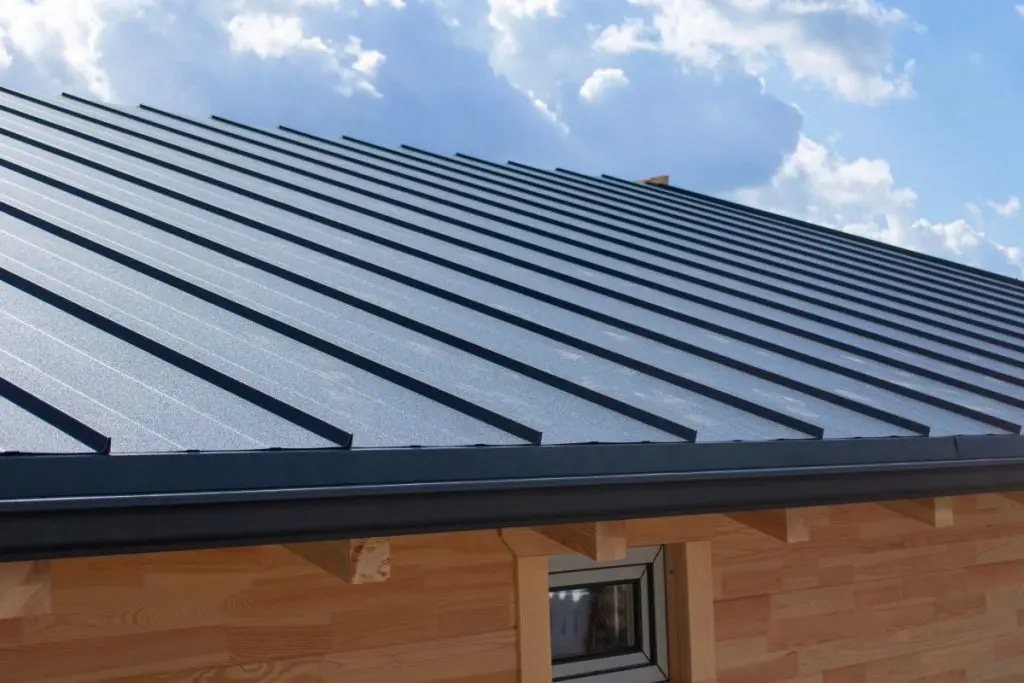
Metal roofing, specifically standing seam systems where the seams are raised above the panel surface and concealed from the weather, represents the highest-durability option in the metal category. Standing seam metal roofs typically last 40 to 70 years, with copper and zinc systems capable of reaching 100 years or more. The concealed fastener design eliminates the penetration points that cause failure in exposed-fastener metal systems, which is a critical distinction for long-term performance.
For Raleigh and surrounding areas, standing seam metal offers specific advantages. It reflects solar radiation rather than absorbing it, which meaningfully reduces attic temperatures in summer. It cannot support algae or moss growth. It handles wind events extremely well, and it sheds water rapidly, making it a strong performer during the heavy rain events that move through the region seasonally.
- Steel, aluminum, copper, and zinc options available at different price and longevity tiers
- Heat-welded or snap-lock seams eliminate exposed fastener failure points
- Energy efficiency benefits from reflective surface reduce cooling costs year over year
- Excellent performance in hail events when appropriate gauge is selected
5. Impact-Resistant (Class 4) Asphalt Shingles
For property owners whose primary durability concern is storm performance rather than absolute longevity, Class 4 impact-resistant asphalt shingles represent a compelling option. These shingles are tested under UL 2218 standards and must survive a two-inch steel ball dropped from 20 feet without cracking. They’re typically constructed with a rubberized SBS modifier or reinforced fiberglass mat that absorbs hail impact energy rather than transferring it into a crack or puncture.
In Raleigh and surrounding areas, where severe thunderstorms with hail are a regular feature of summer weather, upgrading from standard architectural shingles to a Class 4 product is often the single highest-return improvement available within the asphalt category. Many North Carolina homeowners also qualify for insurance premium discounts with Class 4 materials, which offsets a portion of the cost difference.
- Expected lifespan of 25 to 30 years in Raleigh’s climate with proper installation
- Can qualify for homeowner’s insurance discounts through some carriers
- Available from GAF, Owens Corning, CertainTeed, and other major manufacturers
- Compatible with most certified installer warranty programs
6. Architectural (Dimensional) Asphalt Shingles
Architectural shingles are the most widely installed roofing material in the country, and they earn their popularity by delivering a genuine balance of cost, durability, and performance that the alternatives at the premium end of the market can’t match on budget-constrained projects. A quality architectural shingle installation from a certified contractor in Raleigh and surrounding areas will typically perform for 25 to 30 years with appropriate maintenance.
The key distinction from standard three-tab shingles is the laminated construction. Two layers of fiberglass asphalt bonded together create a heavier, thicker product that handles thermal cycling and wind uplift more effectively, with wind ratings typically reaching 110 to 130 mph depending on the product tier. Most premium architectural lines include algae-resistant granule technology, which is a meaningful performance feature in North Carolina’s humid climate.
- The most common recommendation for residential projects balancing budget and lifespan
- Available in a wide range of colors and profiles including styles that mimic wood shake or slate
- Manufacturer warranties up to limited lifetime available through certified installers
- Most accessible option for projects with defined budget constraints
7. Composite (Synthetic) Shingles
Composite or synthetic shingles are engineered from blends of materials, often including recycled rubber, plastic, and fiberglass, designed to replicate the appearance of slate, wood shake, or tile at a fraction of the weight and structural demand of the natural originals. They’re one of the fastest-growing categories in residential roofing, and for good reason: lifespans of 40 to 50 years are common under manufacturer warranties, placing them meaningfully above asphalt but at a lower structural cost than natural slate or tile.
Composite shingles are highly resistant to moisture absorption, which means they don’t support algae or moss growth and perform well through Raleigh’s humid summers. They’re also designed with impact resistance as a feature, with many products carrying Class 4 ratings. For property owners who want the visual character of premium natural materials without the structural reinforcement cost, composite shingles close a meaningful gap in the market.
- Lighter than natural slate or tile, compatible with most standard roof structures
- Class 4 impact ratings available across several product lines
- Moisture-resistant by composition, which matters significantly in humid climates
- Higher upfront cost than asphalt, but lower cost-per-year over the full service life
How North Carolina’s Climate Affects Material Durability
Not every material from the list above performs equally well in the specific conditions that Raleigh and surrounding areas present. Climate is one of the four factors that most directly determines whether a material reaches its rated lifespan or falls short of it, and the Triangle’s mix of heat, humidity, and storm activity creates a distinct performance profile for each option.
- Heat and UV exposure: Summer temperatures regularly exceed 90 degrees Fahrenheit across the region. Materials that absorb rather than reflect solar radiation experience greater thermal stress and tend to degrade the asphalt binder in shingles faster. Metal, clay, concrete, and slate all outperform asphalt in pure UV resistance. Within the asphalt category, lighter-colored shingles with higher solar reflectance index ratings perform meaningfully better in this climate.
- Humidity and algae: The Triangle’s humidity creates near-ideal conditions for Gloeocapsa magma, the algae responsible for the dark streaking visible on many neighborhood roofs. Algae doesn’t just stain; over time it traps moisture and accelerates granule loss on asphalt shingles. Metal, slate, clay, and concrete tile are naturally inhospitable to algae growth. Asphalt shingles require copper or zinc granule technology to resist it.
- Wind and hail: Raleigh and surrounding areas see regular severe thunderstorm activity, and the associated wind and hail events are among the most common drivers of roof damage in the region. Impact resistance and wind rating are specifications that matter here, not just marketing language. Class 4 impact ratings and 130 mph wind ratings are specifications worth prioritizing regardless of which material category you’re selecting within.
Matching Material To Building, Budget, And Timeline

Durability rankings don’t translate directly into purchase recommendations, because the right material depends on factors beyond the material itself. Here’s a practical framework for narrowing the field.
Budget And Ownership Horizon
For property owners planning to sell within 10 years, a high-quality architectural shingle installation from a certified contractor delivers excellent performance at a cost that makes sense relative to the ownership period. For owners with a 20-plus-year horizon, the cost-per-year analysis often favors an upgrade to Class 4 shingles, composite, or metal even when the upfront cost is higher.
Structural Capacity
Slate and clay tile are exceptional materials, but they require structural assessment before installation. If your building wasn’t designed to carry the load of a heavier roofing system, that structural upgrade adds cost that needs to be part of the comparison. A lighter premium option like composite shingles or metal may deliver similar durability without that additional requirement.
Aesthetic Goals
Some materials are only available in specific aesthetic profiles. If architectural character or a specific visual appearance is important to the project, that narrows the field before durability considerations even enter the conversation. Composite shingles are the most flexible in this regard, offering slate, shake, and tile profiles in a lighter-weight product.
Contractor Availability
Not every material is well-supported by local contractors. Slate installation in particular requires specific experience that not every roofing company in Raleigh and surrounding areas can provide. A premium material installed by an inexperienced crew underperforms relative to its rating. Verify contractor experience with the specific material before committing to a selection.
Invest In The Material Your Building Deserves
A roofing material decision made on price alone is a decision that often comes back around faster than it should. The seven materials on this list all represent genuine durability options, and each one has a scenario where it’s the right answer. The conversation worth having is about which one fits your building, your climate, your budget, and how long you intend to own the property.
At Barkley-Jensen Roofing and Restoration, we help property owners in Raleigh and surrounding areas work through exactly that conversation with honest information and no pressure toward a higher-margin product. Whether you’re replacing an aging residential roof or evaluating options for a commercial building, we’ll help you land on the material that actually makes sense for your situation. Contact us today and the Barkley-Jensen team will get your inspection scheduled and your options clearly laid out.