




 Get Started
Roof Inspection Frequency For Wilson, NC Homeowners
10.15.2026
12 Min Read
Most Wilson homeowners think about their roof twice: when they move in and when something goes wrong. The gap between those two moments is where damage grows undetected and repair costs multiply. Wilson sits in the eastern North Carolina Piedmont, an area that receives nearly 49 inches of rain annually, with September alone averaging 6 inches, and sits squarely in the path of tropical systems moving inland from the coast. That combination of sustained moisture and seasonal storm exposure makes a consistent roof inspection frequency one of the most practical decisions a Wilson homeowner can make. Understanding what a thorough professional roof inspection actually covers and how often to schedule one is the foundation of protecting your home’s most critical system.
Here’s what this guide covers:
- What the professional standard for roof inspection frequency actually recommends
- How Wilson’s specific climate affects how often you should inspect
- The five situations that require an inspection outside the regular schedule
- What a professional inspector evaluates that a ground-level look misses
- How inspection frequency changes as your roof ages
Why Regular Roof Inspections In Wilson Are Worth Prioritizing
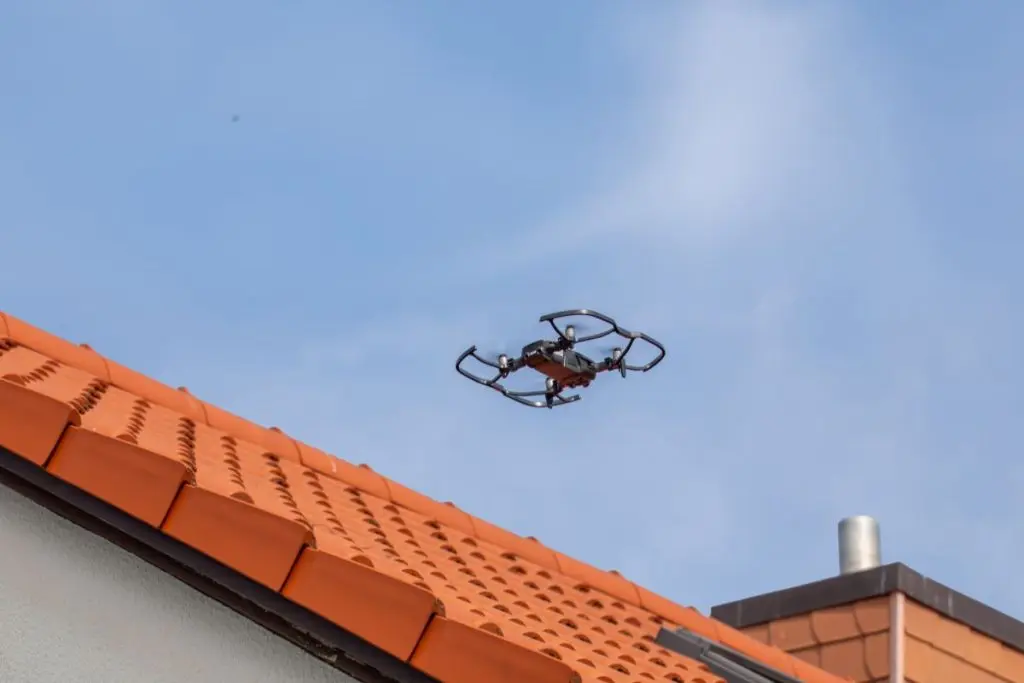
A roof that looks fine from the street can be hiding granule loss, failed flashing seals, lifted shingle tabs, and early wood rot that a professional inspection would identify within minutes. The nature of roofing damage is that it rarely announces itself loudly until the consequences are already significant. Water intrusion that started at a failed pipe boot works its way through insulation, decking, and framing before it ever shows up as a ceiling stain.
In Wilson and the surrounding eastern Piedmont region, the moisture load on residential roofs is substantial. With nearly 49 inches of annual rainfall and a climate that delivers heat and humidity from May through October, roofing materials cycle through more thermal stress and moisture exposure than homeowners typically account for. The case for consistent inspections is not abstract; it is built on the real conditions that Wilson roofs face every year.
Here’s what a consistent inspection schedule actually delivers:
- Early detection saves significant money: A professional catching a failed flashing seal or a few lifted shingle tabs during a routine inspection costs far less than addressing the interior water damage that results from leaving those issues unaddressed through a full storm season.
- Documentation supports insurance claims: A roof with a documented inspection history is in a measurably stronger position when a storm damage claim is filed. Adjusters can see that the roof was maintained, which removes the pre-existing condition argument that insurers in storm-active markets routinely raise.
- Manufacturer warranties require maintenance: Most asphalt shingle warranties include language that conditions coverage on reasonable maintenance. An inspection record is evidence of that maintenance and protects warranty validity throughout the roof’s service life.
- Inspections reveal attic conditions too: A thorough inspection includes attic access to assess ventilation, moisture levels, rafter condition, and decking integrity. These are factors that affect how long your roofing materials last, and they’re invisible from the exterior.
- Planned replacements beat emergency ones: A contractor who can tell you that your roof has approximately four to six years of remaining service life gives you time to plan and budget. A roof that fails during a storm with no warning gives you neither.
5 Inspection Scenarios Every Wilson Homeowner Should Know
The right inspection frequency for your home depends on more than a single calendar rule. Understanding the five distinct scenarios that determine when an inspection is warranted gives you a framework that applies across your roof’s entire lifespan.
1. The Twice-Yearly Baseline
According to the National Roofing Contractors Association (NRCA), routine roof inspections are recommended at least twice per year, once in spring and once in fall, along with an additional inspection after any severe weather event. This biannual standard has held as the professional recommendation for decades because it aligns with the two natural stress cycles that most residential roofs experience.
The spring inspection evaluates how the roof came through winter and the early storm season. In Wilson, this means assessing any damage from winter rain events, checking that flashing seals remain intact after temperature cycling, and clearing any debris accumulation that held moisture against the shingle surface. The fall inspection prepares the roof for the stretch of late tropical storm season through winter, verifying that drainage is clear and that no summer storm damage went undetected.
- Spring inspection timing: March to May, after winter and before peak thunderstorm season
- Fall inspection timing: September to November, after tropical storm season and before winter moisture patterns establish
- Both inspections should include an attic component, not just an exterior walkthrough
2. After Any Significant Storm Event
Wilson’s position in eastern North Carolina means the city is regularly in the path of severe thunderstorms, tropical storm remnants, and occasionally direct hurricane impacts. Any weather event that brings sustained winds above 50 mph, hail at or above the diameter of a dime, or falling debris within reach of the roofline warrants a professional inspection regardless of where that event falls in the calendar year.
Storm damage on asphalt shingles often doesn’t show up clearly at ground level. Hail impacts that bruise and crack the shingle substrate below the granule surface may look like surface scuffing from the ground but represent a genuine structural failure in the shingle’s waterproofing layer. Lifted shingle tabs with failed adhesive seals may look seated from below but allow wind-driven water to penetrate at the next rain event. These findings require physical roof access to identify accurately.
- Do not rely on a ground-level visual check after a storm to clear your roof as undamaged
- The inspection should specifically look for hail impact patterns, lifted tabs, and displaced ridge cap material
- File your inspection findings before contacting your insurer to have independent documentation in hand
3. When The Roof Is 10 Or More Years Old

A roof in its first decade, installed correctly over sound decking, typically requires only the twice-yearly baseline inspection schedule. A roof entering its second decade changes the calculus. Shingle adhesive seals that have been through ten or more years of thermal cycling in Wilson’s heat and humidity are not performing the same function they did when the roof was new. Granule coverage, which protects the asphalt binder from UV degradation, is actively declining. Flashing sealants applied during original installation are at or approaching the end of their effective service life.
For roofs in the 10 to 20 year range, the twice-yearly schedule remains appropriate but should be treated with greater urgency. Any finding from an inspection in this age range deserves prompt attention rather than a monitoring approach, because deferred repairs on an aging roof compound faster than on a newer system.
- Consider scheduling inspections at both the beginning and end of storm season, rather than spring and fall, to maximize coverage during Wilson’s highest-risk weather windows
- Request that the inspector provide an estimated remaining service life assessment at each visit
- Begin budgeting for replacement when inspection findings consistently show granule loss, curling at shingle edges, or multiple minor issues per visit
4. After Any Roofing Work Or Major Repair
When a contractor completes a repair, a partial replacement, or any significant work on your roof, a follow-up inspection 60 to 90 days later is a worthwhile step. This timeline allows enough rain events to pass that any installation deficiency will have revealed itself, while still falling within most contractors’ workmanship warranty windows where corrections can be requested.
The NRCA specifically recommends inspection within 90 days of any new installation or significant repair to confirm installation quality and identify early defects before warranty claim windows begin narrowing. In Wilson’s rain-active climate, two to three substantial rain events within that window will reveal any flashing seal failures or improper shingle terminations that weren’t apparent on dry inspection.
- A post-repair inspection is not a sign of distrust; it’s standard professional practice
- Bring the contractor’s warranty documentation to the inspection so any findings can be assessed against the covered scope
- Document the post-repair inspection result so you have a baseline record if issues arise later
5. Before And After Any Real Estate Transaction
A roof inspection tied to buying or selling a home in Wilson is one of the most financially important inspections in the sequence. For buyers, a professional roofing inspection supplements the general home inspection and provides a specialist’s assessment of the roof’s current condition and remaining service life. General home inspectors assess many systems; a roofing contractor assesses the roof specifically and in full, including attic access that some general inspections skip.
For sellers, a pre-listing roof inspection provides the opportunity to address any findings before buyers and their inspectors identify them, which typically produces better negotiating outcomes than a credit request or a repair demand at the inspection contingency stage.
- Pre-listing inspections also give sellers documentation of the roof’s condition that can be provided to prospective buyers
- Buyers should request inspection of both the exterior roof surface and the attic, not just a roof age verification
- Any inspection findings should come with repair cost estimates so the financial implications can be factored into transaction decisions
What A Professional Inspection Covers That Homeowners Miss
The value of a professional inspection is not in confirming what a homeowner already suspects. It’s in identifying what isn’t visible from the ground and what requires experience to interpret correctly. Here’s what a thorough professional inspection evaluates that a typical homeowner ground-level check simply cannot replicate.
- Adhesive seal strip condition: Shingles bond to each other along a strip of asphalt adhesive that activates in warmer temperatures. When these strips fail, shingles may appear perfectly flat in calm conditions but lift immediately in wind. A professional can assess seal strip condition by gently testing the bond along the perimeter shingles where failure begins.
- Granule loss mapping: Some granule loss is normal across a shingle’s life. But accelerated granule loss in specific areas, around penetrations, at valleys, or at impact sites from hail, indicates a problem that needs attention. Professionals assess granule loss as part of a larger picture rather than as an isolated observation.
- Flashing termination integrity: Every flashing installation has an edge, a caulk joint, or a mechanically fastened termination that can fail. At chimneys, skylights, pipe boots, and valley metal, these terminations are where water most often enters the structure. Evaluating them requires physical access and hands-on assessment that isn’t possible from the ground.
- Attic ventilation and moisture indicators: Heat and moisture trapped in an attic degrade roofing materials from the underside and can shorten a roof’s service life by years. Dark staining on decking, compressed or wet insulation, and inadequate soffit or ridge ventilation are findings that only an attic inspection surfaces.
- Deck condition at known risk areas: Around every penetration, at valley low points, and along the eave edge, the decking is at highest risk of moisture exposure. Soft spots, delamination, and staining at these locations indicate that water has reached the structural layer beneath the shingles and that repair is past due.
How To Build A Roof Inspection Schedule That Fits Your Wilson Home

A practical inspection schedule for most Wilson homeowners starts from the NRCA’s biannual baseline and adjusts based on the factors that apply to your specific property. Here’s how to think through the schedule for your situation.
New Or Recent Installation (0 To 5 Years)
Two inspections per year remain the baseline. Additionally, schedule a post-installation inspection within 90 days of the new roof going on. After that, twice yearly in spring and fall is appropriate, with a supplemental inspection after any significant storm. This stage is about confirming the installation is performing as intended and catching any early deficiencies within the workmanship warranty window.
Established Roof In Mid-Life (5 To 15 Years)
Twice yearly continues to be the standard. In this range, the value of inspections shifts from quality confirmation to proactive maintenance identification. The findings from each inspection should be documented, addressed promptly, and filed so that any trend toward accelerating wear is visible across the inspection history.
Aging Roof Approaching End Of Service Life (15-Plus Years)
Consider increasing to three inspections per year, adding one at the midpoint of summer when UV and heat stress are at their peak. Repair decisions should be made promptly rather than deferred. Begin planning for replacement so the transition can happen on your timeline rather than in response to a failure event.
Protect Your Wilson Home With A Consistent Inspection Schedule
A roof that’s inspected regularly gives you information. A roof that’s inspected only when something goes wrong gives you emergency repair costs and gaps in documentation that complicate insurance claims. For Wilson homeowners dealing with a climate that delivers nearly 50 inches of annual rainfall, regular storm exposure, and summer heat that cycles shingles through thermal stress repeatedly, the case for a consistent inspection schedule is built on the specific conditions your roof actually faces.
At Barkley-Jensen Roofing and Restoration, we provide thorough professional inspections that cover the full roof system, exterior and attic, with written findings and honest assessments of what we find. Whether you’re establishing a new inspection schedule, dealing with a recent storm, or approaching a roof that’s aging into its final years of service life, we give Wilson homeowners a clear picture of where things stand. Contact us today and the Barkley-Jensen team will schedule your inspection and put a documented baseline in place for your home.