




 Get Started
Are Impact-Resistant Shingles Recommended For Homes In Apex, NC? (7 Benefits 2026)
05.27.2026
11 Min Read
Hailstorms, high winds, and flying debris are not rare events in the Raleigh-Cary-Apex corridor. They are a recurring reality that takes a measurable toll on roofs throughout Wake County every year. For Apex homeowners weighing a roof replacement or upgrade, one question comes up consistently: is the added investment worth it? Understanding whether impact-resistant shingles are recommended for homes in Apex, NC requires looking at both the climate conditions that make them valuable and the tangible benefits they deliver over the life of a roof. Homeowners who explore what today’s most durable roofing options look like for their specific situation often walk away with a much clearer answer than they expected.
In this guide, you will learn:
- Why Apex’s weather patterns make impact resistance a practical priority
- Seven specific benefits impact-resistant shingles provide for local homeowners
- How impact resistance ratings are determined and what the classes mean
- How impact-resistant shingles compare to standard shingles side by side
- What to ask your contractor before committing to a product
Why Apex, NC Homeowners Face Elevated Storm Risk
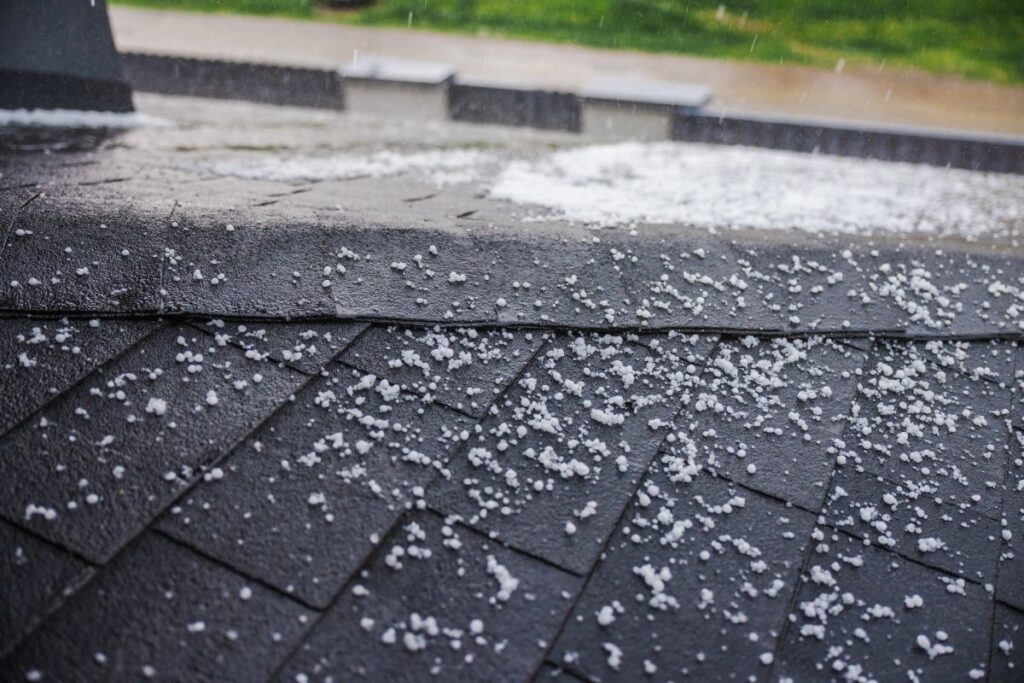
Apex sits in a part of North Carolina that sees more than its share of severe weather. Wake County lies within one of the most active hail corridors in the Southeast, and the rapid residential growth across Apex and the surrounding towns has placed a high concentration of homes directly in the path of storms that move through the region from late spring through fall. Many homeowners do not think about their roof until a storm event creates an obvious problem, but by that point, the damage has already been done.
Understanding the local weather picture helps explain why roofing material selection matters more here than it might in a calmer climate:
- Hail Frequency: Wake County experiences multiple significant hail events annually, ranging from small pea-sized stones that gradually degrade shingles over time to larger hail that causes immediate visible damage and compromises the waterproofing layer beneath.
- Wind Exposure: Apex is exposed to high-speed wind gusts during severe thunderstorms and, periodically, the outer bands of tropical systems that push inland from the coast. Standard shingles rated for lower wind speeds can lift, crack, or shed granules under these conditions.
- Rapid Storm Development: The Piedmont region’s geography allows storms to develop and intensify quickly, giving homeowners little warning before a weather event reaches full force. A roof that performs poorly under sudden stress has limited time to demonstrate the problem before damage has already occurred.
- Cumulative Wear: Even storms that do not produce single-event visible damage weaken shingles gradually through repeated impact stress, granule loss, and micro-fracturing that shortens the overall lifespan of a standard roof.
- Insurance Claim Exposure: According to the Insurance Information Institute, wind and hail are the leading cause of homeowners insurance claims in the United States, accounting for roughly 45 percent of all property damage losses. That statistic is not abstract for Apex homeowners; it reflects the exact weather profile the area experiences regularly.
7 Benefits of Impact-Resistant Shingles for Apex Homeowners
Impact-resistant shingles are not simply a premium version of standard architectural shingles. They are engineered with a fundamentally different construction that changes how they respond to physical stress. Here is a breakdown of the seven most meaningful benefits for homeowners in the Apex market.
1. Superior Protection Against Hail Damage
The defining advantage of impact-resistant shingles is their ability to absorb and disperse the kinetic energy of hailstone impact without cracking, fracturing, or losing significant granule coverage. Manufacturers achieve this through modified polymer blends in the shingle mat, rubberized asphalt layers, or multi-layered constructions that flex rather than fracture on impact.
- Class 4 rated shingles are tested to withstand a 2-inch steel ball dropped from 20 feet without cracking
- Reduced risk of puncture and granule loss that exposes the underlying mat
- Less likelihood of post-storm leaks that develop in the days and weeks following a hail event
For Apex homeowners, this protection directly reduces the chance of a single storm generating an insurance claim or an emergency repair call.
2. Potential Savings on Homeowners Insurance Premiums
Many insurance providers in North Carolina offer meaningful premium discounts to homeowners who install Class 4 impact-resistant roofing. The discount reflects the statistically lower claim risk associated with these products. Depending on the insurer and the policy, discounts can range from a modest percentage to a more substantial reduction that begins recovering the upfront cost difference within just a few years.
- Discounts vary by carrier, so confirm details directly with your insurance provider
- Some carriers require documentation and a signed contractor confirmation that Class 4 shingles were installed
- The cumulative savings over a 25-year roof lifespan can be significant relative to the initial upgrade cost
This financial benefit transforms what might feel like an optional upgrade into a genuinely strategic investment.
3. Extended Roof Lifespan
Standard architectural shingles are rated for 25 to 30 years under normal conditions, but that lifespan assumes a relatively calm environment. In a market like Apex, where storm stress, UV exposure, and thermal cycling are all above baseline, real-world performance often falls short of the label. Impact-resistant shingles are built with more robust materials throughout, which translates into greater resilience against all forms of weathering, not just hail.
- Thicker construction resists granule loss from both impact and wind scour
- Enhanced UV stabilizers in the asphalt compound slow surface degradation
- Longer effective service life reduces the frequency of full replacement cycles over time
The result is a roof that performs closer to its rated lifespan even in a demanding climate.
4. Reduced Repair Frequency and Maintenance Costs
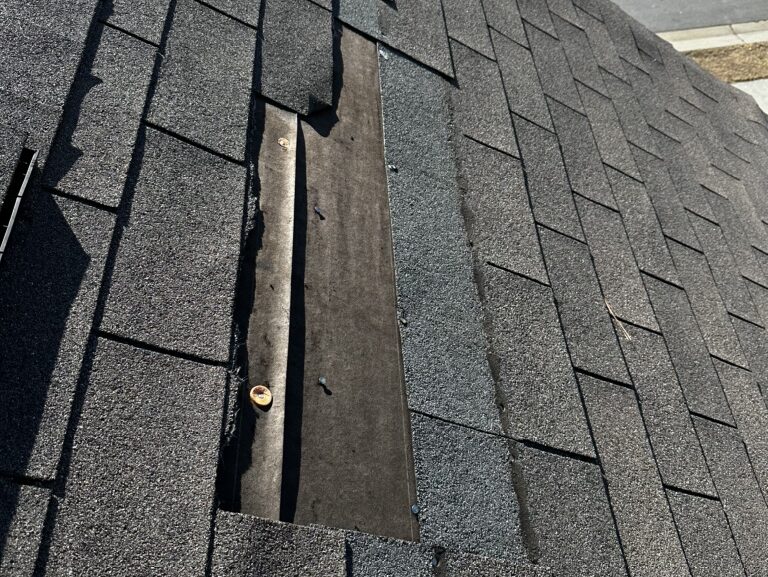
A roof that handles storm events without damage is a roof that does not generate repair calls. Every repair avoided represents not just direct cost savings but also the avoidance of secondary risks that come with any roof penetration, including improper sealing, flashing disturbance, and the introduction of moisture pathways that standard repairs sometimes create.
- Fewer shingles lost or cracked after individual storm events
- Reduced need for emergency tarping or immediate repairs following severe weather
- Lower cumulative maintenance spend over the life of the roof
For Apex homeowners who have experienced the disruption of storm-related repairs, the appeal of a more resilient material is easy to quantify.
5. Enhanced Wind Uplift Resistance
Impact-resistant shingles are typically constructed with stronger adhesive strips and more robust nail-through zones than their standard counterparts. This directly improves their ability to resist wind uplift, the mechanical force that peels shingles away from the deck during high-speed gusts. Many Class 4 products carry wind resistance ratings of 130 mph or higher.
- Critical for homes in Apex that face exposure during severe thunderstorms and tropical remnants
- Reduces the likelihood of shingles lifting and water entering the deck layer during peak wind events
- Often qualifies for wind resistance certifications that can further support insurance documentation
This benefit complements the hail resistance benefit, since wind and hail typically arrive together during the most severe local storm events.
6. Improved Curb Appeal and Architectural Character
Impact-resistant shingles are available across a full range of profiles, colors, and architectural styles, including premium designer looks that mimic the appearance of slate, wood shake, or dimensional tile. Choosing impact resistance does not require accepting a utilitarian appearance. In fact, some of the most visually striking shingle products on the market today are also Class 4 rated.
- Compatible with a wide range of home architectural styles common in Apex’s newer developments
- Available in extensive color palettes from major manufacturers including GAF and CertainTeed
- Adds to curb appeal and perceived home quality, which matters for both livability and resale positioning
Homeowners no longer have to choose between a roof that looks good and one that performs well under pressure.
7. Increased Home Resale Value
A home with a newer, impact-resistant roof is meaningfully more attractive to buyers than a comparable home with a standard roof or an aging one. Buyers in today’s market are increasingly asking about roofing material quality and remaining lifespan as part of their due diligence. A documented Class 4 installation is a verifiable, transferable asset that supports your asking price and reduces negotiating leverage for buyers seeking concessions.
- Creates a tangible, documentable selling point that standard shingles do not provide
- Reduces buyer concerns about near-term replacement costs
- Can differentiate a listing in a competitive Apex real estate market where many homes look similar on the surface
Understanding Impact Resistance Ratings: What the Classes Mean
Not all impact-resistant shingles are created equal, and the rating system used to classify them is worth understanding before committing to a product. The most widely referenced standard is UL 2218, developed by Underwriters Laboratories, which tests roofing materials by dropping steel balls of varying sizes from a fixed height and evaluating the resulting damage.
- Class 1: Tested with a 1.25-inch diameter steel ball dropped from 12 feet. Minimum resistance classification.
- Class 2: Tested with a 1.5-inch diameter steel ball dropped from 15 feet. Moderate resistance.
- Class 3: Tested with a 1.75-inch diameter steel ball dropped from 17 feet. Good resistance for most residential markets.
- Class 4: Tested with a 2-inch diameter steel ball dropped from 20 feet with no cracking or material failure. The highest rating available and the one most commonly associated with insurance discounts and maximum storm protection.
For Apex homeowners, Class 4 is the standard worth targeting. Class 3 products provide meaningful improvement over standard shingles, but the insurance discount qualification and maximum durability benefits are largely tied to Class 4 certification. Always verify that a product carries a legitimate UL 2218 Class 4 certification rather than a manufacturer’s marketing claim that mimics the language without the independent test verification behind it.
An additional rating worth knowing is FM 4473, developed by FM Global, which uses a similar methodology and is also recognized by many insurance carriers. A contractor familiar with the Apex market and North Carolina insurer requirements can help you navigate which certification applies to your specific policy.
Impact-Resistant vs. Standard Shingles: A Side-by-Side Comparison
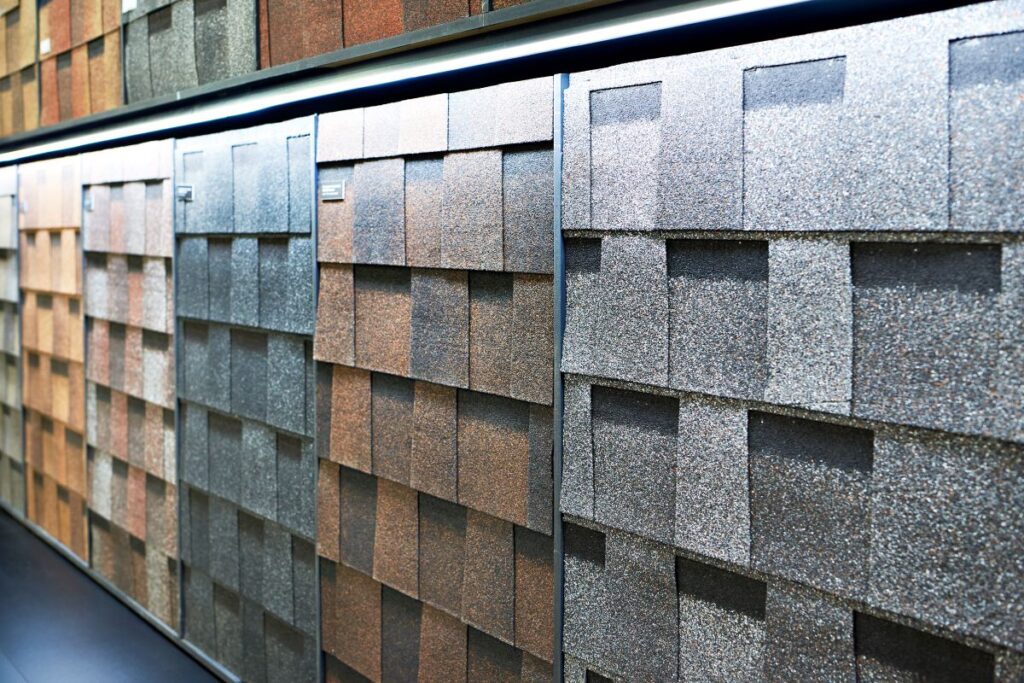
For homeowners still weighing whether the upgrade is justified, a direct comparison of the two categories makes the differences concrete. The table below captures the key performance and financial variables that matter most for a home in Apex.
| Category | Standard Architectural Shingles | Class 4 Impact-Resistant Shingles |
| Hail Resistance Rating | None to Class 1-2 | Class 4 (UL 2218) |
| Wind Resistance | 60 to 110 mph typical | 110 to 130+ mph typical |
| Expected Lifespan in NC Climate | 20 to 25 years | 25 to 30+ years |
| Insurance Premium Discount | None | Up to 20 to 30% with qualifying carriers |
| Granule Loss After Impact | Moderate to High | Low |
| Upfront Material Cost | Baseline | 10 to 20% higher than standard |
| Repair Frequency | Moderate | Low |
| Aesthetic Options | Wide range | Wide range |
What the Cost Difference Actually Looks Like
The upfront price gap between standard and impact-resistant shingles tends to narrow significantly when insurance savings, reduced repair frequency, and extended lifespan are factored into the comparison. On a typical Apex home, the material cost premium for upgrading to Class 4 shingles might add a few hundred to a few thousand dollars to the total project cost depending on square footage. Spread across the insurance discounts earned over even five to seven years, that premium often pays for itself before the roof reaches the midpoint of its expected service life.
Questions to Ask Your Contractor Before Choosing
Selecting the right impact-resistant product is easier with a contractor who can provide specific guidance rather than a generic recommendation. Before committing, ask:
- Which Class 4 products does the contractor have experience installing in this market?
- Does the contractor hold manufacturer certifications that support a full system warranty?
- Can they provide documentation confirming the UL 2218 Class 4 rating for the specific product being quoted?
- Are they familiar with the insurance discount process and can they assist with documentation?
A contractor who answers these questions confidently and specifically is one who understands the full value proposition of what they are installing.
Protect Your Apex Home With the Right Roofing Choice
The answer to whether impact-resistant shingles are worth it for Apex homes is straightforward when you look at the full picture. The local storm environment, the available insurance benefits, the extended lifespan, and the reduced maintenance burden all point in the same direction. This is a market where building a more resilient roof is not a luxury upgrade; it is a practical decision grounded in the real conditions Apex homeowners face every storm season.
Barkley-Jensen Roofing works with Apex homeowners every day to navigate product selection, maximize warranty protection, and ensure that every installation is done to the standard that the investment deserves. If you are ready to explore your options or want an expert assessment of whether your current roof is ready for the next storm season, contact us today to get started with Barkley-Jensen Roofing.