




 Get Started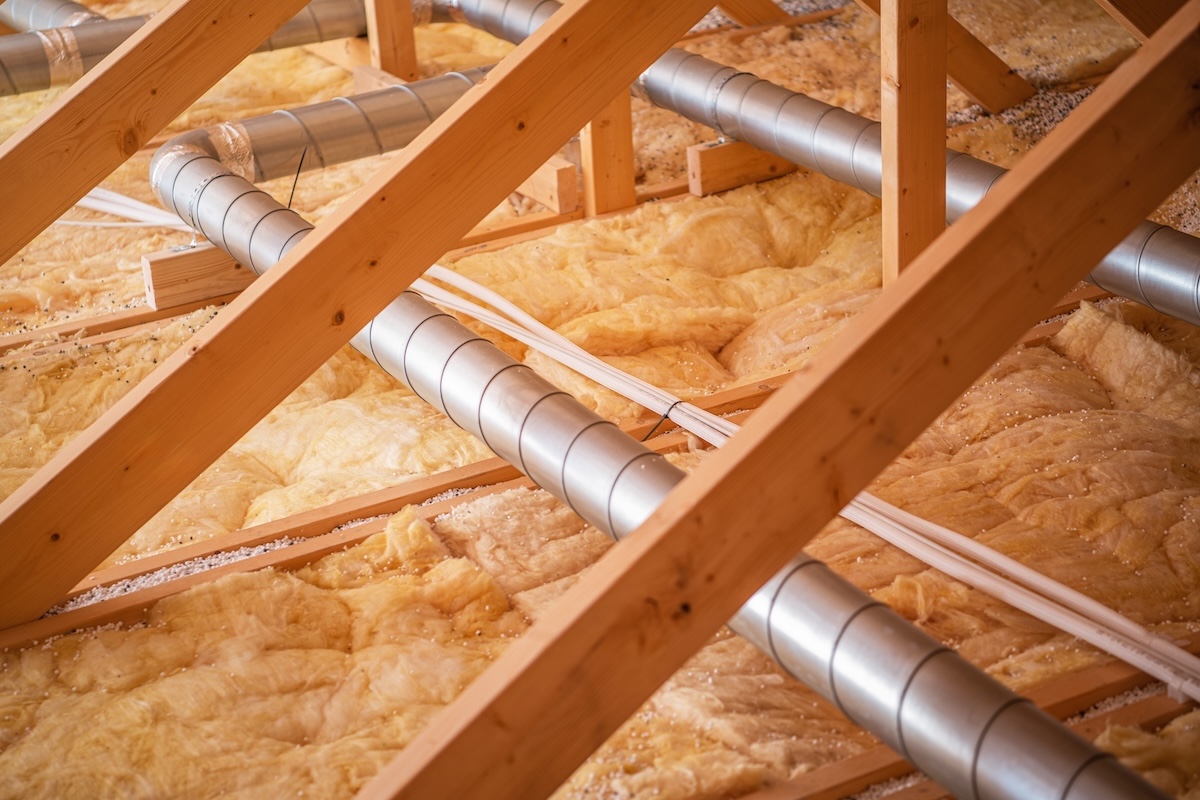
9 Reasons Attic Insulation Is Important for Your Roof System
01.01.2026
7 Min Read
When it comes to protecting your home, roofing materials are only one part of the equation. A hidden but critical component in every roof system is attic insulation. It plays a major role in regulating indoor temperatures, preventing moisture buildup, and helping your roof last longer. If you live in Mebane and surrounding areas, where seasons bring both heat and humidity, a well-insulated attic can make all the difference. Whether you’re building new or upgrading an existing structure, choosing the right insulation method can maximize your energy savings and protect your investment.
Here’s what you’ll learn in this guide:
- How attic insulation directly affects your roof’s performance and lifespan
- The top reasons to upgrade or inspect insulation regularly
- Signs your current insulation may be underperforming
- Smart ways to maximize energy efficiency through insulation
Why Attic Insulation Impacts More Than Just Comfort
Insulation is often thought of as a way to keep warm air inside during winter. But in reality, it’s a crucial part of your home’s envelope—and one of the most overlooked factors in roof health.
- Energy Efficiency: Proper insulation reduces the need for heating and cooling, lowering monthly utility bills.
- Roof Longevity: Insulation helps prevent temperature extremes in your attic that can age shingles prematurely.
- Moisture Control: It reduces condensation, which lowers the risk of mold, mildew, and wood rot in the attic structure.
- Ice Dam Prevention: In winter, good insulation keeps heat from escaping through the roof, minimizing snow melt and refreeze issues.
- Climate Comfort: Rooms stay cooler in summer and warmer in winter, improving year-round indoor comfort.
9 Reasons Attic Insulation Matters for Your Roof System
If your attic is under-insulated or unevenly insulated, it can create hidden problems that lead to roof damage over time. Here’s why it matters.
1. Prevents Roof Deck Deterioration
Inconsistent insulation causes hot and cold spots, which leads to condensation beneath the roof deck. Over time, this moisture can cause the plywood to warp, rot, or delaminate.
- Damage may go unnoticed until leaks appear
- Repairs can be costly if caught late
- Weak decking compromises the structural integrity of the entire roof
2. Reduces Energy Bills
Heating and cooling systems work harder when insulation is lacking. That extra strain drives up your monthly costs.
- Homeowners in Mebane and surrounding areas can see 10–20% savings annually
- Helps HVAC systems last longer by reducing cycle frequency
- Averages a return on investment in under five years
3. Keeps Roof Ventilation Working Properly
Insulation and ventilation go hand-in-hand. When insulation is installed correctly, it prevents blockages in the soffits and ridge vents that allow air to circulate.
- Proper airflow prevents heat and moisture buildup
- Protects both shingles and framing
- Reduces attic air pressure that can push moisture into drywall
4. Prevents Ice Dams and Freeze Damage
In colder climates or during unexpected freezes, escaping heat can melt snow unevenly. The melted water refreezes at the eaves, creating damaging ice dams.
- Can lead to water intrusion under shingles
- Insulation paired with air sealing helps avoid this issue
- Extends roof life in seasonal climates
5. Supports Indoor Air Quality
Moisture in the attic can lead to mold and mildew growth, especially if the insulation gets wet or is poorly installed.
- Mold spores can spread into living areas
- Proper attic conditions reduce allergens and pollutants
- Dry attics discourage pests and rodents
6. Protects Shingle Life Span
Hot attic temperatures can bake shingles from underneath, causing them to curl, crack, or fail earlier than expected.
- Adds years to the life of your roof surface
- Essential for preserving manufacturer warranties
- Keeps your roof looking better, longer
7. Helps Prevent Structural Damage
Moisture-related issues in the attic can weaken roof trusses, rafters, and sheathing. Insulation helps create a dry, stable environment for these elements.
- Early signs include sagging rooflines or ceiling stains
- Prevents the need for premature structural repairs
- Protects your attic investment
8. Makes Your Home More Comfortable
Attics that are poorly insulated allow extreme temperatures to leak into living spaces, creating cold drafts in winter or overheated rooms in summer.
- Helps stabilize indoor temperatures across all floors
- Reduces hot or cold “zones” in the home
- Cuts down on HVAC noise from excessive operation
9. Improves Home Resale Value
Today’s buyers are increasingly energy-conscious. A well-insulated attic signals a well-maintained home and may increase buyer interest or offer strength.
- Can be featured as an upgrade in listings
- Adds long-term value through lower energy use
- Passes inspection more easily with fewer concerns
What Types of Attic Insulation Work Best?
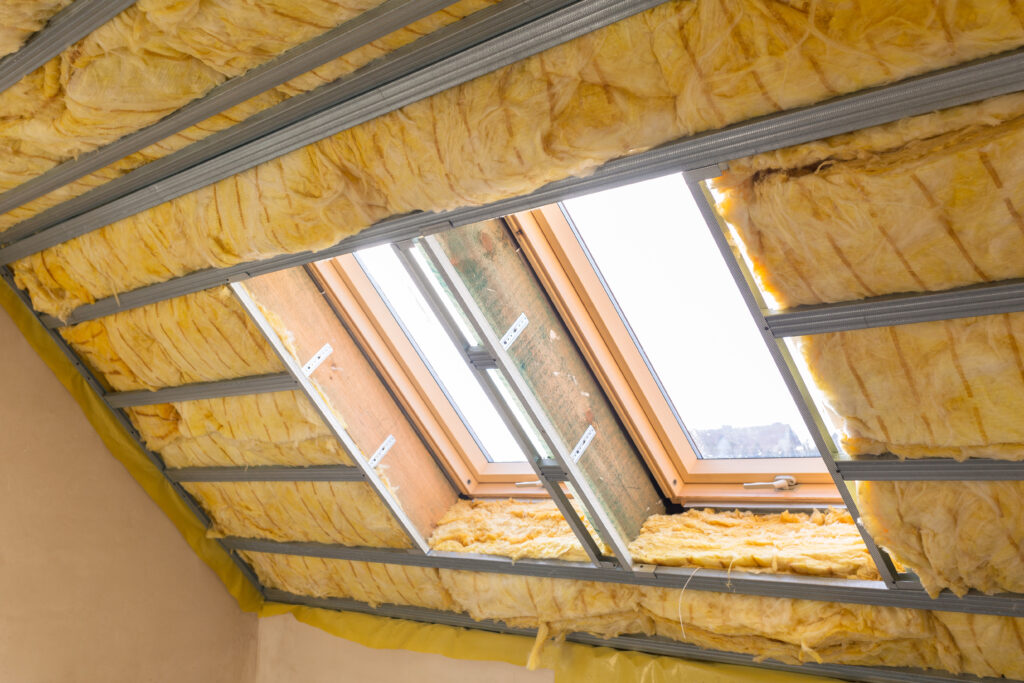
Different insulation materials offer unique advantages depending on your goals and budget. Here’s how the most common types compare.
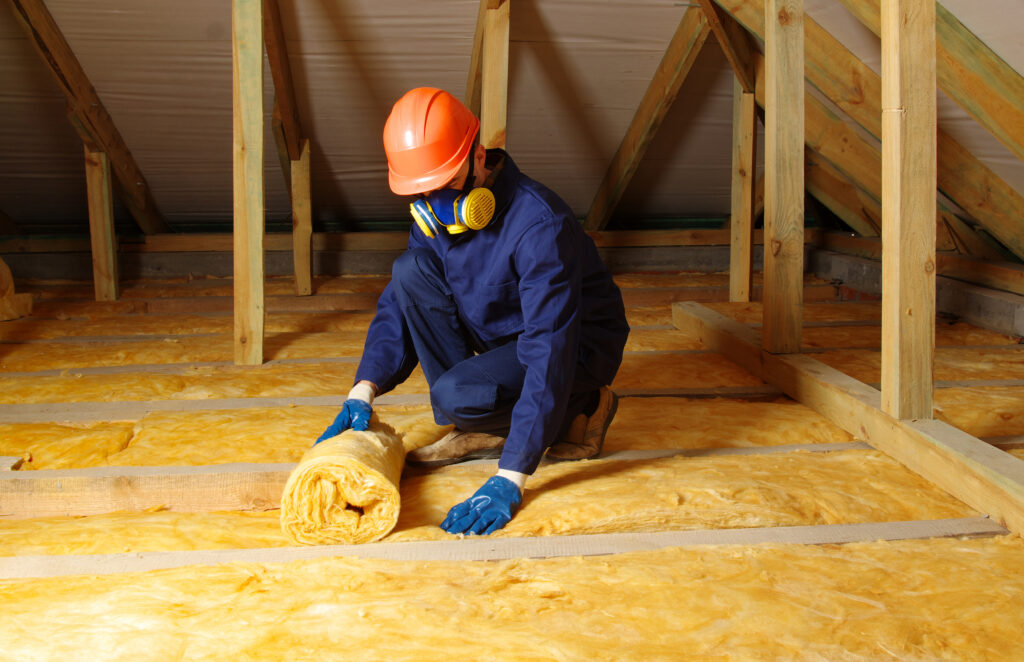
Fiberglass Batt Insulation
- Pre-cut rolls that fit between attic joists
- Affordable and widely available
- Best for unfinished attics with accessible cavities
- May require a vapor barrier in humid climates
Blown-In Cellulose Insulation
- Made from recycled paper treated with fire retardants
- Good for filling gaps and covering uneven spaces
- Great for retrofits in irregular attic layouts
- Higher R-value per inch than fiberglass batts
Spray Foam Insulation
- Expands to fill cracks and seal air leaks
- Provides high R-value and air sealing in one step
- Ideal for sealing complex areas or encapsulated attics
- More expensive upfront, but great for long-term efficiency
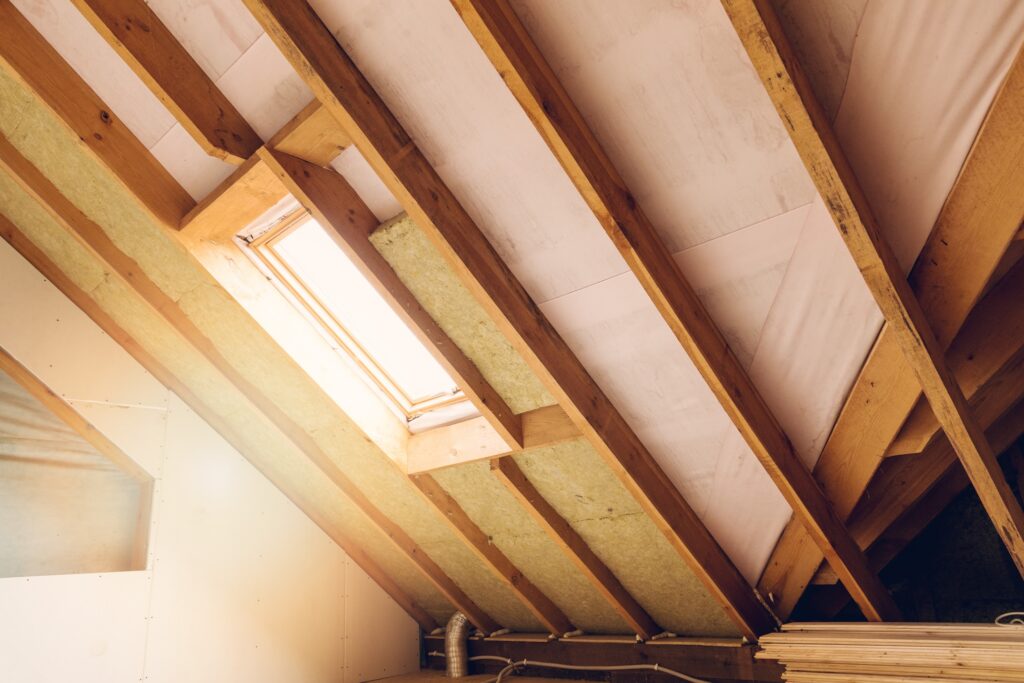
Mineral Wool (Rock Wool)
- Fire-resistant and moisture-resistant
- Offers soundproofing along with insulation
- Used in attics with wiring or pipe obstructions
- Denser than fiberglass and slightly more costly
Signs Your Attic Insulation Needs Help
Not sure if your current insulation is up to par? These warning signs may indicate it’s time to inspect or upgrade.
- Temperature Swings: Rooms that are too hot in summer or cold in winter
- High Energy Bills: Unexplained increases despite regular usage
- Drafts or Uneven Heating: Cold spots in certain rooms
- Ice Dams or Condensation: Visible signs of freeze/thaw cycles or water inside the attic
- Pest Issues: Rodents or insects nesting in deteriorated insulation
- Flattened or Discolored Insulation: Indicates moisture damage or age-related breakdown
Even if your insulation looks intact, it may not meet current R-value standards. An attic energy audit can reveal hidden deficiencies.
How Attic Insulation Works with Roofing and Ventilation
Attic insulation is only one piece of a balanced roof system. To work effectively, it must coordinate with your roof’s structure and its ventilation setup.
- Intake Vents (Soffits): Pull in cool air from outside to regulate attic temperature
- Exhaust Vents (Ridge or Box): Allow warm air to escape, preventing heat buildup
- Air Sealing: Reduces drafts and energy loss through ceiling penetrations
- Radiant Barriers: Optional layers that reflect radiant heat away from the attic
- Proper Insulation Depth: Helps maintain a thermal boundary across the attic floor
This system works best when all components are properly sized and installed. Poorly balanced ventilation and insulation often cause more problems than they solve.
Should You Upgrade Attic Insulation During a Roof Replacement?
If you’re already planning a roof replacement, it’s the ideal time to assess your attic insulation. In fact, many homeowners in Mebane and surrounding areas combine these services for a more efficient project.
Benefits of Bundling the Work
- Access to attic spaces during roofing makes insulation upgrades easier
- Helps your new roof last longer by preventing premature damage
- Reduces total labor costs by minimizing repeat visits
- Allows contractors to inspect roof decking and correct insulation gaps
- Streamlines scheduling for less disruption to your household
Questions to Ask Your Contractor
- Will your team inspect current insulation levels?
- Do you offer attic air sealing or ventilation balancing?
- Can I upgrade to higher R-value materials during the re-roof?
- Will new insulation meet local energy codes and standards?
A trusted roofing team will help you align all these components for the best possible long-term results.
Want to Protect Your Roof from the Inside Out?
Attic insulation isn’t just about temperature—it’s a critical part of your roof’s health, comfort, and efficiency. Whether you’re noticing uneven indoor temps or planning a roofing project, upgrading your insulation is one of the smartest investments you can make. If you’re in Mebane and surrounding areas and want expert guidance on how insulation fits into your overall roof system, contact us today to schedule an attic evaluation with Barkley-Jensen Roofing.