




 Get Started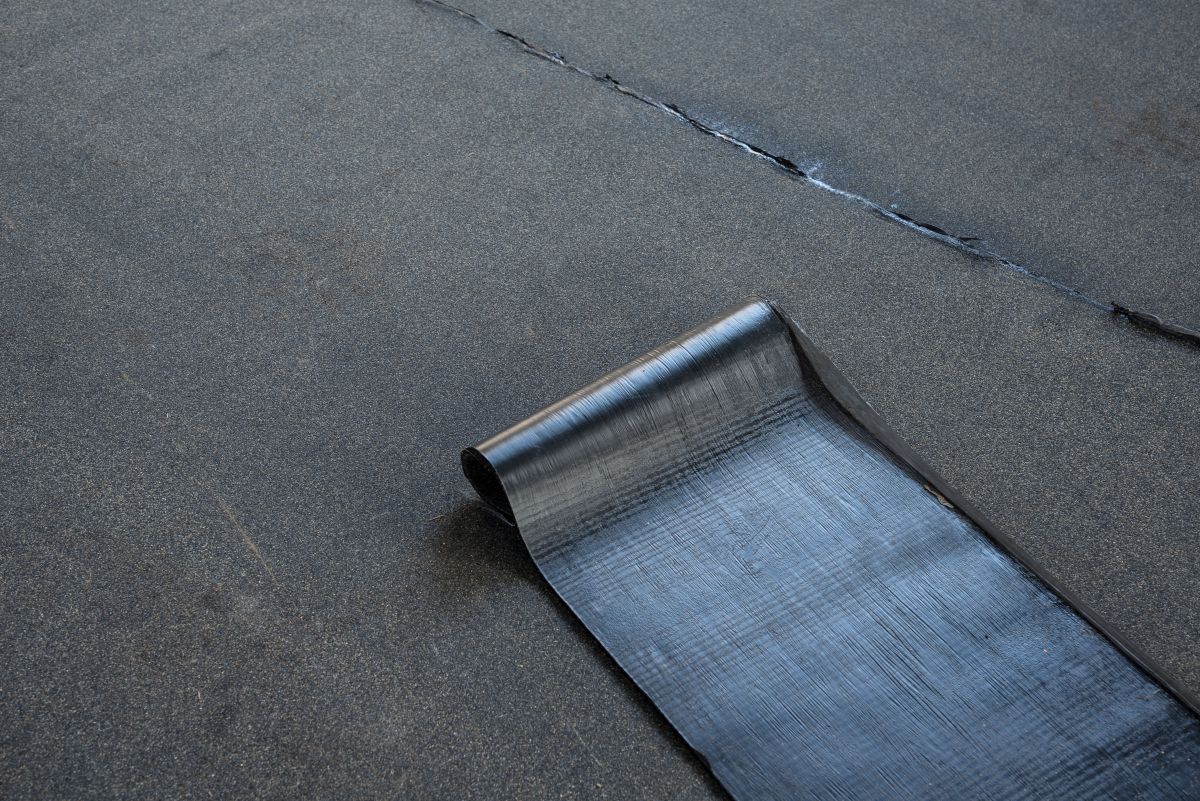
Commercial Roof Coating: How It Works & When It Makes Sense
03.12.2026
7 Min Read
Investing in commercial roof coating is one of the most effective ways to protect your building without committing to a full roof replacement. When applied correctly, coatings can restore performance, improve efficiency, and prevent costly damage. Many property owners begin exploring this option while reviewing solutions with experienced commercial roofing professionals to better understand what works best for their building and long-term goals.
In this guide, you will learn:
- How commercial roof coatings function and protect your building
- The key situations where coatings make the most sense
- Step-by-step insight into the coating process
- Different coating types and how to choose the right one
- Long-term maintenance and value considerations
Why Commercial Roof Coating Is a Strategic Choice for Property Owners
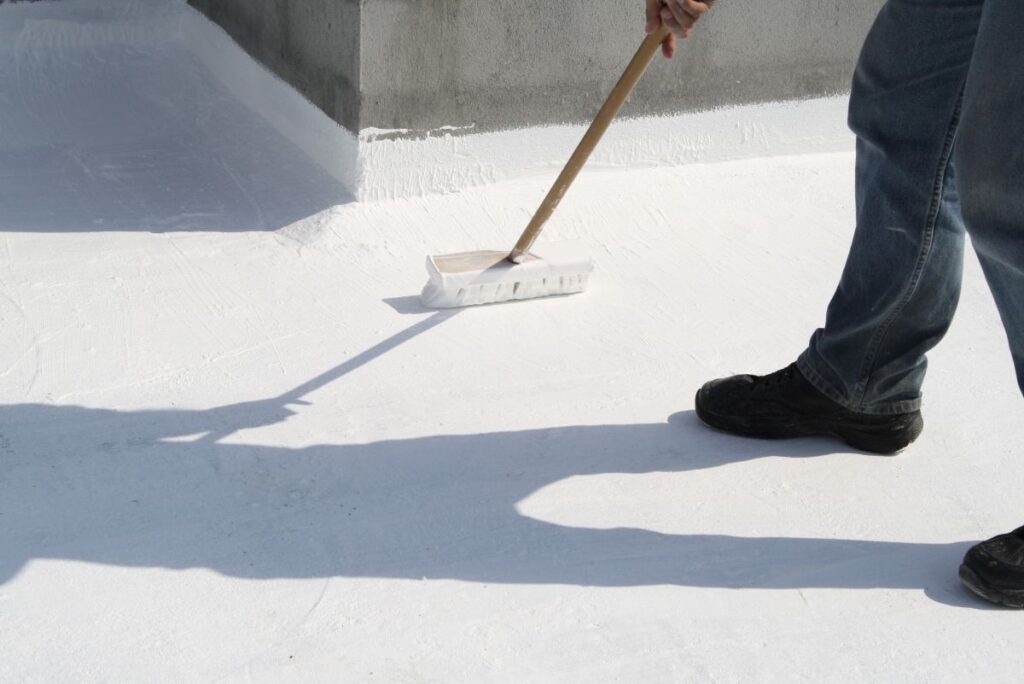
Commercial roofing systems represent a significant investment, and protecting that investment is essential. Roof coatings offer a practical solution for extending lifespan while improving overall performance. Instead of tearing off an existing roof, coatings allow you to reinforce what is already in place.
For business owners in Durham and surrounding areas, this approach can be especially valuable due to seasonal weather changes that place added stress on roofing systems.
Key benefits of commercial roof coating include:
- Cost Savings: Coatings are significantly more affordable than full roof replacements, making them ideal for budget-conscious property owners.
- Extended Roof Life: A coating system can add years or even decades to the life of your existing roof.
- Energy Efficiency: Reflective coatings help reduce heat absorption, lowering cooling costs during warmer months.
- Leak Prevention: Seamless application minimizes entry points for water intrusion.
- Reduced Disruption: Installation is faster and less intrusive compared to full replacement projects.
By addressing issues early, coatings help prevent small problems from turning into major structural concerns.
8 Key Steps in the Commercial Roof Coating Process
Understanding how commercial roof coating works helps property owners make informed decisions and set realistic expectations. Each step plays a critical role in ensuring long-term performance.
1. Comprehensive Roof Inspection
The process begins with a detailed inspection of the existing roof. This step determines whether the roof is a good candidate for coating or if more extensive repairs are required.
During inspection, professionals look for:
- Signs of water damage or trapped moisture
- Structural integrity concerns
- Membrane wear or separation
- Existing leaks or weak points
A thorough evaluation ensures that coating is a viable solution.
2. Moisture Detection and Testing
Even if a roof appears intact, hidden moisture can compromise the effectiveness of a coating. Specialized tools are often used to detect water beneath the surface.
Key considerations include:
- Identifying saturated insulation
- Locating hidden leaks
- Determining areas that require removal or repair
Addressing moisture issues beforehand prevents future failure.
3. Cleaning and Surface Preparation
Proper preparation is essential for adhesion and durability. The roof surface must be completely clean and free of contaminants.
Preparation typically involves:
- Removing dirt, debris, and oils
- Power washing the surface
- Clearing drainage systems
- Ensuring a dry surface before application
Skipping this step can lead to poor performance and early deterioration.
4. Repairing Damaged Areas
Before applying the coating, all existing damage must be addressed. Coatings are not designed to fix major structural issues.
Common repairs include:
- Sealing cracks and seams
- Reinforcing flashing and penetrations
- Replacing damaged materials
- Correcting drainage problems
These repairs create a stable foundation for the coating system.
5. Priming the Roof Surface
In many cases, a primer is applied to improve adhesion between the roof and the coating. This step enhances bonding and ensures long-term performance.
Benefits of priming:
- Stronger adhesion
- Improved durability
- Better coverage consistency
Not all systems require priming, but it is often recommended for optimal results.
6. Application of the Coating System
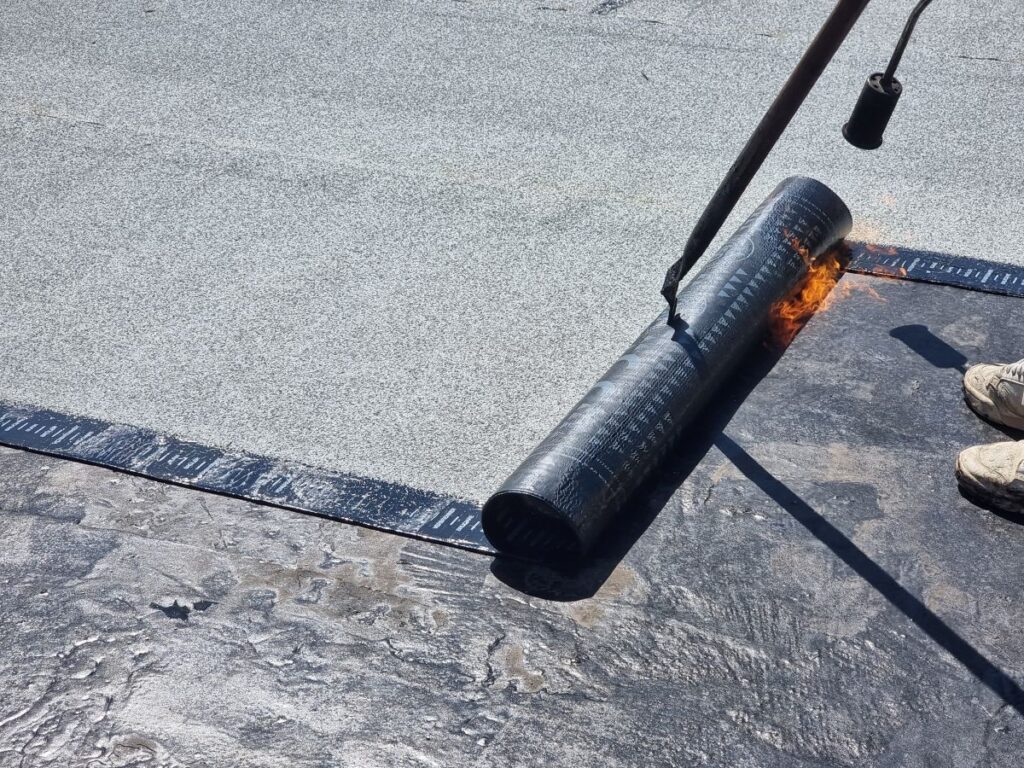
The coating is applied in layers to create a seamless, protective membrane. The method depends on the type of coating and roof design.
Application methods include:
- Spray systems for even coverage
- Roller application for controlled thickness
- Multiple layers for added strength
Each layer contributes to waterproofing and UV protection.
7. Curing and Quality Assurance
After application, the coating must cure properly. Environmental conditions such as temperature and humidity can influence this process.
Final checks include:
- Verifying even coverage
- Inspecting for missed areas
- Confirming proper thickness
This step ensures the coating performs as intended.
8. Ongoing Maintenance Planning
Once the coating is complete, a maintenance plan is essential to maximize its lifespan. Regular inspections and minor upkeep help preserve performance.
A strong maintenance plan includes:
- Scheduled inspections
- Routine cleaning
- Monitoring for damage after storms
For property owners in Durham and surrounding areas, consistent maintenance is key to protecting against seasonal weather impacts.
Types of Commercial Roof Coatings and When to Use Them
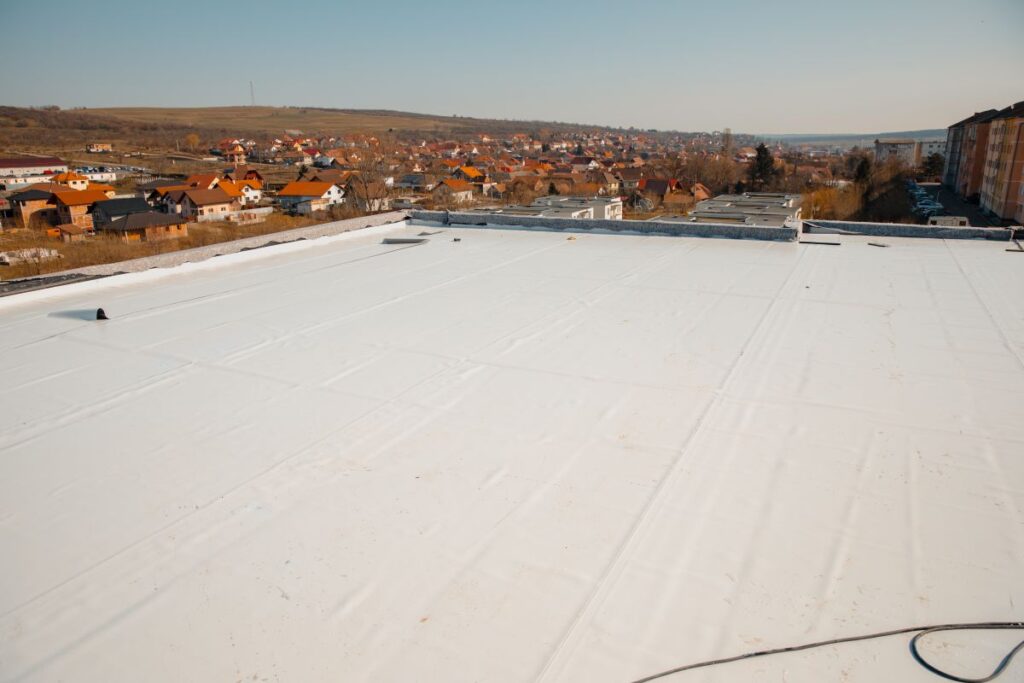
Not all coatings are the same. Each type offers unique benefits depending on the building’s structure, climate, and usage.
Acrylic Coatings
Acrylic coatings are water-based and highly reflective, making them a popular choice for energy efficiency.
- Best for: Buildings focused on reducing cooling costs
- Benefits: UV resistance, affordability, ease of application
They perform well in environments with strong sunlight and moderate rainfall.
Silicone Coatings
Silicone coatings excel in waterproofing and are highly resistant to ponding water.
- Best for: Flat roofs with drainage challenges
- Benefits: Moisture resistance, long lifespan, minimal degradation
They are particularly effective in areas with frequent rain.
Polyurethane Coatings
Polyurethane coatings are known for their strength and durability.
- Best for: Roofs with heavy foot traffic or equipment
- Benefits: Impact resistance, strong adhesion, long-term durability
These coatings are often used in industrial settings.
Asphalt-Based Coatings
Asphalt coatings are compatible with built-up roofing systems and provide reliable protection.
- Best for: Traditional roofing systems
- Benefits: Cost-effective, strong waterproofing
While not as reflective, they remain a practical option for certain applications.
Choosing the Right System
Selecting the right coating depends on:
- Roof material and age
- Local climate conditions
- Budget and performance goals
- Building usage and traffic levels
Working with experienced professionals ensures the best fit for your property.
When Commercial Roof Coating Makes the Most Sense
Not every roof is a candidate for coating, but many buildings can benefit when conditions are right. Understanding when to choose coating over replacement helps property owners make smarter decisions.
Ideal Conditions for Roof Coating
Coating is most effective when the existing roof is still structurally sound.
Situations where coating makes sense:
- Minor to moderate wear and tear
- No significant structural damage
- Limited leaks that can be repaired
- Desire to extend roof life without replacement
In these cases, coatings provide a cost-effective solution.
When Replacement May Be Necessary
There are situations where coating is not enough.
Consider replacement if:
- The roof has extensive water damage
- Structural integrity is compromised
- Insulation is saturated
- The system has reached the end of its lifespan
A professional inspection is essential to determine the right approach.
Comparing Coating vs Replacement
| Factor | Roof Coating | Full Replacement |
| Cost | Lower | Higher |
| Installation Time | Shorter | Longer |
| Disruption | Minimal | Significant |
| Lifespan Impact | Extends existing roof | Brand new system |
| Sustainability | Reduces waste | More material usage |
For many businesses in Durham and surrounding areas, coating offers a practical way to delay major expenses while maintaining performance.
Long-Term Planning Considerations
Roof coating should be part of a broader maintenance strategy.
Important considerations:
- Budget planning for future recoating
- Monitoring roof condition over time
- Scheduling regular inspections
A proactive approach ensures long-term value.
Protect Your Investment With Smart Roofing Decisions
Commercial roof coating is a powerful tool for extending the life of your building, improving efficiency, and reducing long-term costs. By understanding how the process works and when it makes sense, property owners can make informed decisions that protect their investment for years to come.
If you are considering whether coating is right for your building, contact us today to schedule an evaluation. The team at Barkley-Jensen Roofing proudly serves businesses in Durham and surrounding areas with expert guidance and reliable solutions tailored to your needs.