




 Get Started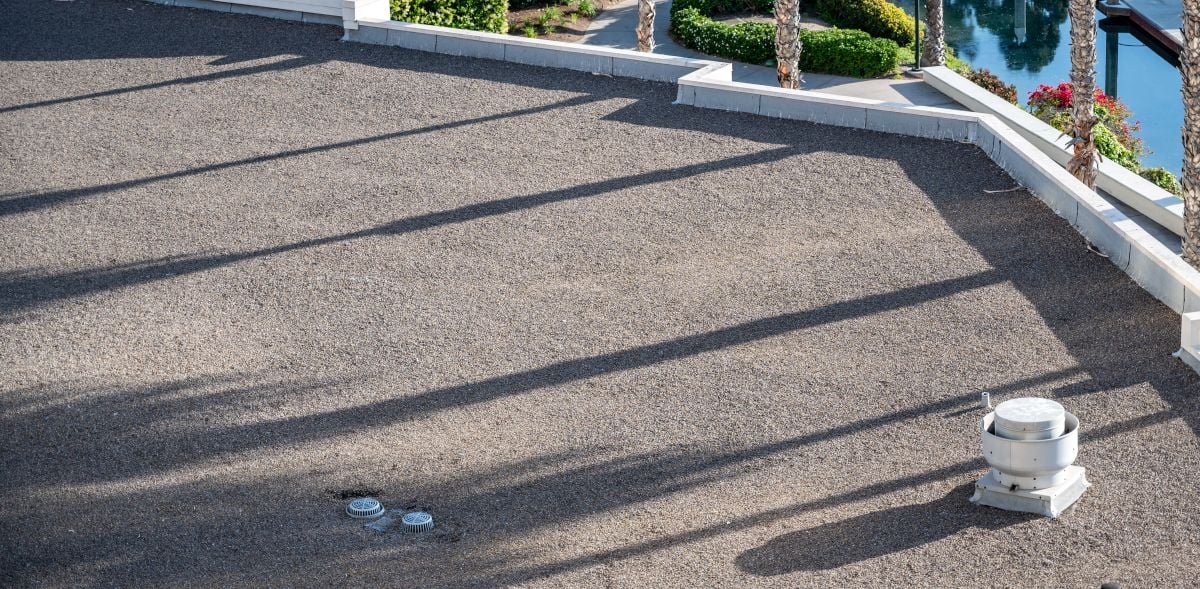
Flat Roof Drainage: 6 Problems That Can Cause Leaks
03.31.2026
6 Min Read
Proper flat roof drainage is one of the most important factors in protecting your home from water damage. Unlike sloped roofs, flat roofs rely entirely on well-designed drainage systems to move water off the surface. When something goes wrong, leaks can develop quickly and cause serious structural issues. Many homeowners begin by learning how their system works and consulting experienced roofing professionals to ensure everything is functioning as it should.
In this guide, you will learn:
- Why flat roof drainage is critical for preventing leaks
- The most common drainage problems homeowners face
- How to identify early warning signs of trouble
- Practical solutions to improve drainage performance
- When professional help is necessary
Why Flat Roof Drainage Is Critical for Preventing Damage
Flat roofs are designed with a slight pitch, but they do not shed water as quickly as traditional roofs. This makes drainage systems essential for directing water away before it has time to accumulate and cause damage.
Homeowners in Knightdale and surrounding areas often experience heavy rainfall and seasonal storms, which can put additional strain on flat roof systems.
Here are the key reasons drainage matters:
- Water Control: Prevents standing water that can lead to leaks and material breakdown.
- Structural Protection: Reduces the weight load caused by pooled water, which can stress the roof deck.
- Leak Prevention: Proper drainage minimizes the risk of water seeping into seams and joints.
- Material Longevity: Helps extend the lifespan of roofing membranes by reducing constant moisture exposure.
- Mold and Mildew Reduction: Limits moisture buildup that can lead to indoor air quality issues.
Without effective drainage, even a well-installed flat roof can develop problems over time.
6 Flat Roof Drainage Problems That Can Cause Leaks
Flat roof drainage systems are reliable when maintained properly, but several common issues can interfere with their performance. Understanding these problems helps homeowners take action before leaks develop.
1. Ponding Water
Ponding water occurs when water remains on the roof for extended periods after rainfall. This is one of the most common and damaging drainage issues.
Why it happens:
- Improper roof slope
- Blocked drains
- Structural settling
How to address it:
- Clear debris from drainage points
- Install tapered insulation to improve slope
- Correct structural issues if needed
Standing water increases the risk of leaks and accelerates material deterioration.
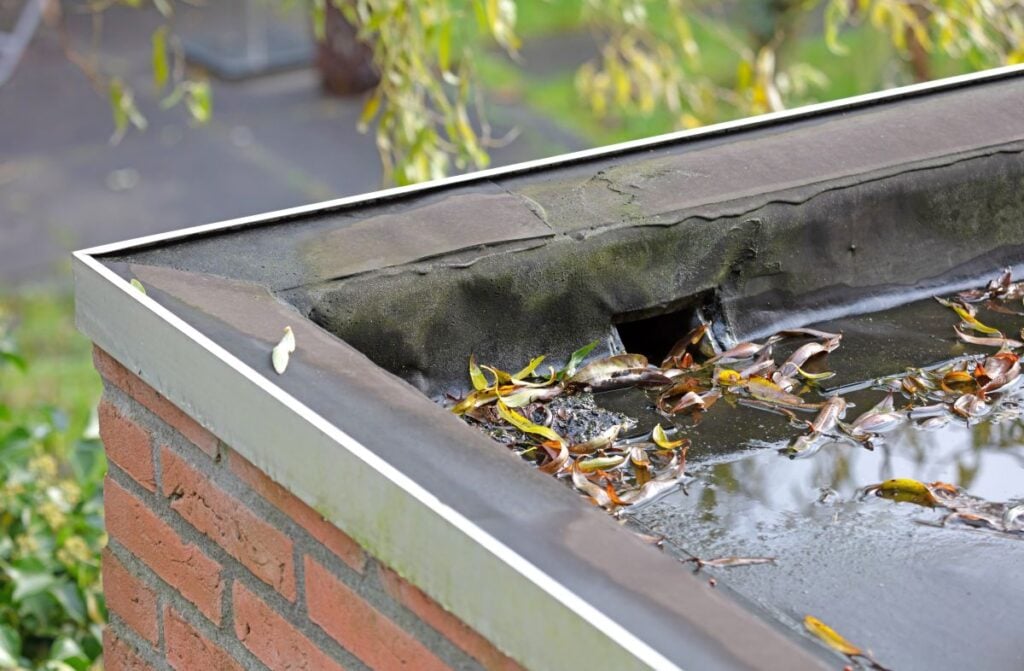
2. Clogged Drains and Scuppers
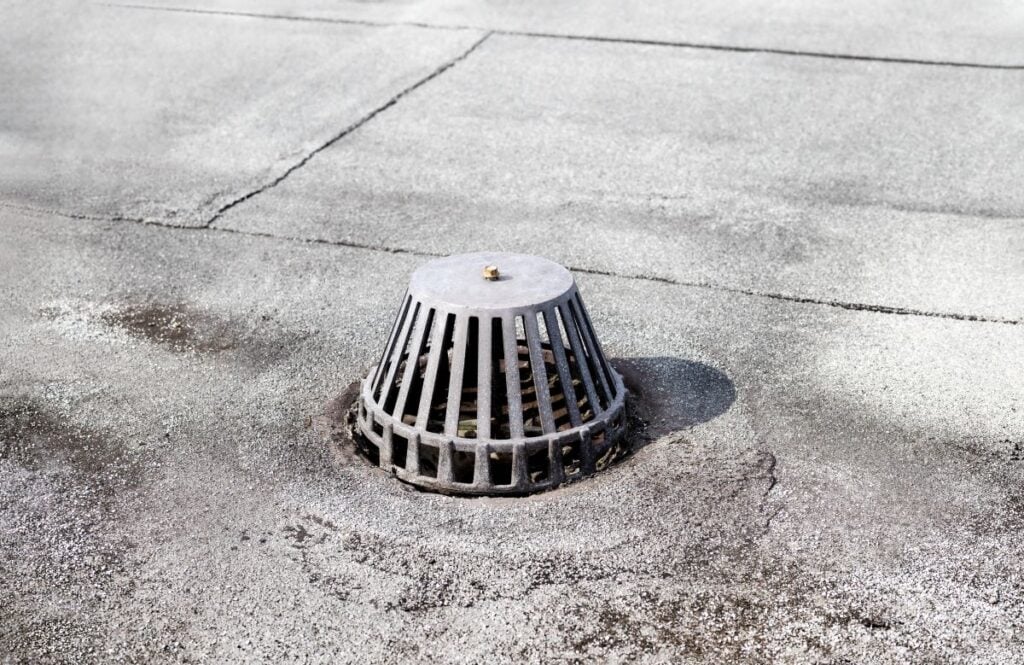
Leaves, dirt, and debris can easily clog drains and scuppers, preventing water from flowing off the roof.
Common causes:
- Nearby trees shedding leaves
- Lack of regular cleaning
- Storm debris accumulation
Solutions include:
- Routine cleaning and maintenance
- Installing drain guards
- Scheduling seasonal inspections
Keeping drains clear is one of the simplest ways to prevent major problems.
3. Improper Roof Slope
Flat roofs are not completely flat. They are designed with a slight slope to guide water toward drainage points.
Problems arise when:
- The slope is uneven
- Low spots develop over time
- Installation was not done correctly
Fixes may involve:
- Adding tapered insulation
- Regrading sections of the roof
- Addressing structural concerns
Proper slope is essential for effective drainage.
4. Damaged or Aging Roofing Membrane
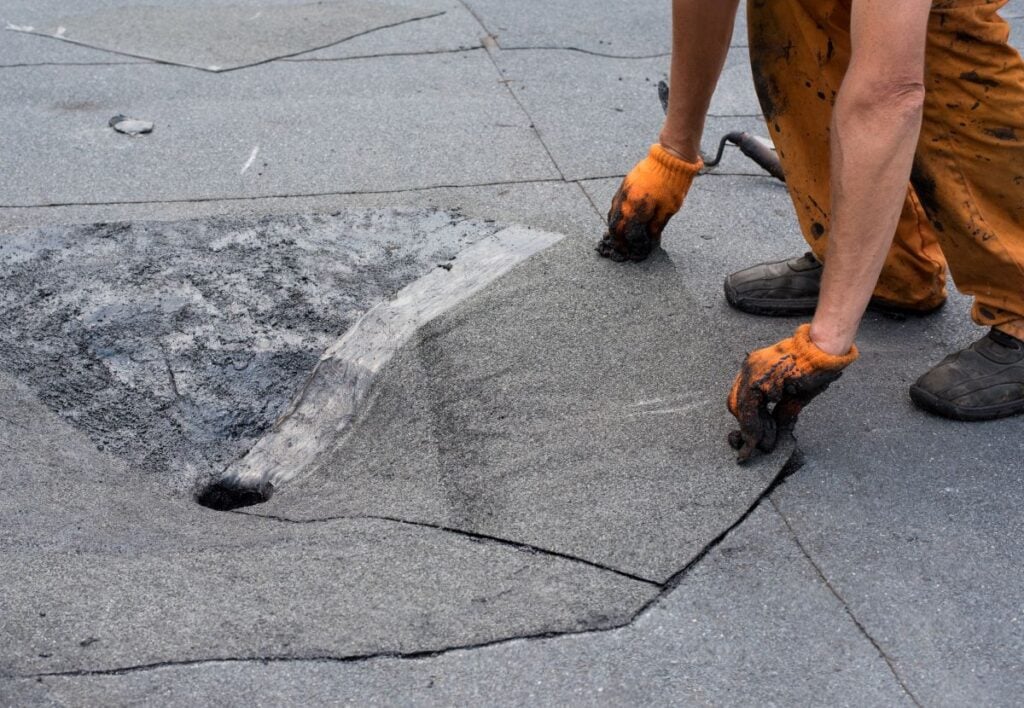
Even with good drainage, an aging or damaged membrane can allow water to seep through.
Signs of damage:
- Cracks or splits
- Blistering or bubbling
- Visible wear
Solutions include:
- Patching damaged areas
- Applying protective coatings
- Replacing sections if necessary
A strong membrane works hand in hand with proper drainage.
5. Gutter and Downspout Issues
Flat roofs often rely on external drainage systems like gutters and downspouts to move water away from the building.
Common issues:
- Sagging gutters
- Loose connections
- Blocked downspouts
Fixes include:
- Securing and aligning gutters
- Clearing blockages
- Ensuring proper water flow away from the foundation
These components are critical for complete drainage.
6. Poor Installation or Design
Sometimes drainage problems stem from the original installation.
Potential issues:
- Insufficient number of drains
- Incorrect placement of drainage points
- Poor material choices
Solutions may involve:
- Adding additional drains
- Redesigning drainage layout
- Consulting professionals for corrections
A well-designed system is key to long-term performance.
Warning Signs Your Flat Roof Drainage Needs Attention
Recognizing early warning signs can help you address drainage issues before they turn into leaks or structural damage.
- Visible Water Accumulation: If water remains on your roof long after rain has stopped, it is a clear indication that drainage is not working properly.
- Interior Water Stains: Water stains on ceilings or walls often signal that drainage issues have already led to leaks.
- Sagging or Uneven Roof Areas: Low spots or sagging sections can trap water and worsen drainage problems over time.
- Mold or Mildew Growth: Excess moisture from poor drainage can create conditions for mold and mildew to develop.
- Overflowing Gutters: If water spills over the sides of your gutters, it may indicate blockages or improper drainage design.
Homeowners in Knightdale and surrounding areas should pay close attention to these signs, especially after heavy storms.
Improving Flat Roof Drainage for Long-Term Protection
Maintaining and improving your drainage system helps prevent leaks and extends the life of your roof.
Routine Maintenance Practices
Regular upkeep is the most effective way to keep drainage systems functioning properly.
Important tasks include:
- Cleaning drains and gutters
- Removing debris from the roof surface
- Checking for blockages after storms
Consistency is key to preventing issues.
Upgrading Drainage Systems
In some cases, upgrades may be necessary to improve performance.
Options include:
- Installing additional drains
- Adding tapered insulation
- Upgrading gutter systems
These improvements can significantly enhance water flow.
Professional Inspections
Professional inspections provide a more thorough evaluation of your roof’s condition.
Benefits include:
- Identifying hidden issues
- Ensuring proper drainage design
- Recommending effective solutions
Expert insight helps prevent costly repairs.
Comparing Drainage Solutions
| Solution | Best Use | Key Benefit |
| Internal Drains | Large flat roofs | Efficient water removal |
| Scuppers | Roof edges | Simple and effective |
| Gutters | Residential systems | Directs water away |
| Tapered Insulation | Slope correction | Improves drainage flow |
Choosing the right solution depends on your roof’s design and needs.
Protect Your Home With Proper Flat Roof Drainage
Flat roof drainage plays a vital role in preventing leaks and protecting your home from long-term damage. By understanding common problems and taking proactive steps, you can keep your roof performing at its best.
If you are noticing drainage issues or want a professional evaluation, contact us today to schedule an inspection. Barkley-Jensen Roofing proudly serves homeowners in Knightdale and surrounding areas with reliable solutions designed to keep your home safe and dry year-round.