




 Get Started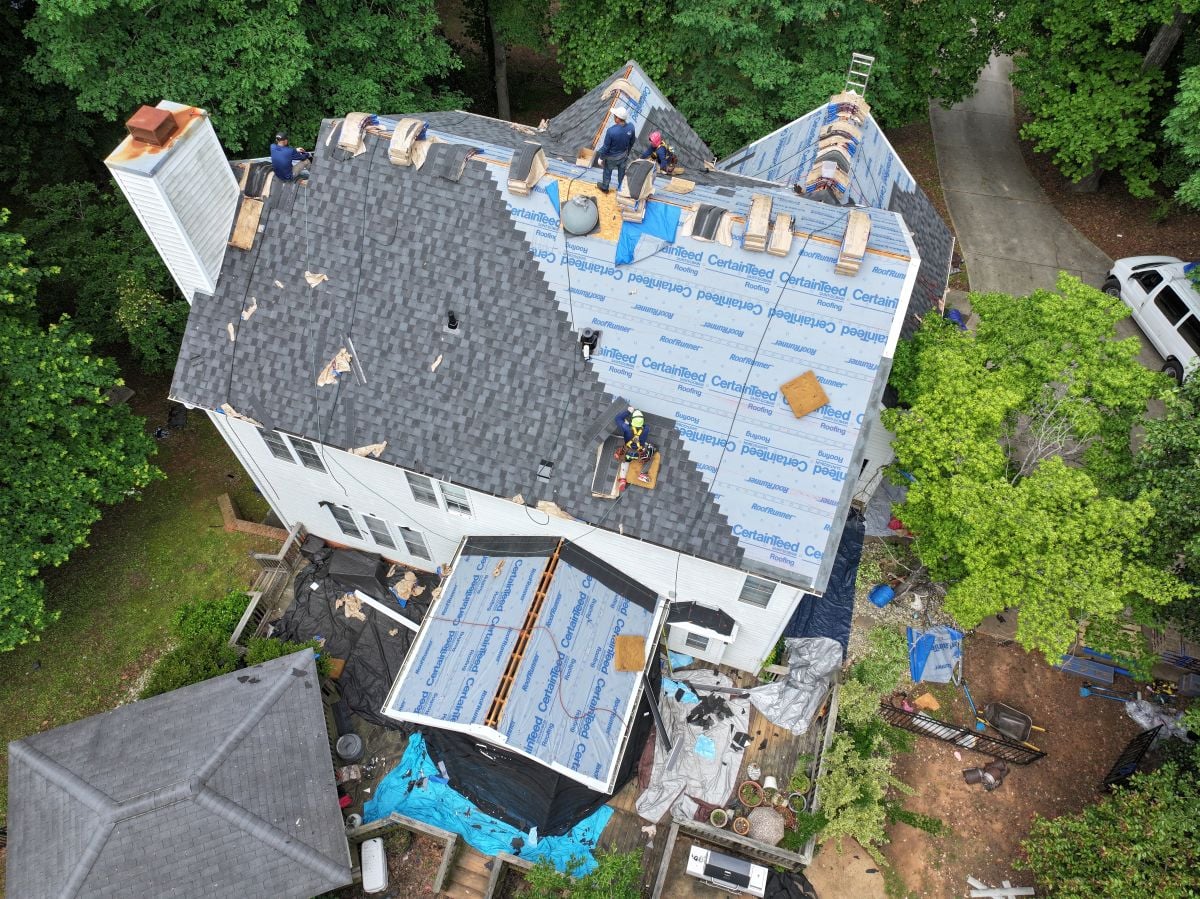
How Often Should a Roof Be Replaced? Signs It’s Time for Replacement
03.26.2026
6 Min Read
Understanding how often should a roof be replaced is one of the most important questions homeowners face when maintaining their property. While roofs are built to last, they do not last forever, and knowing when to act can prevent costly damage. Staying informed helps you protect your home and budget. Many homeowners begin by reviewing options and working with trusted roofing professionals to evaluate their roof’s condition and plan ahead.
In this guide, you will learn:
- How long different roofing materials typically last
- Key warning signs that indicate replacement is needed
- Factors that affect roof lifespan
- How to decide between repair and replacement
- What to expect when planning a roof replacement
Why Knowing When to Replace Your Roof Matters
Your roof is your home’s first line of defense against the elements. Waiting too long to replace it can lead to serious structural issues, while replacing it too early can mean unnecessary expenses. Finding the right timing is essential for protecting both your home and your investment.
Homeowners in Mebane and surrounding areas often deal with seasonal weather changes that can accelerate wear, making it even more important to stay proactive.
Here are the key reasons why timing matters:
- Preventing Interior Damage: A failing roof can allow water to enter your home, leading to mold, stains, and structural issues.
- Protecting Structural Integrity: Delayed replacement can compromise decking, insulation, and support systems.
- Maintaining Energy Efficiency: Older roofs may lose their ability to properly insulate your home.
- Avoiding Emergency Repairs: Proactive replacement reduces the risk of unexpected and costly fixes.
- Preserving Property Value: A well-maintained roof improves curb appeal and resale value.
Knowing when to replace your roof helps you stay ahead of potential problems.
7 Key Signs It’s Time to Replace Your Roof
Even if your roof has not reached the end of its expected lifespan, certain warning signs indicate it may be time for replacement. Paying attention to these signals can help you avoid more serious issues.
1. Your Roof Is Nearing the End of Its Lifespan
Different roofing materials have different lifespans, and age alone can be a strong indicator that replacement is needed.
Typical lifespan ranges:
- Asphalt shingles: 20 to 30 years
- Architectural shingles: 25 to 40 years
- Metal roofing: 40 to 70 years
If your roof is approaching these ranges, it is time to start planning for replacement.
2. Shingles Are Curling, Cracking, or Missing
Damaged shingles are one of the most visible signs that your roof is deteriorating.
Look for:
- Curling edges
- Cracked surfaces
- Missing shingles
These issues reduce your roof’s ability to protect against water intrusion.
3. Granule Loss Is Becoming Noticeable
Granules protect shingles from UV rays and weather exposure. As they wear away, your roof becomes more vulnerable.
Signs include:
- Bald spots on shingles
- Granules collecting in gutters
- Uneven roof coloration
Significant granule loss often signals aging shingles.
4. You Notice Leaks or Water Stains
Leaks are a clear indication that your roof is no longer performing as it should.
Check for:
- Water stains on ceilings or walls
- Damp insulation in the attic
- Dripping during rainstorms
Leaks should always be addressed immediately.
5. Sagging or Structural Issues Are Present
A sagging roof is a serious concern that often indicates structural problems.
Possible causes:
- Water damage
- Rotting decking
- Excess weight from debris or moisture
This issue typically requires prompt professional attention.
6. Moss, Algae, or Mold Growth Is Spreading
While some growth may be cosmetic, excessive buildup can damage roofing materials.
Watch for:
- Thick moss patches
- Dark streaks from algae
- Persistent moisture retention
These conditions can accelerate roof deterioration.
7. Energy Bills Are Increasing
An aging roof can affect your home’s insulation and ventilation, leading to higher energy costs.
Indicators include:
- Increased heating or cooling expenses
- Uneven indoor temperatures
- Reduced comfort levels
A new roof can improve energy efficiency.
Factors That Affect How Long a Roof Lasts
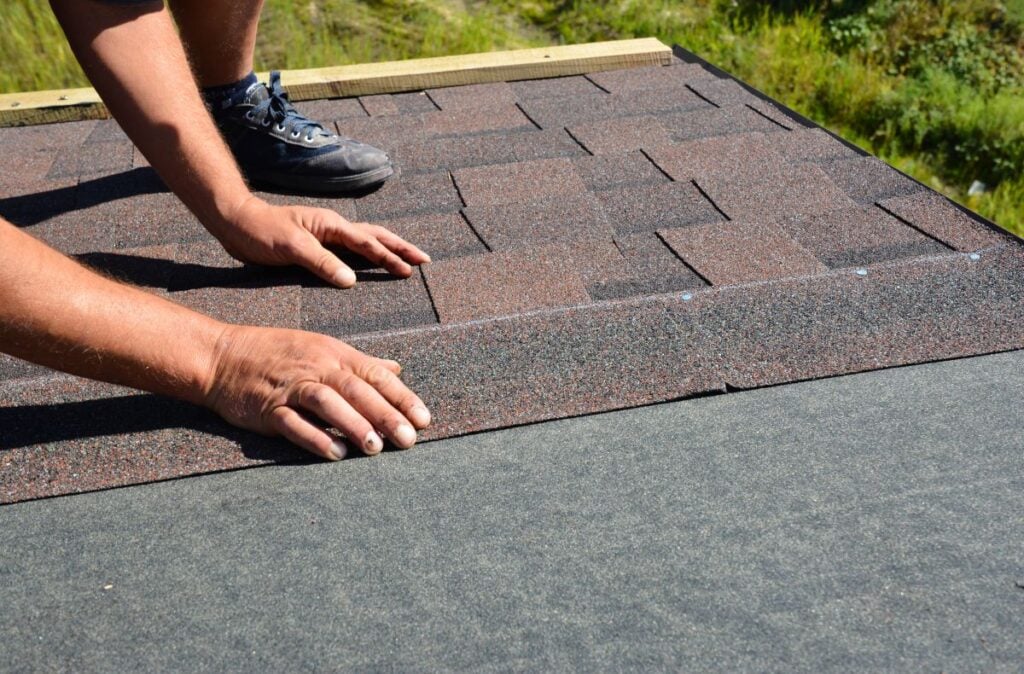
Not all roofs age at the same rate. Several factors influence how long your roof will last and when replacement becomes necessary.
Material Quality
Higher-quality materials generally last longer and perform better under stress.
Examples:
- Premium shingles resist weather damage more effectively
- Metal roofs offer extended durability
- Advanced materials provide better insulation
Choosing quality materials upfront can extend lifespan.
Climate and Weather Conditions
Environmental factors play a major role in roof wear.
In Mebane and surrounding areas, common influences include:
- Heavy rain
- Temperature fluctuations
- Occasional storms
These conditions can accelerate aging.
Installation Quality
Even the best materials can fail if not installed correctly.
Proper installation ensures:
- Secure attachment of materials
- Effective water drainage
- Long-term durability
Working with experienced professionals is essential.
Maintenance Practices
Regular maintenance helps extend the life of your roof.
Important tasks include:
- Cleaning gutters
- Removing debris
- Scheduling inspections
Neglecting maintenance can shorten lifespan significantly.
Repair vs Replacement: Making the Right Decision
Deciding whether to repair or replace your roof depends on several factors, including the extent of damage and the age of the system.
When Repairs Are Enough
In some cases, repairs can address isolated issues without requiring full replacement.
Repairs are suitable when:
- Damage is limited to a small area
- The roof is relatively new
- Structural integrity is intact
This approach can extend the life of your roof.
When Replacement Is the Better Option
Replacement is often the best choice when damage is widespread or the roof is nearing the end of its lifespan.
Consider replacement if:
- Multiple areas are damaged
- Repairs are becoming frequent
- The roof is past its expected lifespan
A full replacement provides long-term peace of mind.
Comparing Repair and Replacement
| Factor | Repair | Replacement |
| Cost | Lower upfront | Higher upfront |
| Lifespan | Short-term fix | Long-term solution |
| Coverage | Limited area | Entire roof |
| Frequency | May be repeated | One-time investment |
| Value | Temporary | Long-lasting |
Understanding these differences helps guide your decision.
Planning Ahead for Replacement
Planning for a roof replacement allows you to avoid last-minute stress and unexpected costs.
Key steps include:
- Budgeting for the project
- Scheduling inspections
- Choosing materials and contractors
A proactive approach makes the process smoother.
Take Control of Your Roof’s Lifespan With the Right Plan
Knowing how often a roof should be replaced and recognizing the signs of wear helps you protect your home and avoid costly damage. By staying proactive and addressing issues early, you can extend the life of your roof and maintain your home’s value.
If you are unsure about your roof’s condition or think it may be time for a replacement, contact us today to schedule an inspection. Barkley-Jensen Roofing proudly serves homeowners in Mebane and surrounding areas with reliable solutions designed to keep your home protected for years to come.