




 Get Started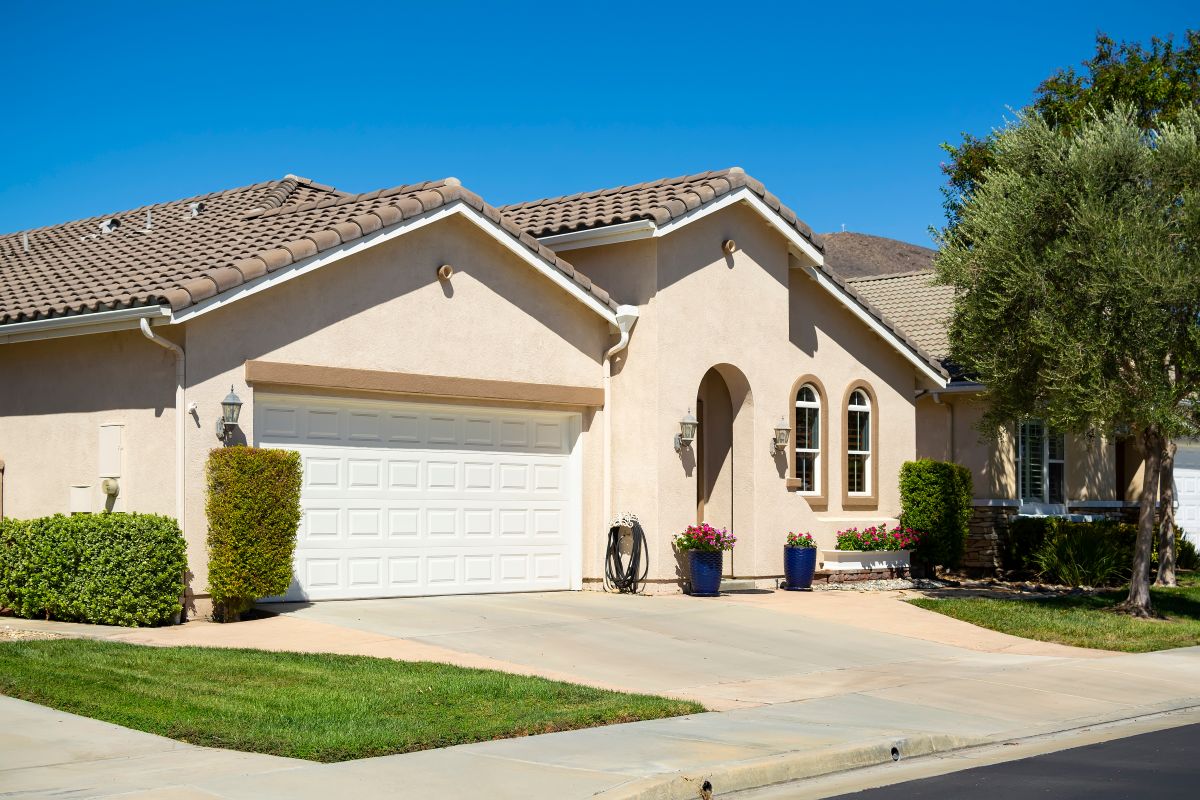
Low Slope Roofs: Common Problems & How to Fix Them
03.17.2026
6 Min Read
A low slope roof offers a sleek, modern design and practical performance, but it also requires careful maintenance to prevent long-term damage. Because water drains more slowly, even minor issues can quickly escalate if left unchecked. Understanding how to care for your roof is essential for protecting your home. Many homeowners begin by learning best practices and consulting experienced roofing professionals to ensure their system stays durable and efficient.
In this guide, you will learn:
- The most common problems that affect low slope roofs
- What causes these issues and how to identify them early
- Practical solutions to fix and prevent damage
- How maintenance differs from traditional roofs
- When professional help is the best option
Why Low Slope Roofing Systems Require a Different Maintenance Approach
Low slope roofs are designed to perform efficiently, but their structure creates unique challenges compared to steeper roofing systems. Because water does not shed as quickly, even small disruptions in drainage or material integrity can lead to bigger problems.
Homeowners in Greensboro and surrounding areas often deal with seasonal rain and debris buildup, which makes routine care even more important.
Here are the key reasons why proactive maintenance matters:
- Water Flow Management: Slower drainage increases the likelihood of standing water, which can lead to leaks and deterioration.
- Increased Exposure: Roofing materials remain exposed to moisture longer, accelerating wear over time.
- Hidden Problem Areas: Issues such as membrane separation or trapped moisture are not always visible without inspection.
- Drainage Dependency: Gutters and drains must function perfectly to prevent pooling and overflow.
- Longevity Protection: Consistent maintenance helps extend the life of the entire roofing system.
Understanding these factors allows homeowners to take a more informed and proactive approach.
6 Common Low Slope Roof Problems and How to Fix Them
Low slope roofs are reliable when maintained properly, but they are more prone to certain issues due to their design. Recognizing these problems early can help you avoid costly repairs and structural damage.
1. Ponding Water
Ponding water occurs when water remains on the roof surface long after rainfall has ended. This is one of the most frequent issues with low slope roofs and can lead to significant damage over time.
How to fix it:
- Clear debris from drains and gutters
- Improve slope with tapered insulation
- Address structural dips or sagging areas
Standing water adds weight and accelerates material breakdown.
2. Membrane Wear and Damage
The roofing membrane is the primary barrier against the elements. Over time, exposure to sunlight, temperature changes, and moisture can cause it to crack or deteriorate.
Signs include:
- Visible cracks or splits
- Bubbling or blistering
- Surface discoloration
Repairs often involve patching affected areas or applying protective coatings to restore durability.
3. Drainage System Issues
Proper drainage is critical for low slope roofs. When gutters, downspouts, or internal drains become clogged or poorly designed, water cannot flow efficiently.
Solutions include:
- Regular cleaning of drainage components
- Installing additional drains if needed
- Ensuring proper slope toward outlets
Maintaining drainage systems helps prevent multiple roofing problems at once.
4. Flashing Failures
Flashing protects vulnerable areas such as seams, edges, and roof penetrations. When flashing deteriorates or becomes loose, water can easily enter the structure.
How to address it:
- Replace damaged flashing materials
- Seal gaps and joints
- Reinforce high-risk areas
Flashing issues are a common source of leaks on low slope roofs.
5. Debris Accumulation
Leaves, dirt, and other debris tend to collect more easily on low slope roofs. This buildup can block drainage and trap moisture.
Preventative steps:
- Schedule routine cleaning
- Remove debris after storms
- Trim nearby trees
Keeping the surface clear improves both drainage and roof longevity.
6. Mold and Algae Growth
Moist conditions create the perfect environment for mold and algae, which can damage roofing materials and affect air quality.
Ways to manage growth:
- Clean affected areas with appropriate solutions
- Improve drainage to reduce moisture retention
- Ensure proper ventilation
Addressing growth early prevents more serious damage later.
Preventative Maintenance Strategies for Long-Term Performance
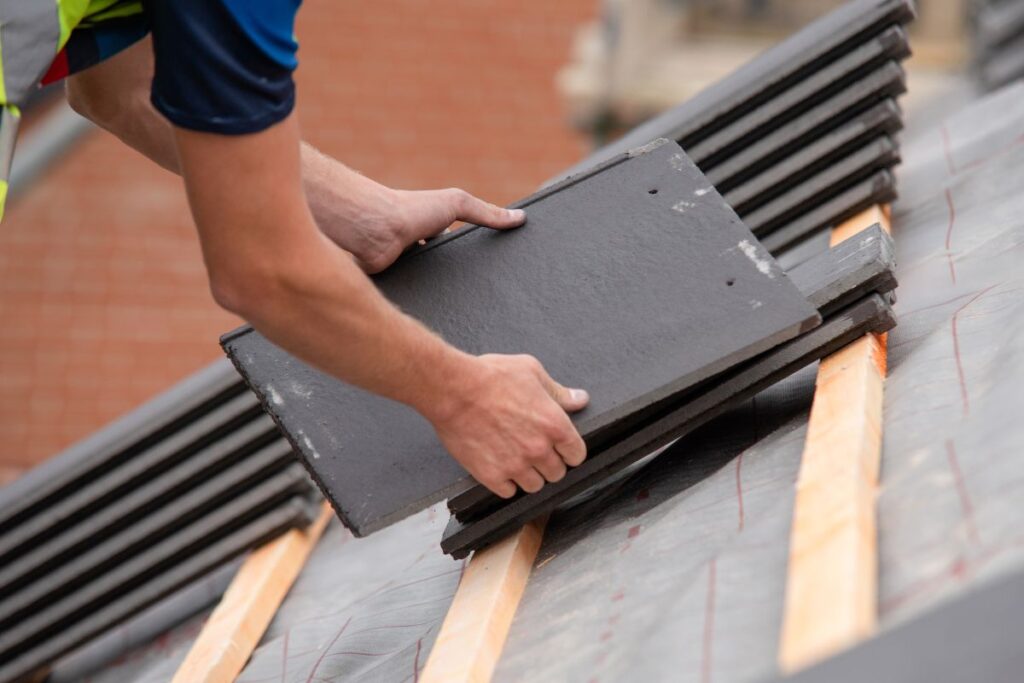
Preventative maintenance is the most effective way to protect a low slope roof. Staying ahead of potential issues reduces the likelihood of major repairs and extends the life of your roofing system.
Routine Inspections
Regular inspections help identify small problems before they escalate. It is recommended to inspect your roof at least twice per year and after severe weather.
Focus on:
- Seams and joints
- Drainage systems
- Flashing and penetrations
Early detection is key to maintaining performance.
Consistent Cleaning Practices
Keeping your roof clean is essential for proper function. Even small amounts of debris can interfere with drainage and lead to water buildup.
Best practices include:
- Removing leaves and dirt regularly
- Checking for blockages in drains
- Ensuring water flows freely off the roof
Homeowners in Greensboro and surrounding areas often benefit from seasonal cleaning due to changing weather conditions.
Prompt Repairs
Addressing minor issues quickly can prevent more extensive damage. Small repairs are easier and more affordable than major fixes.
Examples:
- Sealing cracks or splits
- Repairing loose flashing
- Fixing minor drainage issues
Staying proactive saves time and money in the long run.
Professional Maintenance Support
While some tasks can be handled independently, professional maintenance provides a deeper level of inspection and care.
Benefits include:
- Identifying hidden damage
- Ensuring proper repair techniques
- Extending roof lifespan
Professional support adds an extra layer of protection for your home.
Choosing the Best Materials and Repair Solutions for Low Slope Roofs
Selecting the right materials and repair strategies plays a major role in how well your roof performs over time. Not all roofing systems are equally suited for low slope applications.
Popular Roofing Materials
Different materials offer unique advantages for low slope roofs:
- EPDM Rubber: Flexible and durable, ideal for handling temperature changes
- TPO Roofing: Energy-efficient and resistant to UV exposure
- Modified Bitumen: Strong and reliable for long-term durability
Each option provides specific benefits depending on your home’s needs.
Repair vs Replacement Decisions
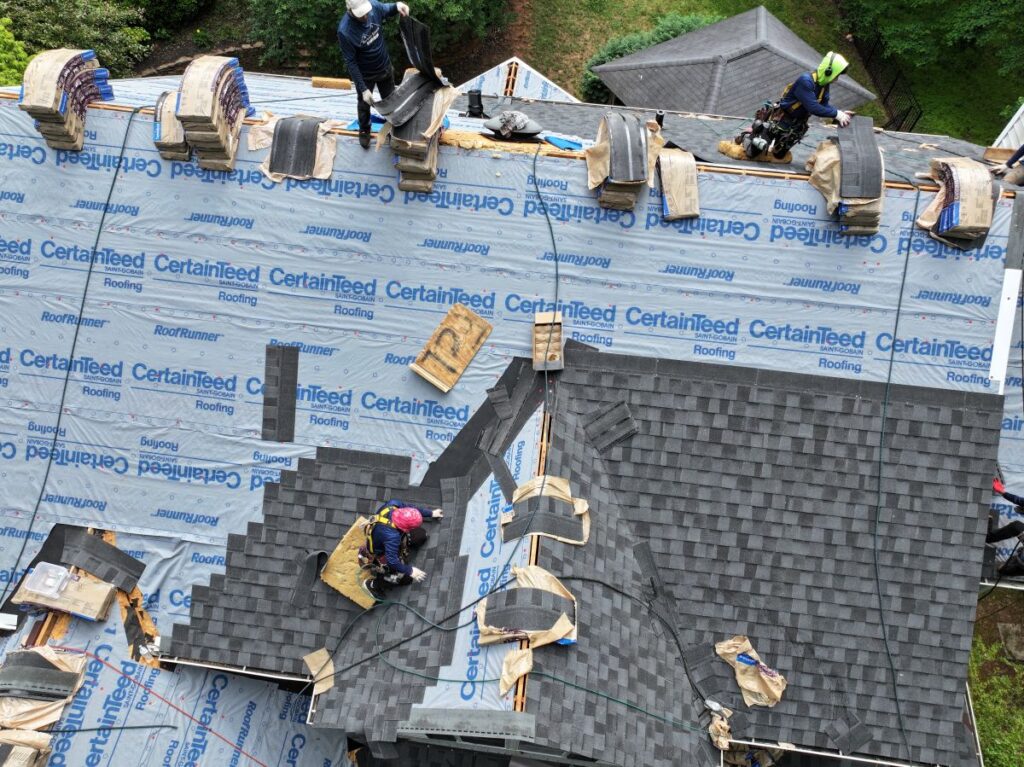
Determining whether to repair or replace your roof depends on the extent of the damage and the age of the system.
| Factor | Repair | Replacement |
| Cost | Lower upfront | Higher upfront |
| Lifespan | Short-term improvement | Long-term solution |
| Damage Level | Minor to moderate | Severe or widespread |
| Disruption | Minimal | More involved |
A professional evaluation helps guide the best decision.
Environmental Considerations
Climate plays a significant role in how low slope roofs perform. Weather patterns, temperature changes, and seasonal debris all impact maintenance needs.
In Greensboro and surrounding areas, varying weather conditions make it important to choose materials that can handle both moisture and temperature fluctuations.
Planning for Long-Term Roof Health
A long-term approach to roof care ensures consistent performance and fewer unexpected issues.
Key strategies include:
- Scheduling regular inspections
- Budgeting for maintenance and repairs
- Monitoring changes in roof condition over time
Planning ahead helps homeowners stay in control of their roofing investment.
Keep Your Low Slope Roof Performing at Its Best
Low slope roofs offer durability and efficiency, but they require consistent care to prevent common problems. By understanding the unique challenges and addressing issues early, homeowners can protect their property and extend the life of their roof.
If you want expert guidance or need help maintaining your roof, contact us today to schedule an inspection. Barkley-Jensen Roofing proudly serves homeowners in Greensboro and surrounding areas with reliable solutions designed to keep your home protected for years to come.