




 Get Started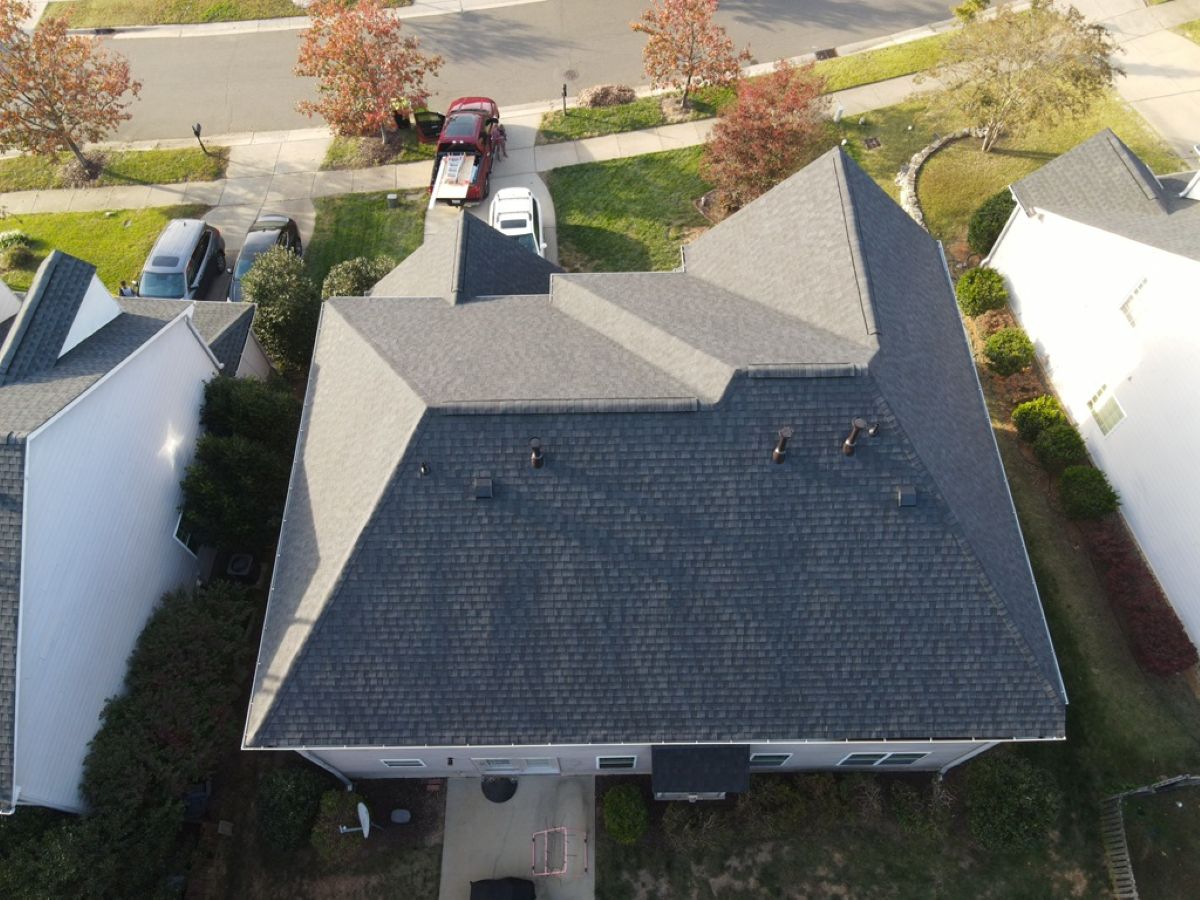
Parts of a Roof: 12 Parts Every Homeowner Should Know About
02.10.2026
9 Min Read
Your roof does far more than sit on top of your home. It protects your structure, your belongings, and your family from the elements year round. Understanding the parts of a roof helps you spot problems early, communicate clearly with contractors, and make confident decisions about repairs or replacements. Whether you are researching maintenance tips or exploring options for your home through a trusted roofing professional, knowing the basics makes a difference.
In this guide, you will learn:
- The essential structural and protective components that make up a roof
- How each part works together as a system
- Warning signs that specific components may be failing
- Practical tips to extend the life of your roofing system
Why Understanding the Parts of a Roof Matters
A roof is not a single layer of shingles. It is a carefully engineered system made up of multiple components that work together to shed water, regulate temperature, and maintain structural integrity. When one part fails, the rest of the system can be affected.
For homeowners in Cary and surrounding areas, seasonal storms, humidity, and temperature shifts place consistent stress on roofing materials. Knowing what makes up your roof can help you stay proactive rather than reactive.
Here are a few reasons this knowledge is so important:
- Early Problem Detection: When you understand the components, you can identify issues like damaged flashing or clogged vents before they cause interior damage.
- Better Communication: You can discuss concerns clearly with your roofing contractor and understand recommendations with confidence.
- Smarter Maintenance Decisions: Knowing which parts require routine inspection helps you prioritize upkeep.
- Cost Control: Catching minor component failures early often prevents larger, more expensive structural repairs.
Your roof is an investment. The more you understand about how it works, the better you can protect that investment.
12 Essential Parts of a Roof Every Homeowner Should Know
Each roofing system contains multiple layers and components. Below are 12 critical parts of a roof and what they do.
1. Roof Decking
Roof decking, also called sheathing, forms the foundation of your roofing system. It is typically made from plywood or oriented strand board and is attached directly to the roof trusses or rafters.
This structural layer supports all other roofing materials.
Key points:
- Provides a stable base for underlayment and shingles
- Helps distribute weight evenly across the roof structure
- Must remain dry and structurally sound to prevent sagging
If moisture penetrates past the outer layers, decking can rot and weaken, leading to costly repairs.
2. Underlayment
Underlayment is a protective layer installed between the roof decking and the outer roofing material. It acts as a secondary water barrier.
There are different types, including felt and synthetic underlayment.
Its primary roles include:
- Adding extra moisture protection
- Providing temporary protection during installation
- Enhancing overall durability of the roofing system
In storm prone areas like Cary and surrounding areas, high quality underlayment is especially important.
3. Ice and Water Shield
Ice and water shield is a specialized waterproof membrane placed in vulnerable areas such as roof valleys, around chimneys, and along eaves.
This self adhering material prevents water infiltration caused by ice dams or wind driven rain.
It is commonly installed:
- Along roof edges
- Around penetrations
- In valleys where water naturally flows
This added layer can significantly reduce the risk of leaks.
4. Shingles or Roofing Material
Shingles are the visible outer layer of your roof. They are often made from asphalt, but can also be metal, tile, slate, or wood.
They serve as the first line of defense against the elements.
Benefits include:
- Shedding rain and snow
- Protecting against UV exposure
- Enhancing curb appeal
Different materials offer different lifespans and performance levels.
5. Flashing
Flashing is typically made of metal and installed around roof penetrations and joints to prevent water from seeping in.
Common flashing locations include:
- Chimneys
- Skylights
- Roof valleys
- Vent pipes
Properly installed flashing is critical for preventing leaks at transition points.
6. Drip Edge
Drip edge is a metal strip installed along the edges of the roof. It directs water away from the fascia and into the gutters.
Without a drip edge:
- Water can seep under shingles
- Wood components may rot
- Gutters may not function efficiently
This small component plays a big role in water management.
7. Fascia
The fascia board runs along the lower edge of the roof and supports the gutter system.
It also provides a finished look to the roofline.
Fascia boards must be:
- Structurally sound
- Properly sealed
- Free from rot or insect damage
Damaged fascia can compromise gutter performance and allow moisture intrusion.
8. Soffit
The soffit is located beneath the roof overhang. It connects the roof edge to the exterior wall.
It often contains ventilation openings that allow air to circulate into the attic.
Proper soffit ventilation helps:
- Regulate attic temperature
- Prevent moisture buildup
- Extend shingle lifespan
Blocked or damaged soffits can disrupt airflow and lead to mold or rot.
9. Roof Vents
Roof ventilation systems allow hot, moist air to escape from the attic.
Common types include ridge vents, box vents, and turbine vents.
Effective ventilation:
- Reduces heat buildup in summer
- Prevents condensation in winter
- Improves energy efficiency
In humid climates, proper ventilation is essential for long term roof health.
10. Ridge Cap
Ridge cap shingles cover the peak of the roof where two slopes meet.
They provide:
- A finished appearance
- Protection for the ridge line
- Additional water resistance
These specialized shingles are designed to flex over the roof’s highest point.
11. Valleys
Roof valleys are the internal angles formed where two roof slopes intersect.
Water naturally flows toward valleys, making them high risk areas for leaks.
They are typically reinforced with:
- Extra underlayment
- Ice and water shield
- Metal valley flashing
Because of their importance, valleys require careful installation and inspection.
12. Gutters and Downspouts
While technically part of the drainage system, gutters and downspouts are closely tied to roof performance.
They channel water away from your home’s foundation.
When functioning properly, they:
- Prevent soil erosion
- Protect siding and fascia
- Reduce basement flooding risks
Clogged or damaged gutters can cause water to back up onto the roof edge.
How These Parts Work Together as a System
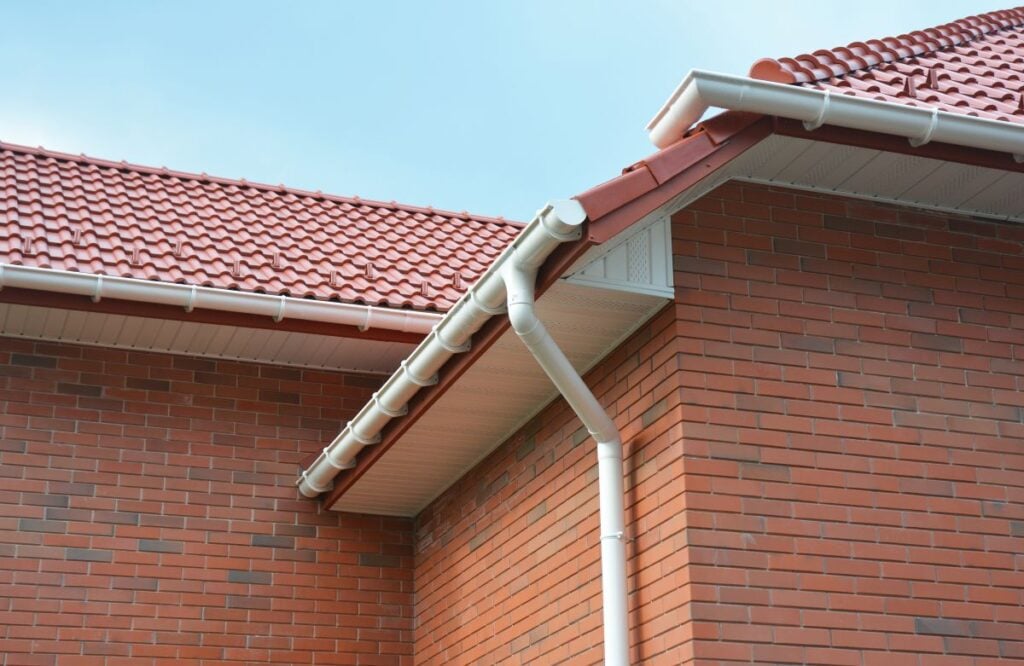
A roof performs best when all components function as a unified system. No single part works in isolation.
For example, shingles shed water, but flashing ensures water does not enter at joints. Underlayment provides backup protection, while ventilation controls temperature and moisture levels beneath the surface.
Structural Support and Protection
The decking and framing create a solid base. Without a strong foundation, even the highest quality shingles will fail prematurely.
Moisture Management
Underlayment, flashing, valleys, drip edge, and gutters all collaborate to move water safely off the roof. Any weakness in this chain can lead to leaks.
Ventilation and Temperature Control
Soffits and roof vents maintain airflow. Proper ventilation reduces energy costs and extends the life of roofing materials by preventing excessive heat and moisture buildup.
When homeowners in Cary and surrounding areas understand how these elements connect, they are better equipped to recognize potential issues early.
Signs That Specific Roof Components May Be Failing
Understanding the parts of a roof also means knowing when something is not performing correctly. Different symptoms often point to different components.
Shingle Problems
Look for:
- Curling or buckling edges
- Missing shingles
- Granule loss in gutters
These signs suggest weathering or aging.
Flashing and Valley Issues
Indicators may include:
- Water stains on ceilings near chimneys
- Visible rust or lifted metal
- Leaks during heavy rain
These areas are especially vulnerable during storms.
Ventilation Concerns
Poor ventilation can cause:
- Excessively hot attic temperatures
- Mold or mildew smells
- Ice dam formation in colder months
Addressing ventilation early can prevent widespread damage.
Decking and Structural Warning Signs
Watch for:
- Sagging rooflines
- Soft spots when walking on the roof
- Interior ceiling dips
These signs may indicate moisture damage to the decking.
Routine inspections are especially important in climates with frequent storms, such as Cary and surrounding areas.
Maintenance Tips to Protect Every Part of Your Roof
Preventive maintenance can extend the lifespan of each roofing component and reduce repair costs.
Regular upkeep keeps small issues from turning into major structural problems.
Schedule Professional Inspections
Have your roof inspected:
- After major storms
- At least once every one to two years
- Before buying or selling a home
Professional assessments help identify hidden issues.
Keep Gutters Clean
Clear debris from gutters and downspouts regularly. This ensures proper water flow and protects fascia and decking from moisture exposure.
Trim Overhanging Branches
Tree limbs can:
- Scrape shingles
- Drop debris into valleys
- Increase moisture retention
Keeping branches trimmed reduces risk.
Monitor Attic Conditions
Check your attic for:
- Signs of leaks
- Proper insulation levels
- Adequate ventilation
A healthy attic supports a healthy roof.
Choosing the Right Roofing Partner
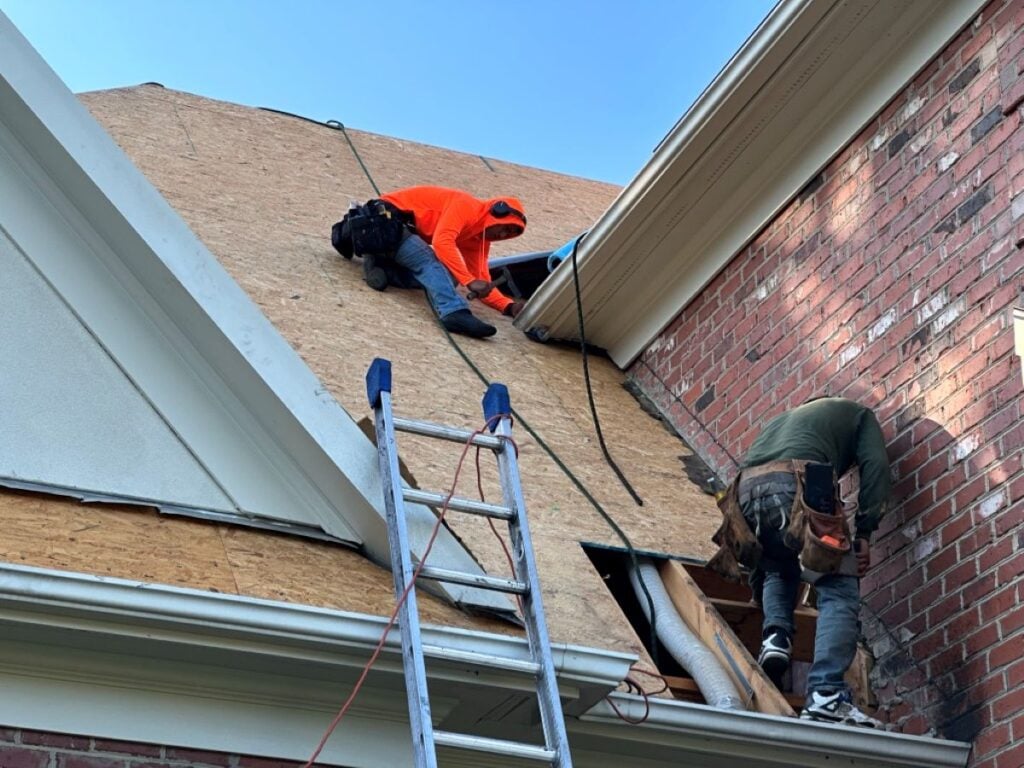
Even with strong homeowner knowledge, roofing work should be handled by experienced professionals. Proper installation is just as important as high quality materials.
When selecting a contractor, look for:
- Proven local experience
- Clear communication
- Detailed inspections and estimates
- Commitment to workmanship standards
A knowledgeable team can evaluate every component, from decking to drainage, ensuring long term performance.
For homeowners in Cary and surrounding areas, working with a trusted local company means understanding the specific weather challenges your roof faces.
Protect Your Home with Confidence
Your roof is a complex system made up of interconnected parts that each serve a vital purpose. From the decking beneath your shingles to the gutters guiding water away, every component plays a role in protecting your home.
By understanding the parts of a roof, you can recognize warning signs, communicate effectively with contractors, and make informed maintenance decisions. Whether you need repairs, inspections, or a full replacement, professional guidance ensures every element functions as it should.
If you have questions about your roof or want a comprehensive inspection, contact us today through our contact page and let Barkley-Jensen Roofing help protect your home with expert care and craftsmanship.