




 Get Started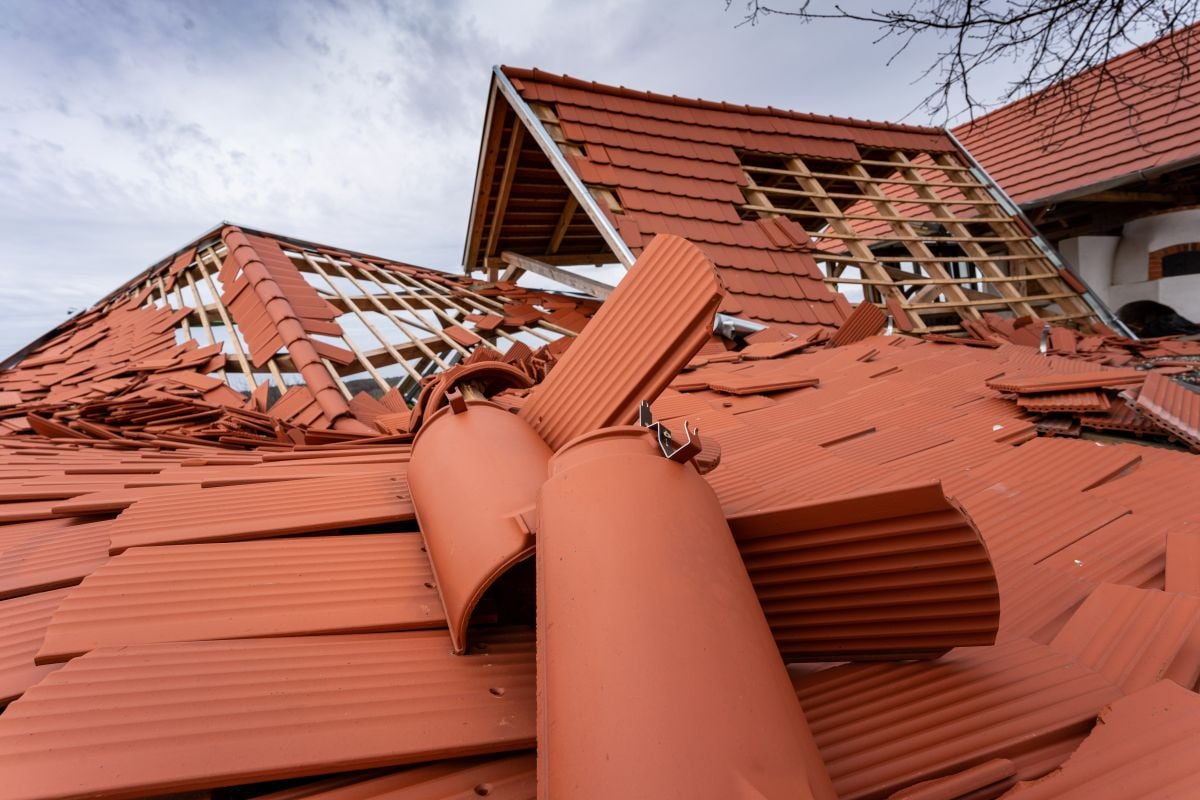
Types of Roof Damage: Common Causes & What Homeowners Should Do
02.12.2026
6 Min Read
Your roof is your home’s first line of defense against the elements, but even a well built system can experience roof damage over time. From severe storms to gradual aging, small issues can quickly turn into expensive repairs if left untreated. Understanding the warning signs and knowing when to seek professional roofing support can make all the difference in protecting your investment and maintaining your home’s comfort.
In this guide, you will learn:
- The most common types of roof damage homeowners face
- What causes roofing problems throughout the year
- Early warning signs to watch for
- What steps to take if your roof has been compromised
Why Roof Damage Should Never Be Ignored
Roof damage is not just a surface level issue. It can affect your home’s structure, energy efficiency, and long term value. What may seem like a minor problem, such as a lifted shingle, can allow water intrusion that spreads into insulation, framing, and interior finishes.
Homeowners in Apex and surrounding areas experience seasonal storms, heavy rainfall, humidity, and fluctuating temperatures. These environmental factors consistently stress roofing systems. Taking roof damage seriously helps prevent minor issues from becoming significant structural concerns.
Here are several important reasons to address roof damage promptly:
- Structural Protection: A compromised roof can lead to rotting wood, weakened decking, and sagging support systems.
- Interior Safety: Leaks may damage ceilings, drywall, flooring, and even electrical components.
- Energy Efficiency: Gaps and damaged materials allow air to escape, increasing heating and cooling costs.
- Mold Prevention: Moisture intrusion creates an environment where mold and mildew can thrive.
- Property Value Protection: A well maintained roof preserves curb appeal and resale value.
Addressing issues early protects both your home and your financial investment.
7 Common Types of Roof Damage and Their Causes
Roof damage comes in many forms. Understanding the most common types helps homeowners recognize potential issues before they worsen.
1. Wind Damage
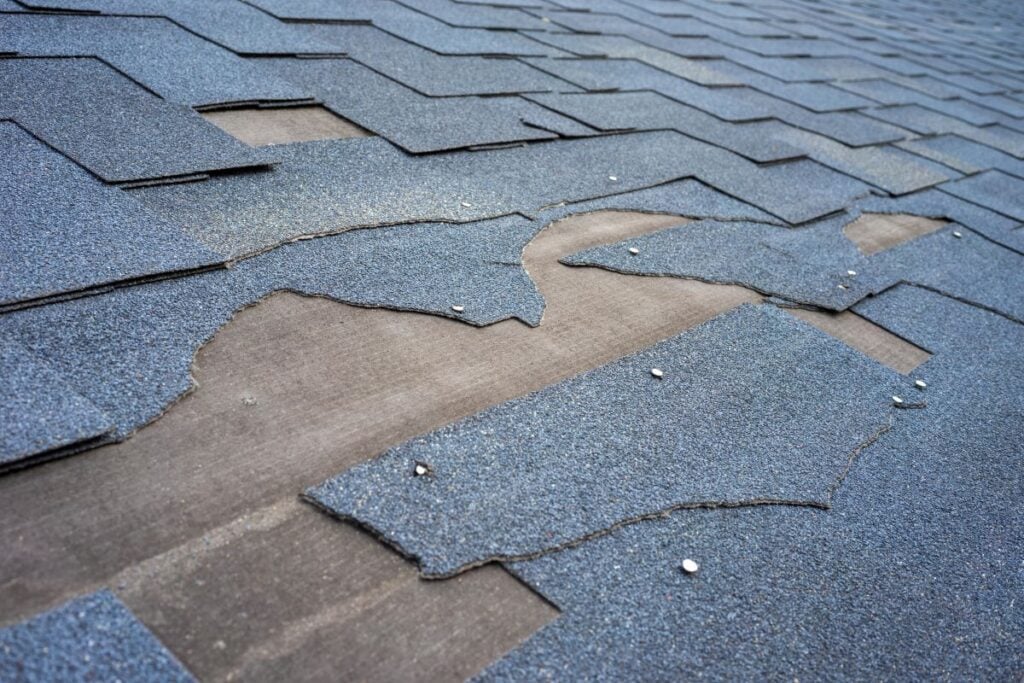
Strong winds can lift, loosen, or completely remove shingles. Even moderate wind gusts may weaken the adhesive bonds that keep shingles secure.
Wind damage often results in:
- Missing shingles
- Creased or curled edges
- Exposed underlayment
Once shingles are displaced, water can infiltrate the roof deck. In Apex and surrounding areas, seasonal thunderstorms frequently produce wind strong enough to compromise roofing systems.
2. Hail Damage
Hailstones can cause immediate impact damage to roofing materials. Even small hail can dislodge protective granules from asphalt shingles.
Common signs of hail damage include:
- Dents or impact marks
- Granule buildup in gutters
- Bruised areas that feel soft
Hail damage may not cause instant leaks, but it significantly reduces a roof’s lifespan by weakening the protective surface.
3. Water Damage and Active Leaks
Water damage is one of the most serious forms of roof damage. It often develops when flashing fails, shingles crack, or gutters clog.
Warning signs include:
- Water stains on ceilings
- Peeling paint near rooflines
- Dripping during heavy rain
Water intrusion spreads quickly and can damage insulation, framing, and interior finishes.
4. Flashing Failures
Flashing protects joints and penetrations such as chimneys, skylights, and vents. When flashing corrodes or separates, it creates entry points for water.
Flashing damage may occur due to:
- Improper installation
- Weather related expansion and contraction
- Aging materials
Because flashing is located at transition points, it is one of the most common sources of leaks.
5. Shingle Deterioration
Over time, shingles naturally degrade due to UV exposure, heat, and moisture.
Signs of deterioration include:
- Curling or buckling
- Cracks
- Bald spots where granules are missing
As shingles lose their integrity, their ability to shed water diminishes.
6. Structural Sagging
Sagging areas in a roof signal deeper structural problems. This may involve weakened decking or compromised support beams.
Potential causes include:
- Prolonged water exposure
- Excess weight from debris
- Inadequate structural support
Structural sagging requires immediate professional attention to prevent further damage.
7. Gutter Related Damage
Clogged or damaged gutters directly impact roof performance. When gutters cannot properly channel water away, moisture may back up under shingles.
Consequences include:
- Rotting fascia boards
- Water pooling near roof edges
- Increased leak risk
Routine gutter maintenance plays an important role in preventing roof damage.
Early Warning Signs Homeowners Should Watch For
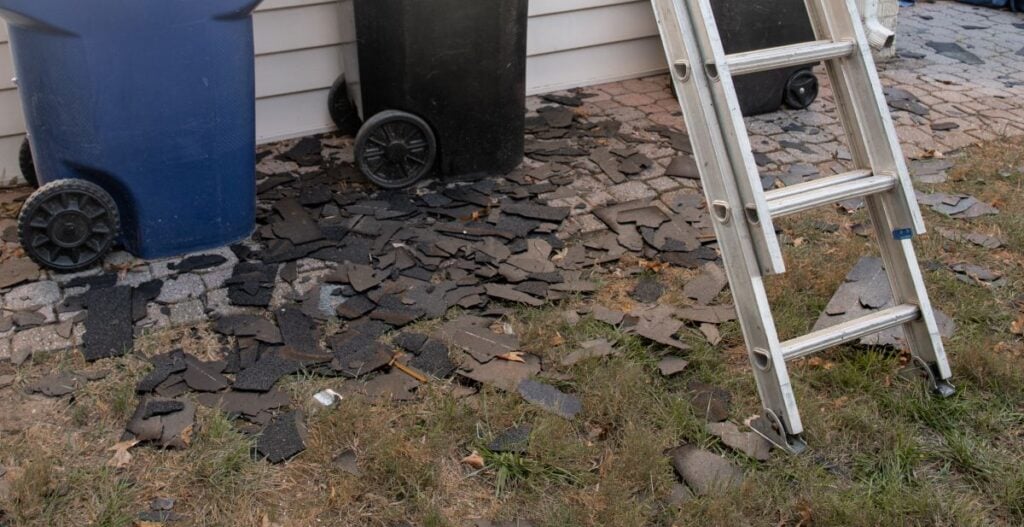
Catching roof damage early can significantly reduce repair costs. Some signs are visible from the ground, while others appear inside your home.
Regular visual inspections and seasonal awareness help identify potential concerns.
Interior Indicators
Pay attention to:
- Ceiling discoloration
- Damp attic insulation
- Unexplained spikes in energy bills
These symptoms may indicate hidden moisture or ventilation problems.
Exterior Indicators
From ground level, look for:
- Uneven or sagging rooflines
- Shingle debris in your yard
- Visible gaps around flashing
If you notice any of these signs, professional evaluation is recommended, especially after severe weather in Apex and surrounding areas.
What To Do If You Discover Roof Damage
Discovering roof damage can feel overwhelming, but taking the right steps helps minimize further complications.
Acting promptly protects your home and ensures proper repair.
Step 1: Stay Safe
Avoid climbing onto the roof yourself. Wet or damaged surfaces can be hazardous.
Step 2: Document the Issue
Take photos from a safe distance to record visible damage. This documentation may assist with insurance claims.
Step 3: Protect the Interior
If water is entering your home, use containers or tarps to limit interior damage while awaiting professional assistance.
Step 4: Schedule a Professional Inspection
An experienced roofing contractor can assess both visible and hidden damage. A thorough inspection ensures accurate recommendations.
Step 5: Review Repair or Replacement Options
Depending on the severity of roof damage, solutions may range from minor repairs to full replacement.
Professional guidance ensures the right solution for your specific roofing system.
Preventing Roof Damage Through Proactive Maintenance
While not all roof damage can be prevented, regular maintenance greatly reduces risk.
Homeowners in Apex and surrounding areas benefit from seasonal inspections due to varying weather conditions.
Maintenance Best Practices
- Schedule annual roof inspections
- Clean gutters at least twice per year
- Trim overhanging tree branches
- Check attic ventilation regularly
These steps help extend the lifespan of your roofing system.
Minor vs Major Roof Damage Comparison
Understanding severity levels helps homeowners prioritize action.
| Damage Type | Severity | Typical Response |
| Single missing shingle | Minor | Isolated repair |
| Small flashing separation | Minor | Resealing or replacement |
| Multiple leaks | Moderate | Extensive repair |
| Sagging roof deck | Major | Structural repair |
| Widespread hail impact | Moderate to Major | Potential replacement |
Even small problems should be addressed quickly to prevent escalation.
The Value of Professional Assessment
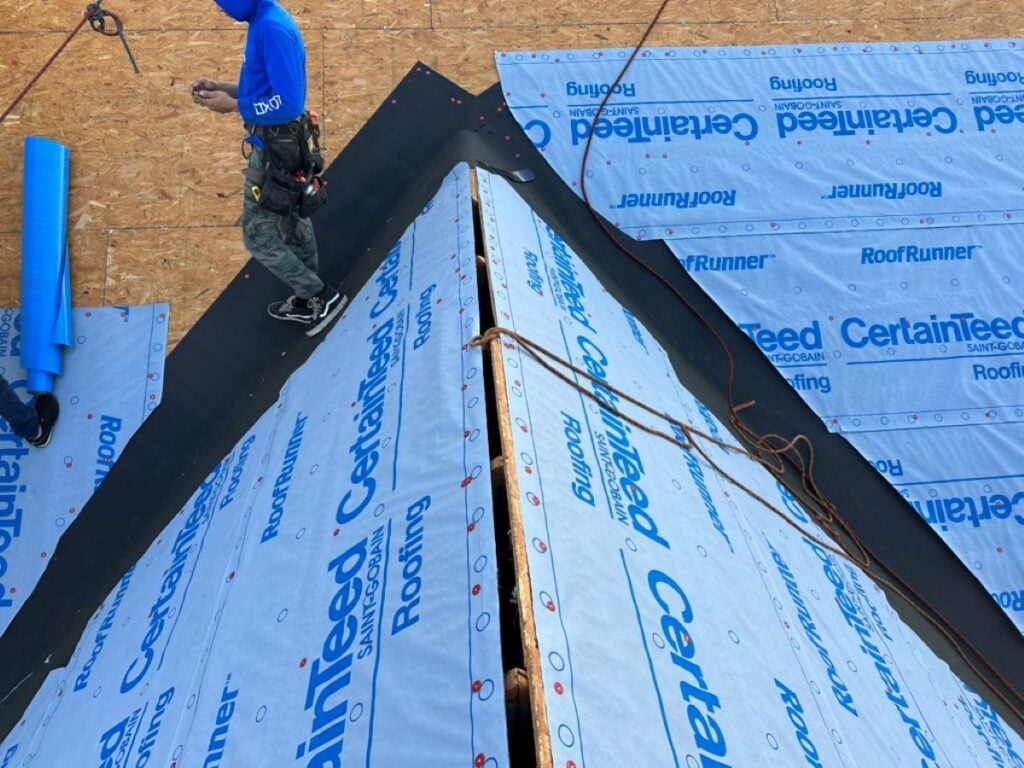
Roof damage is not always visible from the ground. Professional inspections identify hidden issues such as compromised decking, underlayment failure, or ventilation problems.
Experienced roofing specialists understand how environmental factors in Apex and surrounding areas impact roofing systems. Their evaluations help ensure repairs meet local building standards and provide long term durability.
Timely professional assessment prevents minor concerns from evolving into costly structural repairs.
Protect Your Home Before Damage Spreads
Roof damage can develop gradually or occur suddenly after a storm. Either way, swift action protects your home’s structure, comfort, and value.
By understanding common types of roof damage, recognizing early warning signs, and taking proactive steps, homeowners can prevent small issues from becoming major problems. If you suspect your roof has been compromised or want peace of mind from a professional inspection, contact us today and let Barkley-Jensen Roofing provide reliable service and expert solutions for homes in Apex and surrounding areas.