




 Get Started
Roof Drip Edge Types: 6 Styles & Where Each One is Installed
03.19.2026
6 Min Read
Understanding roof drip edge types is essential for protecting your home from water damage and ensuring your roofing system performs as intended. While often overlooked, drip edges play a critical role in directing water away from vulnerable areas. Homeowners who take time to understand these components are better equipped to prevent costly repairs. If you are evaluating your roof system or planning upgrades, learning from trusted roofing professionals can help you make informed decisions.
In this guide, you will learn:
- What a roof drip edge is and why it matters
- The most common drip edge styles and how they differ
- Where each type should be installed on your roof
- How proper installation prevents long-term damage
- Tips for choosing the right option for your home
Why Roof Drip Edges Play a Bigger Role Than Most Homeowners Realize
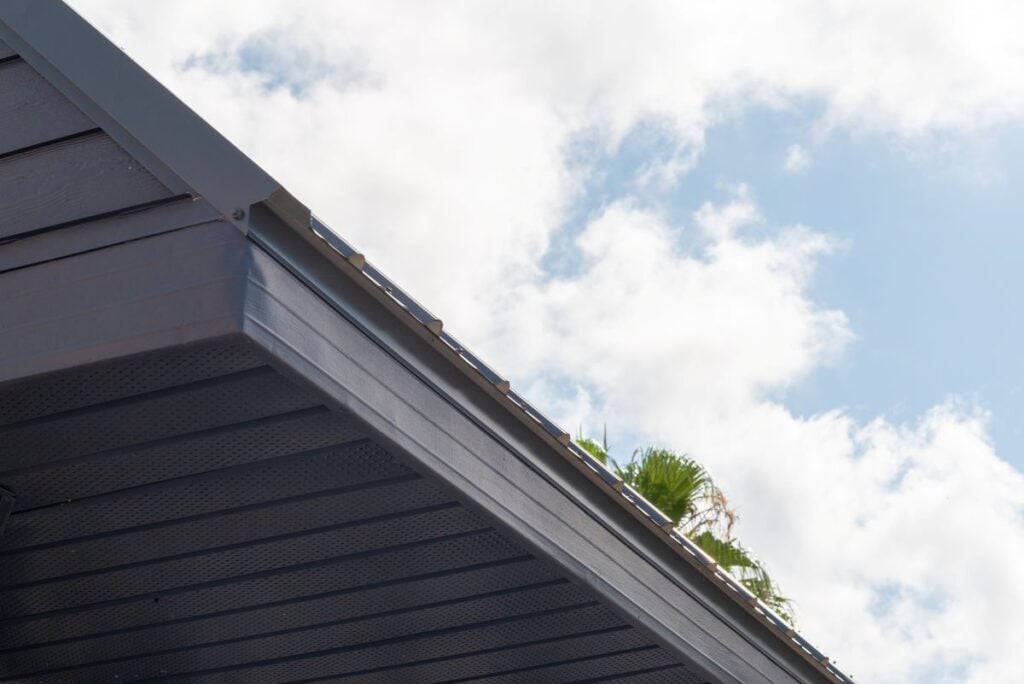
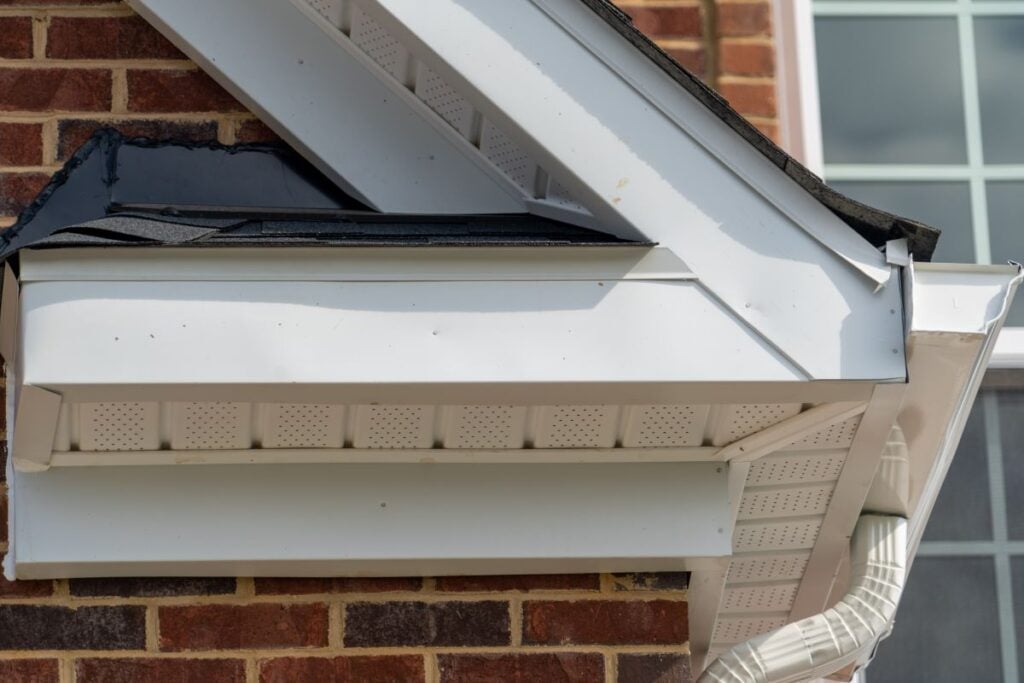
Drip edges are one of the most overlooked components of a roofing system, yet they are critical for protecting some of the most vulnerable areas of your home. Installed along the edges of the roof, they help manage how water exits your roofing system and enters your gutters.
For homeowners in Chapel Hill and surrounding areas, where rain and humidity are consistent factors, proper edge protection can significantly reduce long-term damage risks.
Here are the key benefits of drip edges:
- Water Control: Directs rainwater away from fascia boards and prevents it from seeping underneath shingles.
- Structural Protection: Helps prevent rot and deterioration along the roof edge and decking.
- Gutter Efficiency: Ensures water flows into the gutter instead of behind it.
- Pest Prevention: Seals gaps that could allow insects or small animals to enter.
- Long-Term Durability: Supports the lifespan of roofing materials by reducing moisture exposure.
Even though they are small, drip edges play a major role in overall roof performance.
6 Common Roof Drip Edge Types and Where Each One Is Installed
Different drip edge styles are designed for specific applications depending on roof design, drainage needs, and climate conditions. Choosing the right one ensures your roof handles water properly.
1. Type C Drip Edge (L-Style)
This is one of the most commonly used drip edge profiles. Its simple L-shaped design makes it effective for directing water away from the roof edge.
Where it is installed:
- Along standard roof edges
- Residential roofs with straightforward drainage
Why it works:
- Simple design
- Easy installation
- Reliable performance for many homes
It is often the baseline option for many roofing systems.
2. Type D Drip Edge (T-Style)
Type D drip edge has a more pronounced profile that pushes water further away from the fascia.
Where it is installed:
- Along eaves with higher water flow
- Areas exposed to frequent rain
Key benefits:
- Better water redirection
- Reduced risk of water backing up
- Improved protection during storms
This style is often preferred in climates like Chapel Hill and surrounding areas.
3. Type F Drip Edge (Gutter Apron)
Type F is designed to extend further into the gutter, making it ideal for improving drainage alignment.
Where it is installed:
- Along eaves with gutters
- Over existing drip edges in retrofit situations
Advantages:
- Bridges gaps between roof and gutter
- Improves water flow into gutters
- Great for upgrading older systems
It is commonly used when correcting drainage issues.
4. Gravel Stop Drip Edge
This type is typically used on low slope or flat roofing systems.
Where it is installed:
- Along the perimeter of flat roofs
- Roofs with built-up or membrane materials
What it does:
- Keeps roofing materials in place
- Provides a clean edge
- Enhances durability
It is more common in commercial-style applications but still relevant for certain homes.
5. Raised Drip Edge
Raised drip edges include a vertical lip that improves water control.
Where it is installed:
- Roof edges with heavy runoff
- Areas exposed to strong wind and rain
Benefits:
- Helps prevent overflow
- Adds extra protection
- Performs well in harsh conditions
This option is useful for homes that deal with more extreme weather.
6. Custom Drip Edge Profiles
Some roofs require specialized drip edge designs to match unique layouts.
Where they are used:
- Complex rooflines
- Custom gutter systems
- Specialty roofing materials
Why they matter:
- Provide a tailored fit
- Improve compatibility
- Ensure complete protection
Custom solutions help eliminate weak points in non-standard designs.
Installation Details That Make or Break Performance
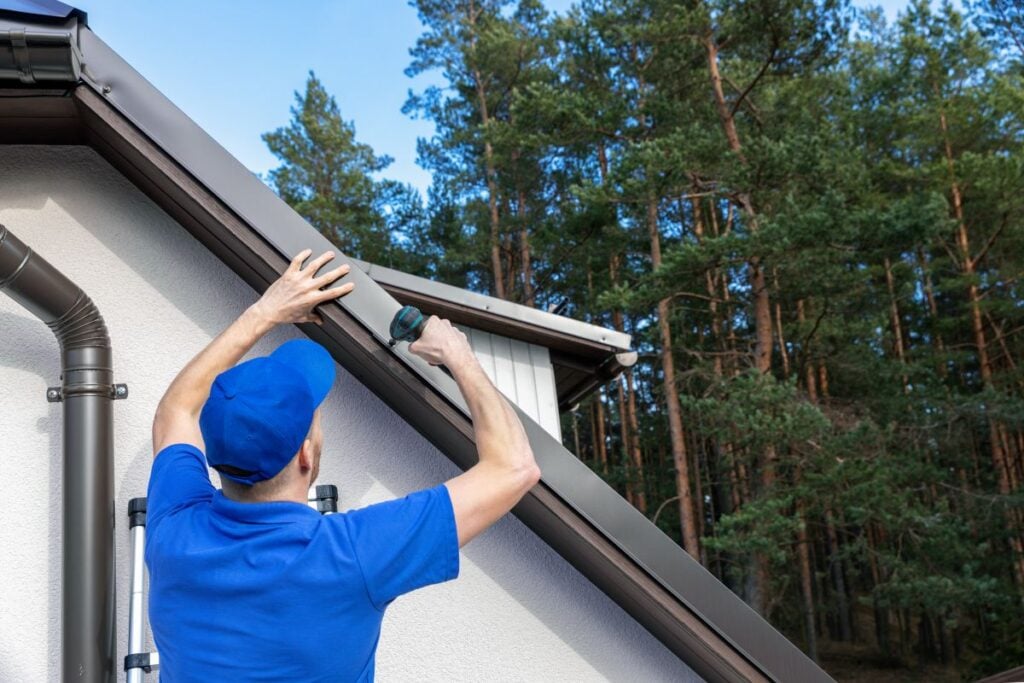
Choosing the right drip edge is only part of the process. Proper installation determines how well it performs over time.
Correct Placement
Placement is critical for directing water properly.
Guidelines include:
- Installed beneath underlayment at the eaves
- Installed above underlayment at the rakes
- Positioned to guide water directly into gutters
Incorrect placement can lead to water intrusion.
Secure Fastening
Fastening ensures the drip edge stays in place through weather changes.
Best practices:
- Use corrosion-resistant nails
- Space fasteners evenly
- Avoid loose sections
A secure fit maintains long-term effectiveness.
Seam Overlaps
Drip edge sections must overlap to form a continuous barrier.
Important points:
- Overlap sections sufficiently
- Avoid gaps
- Maintain smooth transitions
This prevents water from slipping through joints.
Integration With Roofing System
Drip edges must work seamlessly with shingles, underlayment, and gutters.
This ensures:
- Proper drainage flow
- Protection of underlying materials
- Overall system durability
Integration is key to performance.
How to Choose the Right Drip Edge for Your Home
Selecting the right drip edge depends on your roof’s design, climate, and existing drainage system.
Key Factors to Consider
When choosing a drip edge, evaluate:
- Roof slope and structure
- Local weather patterns
- Gutter alignment
- Long-term maintenance goals
For homes in Chapel Hill and surrounding areas, moisture management should always be a top priority.
Comparing Common Options
| Type | Best Use | Key Advantage |
| Type C | Standard edges | Simple and affordable |
| Type D | Heavy rain areas | Strong water control |
| Type F | Gutter alignment | Improves drainage |
| Gravel Stop | Flat roofs | Material containment |
| Raised Edge | Harsh weather | Extra protection |
| Custom | Unique designs | Tailored performance |
This breakdown helps clarify which option fits your needs.
When Replacement or Upgrades Are Needed
Over time, drip edges may need replacement due to wear or damage.
Watch for:
- Rust or corrosion
- Water stains along edges
- Loose or missing sections
- Poor gutter performance
Addressing these issues early prevents larger problems.
The Benefit of Professional Installation
Even small installation mistakes can lead to major issues.
Working with professionals ensures:
- Proper material selection
- Accurate installation
- Long-term performance
Expert guidance can make a significant difference.
Protect Your Roof With the Right Edge Protection
Roof drip edges may not be the most visible part of your roofing system, but they are one of the most important for preventing water damage. Understanding the different types and where they belong helps you make better decisions and avoid costly repairs.
If you want to make sure your roof is properly protected or need help evaluating your current system, contact us today to schedule an inspection. Barkley-Jensen Roofing proudly serves homeowners in Chapel Hill and surrounding areas with reliable solutions designed to keep your home protected for years to come.