




 Get Started
Flat Roof Repair Guide (Cost, Options, & DIY Tips)
12.23.2025
8 Min Read
If you own a commercial or modern-style home in Raleigh, you’re likely familiar with the unique challenges that come with maintaining a flat roof. While their sleek appearance and space-saving design make them popular, these roofs demand a different approach when issues arise. Whether you’re facing standing water, blistering, or persistent leaks, knowing how to address a flat roof repair can save you time, money, and stress. Understanding your options and spotting the signs early is key to preventing structural damage and costly emergencies. If you’re unsure where to start, learning more about common concerns can help you determine whether it’s time to take action—or call in a trusted local expert.
Here’s what you’ll learn in this guide:
- What makes flat roof repairs so important (and how they affect your building)
- The top reasons flat roofs fail—and how to spot early warning signs
- Cost-effective repair strategies and when full replacement makes sense
- Smart DIY maintenance tips for property owners and facility managers
Why Flat Roof Repairs Matter More Than You Think

Flat roofs may look simple, but the systems that keep them watertight are anything but. From drainage to membrane protection, even a small failure can lead to major issues fast. Routine inspection and timely repair aren’t just good practice—they’re essential to protecting your investment, especially in places like Raleigh and surrounding areas where summer storms and winter temperature swings can stress aging materials.
Here’s why staying on top of repairs pays off:
- Leak Prevention: Flat roofs are prone to pooling water, which increases the risk of leaks. Regular repairs help maintain drainage and prevent costly interior damage.
- Energy Efficiency: Damaged or poorly maintained membranes can let heat escape or enter, driving up utility costs. A repaired roof restores performance and comfort.
- Extended Lifespan: Catching issues early means you can avoid premature roof replacement and keep your system performing well for years.
- Insurance Compliance: Many policies require routine maintenance. Ignoring needed repairs could jeopardize coverage if damage occurs.
- Peace of Mind: Whether you’re managing a business or just want to avoid a surprise ceiling stain, knowing your roof is in good shape helps you sleep better at night.
5 Common Reasons Flat Roofs Need Repairs
Flat roofs wear differently than pitched ones, and their problems often start subtly. Knowing what to look for—and why it matters—can help you act before the damage gets out of hand.
1. Ponding Water
If water is still sitting on your roof 48 hours after a storm, that’s a red flag. Flat roofs must be pitched slightly for proper drainage. When this fails, water pools, putting pressure on seams and membranes.
- Can weaken insulation and structural materials
- Often leads to leaks, mold, and premature wear
- May indicate clogged drains or insufficient slope
2. Cracking or Blistering Membranes
UV exposure, temperature changes, and age can cause roofing materials like EPDM, TPO, or modified bitumen to blister or crack.
- Blisters trap moisture and can pop, causing leaks
- Cracks allow water to seep into insulation layers
- Early repairs prevent widespread deterioration
3. Flashing Failures
Flashing is used where the roof meets walls, edges, HVAC units, or vents. If this seal breaks, water intrusion is inevitable.
- Often missed during basic visual inspections
- A common entry point for leaks in Raleigh’s stormy seasons
- Needs professional sealing or replacement
4. Shrinkage Around Edges
Some single-ply materials like EPDM can shrink over time. This pulls the membrane away from seams, vents, and flashings.
- Exposes underlayers to the elements
- Often leads to tearing or lifting in high winds
- Requires resecuring or replacing the material
5. Poor Installation or Repairs
Unfortunately, not all roofers follow best practices. If your roof was poorly installed or patched with incompatible materials, you’re likely to see problems sooner.
- May void manufacturer warranties
- Leads to irregular wear or immediate failure
- Best solved by a full inspection and correction
Flat Roof Repair Options: What Works and When

Every roof is different, but most repairs fall into a few clear categories. Whether you’re looking to patch, coat, or replace, understanding the benefits of each method helps you make smarter decisions.
Temporary Patching
If you discover a leak during a storm or can’t schedule a pro right away, temporary patches can prevent further damage.
- Use commercial-grade roof tape or tar
- Only suitable for short-term use
- Should always be followed by a professional repair
Membrane Resealing
If your roof’s membrane is still mostly intact, a reseal may be all you need.
- Compatible with materials like TPO, PVC, and EPDM
- Involves heat-welding seams or applying adhesive patches
- Less expensive than full replacement
Roof Coatings
These liquid-applied membranes create a seamless barrier that protects and extends the life of your roof.
- Reflects UV rays and lowers cooling costs
- Ideal for roofs that show aging but not major failure
- Common products include silicone and acrylic coatings
Partial Replacement
For localized damage, replacing a section of the roof is often the most cost-effective solution.
- Requires matching materials and expertise
- Helps you avoid full replacement costs
- Ideal for damage under 25% of the roof surface
Full Tear-Off and Rebuild
If your roof is at the end of its lifespan, repeated repairs no longer make financial sense.
- Necessary when damage is widespread or structural
- Offers the opportunity to upgrade insulation and drainage
- Should include a long-term warranty
DIY Maintenance Tips to Extend Flat Roof Life
If you’re handy—or just want to keep your investment in great shape—regular maintenance can go a long way. Here are smart DIY strategies to minimize future repair costs:
- Clear Debris Monthly: Leaves and branches block drains, leading to ponding water.
- Check Seams and Flashing: Look for signs of separation or movement around HVAC units and edges.
- Look After Drainage Systems: Clean scuppers and downspouts, especially after storms in Raleigh and surrounding areas.
- Take Photos During Each Inspection: This helps you track changes over time and show contractors or insurers clear documentation.
- Schedule Professional Inspections Annually: Even if everything looks fine, a trained eye can catch hidden issues before they turn into major expenses.
What Flat Roof Repairs Cost (And What Affects the Price)
Flat roof repair pricing varies widely depending on the type of material, extent of damage, and access requirements. Here’s a breakdown of what can influence the cost:
| Factor | Impact on Cost |
| Roof Size | Larger roofs require more labor & material |
| Type of Membrane | EPDM, TPO, and PVC all have different repair processes and material costs |
| Damage Severity | Minor patches cost less than structural fixes |
| Accessibility | High or hard-to-reach roofs take more time to repair |
| Contractor Quality & Warranty | Reputable local contractors may cost more upfront but offer lasting solutions |
As a rough guide, flat roof repairs in Raleigh and surrounding areas typically range from $450 for a minor patch to $4,000 or more for extensive membrane restoration. Always request a detailed estimate and check that the roofer is experienced with your roofing system.
When Should You Call a Flat Roofing Pro?
While some tasks are suitable for building owners or facility managers, others demand professional tools and experience. Here’s when it’s time to bring in the experts:
You’re seeing repeated leaks
If you’ve patched the same spot twice and it’s still leaking, there’s likely a bigger issue beneath the surface.
There’s visible structural damage
Sagging, deep cracks, or water-stained ceilings indicate more than surface wear. These could signal compromised insulation or decking.
The roof is over 15 years old
Even with great maintenance, most flat roofing systems begin to deteriorate around this age. It’s worth getting an expert assessment.
You’re planning renovations or HVAC upgrades
Any rooftop equipment work should be accompanied by a roofing inspection to avoid unintentional damage.
You’re unsure what material you’re working with
TPO, EPDM, modified bitumen, and built-up roofs each require unique repair methods. A professional can quickly identify the material and provide the right solution.
If you’re based in Raleigh and surrounding areas and want peace of mind about your flat roof’s condition, don’t wait for a leak to cause chaos—let a qualified pro take a look.
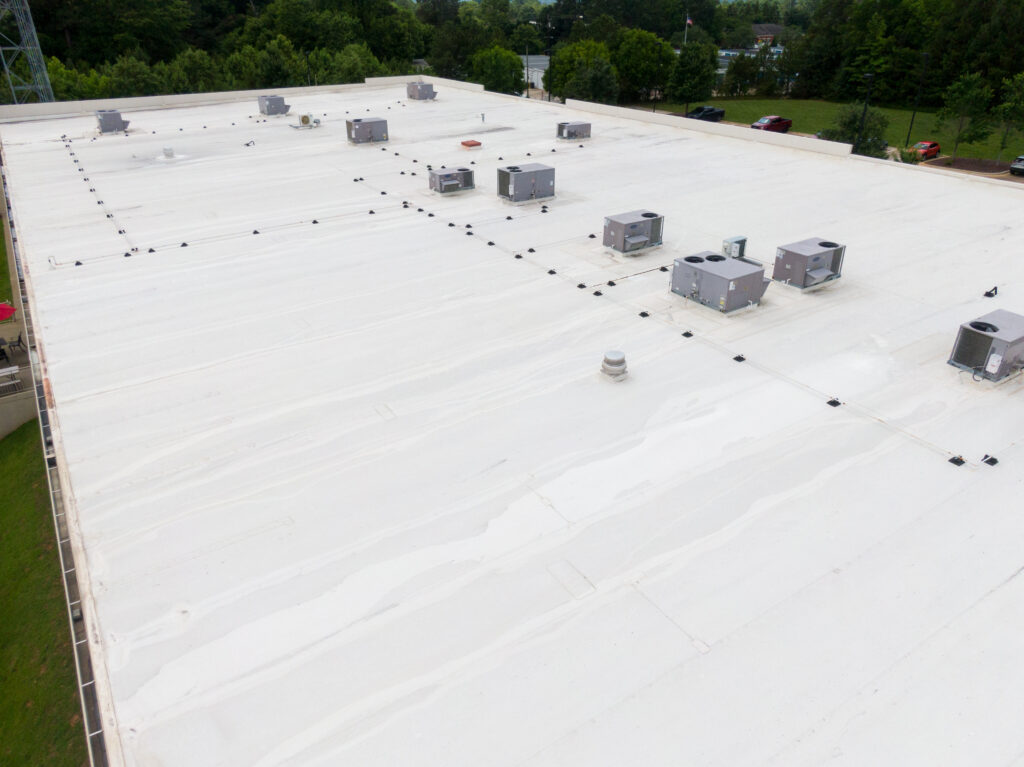
Ready to Protect Your Flat Roof?
Flat roofs offer design versatility and space efficiency, but they need consistent care to perform their best. Whether you’re managing a commercial property or simply keeping your building watertight, understanding the causes, solutions, and signs of wear puts you ahead of potential problems.
If you suspect damage or just want a trusted inspection, contact us today to schedule a flat roof assessment with the experienced team at Barkley-Jensen Roofing.