





 Get Started
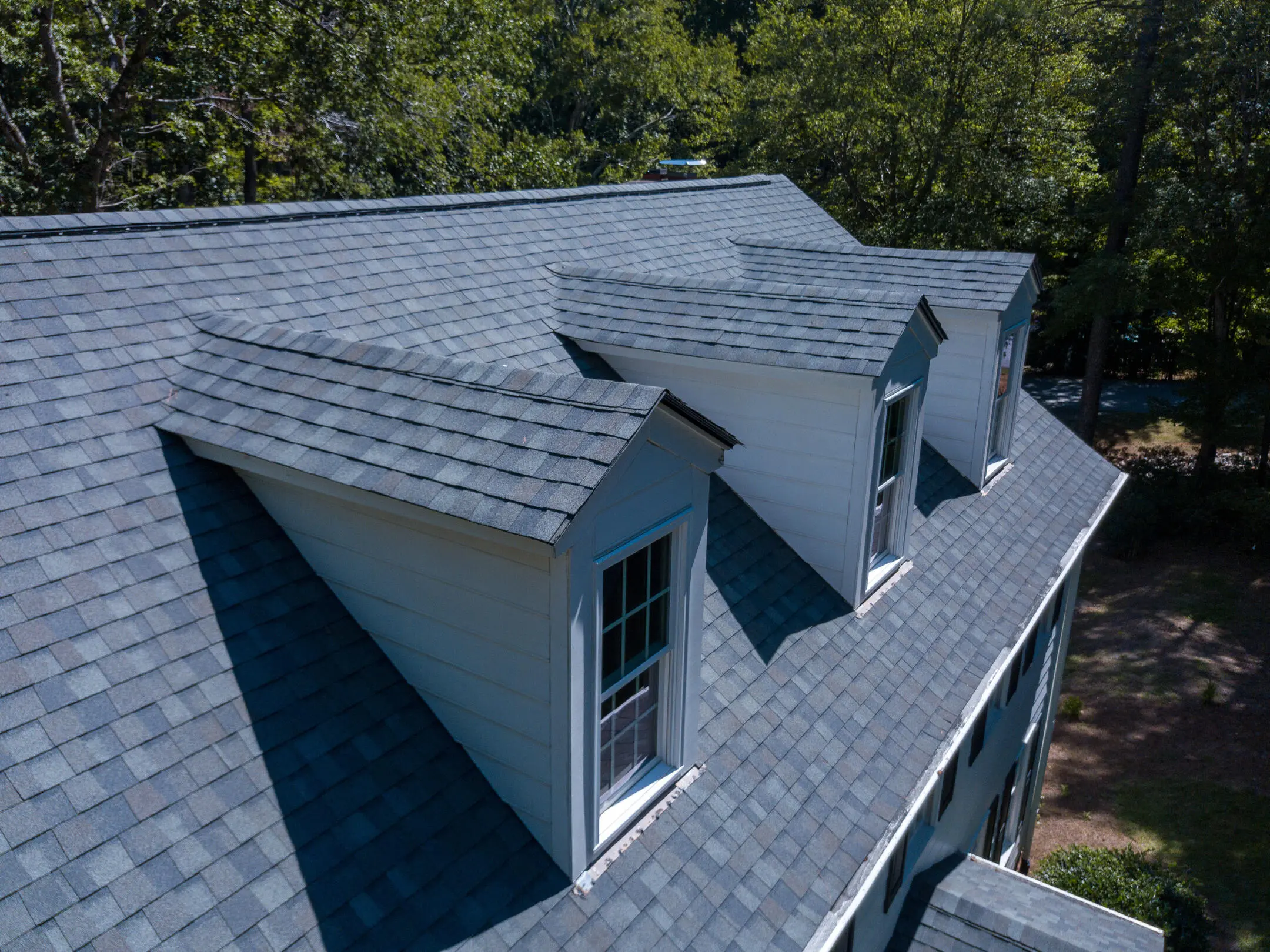
Does Homeowners Insurance Cover A New Roof? FAQ For Henderson, NC
11.24.2026
9 Min Read
When a storm tears through and a contractor says the roof needs to be replaced, the next question is almost always about money. For homeowners in Henderson and surrounding areas, asking does homeowners insurance cover a new roof is the right place to start, but the honest answer is that it depends on what caused the damage, how old the roof is, and how your policy is written. Understanding the rules before you file helps you avoid surprises and a lower payout than you expected. Seeing how professional documentation after severe weather supports a stronger claim makes the whole process easier to navigate.
Here’s what this guide covers:
- Why the cause of the damage decides whether a new roof is covered
- Seven common questions about roof coverage, deductibles, and payouts
- What to do in the first days after storm damage
- A quick reference for what is typically covered and what is not
- How to avoid common mistakes when hiring a contractor after a storm
The Short Answer: It Depends On Why The Roof Needs Replacing

Homeowners insurance is designed to pay for sudden, accidental damage, not for the normal wear and tear of an aging roof. A roof damaged by hail, wind, or a fallen tree is often a covered loss. A roof that has simply reached the end of its life is usually a maintenance cost that falls on the homeowner.
Roof claims are common, and insurers handle them constantly. In Henderson and surrounding areas, where thunderstorms, high winds, and tropical remnants all visit, knowing how a claim works before you need one is worth the time. Here is what shapes the outcome:
- Covered cause of loss: Wind, hail, and falling objects are standard covered perils, while age and neglect are not.
- Roof age and condition: A newer roof in good shape is treated differently from one that was already near the end of its life.
- How the policy values the roof: Actual cash value and replacement cost value can produce very different payouts for the same damage.
- Your deductible: Some policies use a flat amount, while others use a percentage of the home’s insured value for wind and hail.
- Documentation and timing: Photos, inspection reports, and a prompt claim strengthen your position and help the adjuster see the full scope.
7 Common Questions Henderson Homeowners Ask About Roof Coverage
These are the questions we hear most often from homeowners dealing with roof damage. The answers reflect how most standard policies work, but every policy is different, so read yours carefully and ask your insurer to confirm the details.
1. Will Insurance Pay For A New Roof After Storm Damage?
Often, yes, when a covered storm caused enough damage to justify replacement. Whether the carrier pays for a full replacement or a repair depends on the extent of the damage and how it is documented. Some carriers look at how much of a slope is damaged before approving replacement of that slope.
- A full replacement is more likely when damage is widespread
- Isolated damage may be handled as a repair
- A professional inspection report helps show the true scope
2. Does Insurance Cover A Roof That Is Simply Worn Out?
No. Standard policies do not cover roofs that have worn out from age, weather exposure over time, or lack of maintenance. If a leak develops because shingles have deteriorated, the claim will usually be denied. This is why a roof’s condition before a storm matters as much as the storm itself.
- Granule loss, curling, and cracking from age are typically excluded
- Long-term leaks and seepage are generally not covered
- Regular maintenance and inspection records support your claim
3. What Is The Difference Between ACV And RCV?
Actual cash value pays the roof’s depreciated value at the time of the loss, which accounts for age and wear. Replacement cost value pays what it costs to replace the roof with similar materials today, usually in two payments with the held-back depreciation released after the work is finished. On an older roof, the gap between the two can be large.
- ACV policies can leave a significant share of the cost to you
- RCV policies typically pay in two stages
- Check your declarations page to see which one you have
4. Will My Deductible Be A Flat Amount Or A Percentage?
It depends on the policy. Many policies in storm-prone areas use a separate wind and hail deductible set as a percentage of the home’s insured value rather than a flat dollar amount. A percentage deductible can be much larger than a standard one, so find out what yours is before a storm hits.
- Look for a separate wind and hail deductible on your policy
- Calculate what the percentage means in dollars for your home
- Plan for the out-of-pocket cost before you file
5. Does My Roof’s Age Affect Coverage?
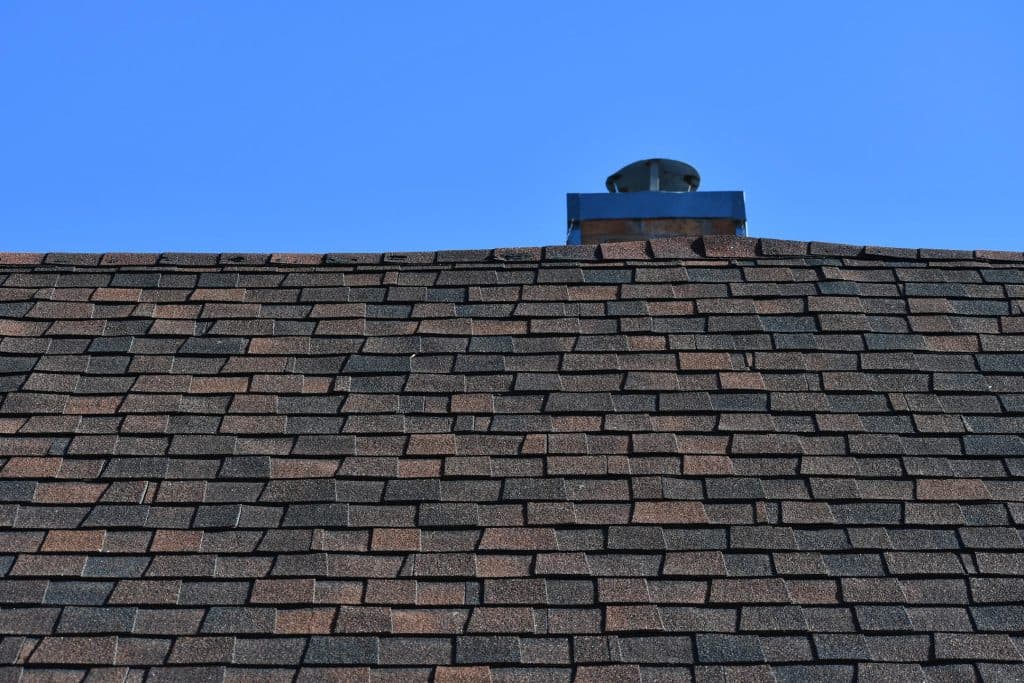
Yes, in several ways. Some insurers pay on a roof payment schedule that lowers the payout as the roof ages, and some will limit or decline coverage on older roofs. Age can also affect your premium and whether your policy is renewed.
- Ask whether your policy has a roof payment schedule endorsement
- Know your roof’s installation date and keep the records
- Replacing an aging roof can help with future coverage and rates
6. Will Insurance Pay To Upgrade My Materials Or Meet Code?
Insurance generally pays to restore your roof to its prior condition with materials of similar kind and quality, not to upgrade. If local building codes require added work, some policies include coverage for code upgrades, while others do not. Ask your agent whether ordinance or law coverage is part of your policy.
- Upgrades beyond like kind and quality are usually paid by the homeowner
- Code-required work may be covered if your policy includes it
- Confirm coverage details before you choose materials
7. Do I Have To Use The Contractor My Insurer Recommends?
Generally, no. You can choose a licensed, insured contractor you trust, and your insurer cannot force you to use theirs. Be cautious of any contractor who offers to waive or cover your deductible, since that practice is restricted in many states and can create problems with your policy. Ask your insurer about the rules that apply to you.
- Verify licensing and insurance before work begins
- Get a written scope and warranty
- Avoid anyone who pressures you to sign over your claim
What To Do Right After Storm Damage
The first few days after a storm shape how smoothly the claim goes. A calm, organized approach protects both your roof and your payout, and it is far easier to do while the details are fresh.
- Document everything: Take timestamped photos and video of damage to the roof, gutters, siding, and interior before anything is moved or repaired.
- Prevent further damage: Tarp open areas and move belongings out of the way, and keep receipts for any temporary repairs.
- Get a professional inspection: A written report from a qualified roofer shows the scope of damage and helps the adjuster see what is not obvious from the ground.
- File promptly: Check your policy for the claim deadline and notify your insurer soon after the storm.
- Be present for the adjuster visit: Walk the adjuster through every area of damage so nothing is missed.
- Save all paperwork: Keep estimates, invoices, correspondence, and claim numbers in one place.
Covered Versus Not Covered: A Quick Reference
Every policy is different, but this table shows how common situations are typically treated. Use it as a starting point, then confirm with your policy and your insurer. We are not insurance adjusters or attorneys, so treat this as general guidance.
| Situation | Typically Covered? | Why |
| Hail damage from a storm | Usually yes | Hail is a standard covered peril |
| Wind lifting or tearing shingles | Usually yes | Wind is a standard covered peril |
| Tree or limb falling on the roof | Usually yes | Falling objects are covered |
| Roof worn out from age | No | Wear and tear is excluded |
| Damage from poor maintenance | No | Neglect is excluded |
| Slow leak over time | Generally no | Gradual seepage is excluded |
| Cosmetic damage only | Varies | Depends on policy language |
How To Read Your Policy Before You Need It
A few minutes with your declarations page can answer most of the questions above. Knowing the details ahead of time puts you in a stronger position if you ever need to file.
- Find out whether you have ACV or RCV coverage on the roof
- Check the wind and hail deductible and how it is calculated
- Look for any roof age restrictions or payment schedules
- Note the claim filing deadline and the process for reporting damage
Red Flags When Hiring After A Storm
After a big storm, out-of-town crews often appear going door to door. Some are excellent, and some are not. Slow down and check before you sign anything.
- Pressure to sign immediately or to assign your claim
- An offer to cover or waive your deductible
- No local address, license number, or proof of insurance
- A quote given without anyone getting on the roof
- Vague scopes and warranties
Get Clear Answers Before You File
A new roof is one of the largest expenses a homeowner faces, and whether insurance helps pay for it depends on facts that are easier to establish early. A professional inspection, good documentation, and a clear understanding of your policy put you in the best position to get a fair outcome.
At Barkley-Jensen Roofing and Restoration, we help homeowners in Henderson and surrounding areas document storm damage, understand what their policy may cover, and work with their adjuster so the full scope is considered. If you think a storm has damaged your roof or you are unsure whether a claim makes sense, contact us today and the Barkley-Jensen team will schedule an inspection and walk you through what we find.