




 Get Started
How Long Does A Commercial Roof Replacement Take In Raleigh, NC?
06.02.2026
10 Min Read
When a commercial roof starts failing, the pressure to act quickly is real. Leaks disrupt operations, damage inventory, and create liability concerns that no property owner wants to manage. Yet jumping into a project without understanding the timeline can create just as many problems. Knowing how long does a commercial roof replacement take in Raleigh, NC helps you coordinate with tenants, manage business continuity, and set realistic expectations before a single shingle or membrane is touched. Property managers who explore what full-scale roof work actually involves quickly discover that timeline planning is every bit as critical as budget planning.
In this guide, you will learn:
- The key factors that determine how long a commercial replacement takes
- A phase-by-phase breakdown of the replacement process
- Typical timelines for the most common commercial roofing systems
- How to plan ahead so your business operations stay on track
- What sets an experienced Raleigh contractor apart when it comes to efficiency
What Determines the Timeline for a Commercial Roof Replacement
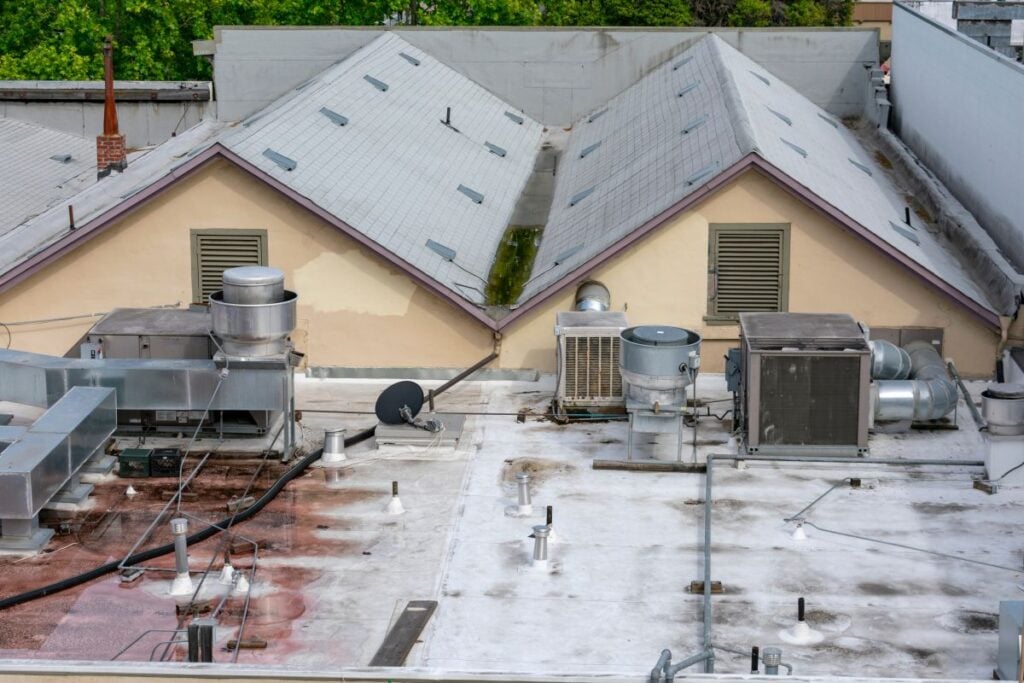
No two commercial roof replacements follow exactly the same schedule. A small retail building in Raleigh and a large multi-unit commercial complex both require a full replacement process, but the variables involved produce dramatically different timelines. Before diving into the phases of a project, it helps to understand the primary drivers that expand or compress how long the work takes.
Here is what shapes the timeline most significantly:
- Roof Size and Square Footage: The most obvious factor is simply how much roof there is to replace. Larger buildings require more labor hours, more material deliveries, and often more crew rotations to complete the work within a practical window.
- Existing Roof System and Tear-Off Requirements: Some commercial roofs have multiple layers of old material that must be completely removed before new installation can begin. Multi-layer tear-offs add days to a project and require additional disposal logistics.
- Deck Condition and Structural Repairs: Once the old roofing system is stripped away, the condition of the underlying roof deck determines whether installation can proceed immediately or whether repairs are needed first. Rotted, warped, or compromised decking extends the timeline significantly.
- Material Lead Times and Permitting: Some commercial roofing materials are not stocked locally and require ordering in advance. Raleigh building permits also take time to process, and projects cannot legally begin without the proper approvals in place.
- Weather Conditions: North Carolina weather, particularly the summer storm season, creates scheduling challenges. Rain, high winds, and extreme heat all affect when installation crews can safely work, and a stretch of bad weather can push a multi-day project into a multi-week one.
Understanding these drivers gives you a realistic starting point when planning your replacement project and communicating expectations to stakeholders.
7 Phases: The Commercial Roof Replacement Process
A commercial roof replacement is not a single-day event. It moves through a series of distinct phases, each with its own timeline and dependencies. Knowing what happens at each stage helps property owners stay informed and avoid surprises.
1. Inspection, Assessment, and Proposal
Before any work begins, a qualified contractor performs a comprehensive inspection of the existing roof system. This goes beyond a visual check and includes evaluating the deck, drainage systems, flashing, penetrations, and any existing damage. The findings from this inspection directly inform the scope of work and the project estimate.
- Typical duration: 1 to 3 days from initial contact to completed proposal
- May involve core sampling or moisture scanning on flat roof systems
- Identifies hidden issues that could affect the overall project timeline
Skipping or rushing this phase is one of the most common causes of mid-project surprises and cost overruns.
2. Permitting and Material Ordering
Once a proposal is accepted, the contractor submits for building permits with the City of Raleigh and places material orders. This phase is often the longest waiting period in the entire process and is largely outside of anyone’s direct control.
- Raleigh permit processing typically takes 5 to 15 business days for commercial projects
- Some specialty materials require 1 to 3 weeks of lead time for delivery
- Certified contractors often have established supplier relationships that help expedite orders
Property owners frequently underestimate this phase, which is why having an experienced contractor manage it proactively matters so much for keeping the project on schedule.
3. Mobilization and Site Preparation
Once permits are secured and materials arrive, the crew mobilizes to the site. This involves staging equipment, setting up safety measures, protecting entrances and HVAC equipment, and coordinating access with building occupants if the property is actively in use.
- Usually completed in a single day prior to tear-off beginning
- Requires clear communication with tenants or building staff about access points and noise
- Dumpsters, lifts, and staging areas need to be arranged in advance
Good mobilization planning prevents delays on the first day of active work and sets the pace for the rest of the project.
4. Tear-Off of the Existing Roofing System
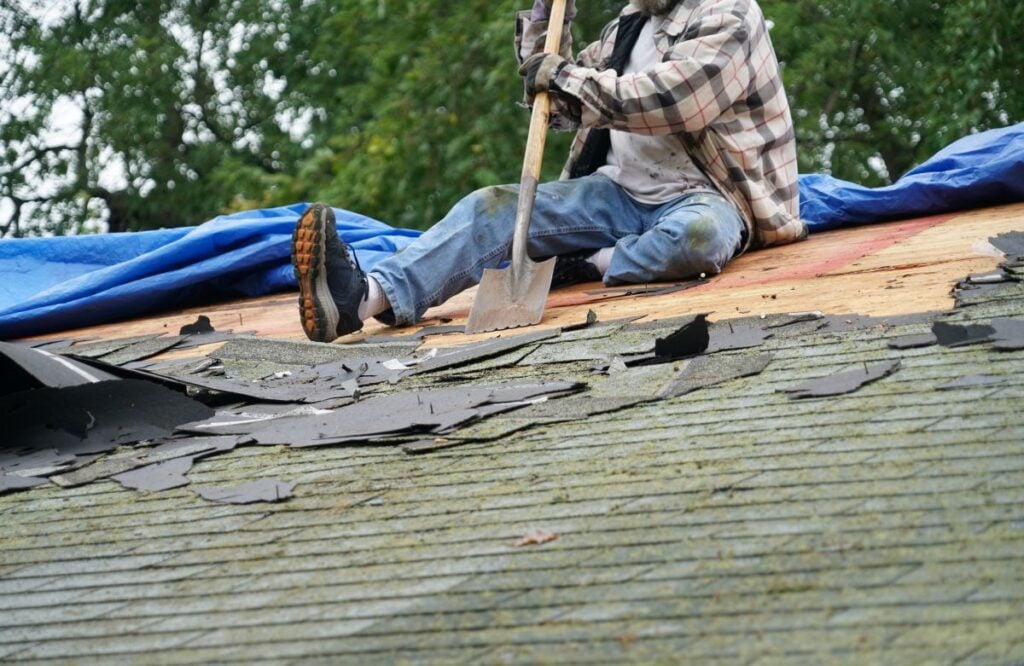
For most commercial replacements, the old roof system must be fully removed before new materials go down. This is one of the most labor-intensive phases of the project and one of the loudest, so coordinating with building occupants is essential.
- Single-layer tear-offs on average-sized commercial buildings typically take 1 to 3 days
- Multi-layer systems or large square footage can push tear-off to 4 to 5 days or more
- Debris must be properly disposed of in accordance with local regulations
According to the National Roofing Contractors Association, approximately 40% of all building-related problems are attributed to water intrusion through or around the roof, which means a thorough tear-off that reveals and addresses underlying issues is well worth the extra time.
5. Deck Repair and Preparation
With the old system removed, the deck is fully visible for the first time. Any rotted, delaminated, or structurally compromised sections must be repaired or replaced before new roofing materials are installed. Skipping this step creates a foundation problem that defeats the purpose of installing a new roof.
- Minor deck repairs can often be completed in less than a day
- Extensive damage may add 2 to 4 additional days to the project
- Underlayment, insulation boards, and cover boards are installed during this phase as well
This phase has the most variability in timing, since deck conditions are not fully known until the existing system is removed.
6. New Roof System Installation
Installation is the phase most people think of when they picture a roof replacement. The crew installs the chosen roofing system according to manufacturer specifications, which matters both for performance and for warranty validity.
- Small to mid-size commercial buildings typically see installation completed in 2 to 5 days
- Larger or more complex properties may require 1 to 3 weeks of installation time
- Certified contractors install to manufacturer spec, which preserves both product and workmanship warranties
Weather is the most likely variable to extend this phase, so experienced contractors monitor forecasts closely and schedule work accordingly.
7. Final Inspection, Cleanup, and Closeout
Once installation is complete, the contractor performs a thorough walkthrough and punch-list review to verify that every detail meets quality standards. This includes checking flashing, seams, penetrations, and drainage. A final cleanup ensures the property is returned to its normal condition.
- Final inspection and cleanup usually take 1 day
- Some jurisdictions require a municipal inspection before the permit is officially closed
- Warranty documentation and maintenance recommendations are provided at closeout
This phase is often rushed by less experienced contractors, but it is where a quality crew demonstrates what they actually stand behind.
Typical Timelines by Commercial Roofing System
Not all commercial roofing systems install at the same pace. The material type plays a meaningful role in how long the installation phase takes and how the overall project schedule comes together. Here is a general breakdown of what to expect by system type.
TPO (Thermoplastic Polyolefin) Roofing
TPO is one of the most popular flat roofing systems for commercial buildings in the Raleigh area due to its energy efficiency and durability in hot climates. Installation involves welding membrane seams with heat, which requires skilled technicians but moves at a steady pace.
- Most common commercial system in the Southeast
- Installation on a 10,000 square foot roof typically takes 3 to 5 days
- Excellent energy performance in North Carolina’s warm summers
EPDM (Ethylene Propylene Diene Monomer) Roofing
EPDM is a rubber-based membrane that has been a commercial roofing staple for decades. It installs relatively quickly and holds up well against UV exposure and temperature swings.
- Ballasted systems install faster than fully adhered versions
- Comparable timeline to TPO for most projects
- Strong track record of long-term durability with proper maintenance
Modified Bitumen Roofing
Modified bitumen is a multi-ply system that delivers excellent waterproofing on low-slope roofs. It takes somewhat longer to install than single-ply systems due to its layered nature, but it provides a robust and proven result.
- Multi-ply installation adds time compared to single-membrane systems
- Best suited for roofs with complex penetrations or drainage configurations
- Can add 1 to 2 additional days compared to a single-ply project of the same size
Metal Roofing
Commercial metal roofing delivers one of the longest lifespans available but also requires the most installation time among common systems. Panel fabrication, precise fastening, and seam work all demand careful attention to detail.
- Longer installation window, typically 1 to 3 weeks depending on building size
- Exceptional longevity of 40 or more years makes the investment worthwhile
- Ideal for property owners who want to eliminate future replacement cycles
How to Minimize Disruption During a Commercial Roof Replacement
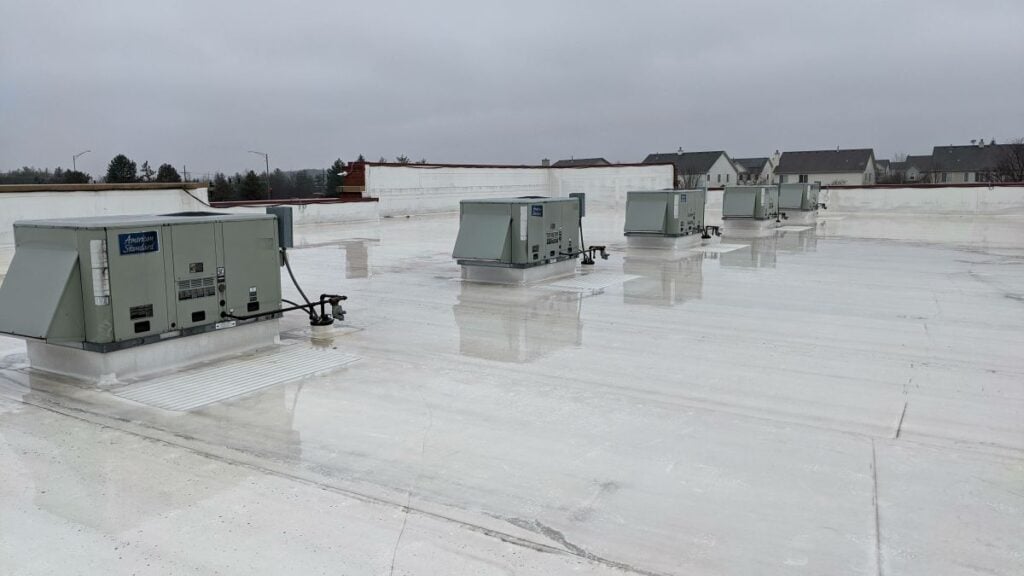
For occupied commercial buildings, the replacement process raises legitimate concerns about noise, debris, safety, and access. A well-organized contractor addresses these concerns through proactive planning, but property owners can also take steps to make the process smoother for everyone involved.
Communicate Early with Tenants and Staff
The moment a replacement is confirmed, notify everyone who uses or occupies the building. Share the projected start date, the expected duration, and any specific disruptions they should anticipate such as limited parking from material staging or elevated noise during tear-off hours. Early communication prevents frustration and positions you as a responsive, organized property manager.
Identify Sensitive Areas in Advance
Some areas within a commercial building are more sensitive to roofing work than others. Data rooms, medical equipment, food service areas, and any space with open ceilings all require extra protection planning before work begins. Walk through the building with your contractor and flag these locations so precautions are in place on day one.
Establish a Daily Communication Protocol
A reliable contractor provides daily project updates so you always know what phase the crew is in and what to expect the following day. If your contractor does not proactively communicate, ask for it in writing before signing a contract. This keeps the project transparent and gives you the information you need to coordinate internally.
| Phase | Typical Duration | Primary Variable |
| Inspection and Proposal | 1 to 3 days | Roof complexity |
| Permitting and Material Orders | 1 to 4 weeks | Permit backlog, material lead time |
| Mobilization | 1 day | Site access coordination |
| Tear-Off | 1 to 5 days | Layers, square footage |
| Deck Repairs | 0 to 4 days | Condition found after tear-off |
| Installation | 2 days to 3 weeks | System type, building size, weather |
| Final Inspection and Closeout | 1 day | Punch-list items |
Having this phased view of the project lets you communicate realistic timelines to building stakeholders and reduce the anxiety that often surrounds large commercial construction work.
Plan Your Raleigh Commercial Roof Replacement with Confidence
A commercial roof replacement is a substantial undertaking, but it does not have to be a chaotic one. When you understand the phases involved, the variables that affect each phase, and what a well-organized contractor looks like in practice, the process becomes much more manageable. Raleigh property owners who plan ahead, communicate proactively, and partner with a team that values transparency consistently report a smoother experience and a better end result.
Barkley-Jensen Roofing brings the local knowledge, certified expertise, and genuine commitment to customer communication that commercial property owners deserve throughout a project of this scale. Whether you are trying to understand your timeline, evaluate your material options, or simply figure out where to start, our team is ready to walk you through every step. When you are ready to get the process moving, contact us today and let Barkley-Jensen Roofing take it from there.