




 Get Started
How to Find a Roof Leak (Full Process Explained + Tips)
11.04.2025
9 Min Read
Few home maintenance issues are as stressful as a roof leak. Even a small drip can lead to water damage, mold growth, and costly structural repairs if ignored. Understanding how to find a roof leak before it worsens can save homeowners in Raleigh and surrounding areas significant time and money. The process takes patience, observation, and a bit of know-how—but when done right, it can make all the difference between a quick repair and an expensive replacement. If you want to learn how to find a roof leak effectively, this guide will help. By following our steps on how to find a roof leak, you can ensure your roof stays in good condition.
If you suspect a leak or notice water spots forming, it’s best to start your inspection early and, when necessary, work with professionals experienced in roof repair. You can learn more about the inspection and replacement process by visiting our roofing page for an overview of available materials and installation methods. Knowing how to find a roof leak is essential for maintaining your home. It can save you from extensive damages. Always be on the lookout for signs and learn how to find a roof leak early.
In this guide, you’ll learn:
- How to spot early warning signs of a leak
- The full step-by-step process for locating leak sources
- What areas to check first both inside and outside your home
- Tips for preventing future roof leaks before they start
Why Finding Roof Leaks Early Matters
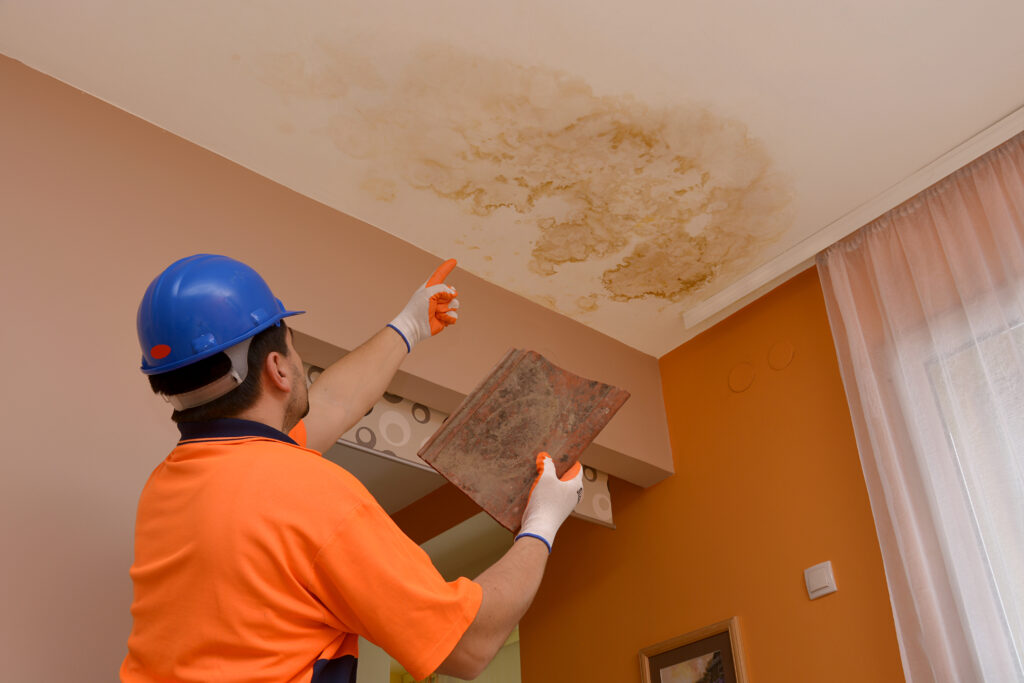
A roof leak rarely starts big—it begins as a slow trickle that builds over time. The sooner you catch it, the easier and less expensive it is to fix. Our team is well-versed in how to find a roof leak and can assist you if needed. Always remember how to find a roof leak so you can promptly respond to any issues. The knowledge on how to find a roof leak is vital for every homeowner to possess.
- Protects Your Structure: Leaks can damage wood framing, insulation, and drywall if left unattended.
- Prevents Mold and Mildew: Moisture trapped in ceilings or attics can lead to unhealthy mold growth.
- Saves Money: Addressing small leaks early can prevent full roof replacements later.
- Improves Energy Efficiency: A compromised roof allows air to escape, driving up energy bills.
- Preserves Home Value: A well-maintained roof reassures potential buyers that your property is protected.
For homeowners in Raleigh and surrounding areas, where humidity and heavy rain are common, vigilance pays off. Regular roof checks—especially after storms—can help you identify leaks before they spread.
7 How to Find a Roof Leak Step-by-Step
Detecting the source of a roof leak takes some investigation. Water doesn’t always travel straight down; it can run along rafters or insulation before dripping into your ceiling. Follow these steps to find the real cause. Understanding how to find a roof leak is essential in ensuring your home is protected against the elements.
1. Start Indoors with Visible Clues
The first signs of a roof leak often appear inside your home. Begin your search by examining ceilings and walls.
- Look for brown or yellow water stains on drywall.
- Check for peeling paint or bubbling plaster.
- Inspect around vents, skylights, and chimneys—common weak spots for leaks.
Use a flashlight to check your attic for damp insulation, mold spots, or discolored wood. Tracing the moisture trail back to its highest point usually reveals the entry location. Being proactive about how to find a roof leak can lead to better long-term results for your home. With the right knowledge on how to find a roof leak, you will feel more confident tackling home maintenance.
2. Examine the Attic During Rain
If it’s safe to do so, inspect your attic during a rainfall. The sound and visibility of dripping water can pinpoint the leak’s origin more accurately.
- Use a bright flashlight to follow moisture trails.
- Mark the wet area with chalk for easier identification once conditions dry.
- Remember: water can enter higher on the roof and travel down rafters before pooling.
3. Move Outside to Check Roof Surfaces
Understanding how to find a roof leak ensures that your home remains safe and structurally sound. Learning how to find a roof leak can save you both time and money, so it’s worth the effort to understand the process thoroughly.
As you learn how to find a roof leak, remember that diligence during your inspection will pay off.
Once you’ve narrowed down the general area, inspect the roof from the outside. Use binoculars from the ground if climbing is unsafe.
Focus on common problem areas:
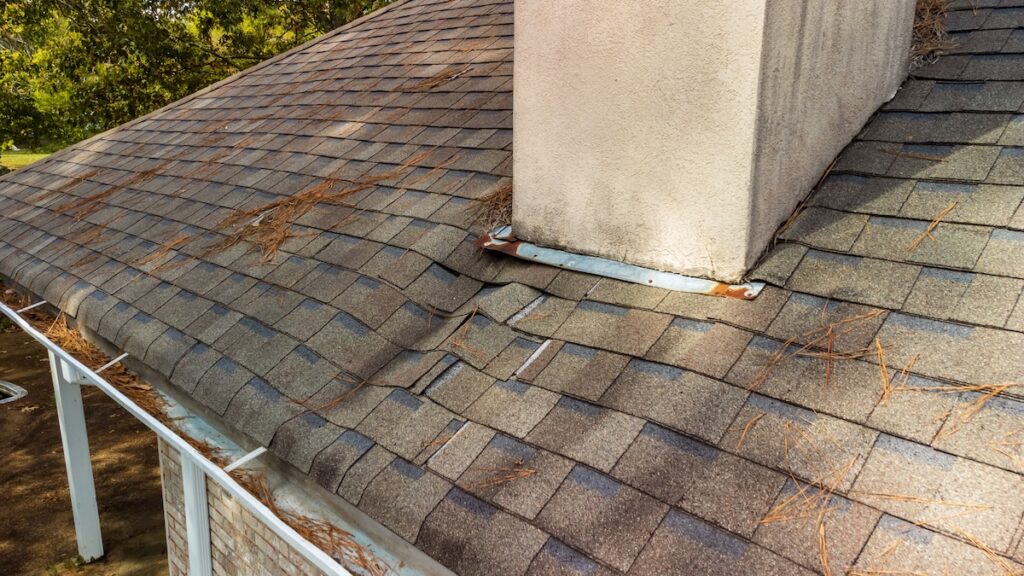
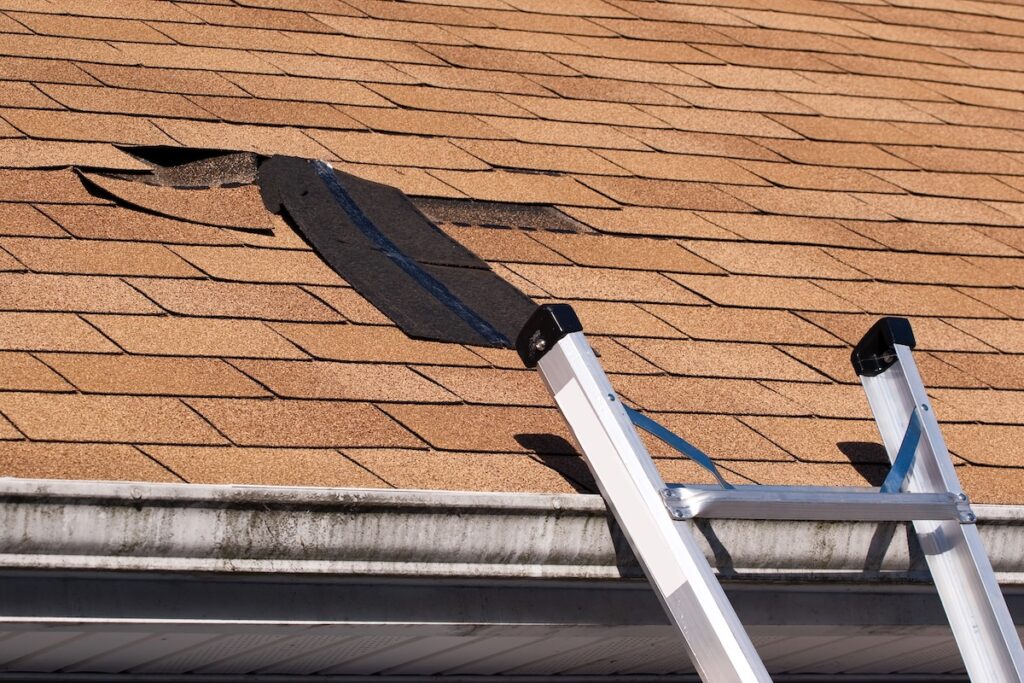
- Missing or damaged shingles
- Exposed nails or loose flashing
- Cracked caulking around vents or skylights
- Rusted metal valleys or flashing edges
If you can safely access your roof, use caution and wear slip-resistant shoes. Look for shingles that are curling, buckling, or broken—especially on slopes facing the direction of prevailing wind and rain in Raleigh and surrounding areas.
4. Test with a Controlled Water Source
When you can’t locate the problem visually, simulate rainfall. Have one person use a hose to wet specific roof sections while another stays in the attic to observe any drips.
- Start from the bottom and move upward to isolate problem zones.
- Run water for a few minutes per area before shifting higher.
- Mark any leaks immediately for later repair.
This method helps differentiate between roof leaks and other water sources, like plumbing or condensation.
5. Inspect Flashing and Roof Penetrations
If you are unsure how to find a roof leak, calling a professional may be the best option. Flashing—metal strips around vents, chimneys, and valleys—is one of the most common leak points. Over time, it can corrode, warp, or pull away due to heat and weather exposure.
- Check for gaps between flashing and roof surfaces.
- Replace cracked or brittle sealant.
- Look beneath shingles near flashing for hidden decay.
Vents, skylights, and satellite mounts can also develop leaks if gaskets dry out or fasteners loosen. These should be resealed or replaced as needed. Understanding how to find a roof leak is crucial, especially during heavy rain seasons. When you know how to find a roof leak, you can address issues promptly before they escalate.
6. Check Gutters and Downspouts
Clogged gutters can trap water and redirect it beneath shingles. During inspection:
- Clear out leaves, debris, and dirt buildup.
- Ensure downspouts are directing water away from your home’s foundation.
- Verify gutter fasteners are secure and not pulling from fascia boards.
Proper water flow reduces the risk of roof-edge leaks and prolongs overall roof health.
7. Confirm the Leak Isn’t Coming from Somewhere Else
It’s important to understand how to find a roof leak before it leads to bigger issues. Before scheduling major repairs, rule out other possible sources of moisture:
- Plumbing leaks: Check nearby bathrooms or vent pipes.
- HVAC condensation: Inspect ducts and units in the attic.
- Window flashing leaks: Water can travel sideways from poorly sealed windows.
Identifying the real cause ensures repairs are targeted and effective, not temporary fixes.
Common Places Roof Leaks Start
By knowing how to find a roof leak, you can prevent further damage to your home. While every home is unique, certain areas tend to develop leaks more frequently. Knowing these helps focus your inspection.
- Around Chimneys: Chimney flashing often loosens over time. Look for cracked mortar joints and gaps where water can enter.
- Skylights and Roof Windows: The seals around skylights can deteriorate or shift. Check both the glass perimeter and flashing below the slope.
- Roof Valleys: These V-shaped intersections handle large volumes of water. Even small cracks here can cause big leaks.
- Vent Pipes: Rubber boots sealing plumbing vents eventually dry out. Cracks or splits around these collars allow water in.
- Roof Edges and Eaves: Water can wick underneath shingles near the roof’s edge, especially if drip edges are missing or damaged.
In Raleigh and surrounding areas, where seasonal storms and humidity put constant stress on materials, these weak spots deserve regular inspection.
Preventing Future Roof Leaks
Once you’ve repaired or identified a leak, prevention is the best long-term defense.
- Schedule Regular Inspections: Have your roof inspected at least once a year, ideally in spring or fall.
- Maintain Gutters and Downspouts: Keep water moving freely to avoid pooling near rooflines.
- Trim Overhanging Branches: Tree limbs can scrape or puncture shingles during storms.
- Replace Worn Flashing: Upgrade to rust-resistant or coated metals when possible.
- Check Attic Ventilation: Proper airflow prevents moisture buildup and mold growth.
These simple maintenance habits can add years to your roof’s lifespan and prevent costly surprises down the road.
Signs You Should Call a Professional
Don’t hesitate to learn how to find a roof leak as it could save your property from serious issues.
Some leaks are easy to spot and repair, while others require specialized tools and expertise. Knowing when to bring in a professional can save you frustration—and prevent more damage.
When to Get Help
- You see multiple leak points or ongoing water intrusion.
- Shingles are missing, curling, or visibly cracked.
- The attic smells musty, indicating trapped moisture.
- Interior ceilings or insulation show dark or damp spots.
- You’re uncomfortable walking on the roof safely.
A qualified roofing team can perform a detailed inspection, locate hidden leaks, and repair structural damage before it spreads.
Protect Your Home with Barkley Jensen Roofing
A leaking roof is more than an inconvenience—it’s a signal your home needs attention. Understanding how to find a roof leak empowers you to act quickly and protect your investment. But if the source isn’t obvious or the damage extends beyond the surface, it’s time to call the experts.
At Barkley Jensen Roofing, we help homeowners in Raleigh and surrounding areas find and fix leaks efficiently using proven techniques and high-quality materials. Our team emphasizes education, clear communication, and durable repairs designed to last.
If you need help diagnosing a leak or want a professional inspection, contact us today to learn more about how to find a roof leak and keep your roof performing at its best. Getting familiar with how to find a roof leak can empower homeowners to tackle minor repairs themselves. Regular checks on how to find a roof leak can save you from expensive repair bills.