





 Get Started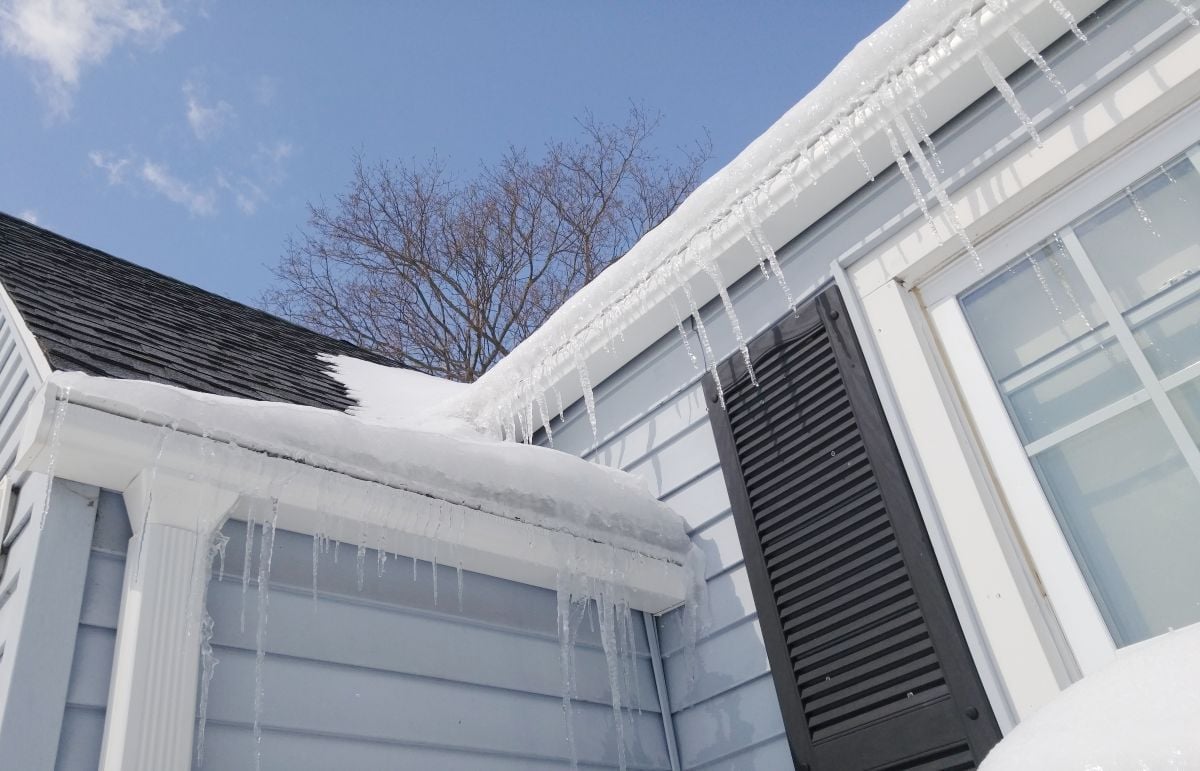
Ice and Water Shield Roof: What It Is & Why Your Roof Needs It
03.05.2026
7 Min Read
Water intrusion is one of the most common causes of roof damage, and once it begins, it can spread quickly beneath the surface. An ice and water shield roof system adds an extra layer of defense in the areas most vulnerable to leaks. When homeowners explore durable roofing solutions designed to withstand harsh weather, understanding the role of ice and water shield can make a significant difference in long term performance and peace of mind.
In this guide, you will learn:
- What ice and water shield is and how it works
- Where it should be installed on your roof
- Why it is essential in certain climates
- How it compares to standard roofing underlayment
- When to consider upgrading your current roofing system
Why Ice and Water Shield Is So Important for Your Roof
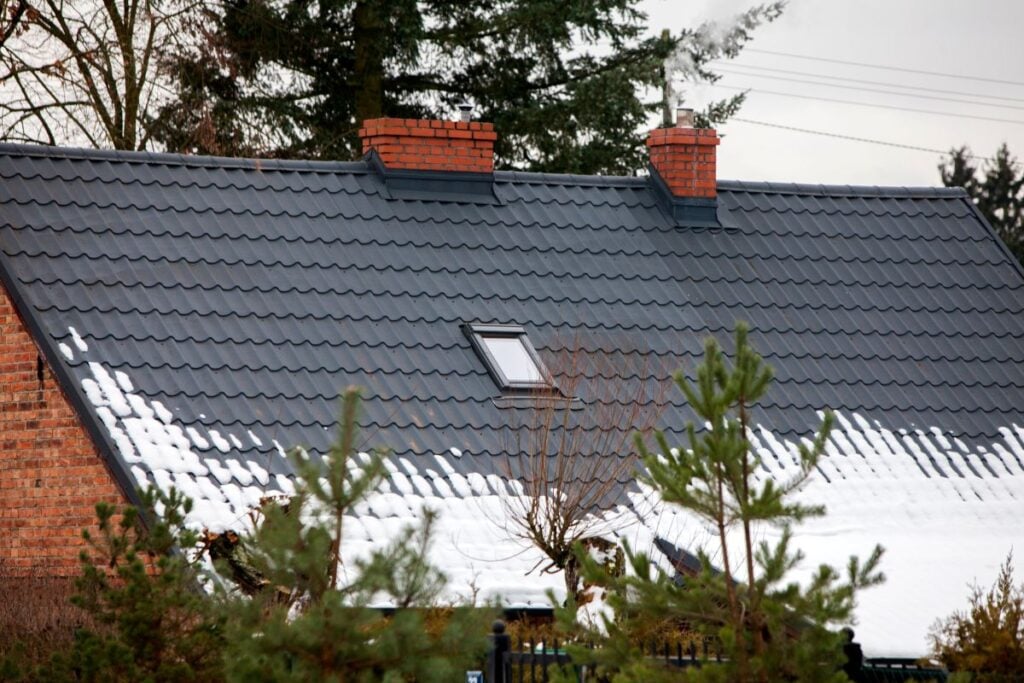
Ice and water shield is not just an optional add on. In many cases, it is a critical protective barrier that prevents leaks caused by wind driven rain, ice dams, and water backup. While shingles provide the primary defense against the elements, this specialized membrane acts as a secondary layer of protection beneath the surface.
Homeowners in Durham and surrounding areas experience seasonal storms, heavy rainfall, humidity, and occasional freezing temperatures. These weather conditions increase the risk of water intrusion at roof edges, valleys, and penetrations. Installing ice and water shield in the right locations significantly reduces that risk.
Here are several key benefits of incorporating this material into your roofing system:
- Leak Prevention: Creates a watertight seal around nails and fasteners to block moisture entry.
- Ice Dam Protection: Prevents melting snow from backing up under shingles during freezing weather.
- Wind Driven Rain Defense: Adds an extra barrier against rain forced beneath shingles during storms.
- Extended Roof Lifespan: Reduces long term moisture damage to decking and framing.
- Building Code Compliance: Often required in certain areas to meet modern roofing standards.
Understanding how and where this material functions helps homeowners make informed decisions during roof replacement or repair.
6 Essential Facts About Ice and Water Shield Roof Systems
To fully understand why your roof needs this protective layer, it helps to break down the key components and installation considerations.
1. It Is a Self Adhering Waterproof Membrane
Ice and water shield is a rubberized asphalt membrane with a strong adhesive backing that bonds directly to roof decking.
Its self sealing properties:
- Adhere tightly to wood sheathing
- Seal around nail penetrations
- Form a continuous waterproof barrier
Unlike traditional felt underlayment, this material does not rely solely on fasteners to stay in place. It creates a bond that helps block moisture even if shingles shift.
2. It Is Installed in High Risk Areas
Ice and water shield is strategically installed in areas most vulnerable to water intrusion rather than across the entire roof surface.
Common installation areas include:
- Roof eaves
- Valleys where roof slopes intersect
- Around chimneys and skylights
- Beneath plumbing vents and other penetrations
These areas are more likely to experience water pooling or ice buildup.
3. It Protects Against Ice Dams
Ice dams occur when snow melts on warmer sections of a roof and refreezes near the eaves. This creates a barrier that traps water behind it.
Without protection, trapped water can:
- Back up under shingles
- Soak roof decking
- Leak into attic spaces
An ice and water shield roof system prevents this backed up water from penetrating into the home.
4. It Provides Superior Protection Compared to Felt Paper
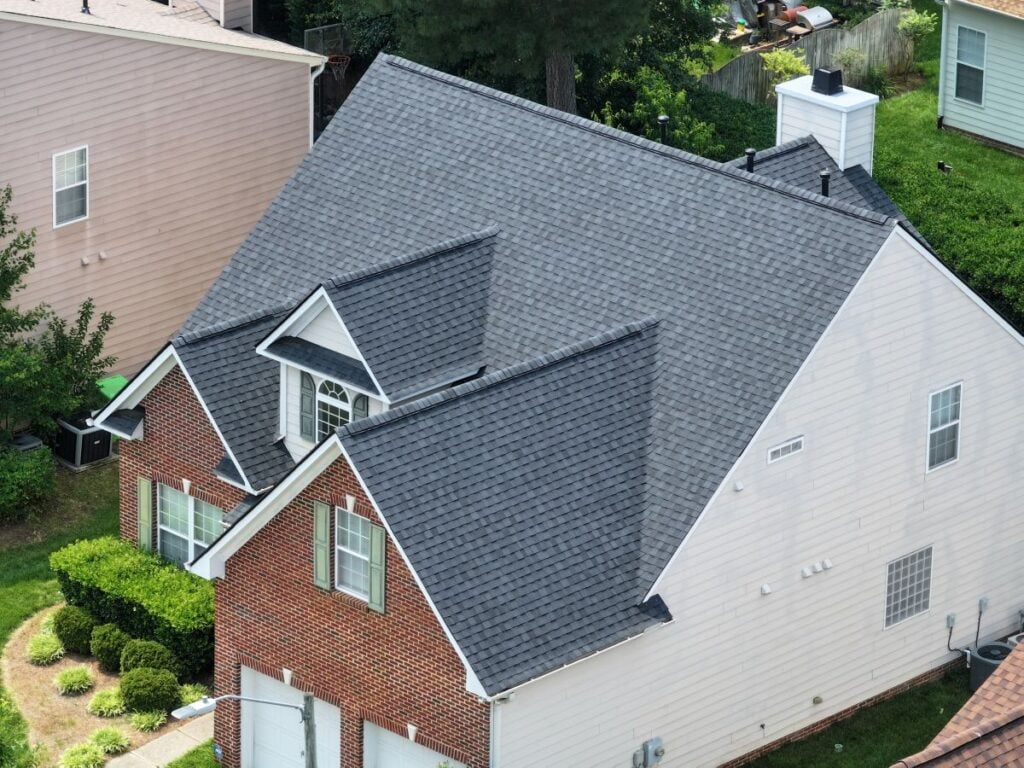
Traditional felt underlayment offers basic moisture resistance but is not fully waterproof. Ice and water shield provides enhanced protection.
Key advantages include:
- Self sealing capability
- Higher tear resistance
- Improved performance during temperature fluctuations
For homeowners in Durham and surrounding areas, where weather patterns can shift quickly, this added durability is valuable.
5. It Strengthens Wind Resistance
Strong winds can lift shingles or drive rain upward beneath roofing materials. Ice and water shield acts as a secondary defense if shingles become compromised.
This membrane:
- Remains bonded to decking
- Resists water intrusion even under pressure
- Adds resilience during severe storms
While shingles are the first line of defense, this layer protects what lies beneath.
6. Proper Installation Makes All the Difference
Even the best material will fail if installed incorrectly. Professional installation ensures proper overlap, adhesion, and placement.
Best practices include:
- Installing on clean, dry decking
- Following manufacturer overlap requirements
- Sealing seams correctly
Precision during installation supports long term reliability.
How Ice and Water Shield Works Within Your Roofing System
A roof is made up of multiple layers that work together to keep moisture out. Ice and water shield is one of those essential components.
Shingles protect the roof surface. Underlayment provides backup moisture resistance. Flashing protects vulnerable transitions. Ice and water shield reinforces the most at risk areas where leaks commonly begin.
Supporting Flashing Systems
Flashing protects roof penetrations and transitions. Installing ice and water shield beneath flashing creates additional protection in case flashing shifts or deteriorates over time.
Reinforcing Valleys
Roof valleys handle high volumes of water during heavy rain. Ice and water shield provides critical reinforcement in these sections.
Enhancing Overall Moisture Protection
Even if shingles are damaged during a storm, the shield remains in place to prevent immediate interior leaks.
Homeowners in Durham and surrounding areas benefit from roofing systems that consider both surface protection and underlying barriers.
Ice and Water Shield vs Other Underlayment Options
Understanding the difference between underlayment types helps homeowners choose the right roofing components.
Below is a general comparison of common options.
| Feature | Ice and Water Shield | Synthetic Underlayment | Felt Paper |
| Waterproof | Yes | Water resistant | Water resistant |
| Self Sealing | Yes | No | No |
| Tear Resistance | High | High | Moderate |
| Best Use Areas | Eaves and valleys | Full coverage | Budget projects |
While synthetic underlayment provides strong performance across large areas, ice and water shield offers unmatched protection in leak prone zones.
When Should You Consider Adding Ice and Water Shield?
Not every roof has adequate moisture protection. Knowing when to upgrade can prevent future problems.
- During Roof Replacement: Replacing your roof is the ideal time to add ice and water shield. It can be integrated seamlessly beneath new shingles.
- After Storm Damage: If your roof has experienced wind or hail damage, adding this protective membrane during repairs enhances resilience.
- In Areas With Temperature Swings: Fluctuating temperatures increase the risk of ice dams and moisture intrusion.
- When Building Code Requirements Change: Local codes may require specific underlayment standards during replacement projects.
Homeowners in Durham and surrounding areas often find that investing in stronger moisture barriers provides long term peace of mind.
Long Term Value and Maintenance Considerations
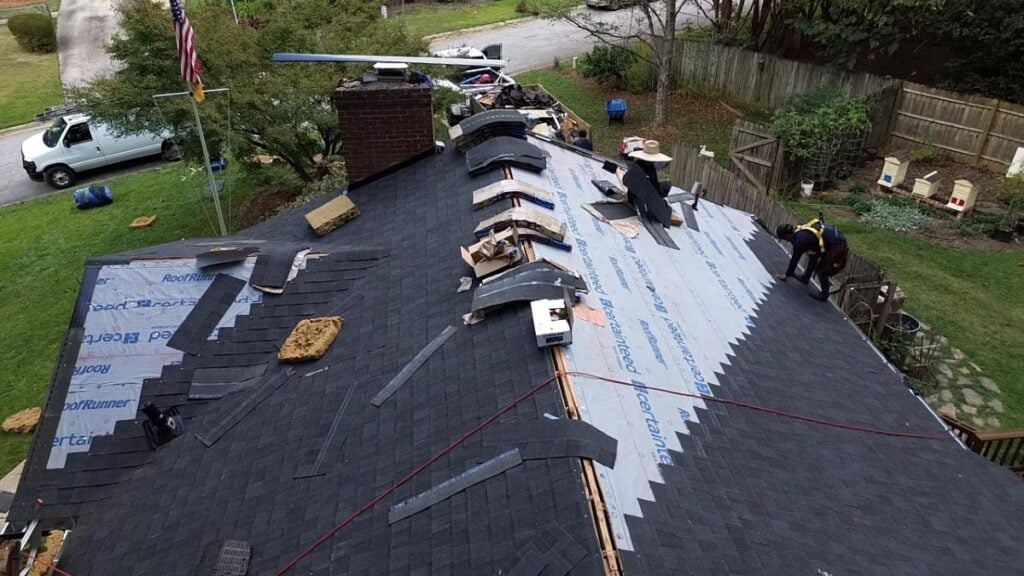
Although ice and water shield is not visible once installed, it plays a significant role in roof longevity. By preventing water intrusion at vulnerable points, it reduces the likelihood of structural damage.
Routine inspections help ensure that shingles, flashing, and drainage systems continue functioning properly.
Long term benefits include:
- Reduced risk of hidden leaks
- Lower repair frequency
- Improved structural durability
Investing in high quality underlayment today can prevent costly repairs in the future.
Protect Your Roof with the Right Underlayment
An ice and water shield roof system provides critical protection against moisture intrusion in the most vulnerable areas of your home. While shingles serve as the outer defense, this membrane offers essential backup protection when weather conditions become severe.
If you are planning a roof replacement or want to ensure your current roofing system includes proper moisture barriers, contact us today and let Barkley-Jensen Roofing provide expert installation and dependable service for homeowners in Durham and surrounding areas. A properly protected roof safeguards your home for years to come.