




 Get Started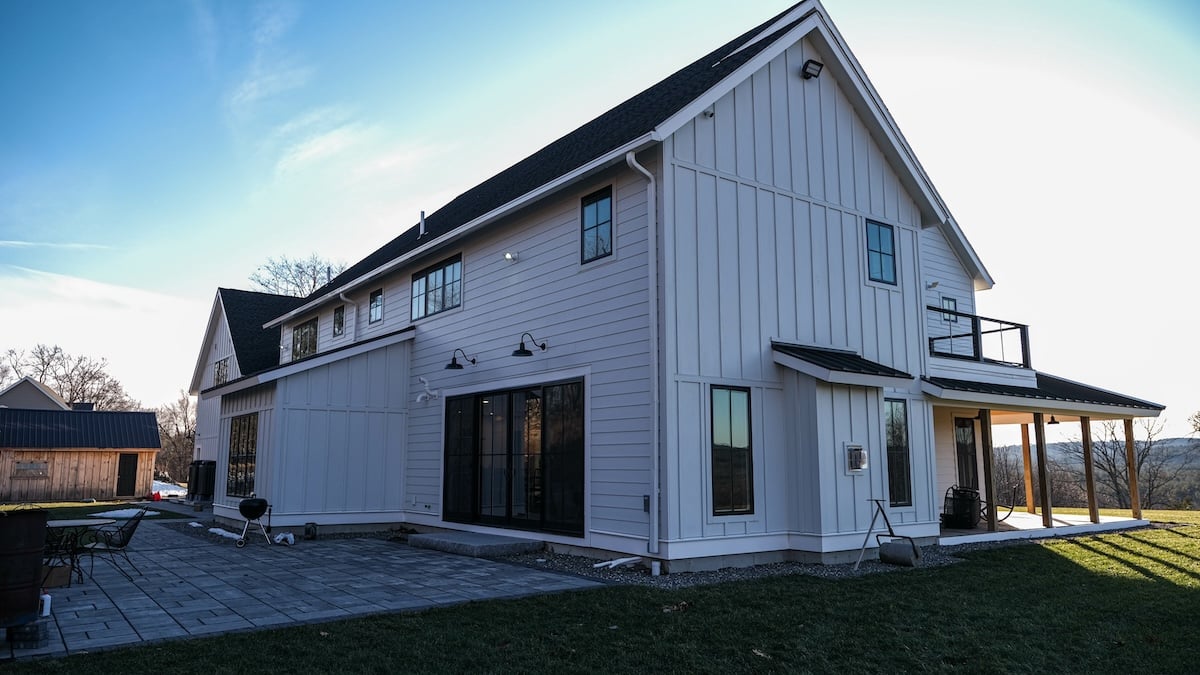
Is James Hardie Siding Really That Good? (7 Pros & Cons)
12.09.2025
6 Min Read
Choosing the right siding for your home is a decision that impacts both aesthetics and protection. When considering options, james hardie siding often emerges as a popular choice among homeowners looking for durability and style. Understanding its advantages and potential drawbacks can ensure you make an informed decision for your property. If you want to explore professional siding options, consider checking out trusted services that specialize in siding installation and maintenance to get a clearer picture.
- Discover why James Hardie siding is a top contender in the market.
- Learn the top 7 pros of opting for James Hardie siding.
- Understand the 7 cons or challenges that come with this siding.
- Get insights into how this siding compares to other popular materials.
- Find out what to consider before making your purchase and installation decisions.
Why James Hardie Siding Stands Out in the Market
James Hardie siding has carved a niche in the exterior materials industry due to its unique composition and benefits. It combines fibers and cement to create a product designed to resist various weather conditions, pests, and time. Here’s what makes it a significant option for homeowners:
- Durability: Engineered to resist rot, warping, and cracking.
- Weather Resistance: Performs well in different climates including humid, cold, and hot environments.
- Low Maintenance: Requires less upkeep than traditional wood siding.
- Aesthetics: Offers a natural wood-like finish with a wide range of colors and styles.
- Warranty: Often backed by industry-leading warranties, providing peace of mind.
7 Pros of James Hardie Siding
James Hardie siding is known for combining long-term durability with design versatility, making it a top choice for homeowners seeking lasting value. These key advantages highlight why it consistently outperforms many traditional siding materials.
1. Exceptional Longevity
One of the most praised qualities of James Hardie siding is its lifespan. Backed by warranties that can span 30 to 50 years, this material endures harsh elements without significant deterioration.
- Highly resistant to moisture damage, reducing the risk of rot.
- Not prone to insect damage such as termites.
2. Fire Resistance
James Hardie siding is composed largely of cement and cellulose fibers, making it less combustible than vinyl or wood alternatives.
- Earns a Class A fire rating, the highest possible on siding materials.
- Provides an additional safety layer for homes, particularly in wildfire-prone regions.
3. Low Maintenance Requirements
Compared to wood siding that requires frequent painting and sealing, James Hardie siding maintains its appearance with minimal upkeep.
- Painted surface provided by factory finish resists fading and chalking.
- Simple cleaning routines like occasional washing keep it looking new.
4. Versatility in Design
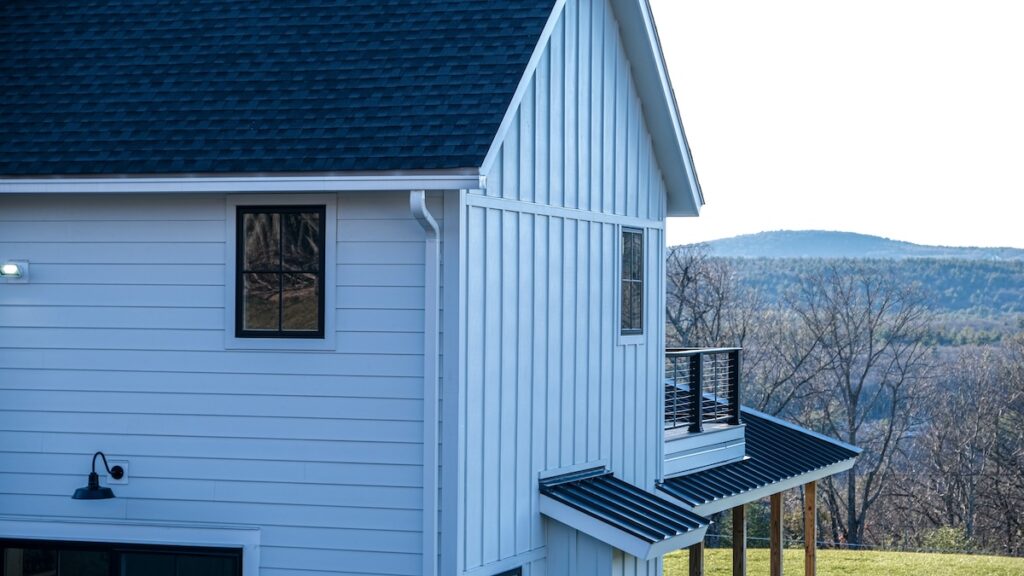
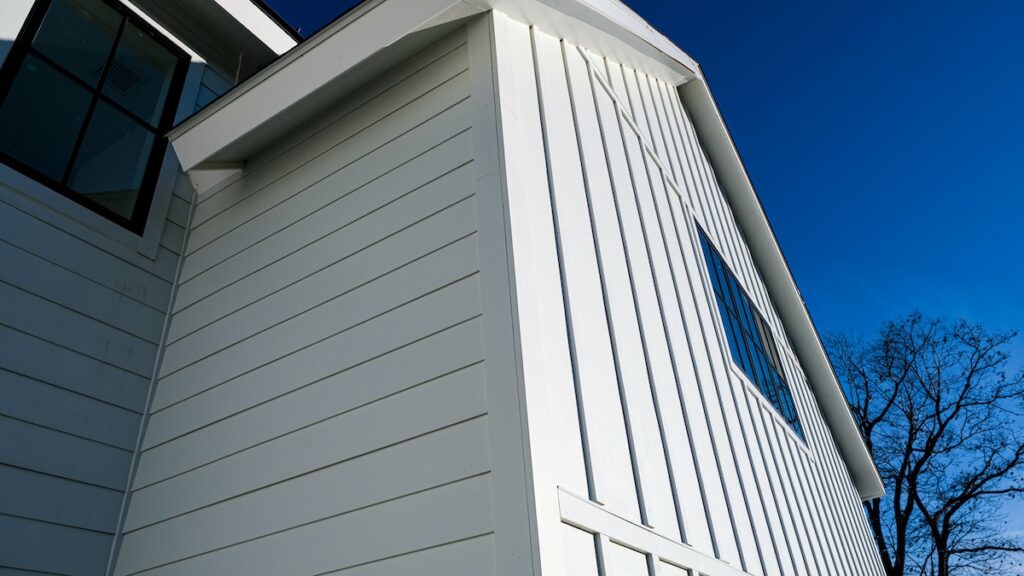
This siding comes in diverse profiles such as lap, panel, and shingle styles, allowing customization to match various architectural aesthetics.
- Paintable surfaces provide homeowners flexibility with color choices.
- Can mimic the look of traditional wood siding without the drawbacks.
5. Resistance to Common Siding Issues
James Hardie siding is impervious to many problems that affect natural wood siding.
- Not vulnerable to warping or swelling due to moisture.
- Protects against fungal growth and mold accumulation.
- Insect resistant, providing longevity and fewer repair needs.
6. Enhances Home Value
Homes outfitted with James Hardie siding are often appraised higher due to the material’s reputation for durability and curb appeal.
- Appealing exterior boosts attractiveness for potential buyers.
- Long-term savings on maintenance can add to overall property value.
7. Environmentally Responsible Option
Manufactured with sustainable practices, some James Hardie products contain recycled content, making them a greener siding choice.
- Reduces the need for frequent replacements, limiting waste.
- Non-toxic and safe for nearby landscaping and environment.
7 Cons of James Hardie Siding
While James Hardie siding offers many advantages, it is important to consider potential disadvantages to determine if it fits your specific needs.
1. Higher Initial Cost
The upfront expense for James Hardie siding generally exceeds that of vinyl or wood, which may impact budget-conscious homeowners.
- Material cost is higher per square foot.
- Installation requires trained professionals, adding to labor charges.
2. Specialized Installation Needed
Proper installation is crucial to maintain warranty coverage and ensure performance. Not every contractor has experience with cement fiber siding.
- Incorrect installation can lead to moisture issues and product failure.
- Expect to verify contractor credentials to avoid problems.
3. Weight and Handling
Compared to vinyl or wood siding, James Hardie is heavier and less flexible, which can complicate transport and installation.
- May require additional structural reinforcement in some cases.
- Bulkier materials may increase labor time and effort.
4. Limited Impact Resistance
While durable overall, James Hardie siding can crack or chip under heavy impact, such as hailstorms or stray projectiles.
- Repairs may be more difficult or costly than with vinyl siding.
- Regular inspections after storms can help identify damage early.
5. Moisture Management is Critical
Despite resistance to rot, incorrect installation or poor maintenance leading to trapped moisture behind siding can cause problems.
- Proper flashing and ventilation are mandatory during installation.
- Homeowners should monitor for water intrusion signs.
6. Color Fading Over Time
Although factory-applied paints are durable, exterior exposure can eventually cause some fading requiring repainting.
- Repainting can add to maintenance costs every 10 to 15 years.
- Some colors may show fading more rapidly under intense sun.
7. Environmental Sensitivities During Installation
Cutting fiber cement produces silica dust that must be properly controlled during installation to protect workers’ health.
- Professional crews follow strict safety standards.
- Homeowners should inquire about these precautions during contracting.
Understanding James Hardie Siding’s Competitive Landscape
When choosing your home’s exterior, considering alternatives is necessary. James Hardie siding compares closely with common materials like vinyl, wood, and aluminum. Here are several key points of comparison:
Durability Comparison
- James Hardie: High resistance to damage, long-lasting with proper care.
- Vinyl: Lightweight and low maintenance but can crack in extreme temperatures.
- Wood: Attractive but prone to rot, insects, and maintenance demands.
Aesthetic Versatility
- James Hardie: Offers a natural wood look with customizable color palettes.
- Vinyl: Limited texture options, often less natural in appearance.
- Wood: Excellent visual appeal but requires frequent repainting or staining.
Cost Considerations
| Material | Average Cost per Square Foot | Maintenance Costs |
| James Hardie | $6 to $12 | Low to moderate |
| Vinyl | $3 to $7 | Low |
| Wood | $5 to $10 | High |
Choosing the best siding option rests on balancing these factors with your home’s location and your preferences.
Steps to Prepare for Installing James Hardie Siding
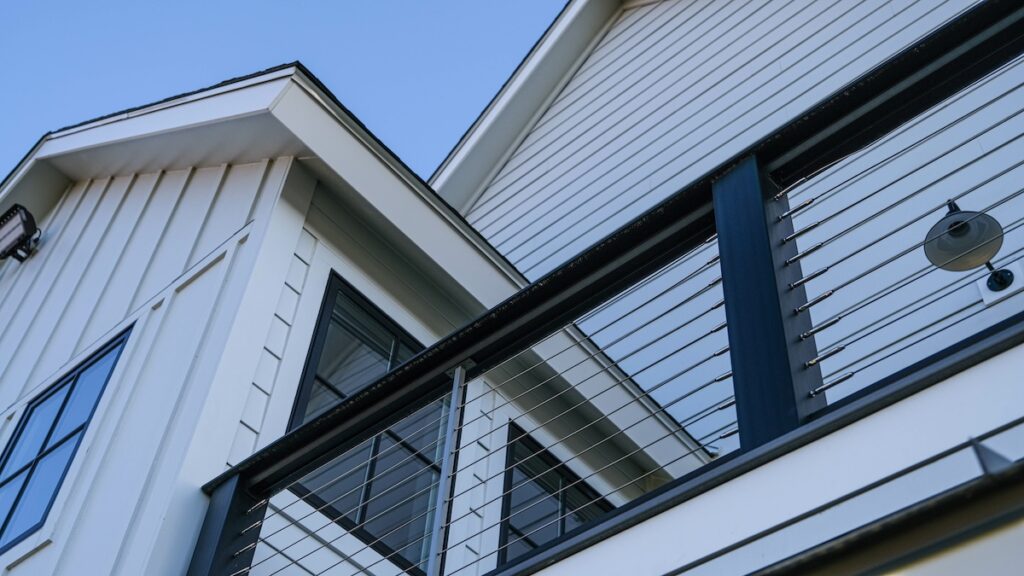
Knowing the proper steps for a successful siding project helps ensure you maximize your investment. Here are practical considerations:
- Evaluate Existing Exterior Condition: Before installation, inspect your current siding and wall sheathing for damage or moisture issues needing repair.
- Choose the Right Style and Color: Select James Hardie siding profiles and colors that complement your home’s design while considering maintenance needs.
- Hire Experienced Professionals: Find siding contractors certified or experienced with James Hardie products to ensure proper techniques.
- Understand the Warranty and Maintenance: Learn warranty terms and follow recommended care guidelines to extend siding lifespan.
- Plan Scheduling Around Weather: Schedule installation in appropriate weather to avoid complications caused by moisture or freezing temperatures.
James Hardie Siding For Your Home
James Hardie siding presents a compelling siding option, blending durability, visual appeal, and long-term value. Although there are considerations such as cost and installation demands, its benefits make it well-suited for homeowners seeking a reliable exterior solution. To explore how this siding can transform your home, contact us today at Barkley-Jensen Roofing & Restoration for expert guidance and professional installation services tailored to your needs.