


 Get Started
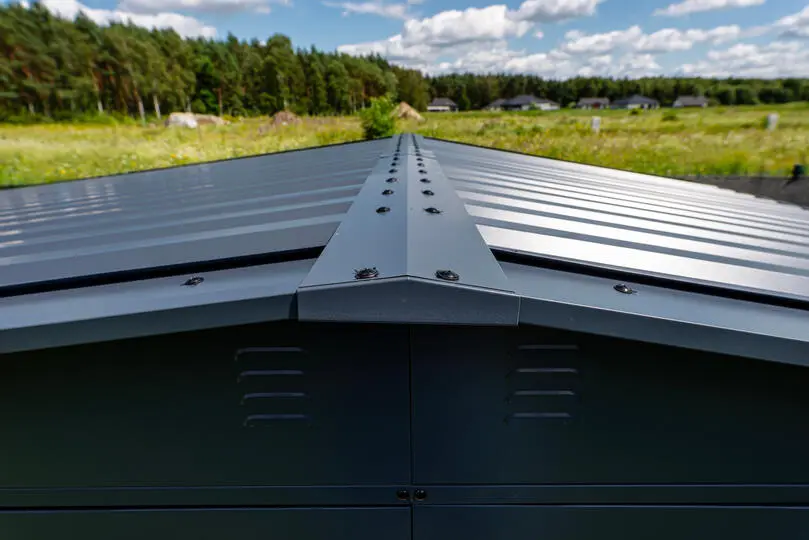
Metal Roof Ridge Cap (7 Clean Finish & Protection Tips)
10.23.2026
9 Min Read
The ridge is the highest and most exposed line on any roof, and on a metal roof it depends on a handful of small parts working together. For homeowners in Garner and surrounding areas, a well-built metal roof ridge cap delivers a clean finish and keeps wind-driven rain, pests, and debris out of the attic. A poorly detailed one can leak long before the panels wear out. Seeing how a properly finished metal roof comes together from panel to peak makes it easier to spot quality work.
Here’s what this guide covers:
- What a metal ridge cap does and why the parts beneath it matter most
- Seven tips for a clean finish and lasting protection at the peak
- How standard, vented, and concealed-fastener ridge caps compare
- How to maintain the ridge and spot problems early
- What to ask a contractor before the ridge is installed
Why The Ridge Cap Deserves Attention On A Metal Roof
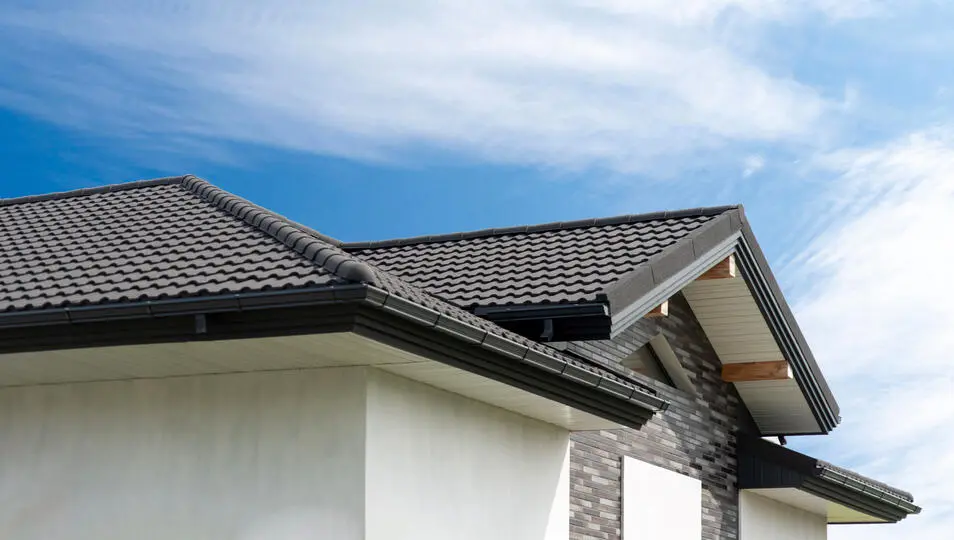
The ridge is where two roof slopes meet, and the ridge cap is the formed metal piece that covers that joint. It looks like a simple strip of trim, but it sits at the point of greatest exposure to wind, sun, and rain. Metal panels also expand and contract with temperature, so the details at the peak have to allow for movement without opening a gap.
The cap itself is only the cover. The real seal comes from the closure strips, sealant tape, and fasteners underneath it. According to InterNACHI’s life expectancy chart, metal roofing lasts 40 to 80 years, but in Garner and surrounding areas the sealants, closures, and fasteners at the ridge can need attention sooner than the metal itself. Here is why the ridge deserves care:
- Weather protection: A properly sealed cap blocks wind-driven rain and snowmelt from getting under the panels at the peak.
- Pest and debris control: Closure strips fill the gaps beneath the cap so insects, birds, and leaves cannot get into the attic.
- Attic ventilation: A vented cap paired with soffit intake lets warm, moist air escape, which helps reduce heat and condensation.
- Clean appearance: A straight, tight ridge with matched color and tidy fasteners gives the whole roof a finished look.
- Longer system life: Good detailing at the peak protects the fasteners and sealants that tend to wear out first.
7 Tips For A Metal Roof Ridge Cap That Looks Clean And Lasts
A good ridge cap comes down to choosing the right components and installing them with care. These seven tips cover the decisions that make the biggest difference, whether you are planning a new roof or evaluating a proposal.
1. Match The Cap To The Panel Profile
Metal panels come in different profiles, including corrugated, R-panel, 5V, and standing seam, and each one needs a cap and closures shaped to fit. A mismatched cap leaves gaps at the ribs that wind and water can find. Asphalt ridge cap shingles do not belong on a metal roof, since the cap must be formed metal that matches the panels.
- Exposed-fastener panels use a folded cap that fastens through the ribs
- Standing seam roofs use a cap designed to fasten to clips or Z-closures
- Always match the cap and closures to the specific panel profile
2. Choose Solid Or Vented Based On The Attic
Whether the ridge should be vented depends on how the attic is built. A vented cap works with soffit intake to move air through the attic, while a solid cap suits designs that do not rely on ridge ventilation. The closures beneath the cap need to match the choice.
- Use vented closures with a vented cap and a properly cut ridge opening
- Use solid closures for a non-vented ridge
- Confirm that soffit intake is clear before relying on ridge exhaust
3. Use Profile-Matched Closure Strips Seated In Butyl Tape
Closure strips are the actual seal under the cap. They fill the corrugations or ribs so rain, snow, and insects cannot travel beneath the metal. They are typically pressed onto a continuous run of butyl sealant tape placed along a chalk line.
- Snap a straight chalk line on both slopes before starting
- Run sealant tape along the line, then press the closures on top
- Interlock closure pieces end to end so there are no open joints
4. Fasten Correctly With Corrosion-Resistant Screws
Fastener choice and placement matter at the ridge. On exposed-fastener roofs, gasketed screws go through the cap into the ribs, and color-matched heads help them blend in. On standing seam roofs, the cap commonly attaches to clips with rivets following the panel manufacturer’s detail, which avoids exposed screw heads.
- Use corrosion-resistant fasteners with washers that seal properly
- Avoid over-driving screws, which can crush the washer and cause leaks
- Follow the manufacturer’s spacing and attachment instructions
5. Overlap And Seal Every Section
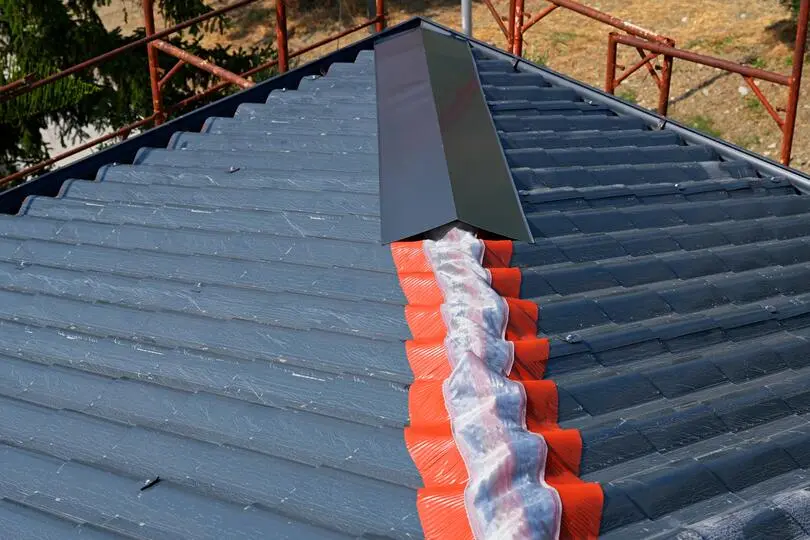
Ridge cap sections are installed in lengths, and each joint is a potential leak point. Overlapping each piece by about six inches and sealing the lap with butyl tape keeps water from working through. Starting at the end that faces away from prevailing weather helps wind-driven rain shed over the laps instead of into them.
- Overlap sections by about six inches
- Seal each lap with butyl tape or approved sealant
- Finish the ends with matching end caps
6. Plan For Thermal Movement And Cut Cleanly
Metal expands and contracts as temperatures change, and a ridge that is fastened too tightly or sealed poorly can stress the joints. Cutting also matters. Metal snips leave a clean edge, while abrasive blades can burn off the protective coating and invite rust along the cut.
- Allow for movement by following the manufacturer’s fastening pattern
- Cut with snips rather than abrasive blades
- Touch up any scratches or cut edges with compatible paint
7. Finish The Details At Hips, Gables, And Transitions
The ridge rarely stands alone. Hips, gable ends, and wall transitions each need their own trim and closures, and a clean ridge can be undone by sloppy details at the ends. Matching color and finishing every termination gives the roof a polished look and keeps water out at the corners.
- Install end caps or gable trim to close the ends of the ridge
- Use the same closure and sealant approach at hips as at the main ridge
- Check that transitions at walls and intersections are sealed and flashed
Protecting Your Ridge Cap Over The Years
A metal ridge is low maintenance, not no maintenance. Fasteners can back out, sealants can age, and closures can shift after years of heat and wind. A short routine keeps small issues from becoming leaks, which matters in Garner and surrounding areas where summer storms and heat test every detail on the roof.
- Check after major storms: Look for lifted or shifted cap sections, loose trim, or debris caught along the ridge.
- Look for backed-out screws: Fasteners that have loosened or washers that have cracked are early signs of leak risk.
- Inspect sealant and butyl at the laps: Cracked or pulled-away sealant at the joints should be addressed before water gets in.
- Watch the closure strips: Gaps, compressed foam, or signs of nesting mean the seal under the cap is no longer working.
- Touch up scratches and cut edges: Exposed metal can rust, so repairing the finish early protects the panels.
- Leave roof access to professionals: Metal roofs are slippery and a fall is serious, so a professional inspection is a safer way to check the ridge.
Standard Versus Vented Versus Concealed-Fastener Ridge Caps
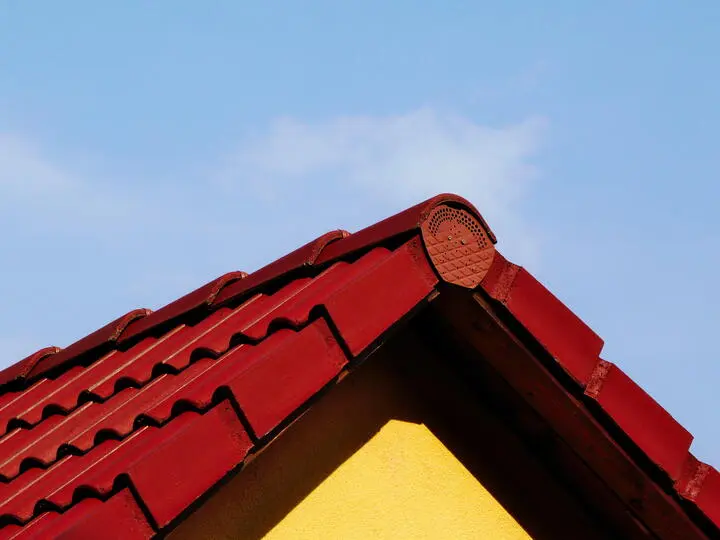
The right ridge cap depends on the panel system, the attic design, and how you want the finished roof to look. This comparison shows how the main options differ so you can match the cap to your roof.
| Cap Type | Best For | Main Strength | What To Watch |
| Standard folded cap | Exposed-fastener panels on simple roofs | Straightforward and cost-effective | Exposed fasteners need periodic checks |
| Vented ridge cap | Attics with soffit intake that need exhaust | Helps release warm, moist air | Needs matching vented closures and a proper ridge opening |
| Concealed-fastener cap | Standing seam roofs | Clean look with fewer penetrations | Must follow the panel manufacturer’s detail |
| Custom formed cap | Complex rooflines and special profiles | Fits unusual shapes and details | Higher cost and careful fabrication |
Common Ridge Problems And What Causes Them
Most ridge problems trace back to a handful of causes, and knowing them helps you diagnose what you see.
- Leaks at the peak often come from missing, crushed, or misaligned closures or from gaps in the sealant
- Backed-out screws or cracked washers allow water to follow the fastener into the roof
- Rust streaks usually start at cut edges or scratches that were never touched up
- Rattling or lifted sections point to inadequate fastening or too little overlap
- Pests nesting at the ridge signal gaps in the closure strips
Questions To Ask Your Contractor
A good installer can explain every layer of the ridge detail. These questions help you compare proposals and confirm the work will be done right.
- Is the cap matched to my panel profile, and are the closures matched too?
- Will the ridge be vented, and how does it work with my soffit intake?
- What fasteners and sealants will be used, and how are they rated for corrosion?
- How are the laps, ends, and hips detailed and sealed?
- What warranty covers the installation and the finish?
Get A Ridge Detail That Protects The Whole Roof
A metal roof is a long-term investment, and the ridge is where small details decide whether it performs for decades or develops leaks early. The right cap, matched closures, careful fastening, and regular checks keep the peak sealed and the roof looking sharp.
At Barkley-Jensen Roofing and Restoration, we look closely at the ridge and every transition on a metal roof, so homeowners in Garner and surrounding areas get a finish that is built to last and a plan for keeping it that way. If you are planning a metal roof or want a professional opinion on the ridge you already have, contact us today and the Barkley-Jensen team will schedule an inspection and walk you through what we find.