




 Get Started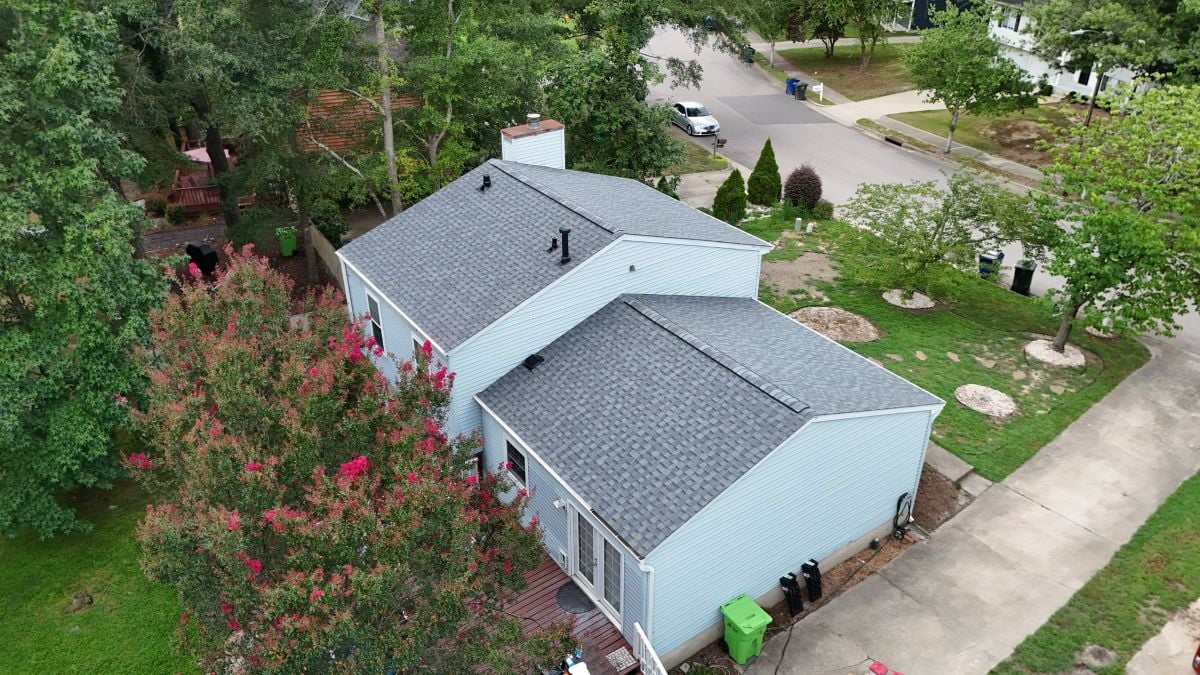
Pitched Roof Types: 8 Common Types & Choosing the Right One
04.30.2026
7 Min Read
Choosing the right roof design is one of the most important decisions you can make for your home, and a pitched roof is one of the most popular and effective options available. From durability to water drainage, the structure of your roof impacts long-term performance. Many homeowners exploring options like finding the right roofing solution for their home quickly discover how much roof shape influences protection and curb appeal.
In this guide, you will learn:
- The most common pitched roof types and how they differ
- The benefits of pitched roofing compared to other designs
- How to choose the best option for your home
- Key factors that impact performance and longevity
- What to expect when installing or replacing a pitched roof
Why a Pitched Roof Is a Smart Choice for Homeowners
A pitched roof is designed with a slope that allows water, snow, and debris to run off easily. This simple feature provides major advantages in durability and maintenance.
For homeowners in Cary and surrounding areas, where seasonal storms and heavy rainfall can occur, choosing the right roof structure plays a big role in protecting your home.
Here are some of the biggest benefits of a pitched roof:
- Improved Water Drainage: Sloped surfaces help prevent standing water, reducing the risk of leaks and damage.
- Longer Lifespan: Better drainage and ventilation contribute to extended roof longevity.
- Energy Efficiency: The design allows for improved attic ventilation and insulation performance.
- Versatile Design Options: Pitched roofs come in a variety of styles that enhance curb appeal.
- Stronger Weather Resistance: They perform well in rain, wind, and snow compared to flat roofs.
Understanding these benefits helps explain why pitched roofing remains a top choice for residential homes.
8 Common Pitched Roof Types and What Makes Each Unique
There are several types of pitched roofs, each offering different advantages depending on your home’s design and your priorities.
1. Gable Roof
The gable roof is one of the most common pitched roof designs.
- Two sloping sides that meet at a ridge
- Simple and cost-effective construction
- Excellent water and snow drainage
This design is widely used because of its simplicity and reliability.
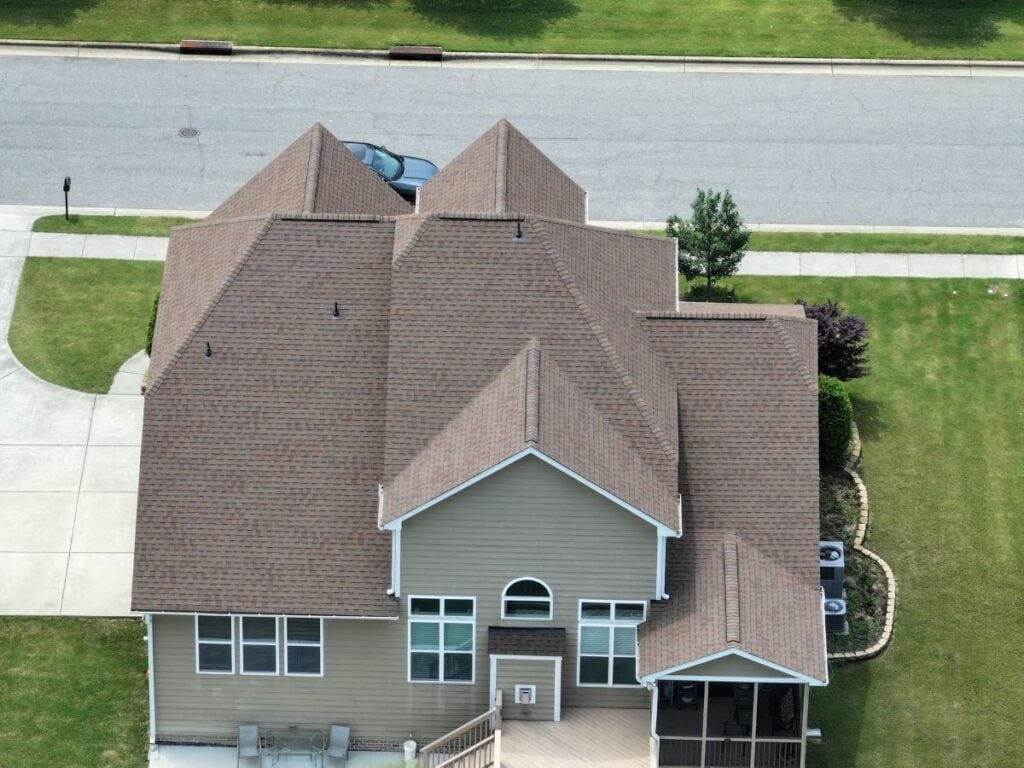
2. Hip Roof
A hip roof slopes on all four sides, creating a more stable structure.
- Better resistance to strong winds
- Even weight distribution
- More complex construction than gable roofs
Homes in Cary and surrounding areas often benefit from this design due to improved wind performance.
3. Mansard Roof
This style features two slopes on each side, with the lower slope being steeper.
- Maximizes interior living space
- Classic architectural appearance
- Requires more maintenance
It is a popular choice for homeowners looking to add usable attic space.
4. Gambrel Roof
Often seen on barns, the gambrel roof has two slopes on each side.
- Steep lower slope for extra space
- Efficient use of interior volume
- Distinctive appearance
This design is both functional and visually unique.
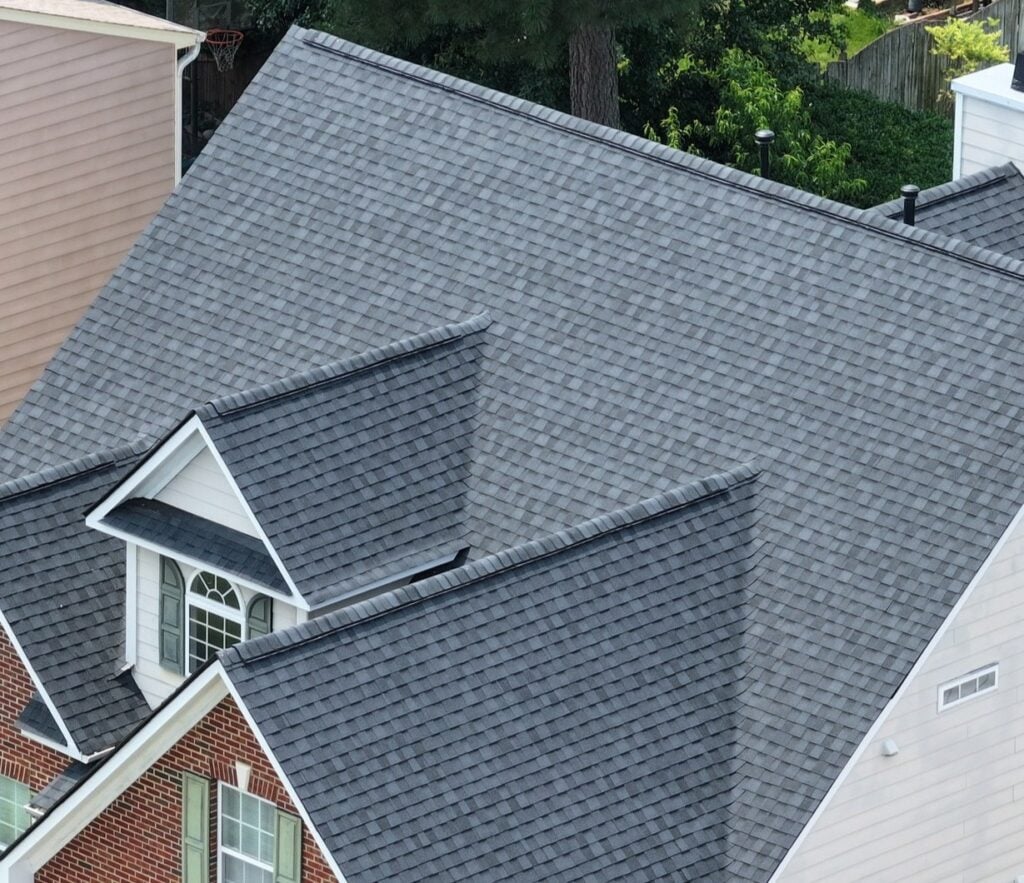
5. Shed Roof
A shed roof consists of a single sloping surface.
- Simple and modern design
- Easy to construct and maintain
- Ideal for additions or smaller homes
It is often used in contemporary architecture.
6. Butterfly Roof
This design features two slopes that angle inward, creating a valley in the center.
- Unique and modern aesthetic
- Allows for rainwater collection
- Requires careful drainage planning
While less common, it offers a striking visual appeal.
7. Saltbox Roof
The saltbox roof has an asymmetrical design with one long slope.
- Traditional colonial style
- Excellent drainage performance
- Added interior space
It is both functional and historically inspired.
8. Skillion Roof
Similar to a shed roof but often steeper, the skillion roof is used in modern homes.
- Sharp angles for a bold look
- Efficient water runoff
- Works well with solar panel installations
This type combines functionality with modern design trends.
How to Choose the Right Pitched Roof for Your Home
Selecting the right pitched roof involves more than just appearance. Several practical factors should guide your decision.
Consider Your Climate
Weather conditions play a major role in performance.
- Areas with heavy rain benefit from steeper slopes
- Wind-prone regions may require more stable designs
- Temperature changes impact material selection
In Cary and surrounding areas, balancing drainage and durability is key.
Evaluate Your Home’s Structure
Not all roof types work with every home design.
- Structural support requirements vary
- Roof pitch affects attic space
- Existing layout may limit options
Working with a professional helps ensure compatibility.
Think About Maintenance Needs
Different designs require different levels of upkeep.
- Complex roofs may need more frequent inspections
- Simpler designs are easier to maintain
- Drainage systems must be properly managed
Choosing a design that fits your maintenance preferences is important.
Balance Cost and Value
Budget plays a role in every roofing decision.
- Simpler designs cost less to install
- Complex roofs may increase labor costs
- Long-term durability affects overall value
Investing in the right design can save money over time.
Pitched Roof vs Flat Roof: Key Differences
Understanding how pitched roofs compare to flat roofs helps clarify their advantages.
Performance Comparison
| Feature | Pitched Roof | Flat Roof |
| Water Drainage | Excellent | Limited |
| Lifespan | Longer | Shorter |
| Maintenance | Moderate | Higher |
| Cost | Moderate to high | Lower upfront |
| Design Flexibility | High | Limited |
Pros and Cons Breakdown
Pitched Roof Pros:
- Better drainage and durability
- Longer lifespan
- Improved ventilation
Pitched Roof Cons:
- Higher initial cost
- More complex construction
Flat Roof Pros:
- Lower upfront cost
- Easier access for maintenance
Flat Roof Cons:
- Poor drainage
- Shorter lifespan
For most residential homes, pitched roofs offer better long-term performance.
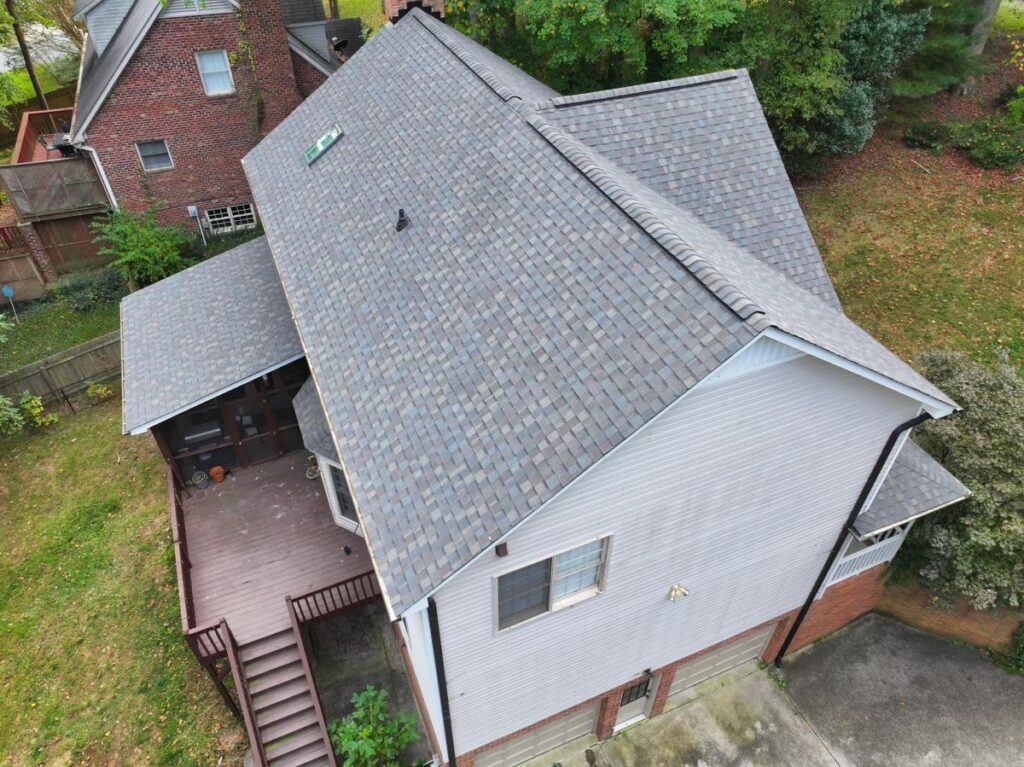
Factors That Impact Pitched Roof Longevity
Even the best roof design needs proper care to last.
Material Selection
- Asphalt shingles offer affordability and reliability
- Metal roofing provides long-term durability
- Tile and slate offer premium longevity
Choosing the right material enhances performance.
Installation Quality
- Proper flashing and sealing prevent leaks
- Accurate alignment ensures durability
- Professional installation reduces risk
Poor installation can shorten lifespan significantly.
Ventilation and Insulation
- Proper airflow prevents moisture buildup
- Insulation improves energy efficiency
- Balanced systems extend roof life
These factors work together to protect your home.
Routine Maintenance
- Regular inspections catch early issues
- Cleaning debris prevents damage
- Timely repairs extend lifespan
Maintenance is essential for long-term performance.
Frequently Asked Questions About Pitched Roofs
What is a pitched roof?
A pitched roof is a roof with a slope that allows water and debris to run off easily. It is commonly used in residential construction because it improves durability and reduces maintenance compared to flat roofs.
Are pitched roofs better than flat roofs?
In most cases, pitched roofs are better for residential homes. They provide superior drainage, longer lifespan, and better resistance to weather. Flat roofs may be suitable for certain designs but often require more maintenance.
How long does a pitched roof last?
The lifespan depends on materials and maintenance. Asphalt shingles typically last 20 to 30 years, while metal or tile roofs can last much longer. Proper installation and care are key to maximizing longevity.
What is the best pitched roof type?
The best type depends on your home’s design, climate, and budget. Gable and hip roofs are among the most popular due to their balance of cost, durability, and performance.
Can a pitched roof improve home value?
Yes, a well-designed pitched roof can increase curb appeal and overall home value. It also provides better protection, which is attractive to potential buyers.
Find the Right Pitched Roof for Your Home
Choosing the right pitched roof is about more than style. It is about protecting your home, improving efficiency, and ensuring long-term durability. With so many options available, understanding your needs and priorities is the first step toward making the right decision.
For homeowners in Cary and surrounding areas, working with an experienced roofing team ensures your roof is built to last. Barkley-Jensen Roofing provides expert guidance, quality craftsmanship, and reliable service for every project.
If you are ready to explore your options or need help choosing the right roof design, contact us today to get started with Barkley-Jensen Roofing.