




 Get Started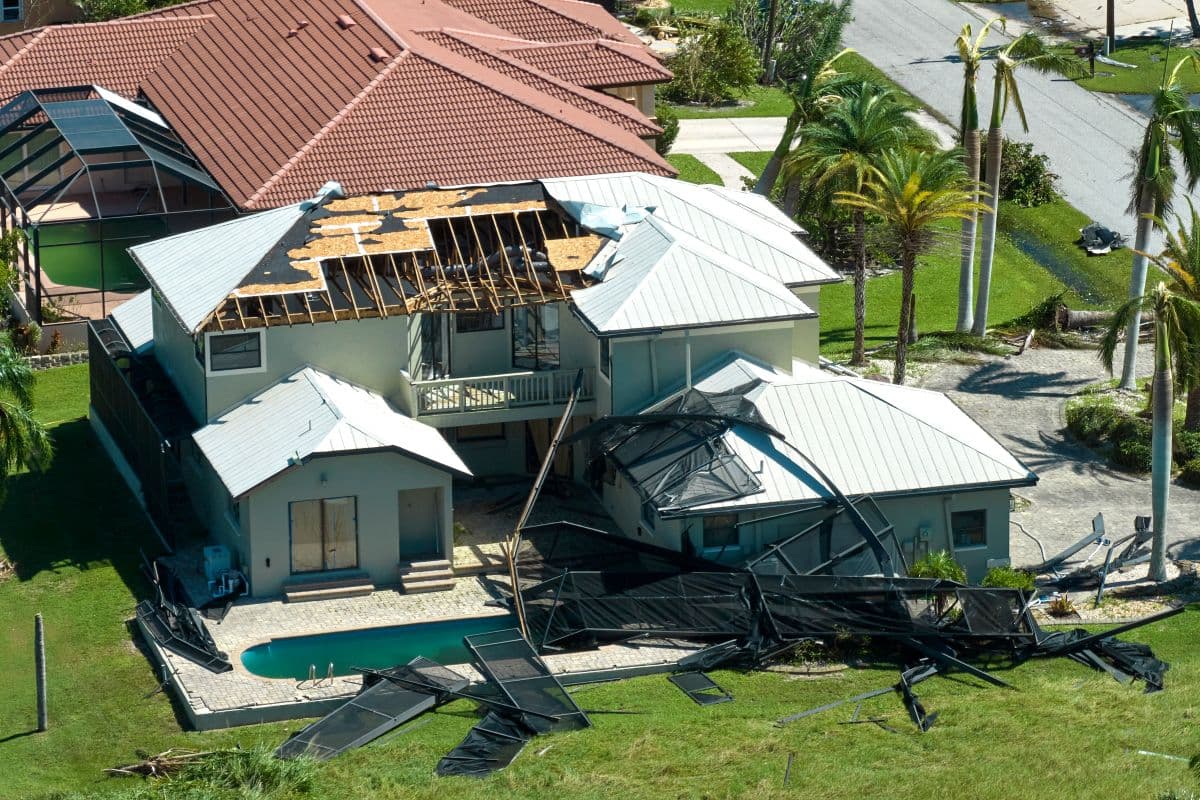
Preparing Your Roof For Hurricane Season In Greenville, NC
10.08.2026
12 Min Read
Greenville is not on the coast, but that does not keep it out of a hurricane’s path. Eastern North Carolina sits directly in the track of storms that barrel inland from the Atlantic, and Greenville’s position along the Tar River has made it one of the most storm-affected inland cities in the state. For homeowners here, preparing your roof for hurricane season in Greenville, NC is not a precaution reserved for beachfront properties. It is a practical necessity in a city that has absorbed major tropical systems repeatedly across decades. Understanding what proper hurricane-ready roof installation and inspection looks like before the season arrives is the best investment you can make for your home’s protection.
Here’s what this guide covers:
- Why Greenville’s location creates specific hurricane roofing risks
- The most important preparation steps before hurricane season begins
- What parts of your roof are most vulnerable during a storm
- How to understand your options for improving wind resistance
- What to do immediately after a storm passes
Why Greenville Roofs Face A Higher Hurricane Risk Than Most Homeowners Realize
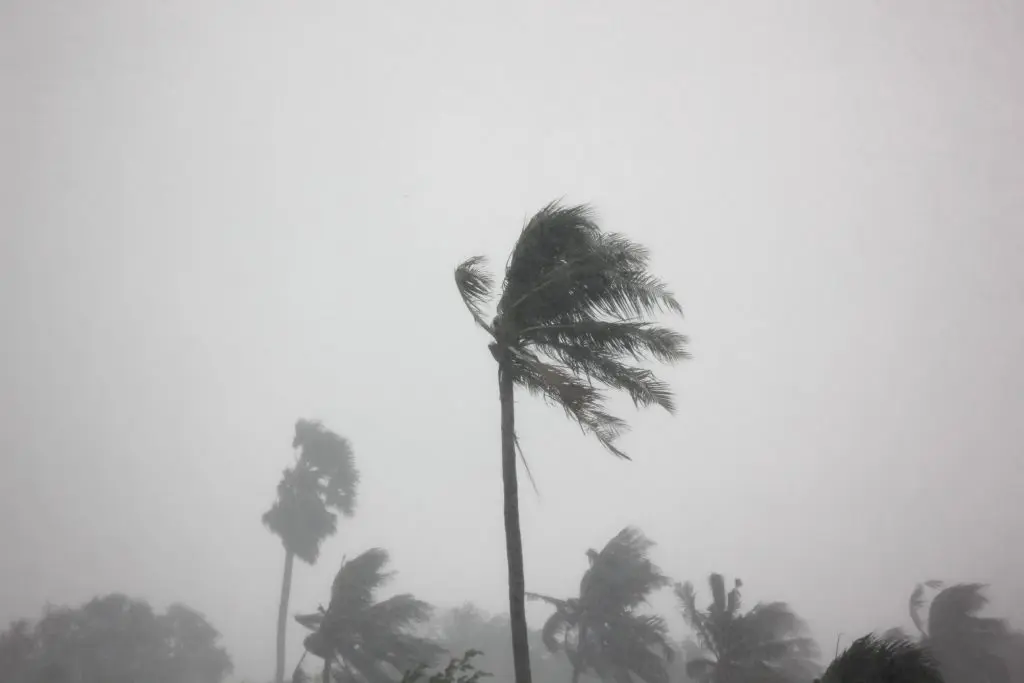
According to data from East Carolina University’s emergency preparedness office, Greenville has been impacted by 43 tropical systems in the past 30 years, 28 of which were classified as tropical storms or hurricanes. That frequency places Greenville squarely among the most storm-exposed inland cities in the state, a fact that surprises many homeowners who associate serious hurricane exposure only with coastal communities.
The history is specific. Hurricane Fran produced a 100-mph wind gust in Greenville in 1996. Hurricane Floyd turned the Tar River into a catastrophic flood that submerged large sections of the city in 1999. More recently, tropical systems continue to track through eastern North Carolina on a regular basis during the June through November season. For homeowners in Greenville, preparing for hurricane season is not hypothetical planning. It is responding to a documented, repeating pattern of significant storm events.
Here’s why the preparation conversation starts and ends with the roof:
- The roof is the first and most exposed defense: Every other part of your home’s interior depends on the roof holding together when wind and wind-driven rain arrive. Once the roof is compromised, water intrusion begins within minutes and can cause structural, electrical, and HVAC damage that multiplies the repair cost dramatically.
- Roof damage drives the majority of storm losses: Research from the Insurance Institute for Business and Home Safety (IBHS) documents that roof-related damage is responsible for 70 to 90 percent of total losses in wind and hail events, making it the single highest-leverage area for pre-storm investment.
- Age dramatically increases vulnerability: IBHS post-hurricane Ian research found that nearly half of asphalt shingle roofs in the impact zone had detectable damage, with roofs 10 or more years old showing especially high failure rates. Many Greenville homes fall into that age window.
- Storm damage cascades quickly: A single lifted shingle creates an entry point for wind-driven rain. That moisture can reach insulation, framing, drywall, and electrical components before the storm even passes, turning a roofing problem into a whole-home problem.
- Insurance outcomes depend on pre-storm condition: Insurers examine maintenance history when processing claims. A roof with documented inspection history and appropriate repairs in place is in a fundamentally stronger position than one with deferred maintenance that a post-storm inspector can point to.
5 Steps To Prepare Your Roof For Hurricane Season In Greenville
Preparation is not a single action. It is a series of concrete steps completed before the season starts, ideally before June 1 each year. Here is a systematic approach that addresses the areas that matter most.
1. Schedule A Professional Pre-Season Inspection
A ground-level visual check gives homeowners a general sense of their roof’s condition but misses the details that determine storm performance. A professional inspection covers the full shingle surface for lifted tabs, failed adhesive seals, cracked or missing pieces, granule loss, and edge conditions at the eaves and rakes. It also includes a flashing evaluation at every penetration, a ridge cap assessment, and an attic check for signs of existing moisture intrusion, rafter condition, and deck integrity.
In Greenville, scheduling this inspection in April or May, before the season begins, gives you time to address any findings before storm conditions arrive. Contractors are also significantly easier to reach in the pre-season window than they are immediately before or after a named storm.
- Look for a contractor who inspects from the roof surface, not just from the ground
- Ask specifically about adhesive seal strip condition on shingles, as failed seals are the leading mechanism of shingle loss in wind events
- Get findings in writing so you have documentation of the roof’s pre-storm condition
2. Repair Or Replace Any Compromised Shingles Before The Season

Shingles that are already curled, cracked, lifted, or missing granules are the first ones to fail under storm wind loads. IBHS testing has confirmed that asphalt shingles, particularly older ones, can begin dislodging in winds as low as 60 mph. A minimal Category 1 hurricane brings sustained winds of 74 mph. A shingle that’s marginal under ordinary conditions is already a liability before the storm arrives.
Address any shingles in compromised condition before June. Pay particular attention to the perimeter of the roof, at eaves and rake edges, where wind uplift forces are disproportionately higher than in the field of the roof.
- Starter strips and edge shingles at the eaves and rakes experience the highest uplift forces during storms
- Ridge cap shingles are the most exposed component on the entire roof and should be inspected carefully
- Any shingle with lifted corners or failed adhesive represents an active risk that increases meaningfully in high winds
Step 3. Inspect And Seal All Flashing Points
Flashing is the metal material installed at every point where the roof surface meets a vertical element, including chimneys, plumbing vents, HVAC penetrations, skylights, dormers, and roof-to-wall transitions. These are the locations where wind-driven rain finds pathways into the structure even when the shingles themselves remain intact.
Before hurricane season, examine or have a professional examine every flashing location. Look for gaps in sealant, lifted flashing edges, rust or corrosion, and areas where the flashing has separated from the adjacent surface. Reseal any compromised joints with compatible roofing sealant. In Greenville’s storm history, flashing failures at penetrations have been a consistent secondary driver of interior water damage during major events.
- Chimney flashing is one of the most common failure points and should receive specific attention
- Valley flashing, where two roof planes meet, handles concentrated water flow during heavy rain events
- Any sealant that shows cracking or separation needs to be replaced, not simply painted over
4. Check Gutters, Downspouts, And Roof Drainage
During a hurricane or significant tropical storm, rainfall rates can overwhelm drainage systems that perform adequately under normal conditions. Clogged gutters overflow and direct water behind the fascia and into the roof edge, which is one of the fastest pathways for storm water to reach the roof deck and interior framing.
Clean gutters completely before hurricane season. Confirm that all downspouts are clear and that water is directed away from the foundation. Check that gutter hangers are secure, as gutters that pull away from the fascia during a storm expose the fascia board and the roof edge to direct water contact.
- Downspout extensions that direct water at least five feet from the foundation reduce the risk of basement or crawlspace infiltration during heavy storm rain
- Gutters with debris screens or guards should still be checked, as fine debris can bypass screening and accumulate at downspout openings
- In Greenville’s flat terrain, standing water around the foundation after a storm is a common secondary problem when drainage is inadequate
5. Assess Your Attic For Ventilation And Structural Adequacy
The attic is where the condition of your roof framing becomes visible. Before hurricane season, a flashlight inspection of the attic can reveal soft or spongy decking from prior moisture intrusion, cracked or deflected rafters, and evidence of existing leaks that indicate the roof system has already been compromised. It can also confirm whether ridge vents and soffit vents are clear and functional.
IBHS field research after Hurricane Ian identified compromised ridge and soffit ventilation as one of the most overlooked failure mechanisms. When ridge vents fail under storm winds, wind-driven rain enters the attic directly and rapidly, creating interior pressurization that can contribute to catastrophic roof uplift. Verify that your attic ventilation is intact and unobstructed before the season begins.
- Look for any daylight visible through the roof deck from inside the attic, which indicates existing gaps
- Check that rafter-to-wall plate connections are visible and intact. Metal hurricane straps at these connections significantly improve wind resistance
- Homes built before 1995 in North Carolina may lack hurricane straps entirely; a structural contractor can assess and add them
The Parts Of Your Roof Most Vulnerable In A Hurricane
Understanding where storms attack your roof helps prioritize what to inspect and reinforce. Wind does not damage roofs uniformly. It exploits specific weak points in a consistent sequence.
- Eaves and rake edges: The perimeter of the roof experiences the highest uplift pressure in a storm. Wind moving over the roof surface creates negative pressure at the edges, effectively pulling shingles upward from the outside. Starter strips with proper adhesive seals and securely fastened drip edge significantly reduce this risk.
- Ridge cap: The ridge sits at the highest point of the roof and is exposed on both sides simultaneously. Ridge cap shingles with failed adhesive strips are among the first to lift in sustained winds, and once the ridge is open, wind has direct access to the attic space from the peak down both slopes.
- Flashing at penetrations: Every pipe, vent, skylight, and chimney is a location where wind-driven rain finds pathways the shingles can’t stop. Flashing that’s been compressed or separated by years of thermal cycling fails specifically under the concentrated water flow of a major storm.
- Older adhesive seals: The seal strips on asphalt shingles, which bond adjacent shingles together, have a finite effective life. On roofs 10 or more years old, those seals have often degraded to the point where wind can begin lifting individual shingles in conditions well below hurricane force.
Understanding Your Upgrade Options Before The Season
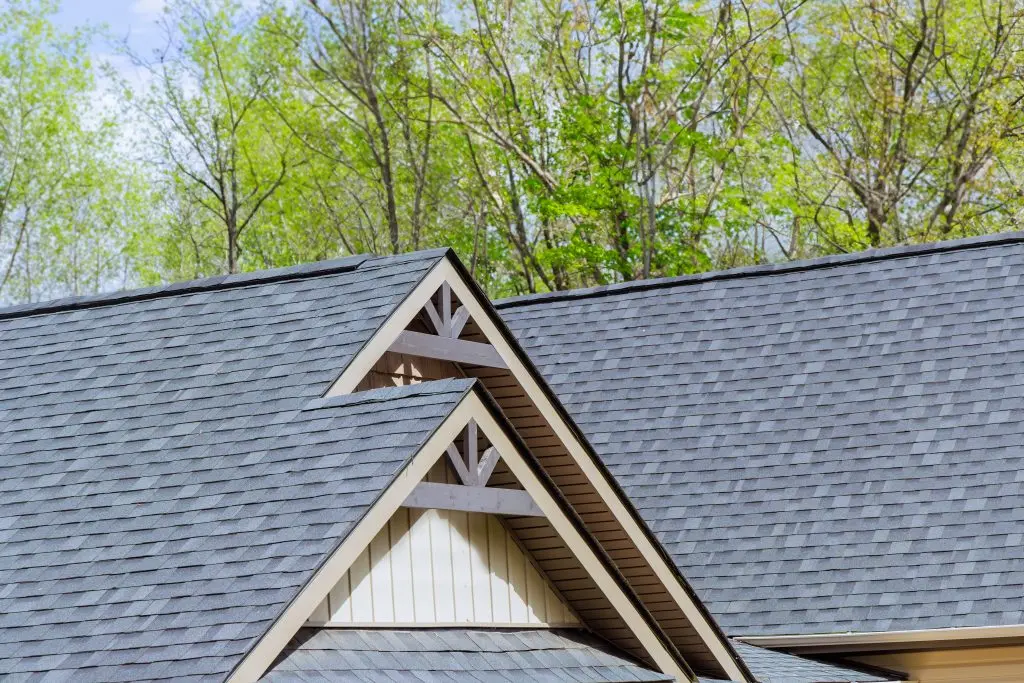
Inspection and repair address existing deficiencies. For homeowners who want to go further, several upgrades meaningfully improve a roof’s storm performance.
FORTIFIED Roof Certification
The IBHS FORTIFIED Roof program is a verified third-party certification that requires specific installation upgrades: ring shank nails for deck attachment, which provide 75% more holding power than smooth nails, a sealed roof deck to limit water intrusion if the cover is damaged, and locked-down roof edges with adhered starter strips and securely fastened drip edge. A FORTIFIED designation is recognized by major insurers and can qualify homeowners for meaningful premium discounts, typically 15 to 45 percent in states with active programs.
Impact-Resistant Shingles
Class 4 impact-resistant shingles carry a UL 2218 rating that reflects significantly better resistance to hail and wind-driven debris impacts. In eastern North Carolina, where tropical systems bring both high winds and debris, upgrading to a Class 4 product at the time of roof replacement is one of the highest-return improvements available within the asphalt shingle category.
Hurricane Straps And Rafter Tie Reinforcement
In homes that lack hurricane straps, a structural contractor can access the attic and install metal connectors that secure the roof rafters or trusses to the exterior wall framing. This connection is the critical link that keeps the roof structure attached to the house under the uplift forces a major storm generates. Homes built before the mid-1990s are most likely to be missing this connection.
After The Storm: What To Do First
When a storm has passed, the priority before entering the home or attempting any assessment is confirming that conditions are safe. Downed power lines, structural instability, and debris hazards are all real risks in the immediate post-storm period.
Once conditions are safe, document the roof’s exterior condition from the ground with photographs before any debris is moved or any repairs are made. This documentation is essential for insurance claims and should precede any contractor calls. Look for missing shingles, visible damage to the ridge line, debris on the roof surface, and damage to gutters, fascia, or drip edge.
Contact a roofing professional for a post-storm inspection before authorizing any work. Emergency tarping to protect an open roof from additional rain is appropriate as a temporary measure, but permanent repair decisions should be made after a systematic professional assessment, not under the pressure of immediate post-storm urgency.
Get Your Roof Ready Before The Season Starts
In Greenville, hurricane season is a recurring reality, not a remote possibility. The preparation steps in this guide address the specific vulnerabilities that have driven storm losses in eastern North Carolina storms repeatedly across decades. A roof that has been inspected, repaired, and prepared for the season performs measurably better than one that hasn’t, and that difference shows up in damage outcomes, insurance claims, and recovery timelines.
At Barkley-Jensen Roofing and Restoration, we work with Greenville homeowners before, during, and after storm season to make sure their roofs are in the best possible condition to handle what the Atlantic basin sends their way. If you want a professional assessment of your roof’s hurricane readiness before the season is underway, contact us today and the Barkley-Jensen team will get your inspection scheduled.