




 Get Started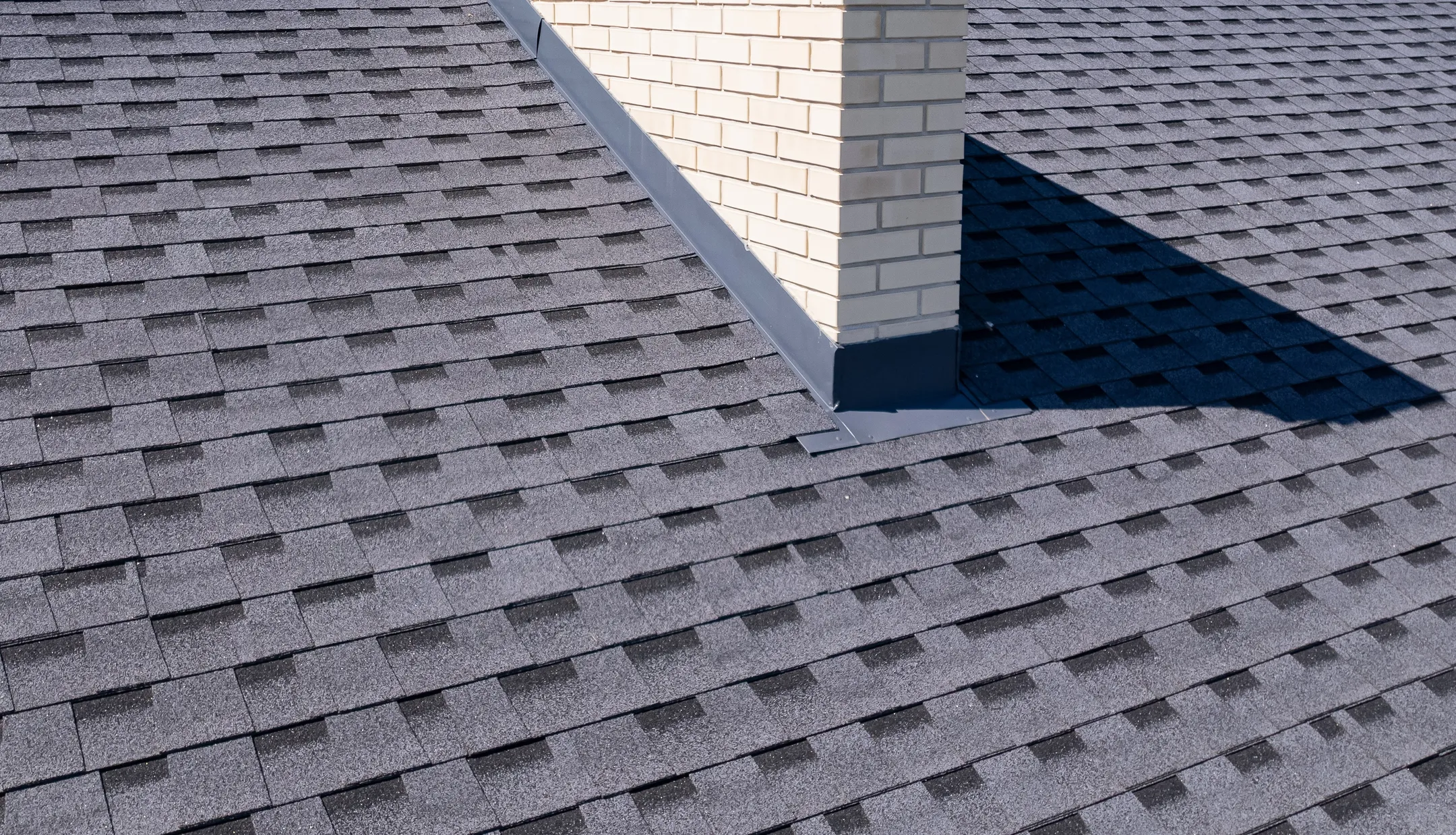
What is Roof Flashing & Why It’s Important
03.13.2025
8 Min Read
When thinking about roofing, most people picture shingles or tiles. However, an overlooked yet crucial component of any roof is roof flashing. This thin metal material plays a vital role in preventing water damage by sealing seams, protecting joints, and directing water away from vulnerable areas.
If you’ve found yourself wondering, “What is roof flashing?” or “Do I really need it for my home?”, you’ve come to the right place. This blog will guide homeowners through the essentials of roof flashing by covering:
- What roof flashing is and how it works
- Why roof flashing is essential for protecting your home
- A step-by-step guide to identifying potential flashing issues
🤔 What Is Roof Flashing?
Roof flashing is a thin, water-resistant material (usually metal) installed wherever water is likely to pool, seep, or run excessively. It’s most commonly applied in roof valleys, around chimneys (chimney flashing), skylights, vents, and along edges like dormers and eaves (base flashing). Flashing acts as a critical barrier against leaks, preventing water from penetrating your home and causing damage to roofs, ceilings, and walls.
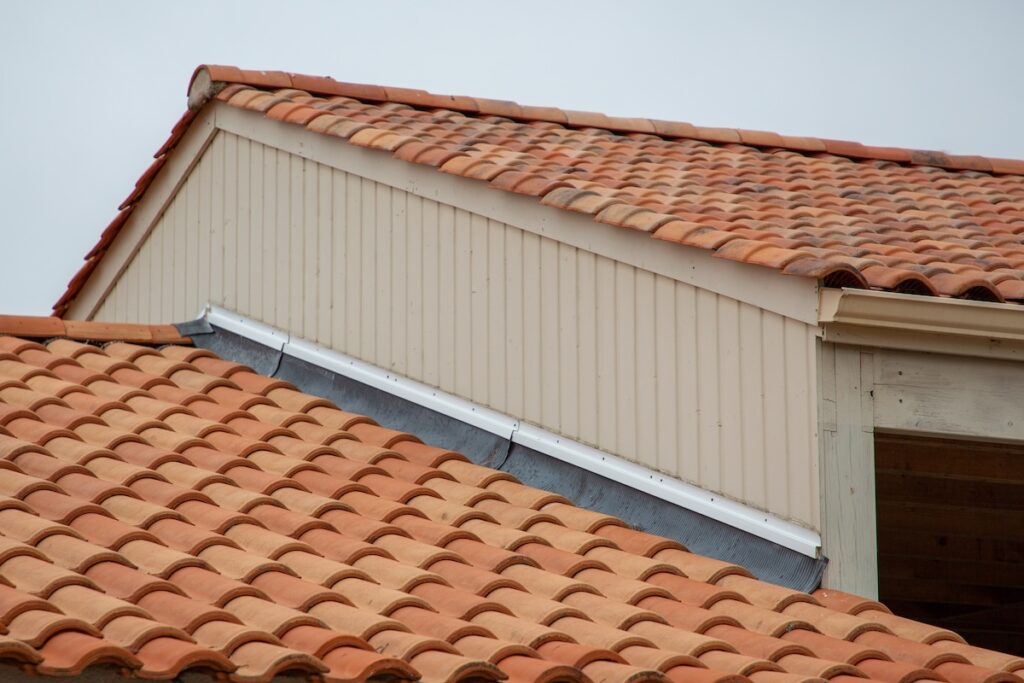
Types of Roof Flashing Materials: Step Flashing
Flashing comes in several materials, each with unique benefits. The most common types include:
- Aluminum: Lightweight, rust-resistant, and easy to install.
- Copper: Durable and stylish with a high-end look. It develops an attractive patina over time.
- Copper Roof Flashing: A premium option known for its durability and aesthetic appeal, though it comes at a higher cost compared to other materials.
- Galvanized Steel: Corrosion-resistant, sturdy, and commonly used in modern roofs.
- Rubber or Vinyl (occasionally used): Flexible and suitable for certain flat roofing systems.
❗️ 3 Reasons Roof Flashing is Essential for Every Home
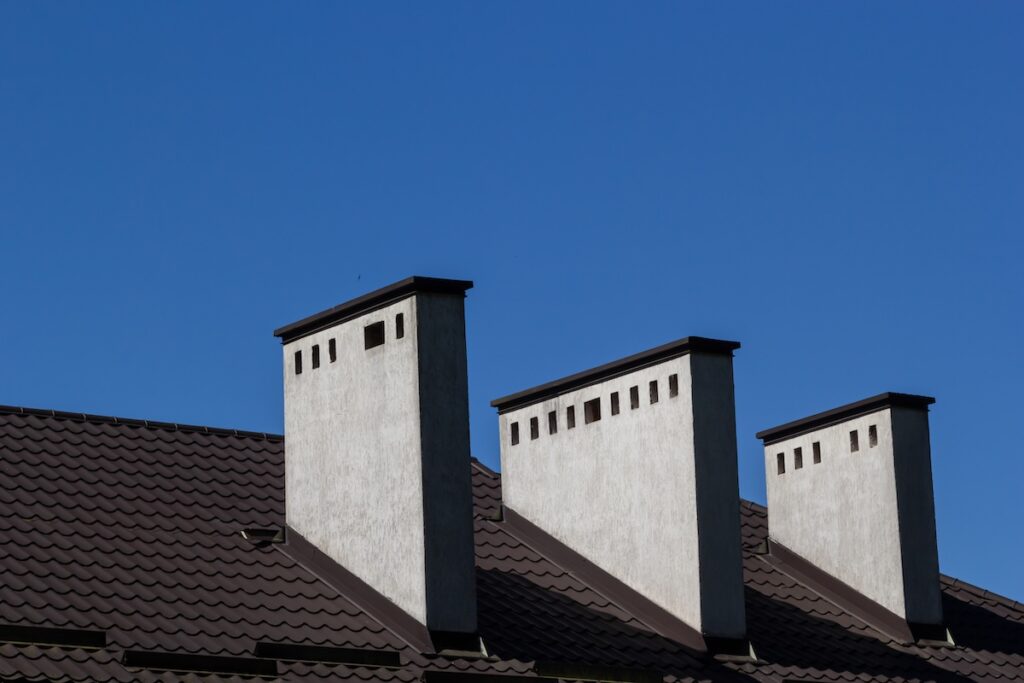
Roof flashing is crucial for preventing water leaks and protecting your home from moisture damage. Regular inspections are crucial to identify any roof flashing leaks and prevent costly damage. It ensures a secure seal around vulnerable areas like chimneys, vents, and roof edges, keeping your home safe and dry. Drip edge flashing is essential for guiding water into gutters and protecting the fascia and soffit from moisture.
1. Waterproofing Protection
The primary and most essential function of roof flashing is to act as a waterproof barrier, protecting your home from water infiltration. Step flashing is used to seal areas where the roof intersects with vertical structures like walls and chimneys. Roof flashing is strategically placed in vulnerable areas such as roof valleys, around chimneys, skylights, vents, and edges where water has the highest likelihood of entering. Valley flashing is installed at the intersection of two sloped roof areas to manage water flow and prevent debris buildup. During heavy rains or snow melts, flashing helps to redirect water away from these areas, ensuring it flows safely off your roof. Without proper flashing, water can seep into your home, leading to serious issues like leaks that damage insulation, weaken the structure of drywall, and create the perfect conditions for mold and mildew growth. Over time, these problems can become costly and require extensive repairs, making flashing a critical component of a well-protected home.
2. Extends Roof Lifespan
Roof flashing doesn’t just protect against water—it also plays a key role in preserving the overall health and lifespan of your roof. Continuous flashing is essential for covering the tops of vertical flashings and preventing water penetration. By directing water away from critical areas and preventing pooling, flashing minimizes the exposure of shingles, tiles, or other roofing materials to excess moisture. This reduction in wear and tear means your roof materials are less likely to crack, warp, or deteriorate prematurely. With proper flashing, your roof can withstand harsh elements for a longer period, delaying the need for expensive repairs or replacements. Think of flashing as an investment that not only protects your home but also saves you money in the long run by extending the life of your roofing system.
3. Preserves Structural Integrity
Water damage doesn’t stop at the surface of your roof—it can quickly spread to the underlying structure of your home. Roof flashing acts as a crucial defense mechanism, preventing leaks that could compromise the integrity of beams, trusses, and other critical structural elements. Counter flashing is installed in conjunction with other types of flashing to prevent water infiltration and protect against environmental damage. Areas like roof valleys, where two slopes meet, and chimneys, which create natural gaps in the roofing material, are especially prone to water infiltration. Flashing ensures these vulnerable spots remain watertight, redirecting water away to prevent rot, rust, or structural weakening. By safeguarding the foundation of your roof and home, flashing plays a vital role in maintaining a stable and secure structure for years to come.
🔎 Identifying Potential Flashing Problems
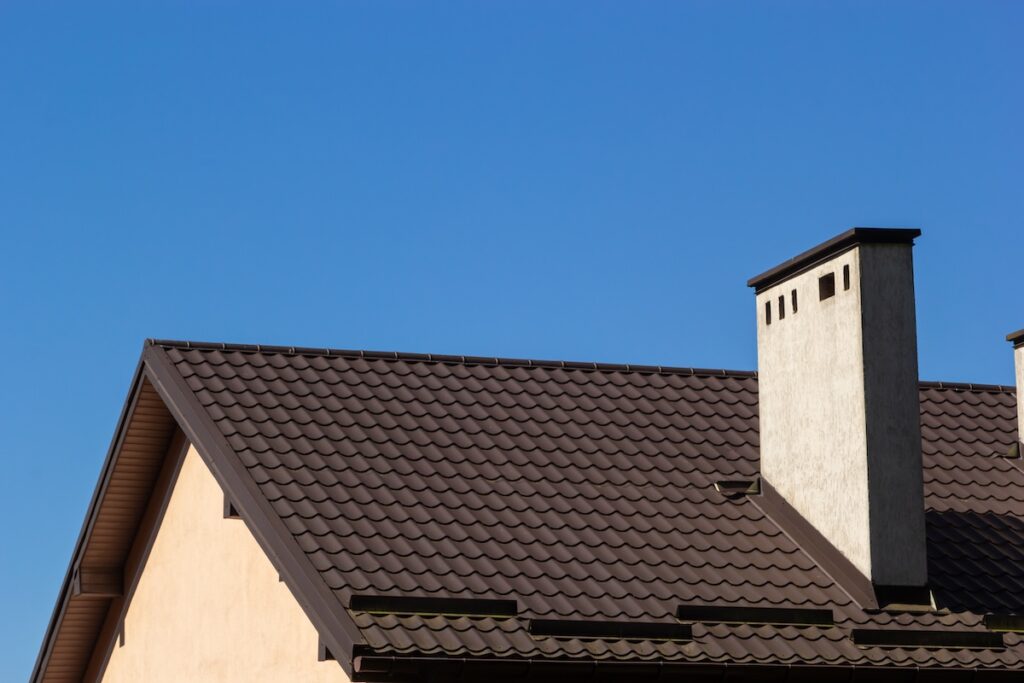
Roof flashing is incredibly durable, but poor installation or age can cause problems. Pipe flashing is crucial for sealing vent pipes that penetrate through the roof, preventing water ingress. Here are common signs that your flashing may need a professional inspection:
Rust or Corrosion
Over time, metal flashing can develop rust or corrosion due to constant exposure to moisture from rain, snow, or even humidity in the air. This is especially common in areas with high levels of precipitation or coastal regions where salt in the air accelerates the corrosion process. Rust weakens the structural integrity of the flashing, causing it to thin out and become brittle. As rust progresses, small holes or openings may form, allowing water to seep through into your roof. This can result in leaks that damage the underlying roofing materials, insulation, or even the wooden deck of your roof. If left untreated, it can lead to extensive repairs or even the need for a full roof replacement. Regular inspections can help identify rust early, allowing you to remove it and apply protective coatings to extend the lifespan of the flashing.
Cracks or Warping
Extreme weather conditions can take a toll on roof flashing, causing it to develop cracks or become warped. Heavy rain and snow add weight and pressure to the flashing, while intense heat can cause it to expand. Over time, this cycle of expansion and contraction weakens the material, making it more prone to cracking or bending out of shape. Even minor cracks or slight warping can compromise the flashing’s ability to keep water out, creating paths for water to infiltrate your roof. Flashing that is warped may pull away from its proper position, exposing gaps where water can enter. These issues are especially common in regions with rapid temperature fluctuations or harsh climatic conditions. To prevent long-term damage, it’s important to inspect the flashing after extreme weather events and repair or replace any damaged sections promptly.
Roof Flashing Leak or Water Stains
Visible water stains on ceilings and walls, damp areas in your attic, or musty odors are common indicators of faulty flashing. When flashing fails, water can bypass the roof’s protective layers and seep into the interior of your home. This can lead to mold and mildew growth, which not only damages materials but also poses health risks for occupants. Over time, water infiltration can weaken support structures and lead to sagging ceilings or rotting wood. Additionally, repairs for such damage can be expensive and time-consuming. If you notice signs of water intrusion, it’s essential to address them immediately and inspect your flashing for any issues. Replacing or repairing faulty flashing early can save you from dealing with widespread roof and structural damage down the line.
Loose or Missing Chimney Flashing
Flashing can become loose or even go missing due to a variety of reasons, such as strong winds, heavy storms, or improper installation during initial construction. When flashing is not securely attached, it shifts out of place, leaving gaps that water can easily penetrate. High winds can rip off improperly installed flashing, while aging or wear-and-tear may weaken fasteners over time, causing the material to loosen. Missing or loose flashing can expose vulnerable areas of your roof, such as joints, edges, and chimneys, to water infiltration. Regular maintenance, particularly after severe weather events, is critical to ensure the flashing remains securely in place. Tightening loose fasteners, replacing missing sections, and ensuring proper installation are key steps to maintaining a watertight roof and preventing costly repairs.
🏡 Roof Flashing Basics
When it comes to protecting your home, roof flashing plays a critical role in keeping your roof strong and leak-free. At Barkley-Jensen Roofing, our team has the expertise, tools, and dedication to ensure your roof is in top shape. From installations to repairs and inspections, we deliver unmatched craftsmanship backed by exceptional customer care.
Don’t leave your roofing needs to chance—trust the experts who put quality and your peace of mind first. Contact us today to schedule your free roof inspection and let us help you protect what matters most!