




 Get Started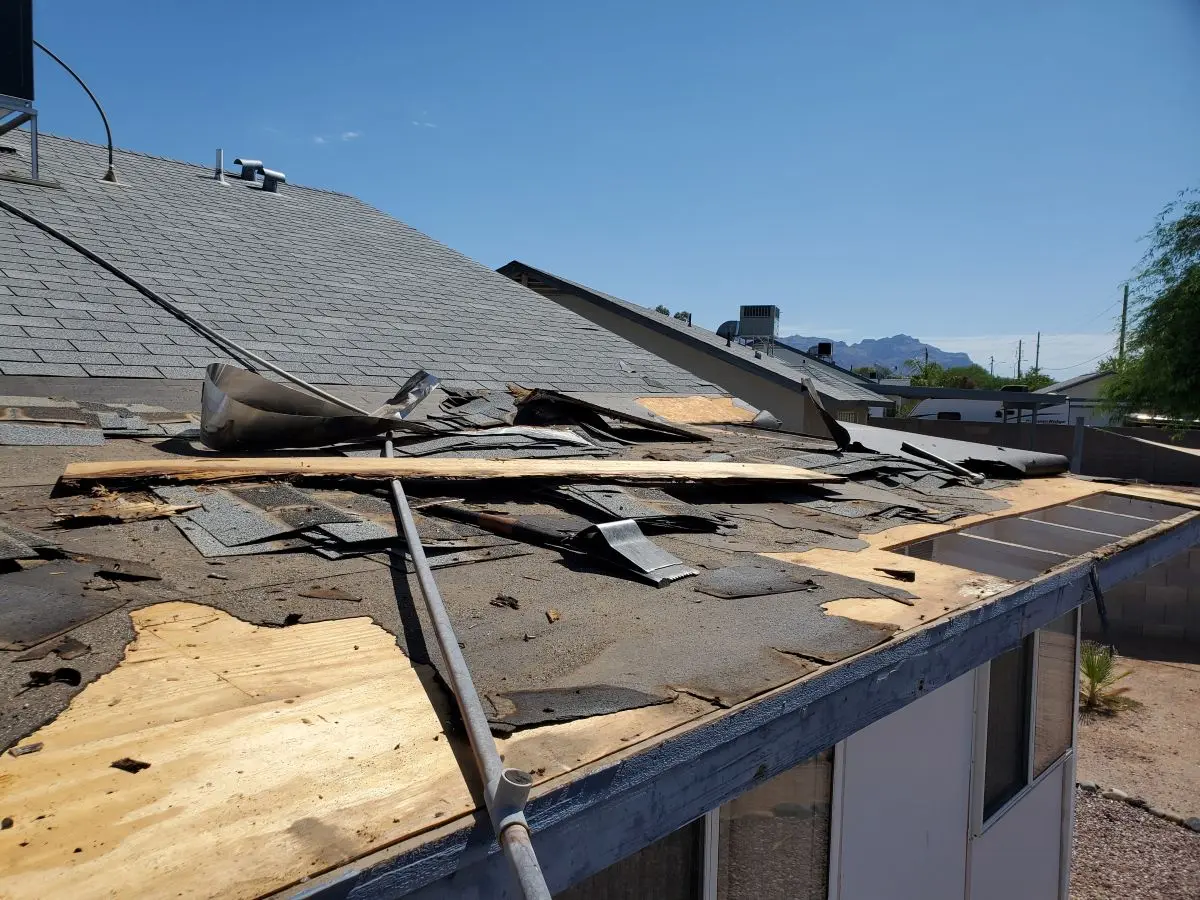
Roof Insurance Claims In Fayetteville, NC: How The Process Works
10.13.2026
11 Min Read
Fayetteville sits in the inland track of tropical systems moving northwest through the Cape Fear River basin, which means Cumberland County homeowners deal with wind, hail, and storm damage on a recurring basis. Hurricanes Florence, Matthew, and Dorian all brought significant damage to the area, and severe weather between those named storms keeps the claims cycle active year-round. When damage happens, understanding roof insurance claims in Fayetteville, NC before you’re in the middle of the process is the difference between a smooth resolution and a frustrating one. Knowing what documentation matters, what adjusters are looking for, and how a properly documented roof inspection supports a stronger claim outcome puts you in control from the start.
Here’s what this guide covers:
- What your homeowner’s policy actually covers and what it doesn’t
- The step-by-step process from damage to final payment
- How to document damage in a way that strengthens your claim
- Common mistakes that reduce or delay claim settlements
- How working with the right roofing contractor affects your outcome
What Fayetteville Homeowners Need To Understand About Roof Insurance Coverage

Before filing any claim, understanding what your policy actually covers is essential. Homeowner’s insurance is designed to protect against sudden and accidental damage, not gradual deterioration. That distinction drives more claim denials than any other single factor, and insurers in Fayetteville’s market are experienced at identifying the line between storm-caused damage and deferred maintenance.
In a market like Fayetteville, where the Sandhills geography exposes homeowners to both inland severe weather and tropical storm remnants, that frequency is even higher. Knowing what your policy covers, how it values your roof, and what can disqualify a claim is foundational to getting a fair outcome.
Here’s what every Fayetteville homeowner should know before storm season:
- Covered causes are specific: Wind, hail, fire, lightning, and falling objects are the standard covered perils for roof damage. Gradual wear, age-related deterioration, and damage from deferred maintenance are not covered, even if a storm reveals that deterioration.
- Policy type determines your payout: Actual Cash Value (ACV) policies pay the depreciated value of your roof at the time of damage. Replacement Cost Value (RCV) policies pay the full cost of replacing the damaged material at current prices. The difference between these can be tens of thousands of dollars on a full replacement claim.
- Your deductible may be storm-specific: Many North Carolina policies include a separate wind and hail deductible, expressed as a percentage of your home’s insured value rather than a flat dollar amount. A 1% deductible on a $350,000 home is $3,500 out of pocket before insurance pays anything.
- Pre-existing conditions complicate claims: If your roof had existing damage, deferred maintenance, or documented prior issues before a storm, adjusters will attempt to attribute a portion of the claim to those conditions rather than the storm event. This is where documentation history matters.
- Military homeowners in Fayetteville face unique challenges: The large military community near Fort Liberty creates specific claim complications, including managing claims during deployments, PCS moves with unresolved claims, and coverage gaps during transitions between duty stations.
6 Steps For Filing A Roof Insurance Claim In Fayetteville
The claims process is not complicated when you know what each stage requires and what to do at each step. Where homeowners run into trouble is moving through the process without documentation, without contractor support, or without understanding what the insurer is evaluating at each stage.
1. Document The Damage Immediately After The Storm
The first action after a storm is documentation, before anything is moved, cleaned up, or repaired. Take timestamped photographs and video of all visible damage from ground level and from any interior access point where damage is apparent, including the attic. Save weather alerts, radar screenshots, and any local news coverage confirming the storm event in your area.
This documentation establishes the timeline of the damage and connects it directly to a specific weather event, which is the foundation of a covered claim. Without it, insurers may argue that damage existed prior to the storm or that the cause is unclear.
- Photograph missing or lifted shingles, damaged ridge cap, compromised flashing, and any debris on the roof surface
- Document interior symptoms including ceiling stains, wet insulation, and attic moisture
- Save the date, time, and weather data associated with the storm event from a verifiable source
2. Prevent Further Damage With Temporary Repairs
Your homeowner’s insurance policy requires you to take reasonable steps to prevent additional damage after an initial loss event. If you have an active leak or an open section of roof, temporary tarping is both appropriate and necessary. Failing to take protective measures can give the insurer grounds to deny coverage for subsequent interior damage that occurred after the storm.
Keep all receipts for any emergency materials or temporary repair costs. Most policies reimburse reasonable temporary repair expenses as part of the covered loss. Document the temporary repair work with photographs as well.
- Tarping an open roof section is the most common and most important temporary measure
- Do not attempt permanent repairs or remove damaged materials before the adjuster visits
- Keep records of all costs related to temporary protection
3. Schedule A Professional Contractor Inspection Before Calling Your Insurer
This step surprises many homeowners, but it is one of the most important in the sequence. Before you contact your insurance company, have a qualified roofing contractor inspect the roof and produce a written damage report. This report documents what the damage is, where it is located, and what the cause appears to be, from the perspective of a professional who has physically accessed the roof.
In Fayetteville, where insurers are experienced at managing volume claims after significant storm events and sometimes deploy adjusters quickly with pressure to settle, having an independent contractor report in hand before the adjuster arrives changes the dynamic of the inspection. You have documentation of the damage that the adjuster must account for rather than starting from the adjuster’s assessment alone.
- The contractor report should include photographs, damage descriptions, and a written assessment of scope
- Request that the report specifically identifies storm-caused damage versus any pre-existing conditions
- Bring this report to the adjuster’s inspection so it can be reviewed alongside their findings
4. File Your Claim And Schedule The Adjuster Inspection
With documentation in place, file your claim with your insurer. Provide the storm event date, a description of the damage, your contractor’s written report, and your initial photographs. Request a claim number and the name of the adjuster assigned to your case.
When the adjuster inspection is scheduled, be present for it. This is not optional. Walk the adjuster through every area of documented damage and ensure that every item in your contractor’s report is physically reviewed during the inspection. Adjusters move through many properties after a significant storm event and can miss items that aren’t specifically pointed out. Your presence and your documentation are your primary tools for ensuring a thorough assessment.
- Be at the property for the full duration of the adjuster inspection
- Provide the adjuster with copies of your contractor report and your photographs
- Take notes on what the adjuster examines and what findings they record
- Ask for the adjuster’s findings in writing before they leave or as soon as they are available
5. Review The Estimate Of Loss Carefully
After the inspection, your insurer will issue a written estimate of loss that details what they intend to cover, at what value, and after what deductions. Review this document line by line against your contractor’s report and your documentation.
The two most common areas where estimates come in below legitimate claim value are depreciation calculations on ACV policies and line items that are included in the contractor’s scope but absent from the insurer’s estimate. If the adjuster’s estimate excludes items that your contractor documented as storm-caused damage, this is the point to dispute those items through the supplement process.
- Compare every line in the insurer’s estimate against the contractor’s scope of work
- Items that appear in the contractor report but not in the insurer’s estimate can be submitted as supplements with supporting documentation
- For RCV policies, the initial payment typically reflects ACV, with the recoverable depreciation released after the work is completed and documented
6. Select Your Contractor And Complete The Work
Choose a licensed, insured North Carolina roofing contractor with experience working on insurance claims. The contractor you select will communicate directly with your insurer throughout the project, submit any supplement requests for additional damage found during the tear-off, and provide the documentation required to release the recoverable depreciation payment on an RCV policy.
Be cautious of contractors who approach you immediately after a storm offering to handle everything for a portion of your settlement. Reputable contractors charge for work performed, not for a percentage of your claim.
- Verify the contractor’s North Carolina license and insurance before signing anything
- Confirm that the contractor will handle supplement submissions if additional damage is found during the project
- Keep all project documentation, including the final invoice and completion photos, for submission to the insurer to release recoverable depreciation
What Adjusters Are Looking For In Fayetteville Claims
Insurance adjusters evaluating roof claims in Fayetteville are specifically trained to distinguish covered storm damage from conditions that disqualify a claim. Understanding what they’re assessing helps you prepare more effectively.
- Damage pattern consistency: Wind damage typically affects the entire roof slope facing the storm’s approach direction. Hail damage produces uniform impact marks across a representative sample area. Damage that appears only in isolated spots with no storm-consistent pattern raises questions about cause.
- Granule impact patterns: Hail leaves a characteristic pattern of granule displacement on asphalt shingles that is distinct from granule loss caused by age or foot traffic. Adjusters and experienced contractors can differentiate these patterns on inspection.
- Roof age and prior condition: An adjuster who determines that a roof was already near end of life before a storm will apply greater depreciation and may attribute some damage to pre-existing conditions. Maintenance history and prior inspection records are the homeowner’s best tool against this argument.
- Date of loss accuracy: Fayetteville’s storm history means some homes carry unaddressed damage from previous events. Filing a claim with an incorrect date of loss that attributes old damage to a recent storm creates documentation conflicts that complicate the entire claim.
Common Mistakes That Reduce Fayetteville Roof Insurance Settlements

These are the mistakes that consistently lead to claim underpayment or denial, and all of them are avoidable with the right preparation.
Waiting Too Long To File
North Carolina homeowner’s insurance policies include a claims filing deadline, typically one year from the date of loss, but prompt filing is important well before that deadline. Adjusters note whether damage appears recent or whether weathering patterns suggest it has been present for an extended period. Early filing protects your position.
Accepting The First Estimate Without Review
The first estimate from an insurer is rarely the final number on a legitimate claim. Supplement requests based on contractor documentation routinely add scope that was missed or undervalued in the initial assessment. Accepting the first estimate without a detailed comparison against your contractor’s scope leaves money on the table that you’re entitled to.
Choosing A Contractor Without Insurance Claims Experience
Not every roofing contractor knows how to work within the insurance claims process. A contractor who cannot submit supplement requests, doesn’t know how depreciation works, or doesn’t provide the documentation required to release your recoverable depreciation will cost you more out of pocket than a contractor who understands the full process.
Making Permanent Repairs Before The Adjuster Visits
Replacing damaged materials before the adjuster has inspected removes the evidence that supports your claim. Temporary measures are appropriate and necessary, but permanent repairs should wait until the adjuster has completed their inspection and your claim is documented.
Your Contractor Partner Matters More Than Most Homeowners Know
The roofing contractor you choose to work with on an insurance claim is not just the person who installs the shingles. They are your partner in documenting damage, supplementing the claim, communicating with the insurer, and providing the completion documentation that releases your final payment. In Fayetteville’s storm-active market, that experience and communication capability directly affects your claim outcome.
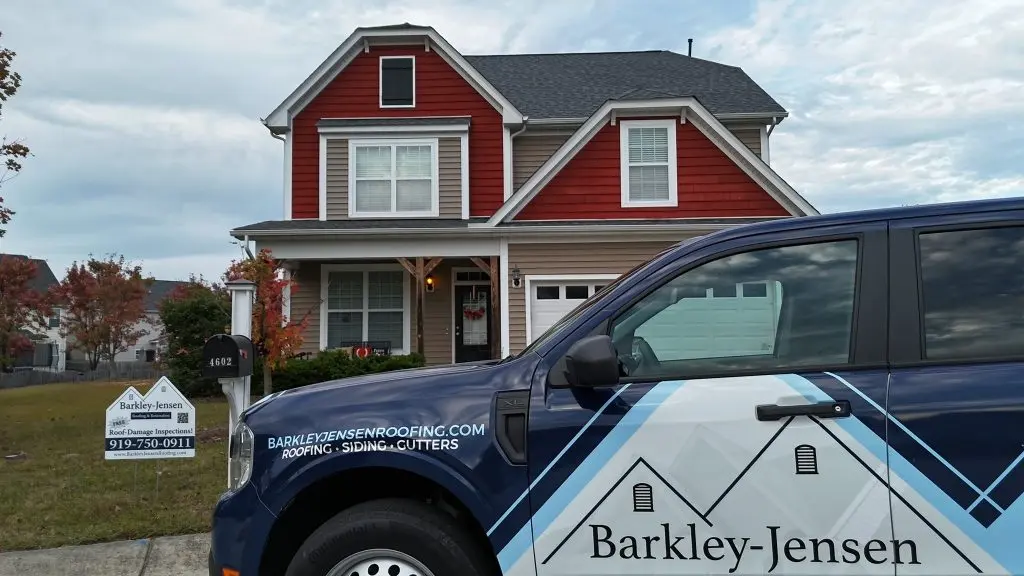
At Barkley-Jensen Roofing and Restoration, we guide Fayetteville homeowners through every stage of the insurance claims process, from the initial inspection and damage documentation through supplement submission and project completion. If you’ve experienced storm damage and want a professional assessment that supports your claim, contact us today and the Barkley-Jensen team will schedule your inspection and get you started on the right foot.