




 Get Started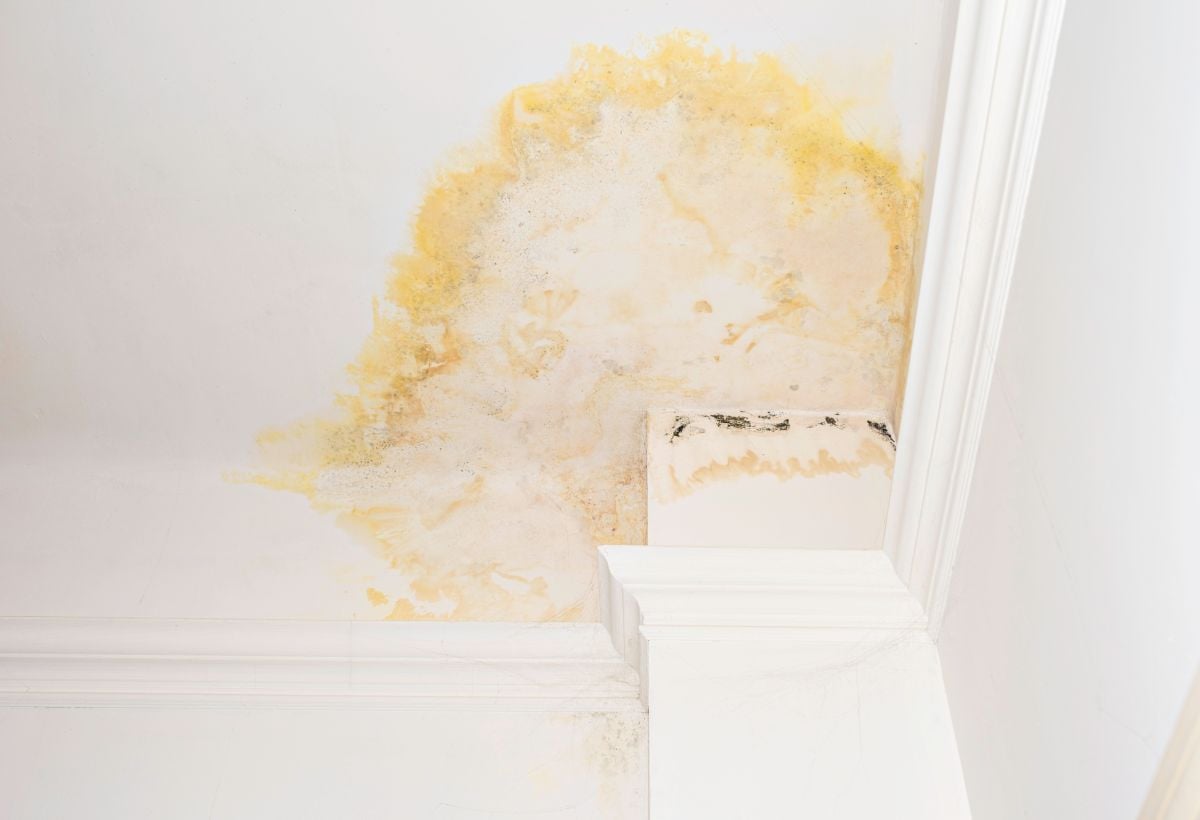
Roof Leak Detection: 6 Ways Professionals Find Hidden Leaks
02.17.2026
7 Min Read
Water stains on a ceiling rarely tell the whole story. By the time you notice discoloration or dripping, moisture may have been spreading behind walls or across decking for weeks. That is why roof leak detection is essential for protecting your home’s structure and preventing expensive repairs. Identifying the true source of a leak requires experience, training, and the right process, which is why many homeowners rely on skilled roofing professionals for accurate assessments and long term solutions.
In this guide, you will learn:
- Why professional roof leak detection is so important
- The most common causes of hidden roof leaks
- 6 methods professionals use to locate concealed moisture
- What steps to take if you suspect a leak in your home
Why Roof Leak Detection Matters More Than You Think
A visible water stain is often just the final symptom of a much larger issue. Water rarely enters your home directly above the stain you see. Instead, it travels along rafters, insulation, and framing before dripping into living spaces. Without proper roof leak detection, repairs may address the wrong location, allowing the real problem to persist.
Homeowners in Greensboro and surrounding areas experience frequent rain, seasonal storms, and humidity that can accelerate roofing wear. Proactive leak detection helps reduce long term damage and protects both structural integrity and indoor air quality.
Here are several reasons why accurate leak detection is essential:
- Prevents Structural Damage: Early identification stops moisture from weakening decking, rafters, and support systems.
- Reduces Repair Costs: Addressing leaks quickly minimizes widespread water damage.
- Protects Indoor Air Quality: Moisture buildup can lead to mold growth inside walls and attic spaces.
- Preserves Energy Efficiency: Wet insulation loses effectiveness, increasing heating and cooling costs.
- Supports Insurance Claims: Clear documentation and accurate diagnosis simplify claim processes after storms.
When leak detection is handled correctly, homeowners gain clarity and peace of mind.
6 Ways Professionals Find Hidden Roof Leaks
Finding a hidden leak requires more than a quick visual check. Professionals use a systematic approach to trace water back to its true entry point. Below are six proven methods used in professional roof leak detection.
1. Detailed Exterior Visual Inspection
The first step in roof leak detection is a comprehensive exterior inspection. Professionals carefully examine the roof surface, flashing, valleys, and penetrations for visible damage.
They look for:
- Missing or cracked shingles
- Lifted flashing around chimneys and vents
- Worn sealant around skylights
- Damaged ridge caps
Even small imperfections can allow water intrusion. This step often reveals obvious vulnerabilities before more advanced methods are needed.
2. Attic and Interior Evaluation
Water often travels before becoming visible. That is why professionals inspect attic spaces and interior ceilings to track moisture patterns.
During this process, they check for:
- Damp insulation
- Darkened wood decking
- Mold or mildew growth
- Water trails along rafters
By tracing moisture paths inside the attic, contractors can narrow down the potential source area on the roof.
3. Moisture Meter Testing
Moisture meters are specialized tools that detect elevated moisture levels in roofing materials and structural components. These devices measure moisture content within decking and framing.
Benefits of moisture meter testing include:
- Identifying hidden damp areas
- Confirming suspected leak zones
- Preventing unnecessary material removal
This technology adds precision to roof leak detection and reduces guesswork.
4. Controlled Water Testing
When leaks are difficult to pinpoint, professionals may perform controlled water testing. This involves strategically applying water to specific sections of the roof while monitoring the interior for signs of intrusion.
This method:
- Isolates the exact entry point
- Confirms flashing or shingle failures
- Replicates real rainfall conditions
Water testing is performed carefully and methodically to avoid causing additional damage.
5. Flashing and Sealant Assessment
Flashing failures are one of the most common causes of roof leaks. Professionals closely examine metal flashing, sealants, and transition areas.
Common problem areas include:
- Chimney bases
- Skylight frames
- Plumbing vent boots
- Roof valleys
Over time, sealants can crack or separate due to temperature fluctuations. In Greensboro and surrounding areas, seasonal weather shifts contribute to expansion and contraction that weakens these seals.
6. Ventilation and Condensation Analysis
Not all moisture problems originate from exterior leaks. In some cases, condensation caused by poor attic ventilation can mimic a roof leak.
Professionals assess:
- Airflow through soffits and ridge vents
- Insulation coverage
- Signs of condensation buildup
Distinguishing between a true roof leak and a ventilation issue ensures that the correct solution is applied.
Common Causes of Hidden Roof Leaks
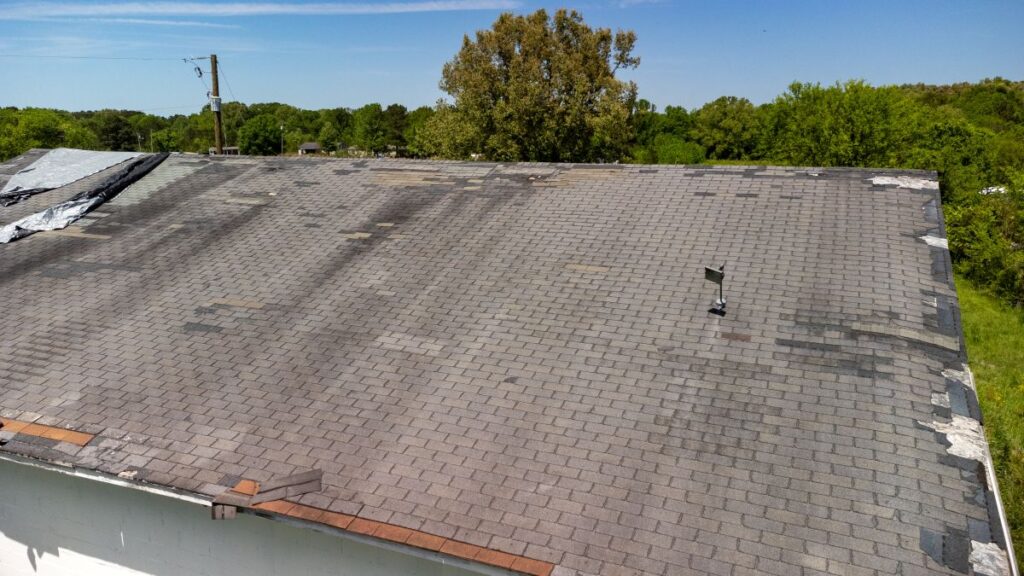
Understanding what causes roof leaks helps homeowners recognize potential risk factors before damage spreads.
Many hidden leaks stem from small vulnerabilities that worsen over time.
Aging Roofing Materials
As shingles and flashing age, they become brittle and less effective at repelling water. Granule loss and cracking create opportunities for moisture intrusion.
Storm Related Damage
High winds, hail, and heavy rainfall can displace shingles or damage flashing. Even minor storm damage can allow water to enter beneath the surface.
Clogged Gutters
When gutters are blocked, water may back up onto the roof edge. This can lead to seepage under shingles and along fascia boards.
Improper Installation
Incorrectly installed flashing or underlayment increases the likelihood of premature leaks. Professional installation reduces these risks.
Roof Penetrations
Every vent, chimney, and skylight creates a potential entry point. Proper sealing and regular inspection are essential for long term performance.
Homeowners in Greensboro and surrounding areas should pay particular attention after severe weather events.
What Homeowners Should Do If They Suspect a Leak
If you notice water stains, musty odors, or dripping during rain, taking prompt action is critical.
Avoid attempting complex repairs yourself, as working on a roof can be dangerous and may worsen the issue.
Step 1: Protect Interior Spaces
Use containers or towels to collect dripping water. Move furniture away from affected areas to prevent further damage.
Step 2: Document Visible Damage
Photograph stains, drips, and any visible exterior issues from a safe location. This documentation may be useful for insurance purposes.
Step 3: Schedule a Professional Inspection
Professional roof leak detection ensures the true source is identified and addressed. Accurate diagnosis prevents repeated repairs in the wrong area.
Step 4: Review Repair Recommendations
Depending on the severity of the issue, solutions may include targeted flashing repair, shingle replacement, or more extensive restoration.
Prompt action limits structural damage and reduces overall costs.
Professional Leak Detection vs DIY Guesswork
Many homeowners attempt to locate leaks themselves, but hidden moisture paths can be misleading.
Below is a comparison of professional roof leak detection versus DIY efforts.
| Approach | Accuracy Level | Risk of Misdiagnosis | Safety Level |
| DIY Visual Check | Limited | High | Moderate to High Risk |
| Professional Inspection | Comprehensive | Low | Safe and Controlled |
Professional evaluations use tools and experience to eliminate uncertainty. This prevents repeated patch jobs that fail to resolve the root problem.
Preventing Future Roof Leaks
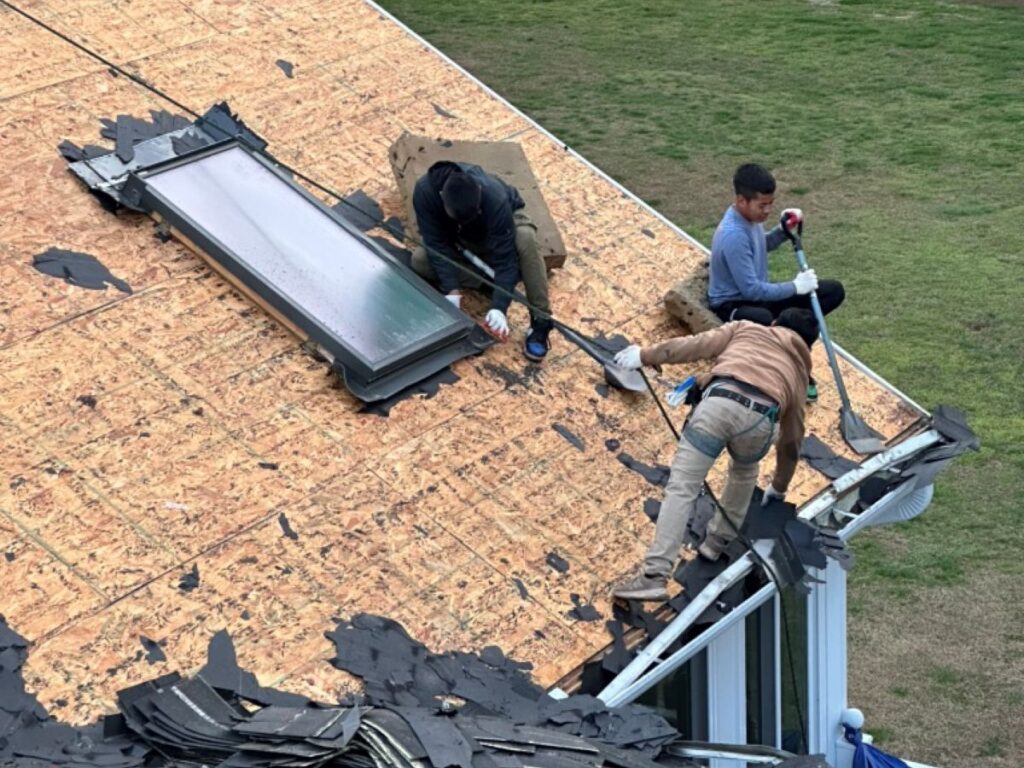
While not all leaks can be prevented, proactive maintenance significantly reduces risk.
Homeowners in Greensboro and surrounding areas benefit from seasonal inspections due to frequent rain and humidity.
Preventative measures include:
- Annual roof inspections
- Regular gutter cleaning
- Prompt repair of loose shingles
- Monitoring attic ventilation
Routine care strengthens your roofing system and minimizes unexpected surprises.
Protect Your Home with Accurate Leak Detection
Hidden roof leaks can quietly cause serious damage before you ever notice a stain. Professional roof leak detection identifies the true source of moisture and ensures the right solution is applied the first time.
If you suspect a leak or want peace of mind after a recent storm, contact us today and let Barkley-Jensen Roofing provide trusted expertise and dependable service for homeowners in Greensboro and surrounding areas. Prompt action protects your home, your investment, and your family’s comfort.