




 Get Started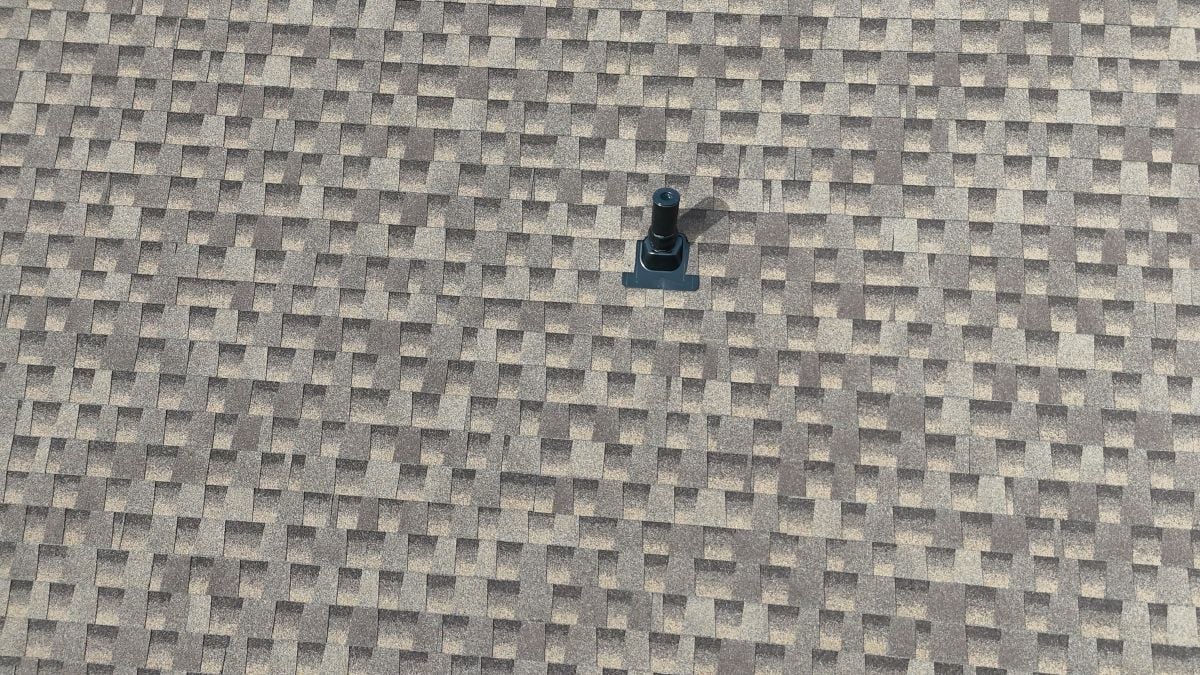
Roof Ventilation Types: 7 Signs Your Home Has the Wrong Type
05.07.2026
8 Min Read
Proper airflow in your attic plays a bigger role in your home’s health than most homeowners realize, and understanding roof ventilation types is key to preventing long-term damage. Poor ventilation can lead to moisture buildup, high energy bills, and premature roof failure. Many homeowners exploring options like improving overall roof performance and airflow quickly learn that ventilation is just as important as shingles or structure.
In this guide, you will learn:
- The most common roof ventilation types and how they work
- Warning signs your home may have the wrong system
- How ventilation affects energy efficiency and roof lifespan
- When to upgrade or replace your ventilation setup
- How to choose the right ventilation for your home
Proper roof ventilation helps regulate attic temperature and moisture levels, which directly impacts your roof’s lifespan and your home’s comfort. If your system is not balanced or uses the wrong ventilation type, it can lead to hidden damage that worsens over time.
Why Roof Ventilation Types Matter for Your Home
Roof ventilation is essential for maintaining a healthy and efficient home environment. It allows fresh air to enter while pushing out heat and moisture, which prevents damage to your roofing system and attic structure.
For homeowners in Durham and surrounding areas, where humidity and seasonal weather changes are common, having the correct ventilation setup is critical to protecting your home year-round.
Here are the key benefits of proper roof ventilation:
- Moisture Control: Prevents condensation that can lead to mold, mildew, and wood rot.
- Temperature Balance: Reduces heat buildup in summer and helps regulate indoor comfort.
- Roof Longevity: Protects shingles and roofing materials from premature wear.
- Energy Savings: Improves efficiency and reduces strain on heating and cooling systems.
- Structural Protection: Helps preserve attic insulation and roof decking over time.
Understanding these benefits helps explain why ventilation should never be overlooked.
7 Signs Your Home Has the Wrong Roof Ventilation Type
Even if your roof looks fine from the outside, poor ventilation can cause serious problems behind the scenes. These are the most common warning signs homeowners miss.
1. Excessive Heat in the Attic
If your attic feels extremely hot, especially in summer, your ventilation system may not be working properly.
- Heat becomes trapped instead of escaping
- Shingles may deteriorate faster
- Indoor temperatures may rise
This often points to inadequate exhaust ventilation.
2. Moisture or Condensation Buildup
Moisture in the attic is one of the clearest signs of poor ventilation.
- Condensation on rafters or insulation
- Damp air or musty odors
- Mold or mildew growth
Improper airflow prevents moisture from escaping.
3. Ice Dams During Winter
Ice dams form when heat escapes unevenly through the roof.
- Snow melts and refreezes at the edges
- Water backs up under shingles
- Interior leaks may occur
This is often caused by poor ventilation combined with insulation issues.
4. Uneven Roof Temperatures
A well-ventilated roof should maintain consistent temperatures.
- Hot spots across the roof surface
- Uneven snow melt patterns
- Accelerated wear in certain areas
These signs indicate uneven airflow.
5. High Energy Bills
Poor ventilation can make your HVAC system work harder.
- Increased cooling costs in summer
- Reduced insulation efficiency
- Higher overall energy usage
Improving ventilation often leads to noticeable savings.
6. Premature Shingle Damage
Heat and moisture can shorten the life of roofing materials.
- Curling or cracking shingles
- Granule loss
- Fading or warping
This damage is often preventable with proper ventilation.
7. Mold or Rot in the Attic
Long-term moisture buildup can damage structural components.
- Soft or weakened wood
- Visible mold growth
- Lingering damp conditions
This is one of the most serious consequences of incorrect ventilation.
Common Roof Ventilation Types Explained
Understanding the different roof ventilation types helps you identify what your home has and whether it is effective. Each type plays a specific role in managing airflow.
Ridge Vents
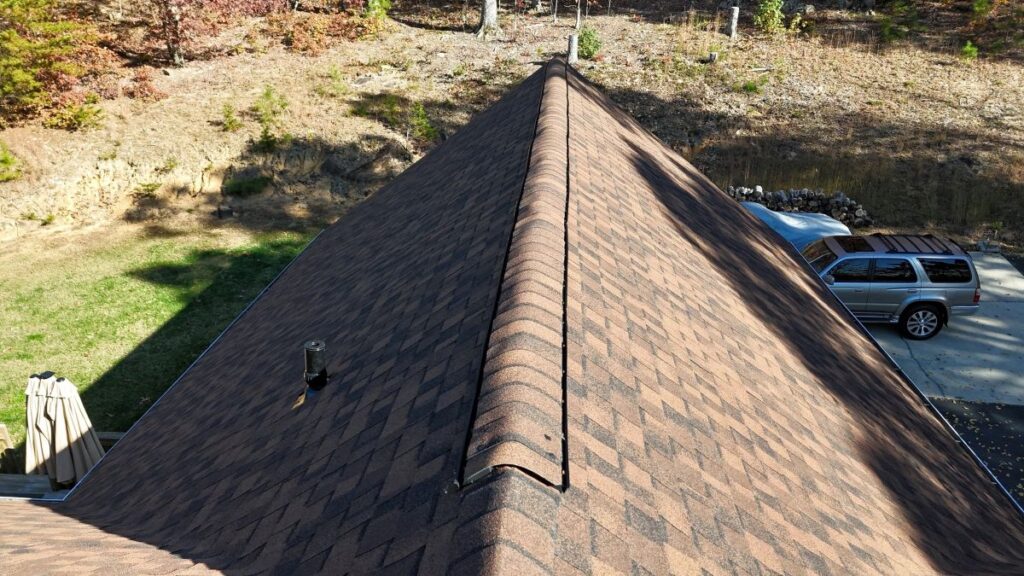
Installed along the peak of the roof, ridge vents allow hot air to escape naturally.
- Continuous airflow across the roofline
- Low visibility from the ground
- Works best with soffit vents
This is one of the most efficient and widely used systems.
Soffit Vents
Located under the eaves, soffit vents bring fresh air into the attic.
- Essential for intake airflow
- Helps balance the ventilation system
- Prevents moisture buildup
They are a key component of proper ventilation design. Soffit vents are the most common residential intake, installed in the underside of roof eaves.
Box Vents
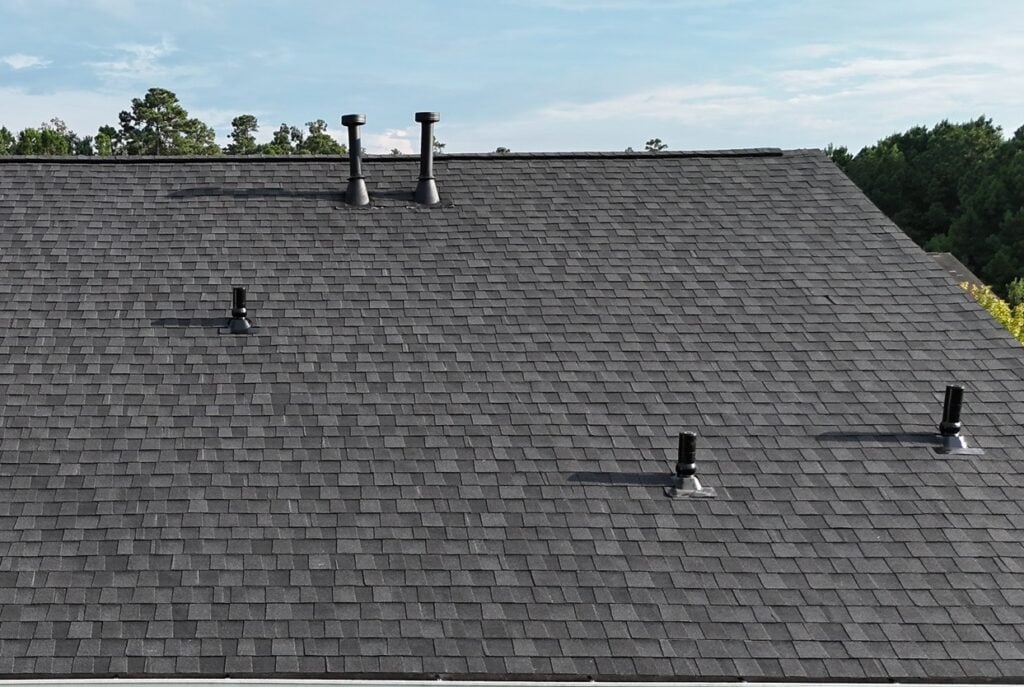
Also known as static vents, these are placed on the roof surface.
- Simple and affordable option
- No moving parts
- Requires proper placement
They are often used on smaller or simpler roofs.
Turbine Vents
Wind-powered vents that spin to pull air out of the attic.
- Effective in windy conditions
- Helps remove heat and moisture
- Requires occasional maintenance
Their performance depends on wind availability.
Power Vents
These vents use electricity or solar power to move air.
- Strong and consistent airflow
- Useful in extreme climates
- Higher installation cost
They are often used when passive systems are not enough.
Gable Vents
Installed on the sides of the home near the roof peak.
- Allows cross ventilation
- Common in older homes
- Less effective without additional vents
They are typically part of a larger system.
How to Choose the Right Roof Ventilation Setup
Choosing the right system involves more than picking a vent type. It requires balancing airflow and understanding your home’s needs.
Balance Intake and Exhaust
Proper ventilation depends on equal airflow entering and exiting.
- Intake vents bring in fresh air
- Exhaust vents remove hot, moist air
- Balanced systems improve efficiency
Without balance, ventilation will not function correctly.
Consider Climate Conditions
Your local climate plays a major role in ventilation needs.
- Humid climates require strong moisture control
- Hot climates need efficient heat removal
- Seasonal changes affect airflow demands
For homes in Durham and surrounding areas, both heat and humidity must be managed.
Evaluate Roof Design
Roof structure impacts ventilation effectiveness.
- Roof pitch influences airflow movement
- Complex designs may need multiple vent types
- Existing features may limit options
A professional evaluation helps determine the best approach.
Think About Maintenance
Different systems require different levels of upkeep.
- Passive vents require minimal maintenance
- Mechanical systems need regular checks
- Accessibility affects long-term care
Choosing the right system can reduce future effort.
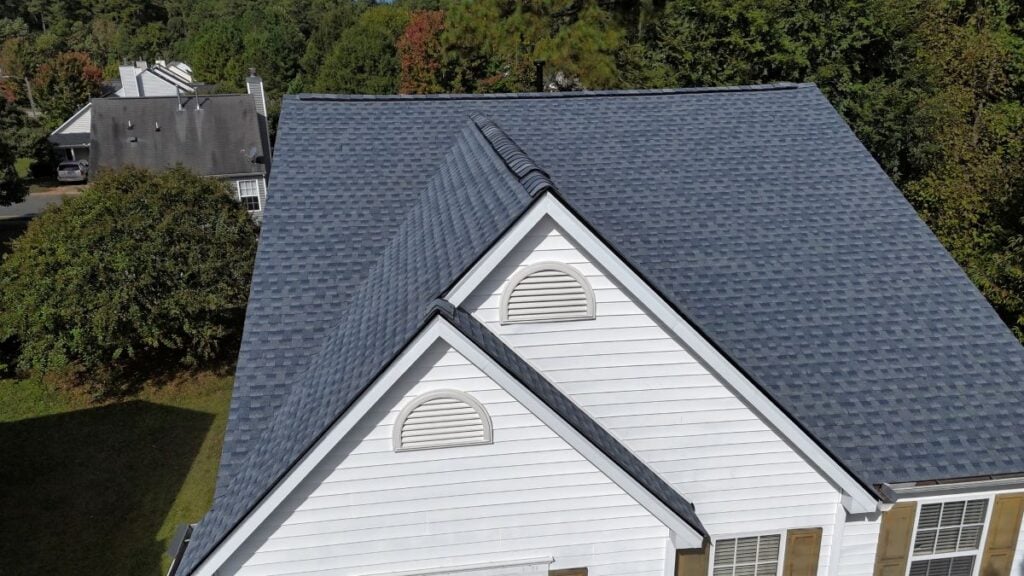
Comparing Roof Ventilation Types
Understanding the differences between systems helps you make a confident decision. Each type offers unique advantages depending on your home’s needs.
Ventilation Comparison Table
| Vent Type | Airflow Efficiency | Maintenance | Cost | Best Use |
| Ridge Vent | High | Low | Moderate | Most homes |
| Soffit Vent | Essential intake | Low | Low | Balanced systems |
| Box Vent | Moderate | Low | Low | Simple roofs |
| Turbine Vent | Variable | Moderate | Low | Windy areas |
| Power Vent | High | Higher | Higher | Extreme conditions |
Pros and Cons Overview
Passive Ventilation Pros:
- Low maintenance
- No energy usage
- Reliable long-term performance
Passive Ventilation Cons:
- Dependent on natural airflow
- May be less effective in certain conditions
Mechanical Ventilation Pros:
- Strong airflow control
- Works in challenging environments
Mechanical Ventilation Cons:
- Higher cost
- Requires maintenance
This comparison helps clarify which system may be right for your home.
Frequently Asked Questions About Roof Ventilation Types
Understanding roof ventilation can feel overwhelming, especially with so many different systems available. These common questions help clarify how ventilation works and what homeowners should know.
What are the most common roof ventilation types?
The most common roof ventilation types include ridge vents, soffit vents, box vents, turbine vents, and power vents. Each type serves a specific role in controlling airflow and maintaining attic conditions. A balanced system usually combines intake and exhaust vents for the best results.
How do I know if my roof ventilation is wrong?
Signs of poor ventilation include excessive attic heat, moisture buildup, high energy bills, and visible damage like mold or warped shingles. These issues indicate that airflow is not properly balanced and may require adjustments or upgrades.
Can poor ventilation damage my roof?
Yes, poor ventilation can lead to serious damage over time. Moisture buildup can cause mold and wood rot, while trapped heat can weaken shingles. Together, these problems can significantly shorten the lifespan of your roof.
What is the best roof ventilation system?
The best system is one that provides balanced intake and exhaust airflow. Ridge vents paired with soffit vents are often considered the most effective solution for many homes. The ideal setup depends on your roof design and climate.
How often should roof ventilation be inspected?
Roof ventilation should be inspected at least once a year and after major weather events. Regular inspections help ensure proper airflow and allow you to catch issues early before they become costly repairs.
Improve Your Home with the Right Roof Ventilation
Choosing the right roof ventilation types is essential for protecting your home, improving energy efficiency, and extending the life of your roof. The wrong system can create hidden problems that lead to expensive repairs over time.
For homeowners in Durham and surrounding areas, having a properly balanced ventilation system is key to maintaining a durable and efficient home. Barkley-Jensen Roofing provides expert guidance and reliable solutions tailored to your specific needs.
If you are unsure whether your roof ventilation is working correctly, contact us today to schedule an inspection with Barkley-Jensen Roofing and get the answers you need.