





 Get Started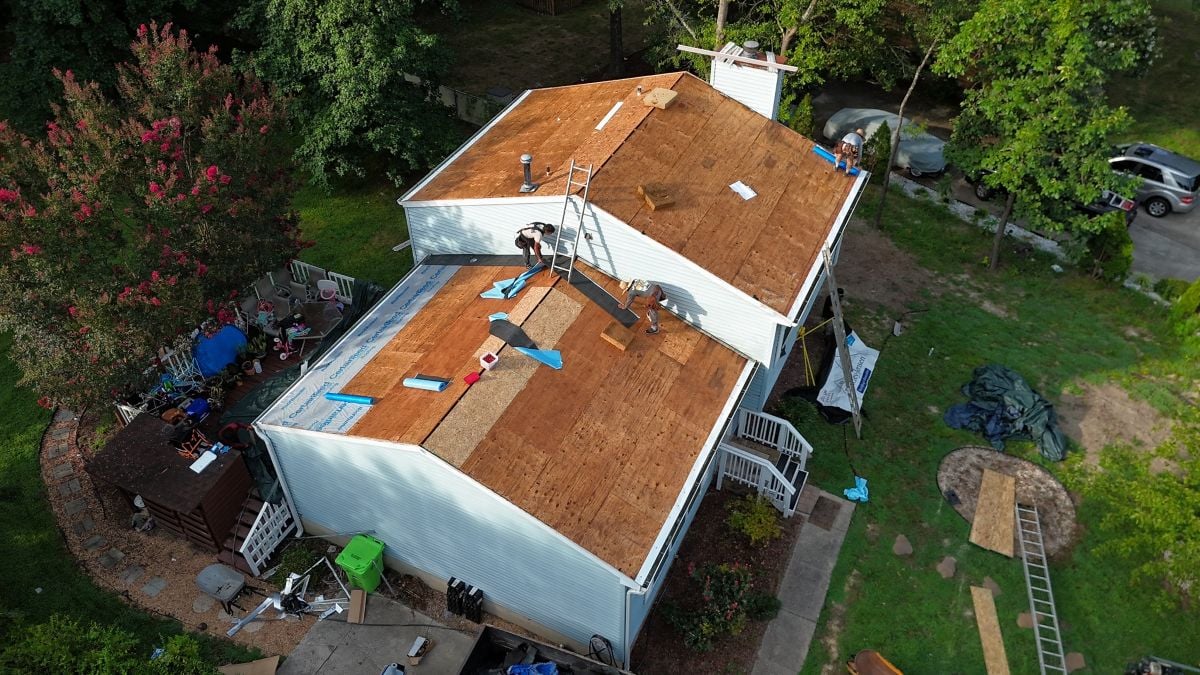
Should I Stay Home During Roof Replacement? (7 Reasons)
04.21.2026
8 Min Read
Replacing your roof is a major home improvement project, and it naturally raises questions about comfort, safety, and daily routines. One of the most common concerns homeowners have is should i stay home during roof replacement. If you are preparing for a project like this, understanding what to expect can help you make the best decision for your household. When planning ahead for work like this, many homeowners explore options like upgrading their roof with long-lasting materials to ensure lasting protection and peace of mind.
In this guide, you will learn:
- What happens during a roof replacement project
- Whether staying home is safe or practical
- Key reasons homeowners choose to stay or leave
- Tips to reduce stress during the process
- How to prepare your home, family, and pets

Why Deciding to Stay or Leave Matters
A roof replacement is not a minor repair. It is a full-scale construction project happening directly on top of your home. That makes your decision to stay or leave more important than many homeowners initially realize.
For homeowners in Raleigh and surrounding areas, where busy households and work-from-home setups are common, understanding how this project affects your daily life is essential.
Here is why this decision deserves careful thought:
- Comfort and Noise Control: Roofing work involves constant hammering and equipment use, which can make your home feel chaotic throughout the day.
- Safety Awareness: Even with professional crews, there is always movement, materials, and debris around your property.
- Routine Disruption: Daily activities like working, relaxing, or caring for family members can become more difficult.
- Peace of Mind: Knowing what to expect helps reduce stress and allows you to feel more in control during the project.
Taking the time to weigh your options ensures you are not caught off guard once the work begins.
7 Reasons to Stay or Leave During Roof Replacement
Every homeowner’s situation is unique, but these seven common factors will help you decide whether staying home during a roof replacement is the right choice.
1. The Noise Can Be Overwhelming
Roof replacement is loud. There is no way around it. From tear-off to installation, crews use tools that create constant noise.
- Hammering and nail guns throughout the day
- Scraping and removal of old materials
- Early morning start times
If you need quiet for work or relaxation, leaving for the day may be the better option.
2. Safety Around Your Property
Roofing professionals take safety seriously, but the nature of the work still introduces risks.
- Falling shingles and debris
- Nails and sharp materials on the ground
- Equipment placed around your home
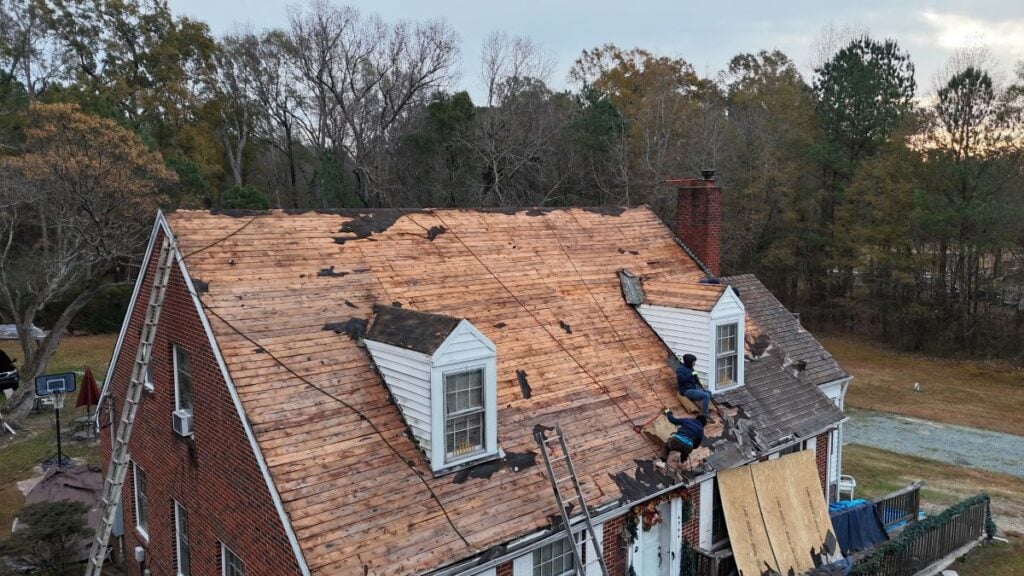
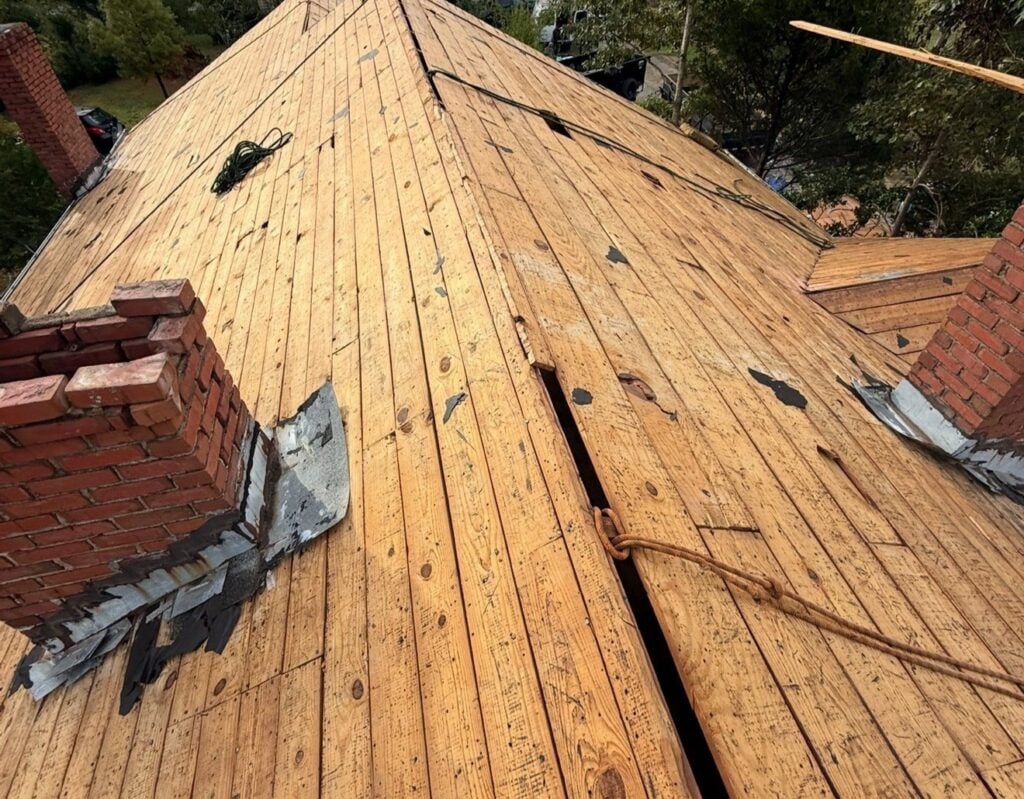
If you have children or frequently use outdoor spaces, temporarily leaving can reduce concerns. The area around a house undergoing roof replacement becomes a construction zone with hazards such as falling shingles, old nails, and tools.
3. Working from Home Challenges
Remote work has become more common, especially in Raleigh and surrounding areas. Roofing projects can make it difficult to stay productive.
- Loud background noise during meetings
- Limited ability to concentrate
- Unexpected interruptions
If your job requires focus or communication, finding a temporary workspace elsewhere is often helpful.
4. Pets May Experience Stress
Pets are especially sensitive to unfamiliar sounds and activity.
- Anxiety caused by loud noises
- Attempting to hide or escape
- Changes in behavior or appetite
If your pets tend to get nervous, it may be best to relocate them for the duration of the project. Roof replacement typically reaches noise levels of 90–120 decibels, similar to a lawnmower or motorcycle engine.
5. You Want to Monitor the Project
Some homeowners feel more comfortable being present during major home improvements.
- Ability to ask questions in real time
- Confidence in the progress being made
- Opportunity to address concerns immediately
If oversight is important to you, staying home may provide reassurance.
6. Weather and Scheduling Changes
Roofing projects depend heavily on weather conditions.
- Rain or storms can delay work
- Crews may adjust schedules quickly
- Timelines can shift unexpectedly
Being home allows you to stay informed and adapt as needed.
7. Personal Preference and Flexibility
At the end of the day, your decision often comes down to personal comfort.
- Some homeowners are not bothered by noise
- Others prefer to avoid disruption entirely
- Your schedule may allow flexibility
There is no universal answer. The right choice depends on what works best for your lifestyle.
What It’s Like to Stay Home During Roof Replacement
If you choose to remain at home, it helps to know exactly what to expect. Roof replacement projects are temporary, but they can feel intense while they are happening.
Most residential projects last one to three days, depending on the size and complexity of the roof. During that time, your home will feel very active.
Inside the Home
Even though the work happens outside, you will notice the effects indoors.
- Constant Noise: Sound travels easily through your ceiling and walls
- Vibration: Hammering may cause slight shaking, especially upstairs
- Limited Quiet Spaces: Finding a calm area can be difficult
Using headphones or planning quiet activities outside the home can help manage the experience.
Outside the Home
Your yard and driveway will become part of the job site.
- Material Deliveries: Shingles and equipment will be dropped off
- Crew Activity: Workers will move around all sides of your home
- Restricted Access: Certain areas may be temporarily blocked
Planning ahead for parking and outdoor use can reduce inconvenience.
Communication with the Roofing Team
One advantage of staying home is the ability to stay connected with your contractor.
- Ask questions throughout the day
- Receive updates on progress
- Address concerns immediately
This can provide peace of mind, especially for first-time roof replacements.
How to Prepare If You Decide to Leave
If leaving during the project feels like the better option, preparation is key to ensuring everything goes smoothly.
Taking a few proactive steps can protect your home and make the experience stress-free.
Prepare the Interior of Your Home
Before work begins, secure items that could be affected by vibration.
- Remove Fragile Items: Take down wall décor or fragile shelf items
- Protect the Attic: Cover stored belongings if needed
- Secure Fixtures: Ensure lighting or ceiling fixtures are stable
These small steps help prevent minor issues during the project.
Make Arrangements for Pets and Family
Planning ahead keeps everyone comfortable.
- Arrange for pet care or boarding
- Coordinate schedules for children
- Inform family members about the project timeline
This avoids last-minute stress and confusion.
Stay Available for Communication
Even if you are not home, staying reachable is important.
- Keep your phone nearby
- Respond quickly to contractor calls or messages
- Be available for decisions if needed
Clear communication helps keep the project on track.
Choose a Productive Place to Go
Where you spend your time matters.
- Work from a quiet office or café
- Visit friends or family
- Run errands during peak work hours
Many homeowners in Raleigh and surrounding areas use this time to stay productive while avoiding the noise.
Staying vs Leaving: A Simple Comparison
Making a decision is easier when you can clearly compare your options.
Staying Home
Advantages:
- Direct communication with your contractor
- Ability to monitor progress
- No need to relocate
Disadvantages:
- Loud and disruptive environment
- Potential safety concerns outdoors
- Interrupted routines
Leaving Home
Advantages:
- Peace and quiet
- Reduced stress for pets and family
- More comfortable daily routine
Disadvantages:
- Less direct oversight
- Need to coordinate communication
- Temporary inconvenience
A Balanced Approach
Some homeowners find that a mix of both options works best.
- Stay home during quieter phases
- Leave during tear-off or installation
- Adjust your schedule as needed
This flexible approach can give you the best of both worlds.
Making Your Roof Replacement Experience Easier
Whether you stay or leave, a little preparation can make a big difference in how smooth the process feels.
Set Clear Expectations with Your Contractor
Before the project begins, discuss:
- Start and end times
- Estimated project duration
- Cleanup procedures
Knowing what to expect helps you plan your days with confidence.
Protect Your Property
Take simple steps to safeguard your home.
- Move vehicles away from the driveway
- Clear outdoor furniture from the area
- Protect landscaping near the home
These actions help prevent accidental damage.
Stay Flexible Throughout the Process
Roofing projects can be affected by unexpected factors.
- Weather delays
- Material adjustments
- Schedule changes
Flexibility helps reduce frustration and keeps the process moving forward.
Focus on the Long-Term Benefits
While the process may feel disruptive, the results are worth it.
- Stronger protection for your home
- Improved curb appeal
- Increased property value
Keeping the end result in mind makes the temporary inconvenience easier to manage.
Plan Your Roof Replacement with Confidence
Deciding whether to stay home during a roof replacement depends on your comfort level, schedule, and personal preferences. By understanding what to expect and preparing ahead of time, you can make the right choice for your household.
For homeowners in Raleigh and surrounding areas, having a trusted roofing team makes all the difference. Barkley-Jensen Roofing is dedicated to delivering a smooth, professional experience from start to finish.
If you are ready to take the next step or have questions about your project, contact us today to get expert guidance and dependable service.