





 Get Started
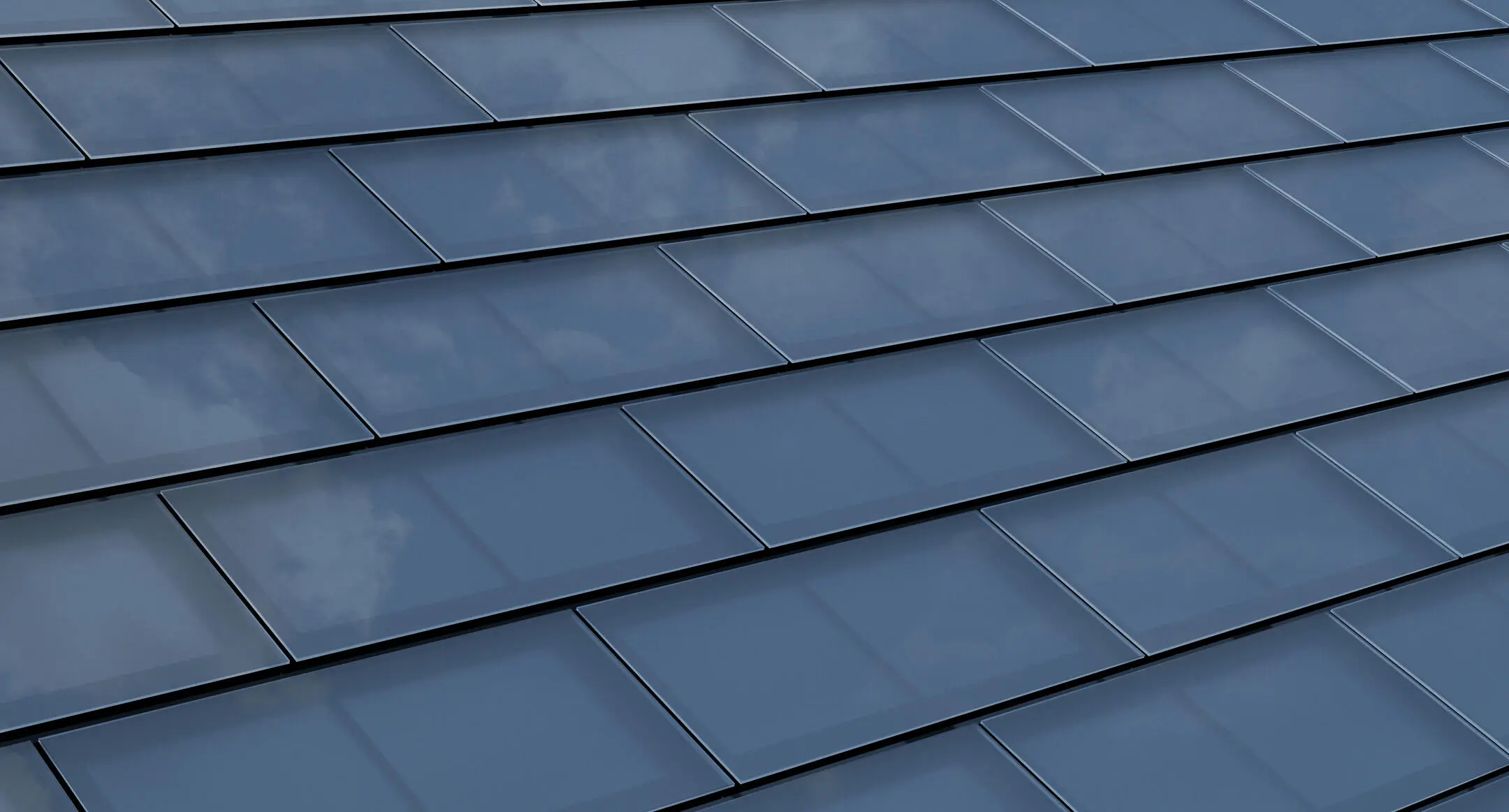
Solar Roofing In Smithfield, NC: Is It Worth The Investment?
11.26.2026
8 Min Read
Rising electric bills and a growing number of rooftop systems around Johnston County have many homeowners asking the same question: does solar actually pay off? For homeowners weighing solar roofing in Smithfield, NC, the answer depends on more than sunshine. The roof underneath, your utility’s rules, the end of the federal tax credit, and how long you plan to stay in the home all shape the return. Looking at how a sound, well-built roof supports a long-term solar investment is a smart first step before you compare quotes.
Here’s what this guide covers:
- Why the solar math looks different in 2026 than it did a few years ago
- Six questions to answer before you commit to a system
- How solar panels and integrated solar roofing differ
- A realistic look at costs, savings, and common risks
- Red flags to watch for in solar proposals
Why The Solar Question Looks Different In 2026
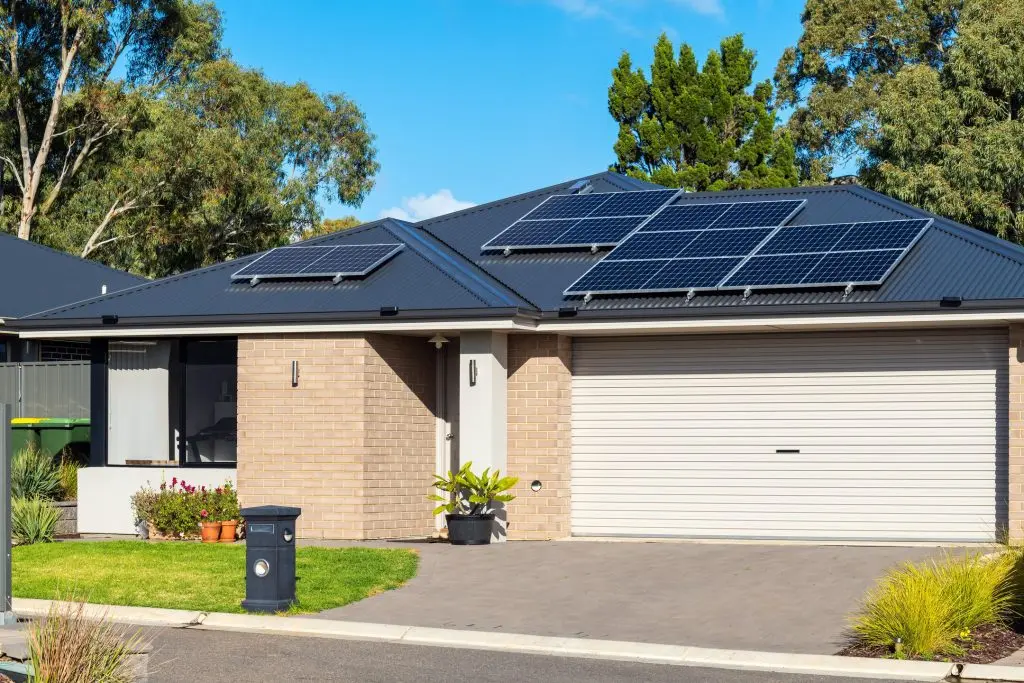
A few years ago, the case for solar leaned heavily on a generous federal tax credit and favorable utility credits for the power a system sends back to the grid. Both have changed. The incentives that made payback look short have shrunk, which means the economics now depend much more on your home, your usage, and the quality of the installation.
According to the IRS, the residential clean energy credit is not allowed for expenditures made after December 31, 2025, and an expenditure is treated as made when the installation is completed. That means a system finished in 2026 cannot claim the federal credit, so any quote that still counts on it is running last year’s math. For homeowners in Smithfield and surrounding areas, that makes it more important to look at the full picture:
- Utility rules matter: How your utility credits the power you export to the grid has a large effect on savings, and those rules have changed in recent years.
- No federal credit for new installs: Without the credit, the upfront cost carries more weight in the payback calculation.
- Roof age matters: A roof that will need replacement soon changes the plan, since panels have to come off and go back on.
- Your electricity use drives the savings: Homes with higher daytime usage tend to get more value from the power they produce.
- Time horizon is key: Solar rewards homeowners who stay put long enough for savings to catch up with the cost.
6 Questions To Answer Before You Invest In Solar Roofing
The best way to decide if solar is worth it is to answer a handful of practical questions about your own home. Work through these six, and you will have a much clearer sense of whether the numbers can work for you.
1. How Much Electricity Do You Use?
Solar savings come from the electricity you no longer buy, so your usage sets the ceiling. A household with high summer cooling bills has more to offset than one with modest use. Your past twelve months of utility bills show your annual usage and when it peaks.
- Gather a full year of bills to see seasonal swings
- Note how much of your usage happens during daylight hours
- Consider upcoming changes, such as an electric vehicle or a new heat pump
2. What Condition Is Your Roof In?
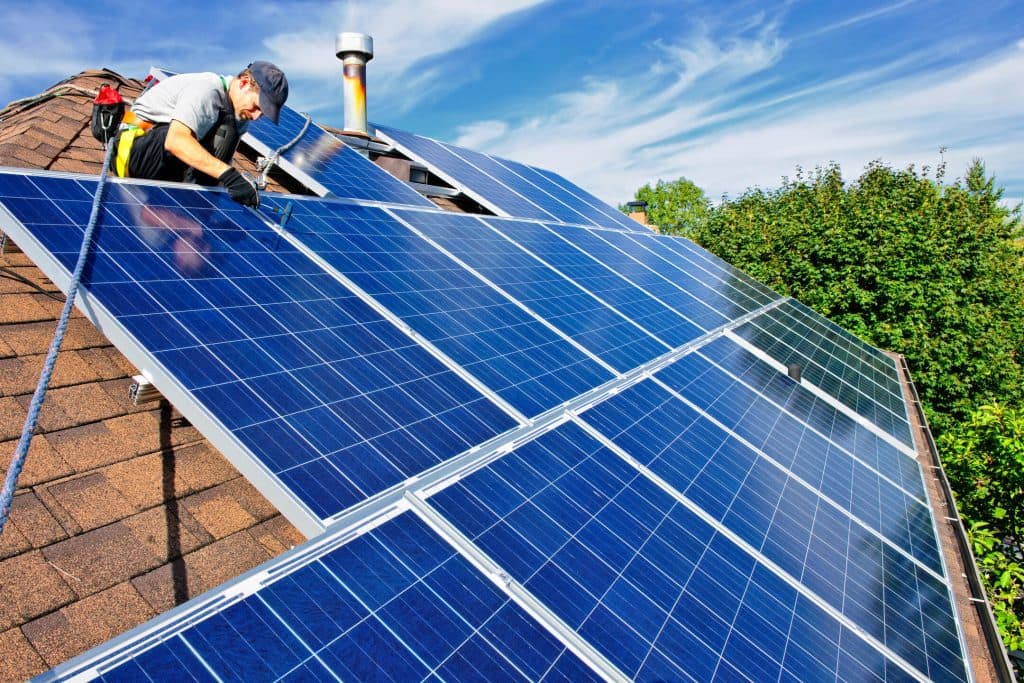
The roof is the foundation of the investment. Solar equipment is designed to last for decades, so it makes little sense to install it over a roof that will need replacement in five years. Removing and reinstalling panels later adds cost, and any hidden deck damage is easier to fix before the system goes on.
- Have the roof inspected for age, remaining life, and deck condition before you sign
- If replacement is near, do it first or plan an integrated solar roofing system
- Confirm that the roof structure can carry the added weight
3. How Does Your Utility Credit Exported Power?
Utility rules can make or break the return. Depending on where you live, your electricity may come from a large investor-owned utility, an electric membership cooperative, or a municipal system, and each has its own policies. Duke Energy, for example, moved new residential solar customers away from one-to-one net metering to time-of-use and bridge-rate structures, and exported power is credited below the retail rate.
- Ask your utility how exported power is credited and whether a minimum bill applies
- Ask whether the rate structure uses time-of-use pricing
- Size the system around how much you can use at home rather than export
4. What Will The System Actually Cost?
Solar pricing varies by system size, equipment, roof complexity, and installer. Rather than comparing the total price alone, compare the cost per watt and what is included. Ask for itemized quotes that show panels, inverters, mounting, permitting, and warranties.
- Compare cost per watt across at least three quotes
- Confirm that the quote does not assume the expired federal credit
- Ask about equipment and workmanship warranties and who stands behind them
5. How Long Will You Stay In The Home?
Solar pays back slowly, and many estimates put the payback period for North Carolina homes in the range of roughly 10 to 15 years, depending on cost and usage. If you plan to stay beyond that window, the investment has room to work. If you may sell soon, consider how a buyer will value the system and whether any financing will transfer.
- Estimate your payback period using real quotes and your own usage
- Ask how a lease or loan would affect a future sale
- Remember that savings continue after payback for the life of the system
6. Is Your Site Suited To Solar?
Not every roof is a good candidate. Orientation, pitch, and shade all affect production. Mature pines and oaks around Smithfield and surrounding areas can cast shadows that cut output, and some neighborhoods have rules about equipment visibility.
- South and west-facing roof planes generally produce the most
- Shade from trees or nearby buildings can reduce output significantly
- Check HOA rules and local permitting requirements early
Solar Panels Versus Integrated Solar Roofing
Solar roofing is a broad term. Most homes use rack-mounted panels on top of an existing roof, while integrated systems such as solar shingles replace the roofing material itself. The right choice depends on your roof, your budget, and how you feel about appearance.
- Rack-mounted panels: These sit above the roof surface on a mounting system and typically offer higher efficiency and lower cost per watt. They require a sound roof with life remaining.
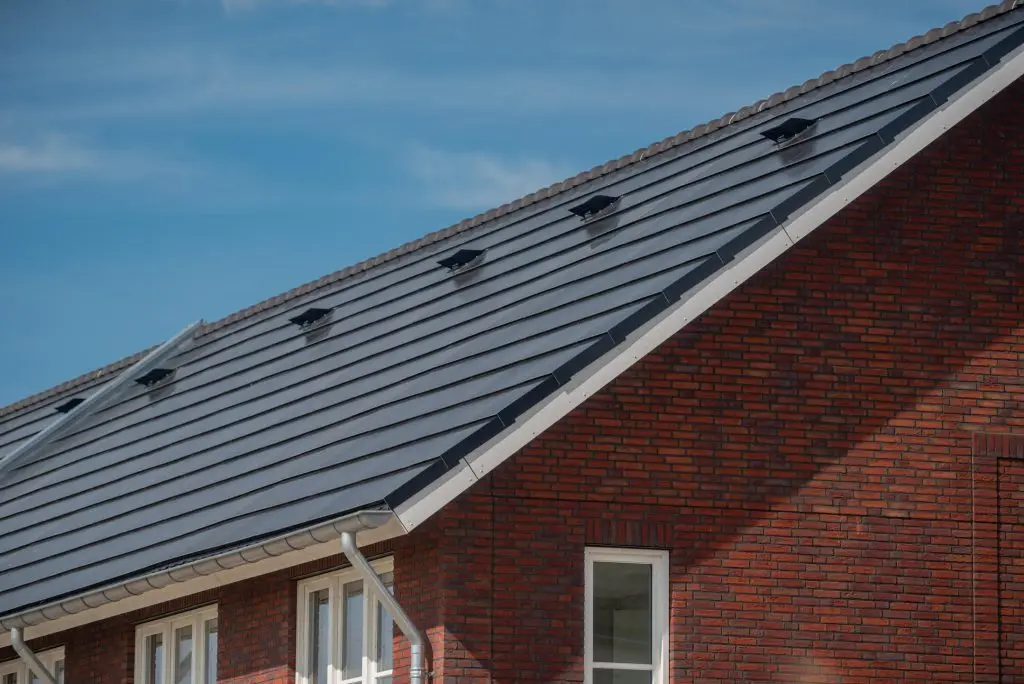
- Solar shingles and integrated systems: These act as both roof covering and power source, with a cleaner look and a higher price. They make the most sense when you need a new roof anyway.
- Roof condition either way: Both options depend on a solid deck, proper flashing, and a roof that will last as long as the solar equipment above it.
- Installation quality: Penetrations for mounts and wiring are potential leak points, so careful flashing and sealing are essential on any solar roof.
- Warranty coordination: Roofing and solar warranties are separate, so ask how the installer handles a leak or repair that involves both.
Is It Worth It? A Realistic Look At Costs, Savings, And Risks
Solar can be a good investment, but it is not automatic. The table below summarizes the factors that tend to help or hurt the return so you can see where your home falls.
| Factor | Works In Your Favor | Works Against You |
| Roof age | Newer roof with many years of life | Roof near replacement |
| Electricity use | High usage, especially during the day | Low usage or mostly evening use |
| Shade | Open, unshaded roof planes | Heavy tree cover over the roof |
| Utility credits | Favorable rate for exported power | Low export credits and minimum bills |
| Time in home | Plan to stay 10 or more years | May sell within a few years |
Ways To Improve The Return
A few decisions can make a real difference. Size the system around what you can use rather than what you can export, since exports are credited at lower rates. Handle roof work first so panels do not need to be removed later. Compare several quotes, and ask how the system performs under the rate plan you would actually be on.
- Right-size the system to your usage
- Replace or repair the roof before installation
- Ask for production estimates and the assumptions behind them
- Consult a tax professional about any current incentives, since we are not tax advisors
Red Flags In Solar Proposals
Because the incentive picture has changed, some proposals are out of date or overly optimistic. Watch for these warning signs.
- A quote that still counts on the expired federal credit
- Pressure to sign the same day or a limited-time offer that seems artificial
- No roof inspection or no discussion of roof condition
- Vague production estimates with no stated assumptions
- Unclear warranties or no plan for who handles a roof leak
Start With A Roof That Is Ready For Solar
Solar can be a smart investment for the right home, but the return starts with the roof underneath it. A roof with years of life left, a solid deck, and good flashing gives the system a stable foundation, while a roof nearing the end of its life can turn a good plan into an expensive one.
At Barkley-Jensen Roofing and Restoration, we help homeowners in Smithfield and surrounding areas understand what shape their roof is in before they commit to solar, and we explain whether repair, replacement, or an integrated system makes the most sense. If you are weighing solar and want an honest assessment of your roof first, contact us today and the Barkley-Jensen team will schedule an inspection and walk you through what we find.