




 Get Started
Synthetic Roof Underlayment Vs Felt (Which Is Better 2026)
08.25.2026
11 Min Read
Most homeowners never think about what sits between their shingles and the roof deck, until something goes wrong. Underlayment is the layer that determines whether a roof keeps water out when shingles are lifted by wind, damaged by hail, or compromised during a storm. The debate over synthetic roof underlayment vs felt has largely been settled by decades of field performance, but felt paper still shows up on plenty of new roofs in 2026, often because it costs less upfront. Understanding what each material actually does under your shingles helps you make a more informed decision before any project begins.
Here is what this guide covers:
- What roof underlayment is and why it matters more than most homeowners realize
- How synthetic underlayment and felt paper compare across six key performance categories
- Where felt paper still makes sense and where synthetic is the clear choice
- How underlayment choice affects your warranty coverage and long-term roof performance
- What to ask your contractor before a roofing project starts in Knightdale and surrounding areas
Why Underlayment Choice Matters More Than Most People Think

Underlayment is often treated as an afterthought in roofing conversations, the focus goes to shingles, and the layers beneath get glossed over. But underlayment is the last line of defense between your roof deck and water intrusion during a storm event, during installation before shingles go on, and throughout the life of the roof whenever shingles are compromised by wind, impact, or aging.
A quality underlayment protects the roof deck during installation when rain can fall on exposed decking for hours or days before shingles are complete. It provides backup protection during the roof’s life when wind lifts shingles at the edges or around penetrations. And it is the layer that buys time between initial damage and interior water intrusion, which is often the difference between a shingle repair and a decking replacement.
For Knightdale and surrounding areas homeowners, where summer thunderstorms can drop intense rainfall in short windows and tropical system remnants occasionally push inland, the backup protection underlayment provides is tested regularly. Choosing the right product for that environment is a decision worth making deliberately.
Underlayment choice affects:
- Storm protection during installation: Synthetic underlayment holds up to wind and rain exposure during multi-day installations far better than felt, which absorbs moisture and tears
- Long-term backup waterproofing: Synthetic products maintain their moisture resistance throughout the roof’s life; felt degrades with age and loses effectiveness as a secondary barrier
- Installer safety: Synthetic underlayment provides a slip-resistant walking surface for installation crews; wet felt paper is notoriously slippery and increases fall risk
- Warranty compliance: Many shingle manufacturers specify synthetic underlayment in their premium warranty programs; felt may not qualify for enhanced coverage
- Decking protection: Synthetic underlayment does not absorb moisture and trap it against the deck the way saturated felt can, which protects the decking from premature deterioration
5 Key Comparisons Between Synthetic Roof Underlayment and Felt
The choice between synthetic underlayment and felt paper comes down to how each product performs across the factors that actually affect your roof’s long-term performance. Here is a direct comparison across six categories that matter for Knightdale and surrounding areas homeowners.
1. Moisture Resistance
This is the most important performance category for underlayment, and the gap between synthetic and felt is significant.
Felt paper is made from organic fibers saturated with asphalt. When it absorbs water, it swells. When it dries, it wrinkles and contracts. Repeated wet-dry cycles cause felt to become brittle, crack, and eventually lose its ability to function as a moisture barrier. Felt paper left exposed on a roof deck for an extended period during installation can buckle and wrinkle so severely that it creates visible ridges in the finished shingle surface above it.
Synthetic underlayment is manufactured from woven or spun polypropylene or polyethylene and does not absorb water. It sheds moisture rather than absorbing it, maintains its flat profile through wet-dry cycles, and can be left exposed on the deck for weeks without losing its functional properties. That moisture resistance is consistent from day one through the end of the product’s service life.
- Felt paper absorbs up to 1 pound of water per square foot when fully saturated
- Synthetic underlayment absorbs negligible moisture and maintains its physical properties through extended water exposure
- For Knightdale and surrounding areas projects where installation may span multiple days and weather windows, synthetic’s moisture resistance provides meaningful protection for the decking below
2. Tear Resistance and Durability During Installation
Felt paper tears easily, particularly when wet. Installation crews walking on wet felt create tears at fastener holes, at overlaps, and anywhere the material is under tension. Those tears are typically covered by the next course of underlayment or by shingles, but they represent gaps in the secondary waterproofing layer at exactly the points where the material was already stressed.
Synthetic underlayment is significantly more tear-resistant than felt, both dry and wet. The woven or spun construction distributes stress across the material rather than concentrating it at individual fibers, which means it holds up under foot traffic, fastener installation, and wind exposure during installation without tearing or deforming. Most synthetic products carry published tear strength ratings that are several times higher than comparable felt products.
- Synthetic underlayment maintains its integrity under installation foot traffic and wind loading
- Felt tears at fastener points under tension, creating gaps in the secondary moisture barrier
- The tear resistance of synthetic products reduces the likelihood of installation-induced damage that compromises performance from day one
3. Weight and Ease of Installation
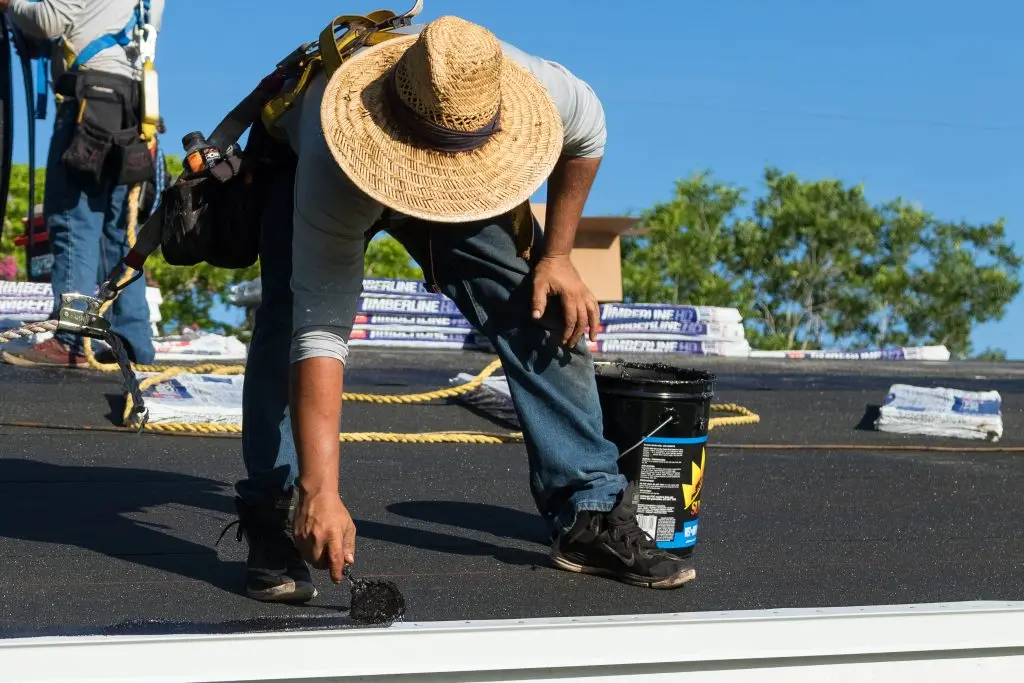
Felt paper is heavier than synthetic underlayment per square foot of coverage. That weight difference compounds across a full roofing project, particularly on large roofs or multi-story applications where material is being moved up and across the structure repeatedly. A square (100 square feet) of 30-pound felt weighs significantly more than the equivalent coverage in synthetic underlayment.
Lighter material means faster installation, less installer fatigue, and reduced load on the roof structure during the installation period. Most synthetic underlayment rolls also cover more area per roll than felt, which means fewer roll changes during installation and less seaming. On larger roofing projects in Knightdale and surrounding areas, those efficiency factors translate directly into reduced installation labor time.
- Synthetic underlayment typically weighs 10 to 20 percent of the equivalent felt coverage
- Larger roll formats reduce the number of laps and seams across the roof surface
- Lighter weight reduces installer fatigue on large or complex roofing projects
4. Slip Resistance
Wet felt paper is one of the most hazardous walking surfaces a roofing crew encounters. The asphalt-saturated surface becomes extremely slippery when wet, and installation crews working on pitched roofs over wet felt face a meaningful fall hazard. This is not an abstract concern: falls are the leading cause of fatalities in the roofing industry, and wet underlayment is a contributing factor in a significant number of those incidents.
Synthetic underlayment products are manufactured with textured surfaces specifically designed to provide secure footing for installation crews. That slip resistance is maintained when the material is wet, which is when foot traffic on the roof is most likely to occur — during and after rain events in the installation window.
- Synthetic underlayment maintains slip-resistant properties when wet; felt becomes hazardous
- Improved installer safety is both a practical benefit and a factor in installation quality, as safer crews work more carefully and consistently
- Some synthetic products carry specific slip-resistance ratings that document their traction performance
5. UV and Weather Exposure Tolerance
When installation is interrupted by rain or other delays, underlayment may be left exposed on the roof deck for days or weeks before shingles are installed. How well the underlayment handles that exposure window determines how much protection the deck receives during that period and whether the underlayment remains functional after shingles finally go on.
Felt paper has limited UV and weather exposure tolerance. Most manufacturers recommend that felt not be left exposed for more than a few days before shingles are installed, and extended exposure causes the asphalt to dry out, the organic fibers to degrade, and the material to become brittle. In practice, felt left exposed over a Carolina summer weekend can become significantly compromised by Monday morning.
Most synthetic underlayment products are rated for exposure windows of 90 days or more. That tolerance means the underlayment continues to protect the deck effectively even when installation is delayed by weather, material delivery, or crew scheduling — a realistic scenario on any roofing project.
- Felt paper should not be left exposed for more than a few days; degradation begins quickly under UV exposure
- Most synthetic products carry 90-day or longer exposure ratings
- Extended exposure tolerance provides a meaningful safety margin on projects where installation timelines are disrupted.
Where Felt Paper Still Makes Sense in 2026
Despite the clear performance advantages of synthetic underlayment across most categories, felt paper is not obsolete in every application. There are situations where felt remains a reasonable choice in 2026.
- Budget-constrained projects on structures with shorter expected lifespans: On an outbuilding, detached garage, or accessory structure where the ownership horizon is short and budget is the primary constraint, felt paper is a functional choice that meets code in most jurisdictions.
- Certain tile roofing applications: Some clay and concrete tile manufacturers specify felt underlayment because the breathability of felt works better under tile than the more vapor-resistant synthetic products. Always verify underlayment requirements against the specific tile manufacturer’s installation specifications.
- Code-minimum installations where enhanced warranty coverage is not a priority: In jurisdictions where felt meets code and the homeowner does not require the enhanced warranty coverage that synthetic enables, felt is a compliant option — though not the best-performing one.
For most Knightdale and surrounding areas homeowners installing shingles on a primary residence, synthetic underlayment is the better choice in 2026 across every performance category that matters for long-term roof health.
How Underlayment Affects Your Shingle Warranty

This is a section of the underlayment conversation that most homeowners do not hear about until after their roof is installed, and it matters more than most people realize.
Manufacturer Warranty Requirements
Major shingle manufacturers including GAF, Owens Corning, and CertainTeed have specific underlayment requirements as conditions of their enhanced warranty programs. GAF’s System Plus and Golden Pledge warranties, for example, require installation of GAF-approved synthetic underlayment products. Using felt paper on a GAF shingle installation may still meet code, but it will not qualify for the manufacturer’s enhanced workmanship coverage.
For homeowners who are investing in premium shingles specifically because of the warranty protection they offer, verifying that the underlayment choice is compatible with the target warranty tier is an important pre-installation step.
Workmanship Warranty Implications
Beyond the manufacturer’s product warranty, contractors who offer their own workmanship warranties often specify synthetic underlayment as part of their installation standard. A contractor who backs their work with a 5-year or longer workmanship warranty typically builds that confidence on installation practices that include synthetic underlayment, ice and water shield in critical areas, and other components that reduce the likelihood of warranty-triggering failures.
What to Ask Your Contractor
Before any roofing project begins in Knightdale and surrounding areas, ask your contractor specifically:
- What underlayment product will be used and what is its manufacturer and product name?
- Is that product compatible with the shingle manufacturer’s enhanced warranty program?
- What exposure rating does the underlayment carry if installation spans multiple days?
- Does the project specification include synthetic underlayment throughout or only in specific areas?
Clear answers to these questions confirm that the contractor knows their materials and has planned the installation to protect both your home and your warranty coverage.
Making the Right Underlayment Choice for Your Knightdale Home
Synthetic roof underlayment vs felt is not a close call for most residential roofing projects in 2026. The performance advantages of synthetic across moisture resistance, tear strength, slip resistance, UV tolerance, and warranty compatibility are consistent and well-documented. Felt paper costs less upfront, but the gap in long-term performance protection is a meaningful tradeoff for homeowners who expect their roof to last 25 to 30 years.
At Barkley-Jensen Roofing and Restoration, synthetic underlayment is our standard specification on every residential roofing installation we complete for homeowners in Knightdale and surrounding areas. We are GAF Certified, licensed, and insured in North Carolina, and we back every project with a 5-year workmanship warranty and honest communication about every material we use. If you are planning a roof replacement and want to understand exactly what goes into the system before the first shingle goes on, contact us today and we will walk you through every layer.