




 Get Started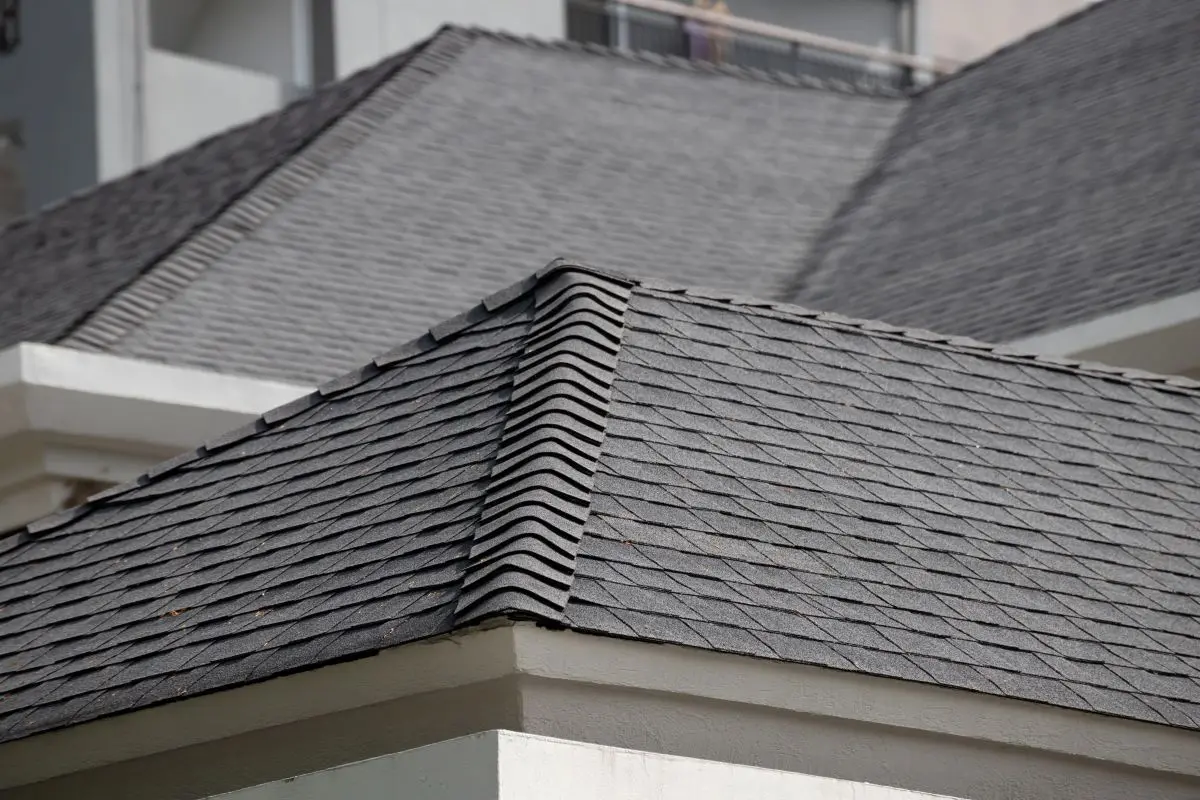
What Is A Ridge Cap On A Roof (6 Reasons It Matters)
10.06.2026
12 Min Read
Most homeowners spend a lot of time thinking about shingles and gutters and not nearly enough thinking about the single most exposed point on their entire roof. If you’ve ever wondered what is a ridge cap on a roof, you’re asking a question that affects every other component in your roofing system. The ridge is where two roof slopes meet at the peak, and the cap is what seals that joint against water, wind, pests, and heat. Understanding how this critical detail is handled on properly installed residential and commercial roofs can tell you a lot about the quality of any roofing job.
Here’s what this guide covers:
- What a ridge cap is and how it works within the roofing system
- The six reasons ridge cap performance directly affects your roof’s longevity
- The types of ridge cap materials available and how they compare
- Warning signs that your ridge cap needs attention
- How Barkley-Jensen approaches ridge cap work for Apex homeowners
What Exactly Is A Ridge Cap And What Does It Do?
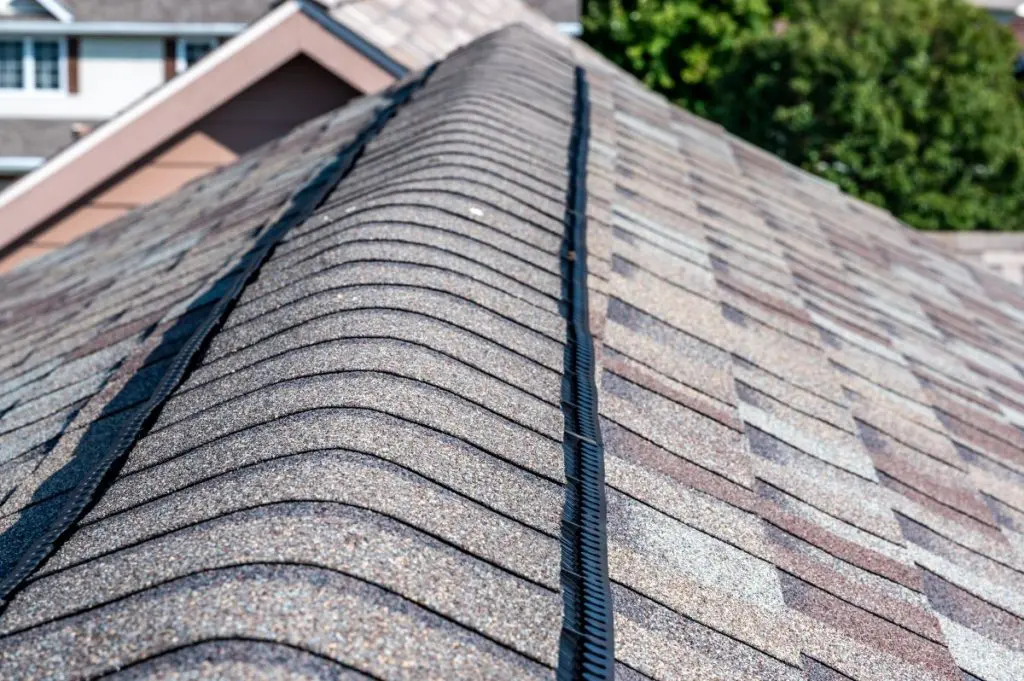
The ridge of your roof is the horizontal line running along the very top, where the two sloping sides of the roof meet at the peak. Every sloped roof has at least one ridge, and every ridge needs to be covered and sealed. A ridge cap is the specialized roofing material installed along that peak to bridge the gap between the two roof planes and create a watertight seal at the highest and most exposed point of the entire structure.
Standard field shingles, the ones covering the main slope of your roof, are designed to lie flat and overlap in a downward direction so water sheds away from the house. They are not designed to fold over a peak angle without cracking. Ridge cap shingles and ridge cap materials are specifically engineered to bend or fold cleanly over the ridge angle while maintaining a watertight seal on both sides. Purpose-built ridge caps include a factory-scored center line, stronger adhesive strips, and thicker construction than standard field shingles to handle the unique stress conditions at the roof’s peak.
In Apex and surrounding areas, where summer storms, high winds, and UV exposure are consistent seasonal factors, the ridge cap does more daily work than almost any other roofing component. It is always exposed, never shaded, and sits at the point of maximum wind pressure on the entire structure.
6 Reasons Your Ridge Cap Matters More Than You Think
Property owners are sometimes surprised to learn how much the condition of their ridge cap influences the performance of the whole roofing system. It is not decorative trim. It is a functional barrier that protects the most vulnerable seam on your roof. Here are the six reasons it deserves more attention than it typically gets.
1. It Seals The Most Vulnerable Point On Your Roof
The ridge is where wind, rain, and moisture have direct access to the peak of your roof deck. Without a properly sealed ridge cap, wind-driven rain can push water upward and over the peak, entering the roof system at its highest point and traveling down through insulation and structural components before it ever shows up as a ceiling stain. That horizontal travel of water between the point of entry and the visible damage is what makes ridge failures so difficult to diagnose without a professional inspection.
A FEMA post-storm assessment published in research by the Journal of Wind Engineering and Industrial Aerodynamics found that failures of ridge-cap and hip shingles were among the most prevalent forms of storm damage observed following Hurricane Michael, with ridge vent failures at those locations leading to significant water intrusion and ceiling collapse in multiple affected structures. That data reflects what roofing professionals see on the ground: the ridge is the first place a storm exploits.
- Wind-driven rain at the ridge moves upward, against the direction standard shingles are designed to shed
- A compromised ridge cap allows water to enter the roofing system at its peak, where it can travel laterally across the entire roof deck before becoming visible
- The ridge is the point of maximum wind suction on a sloped roof, making proper adhesion of the cap critical
2. It Controls Attic Ventilation
Many ridge caps are installed in combination with a ridge vent, a continuous ventilation channel that runs along the peak and allows hot, humid air to escape from the attic. This is not a secondary feature; it is one of the most important mechanisms for protecting both the roof structure and the home’s energy performance.
In Apex and surrounding areas, summer attic temperatures can exceed 150 degrees Fahrenheit without adequate ventilation. That heat degrades roofing materials from the underside, accelerates the breakdown of the adhesive strips that hold shingles in place, and drives up cooling costs. A ridge vent paired with proper soffit vents creates a continuous airflow path that pulls cool outside air in at the eaves and exhausts hot attic air at the peak.
- A properly vented ridge cap reduces attic heat accumulation, which directly affects shingle lifespan
- Ridge ventilation paired with soffit venting prevents moisture buildup that leads to mold growth and structural wood rot
- Inadequate or blocked ridge ventilation is a documented cause of premature roof failure that often voids manufacturer warranties
3. It Protects Against Pest Intrusion
The gap at the roof peak is not just an entry point for water. Without a sealed ridge cap, it is also an open pathway for insects, birds, squirrels, and other pests seeking access to the attic space. Nesting activity inside an attic causes insulation damage, introduces moisture, and creates fire risks from gnawed wiring. It also creates secondary structural damage as animals expand their access points over time.
A properly installed ridge cap with no gaps, lifted sections, or failed adhesive creates a continuous physical barrier at the peak that prevents wildlife access. In regions like Apex and surrounding areas, where wooded neighborhoods bring regular wildlife activity close to residential structures, this is a more common problem than most homeowners expect.
4. It Completes The Structural Integrity Of The Roof System

The ridge cap is the final layer that locks the roofing system together at its highest point. When installed correctly, it overlaps the top course of field shingles on both sides of the ridge and is secured with nails and roofing cement. That installation creates a mechanical connection between the two roof slopes at the peak, reinforcing the system against wind uplift forces that try to peel the roof apart from the top down.
When the ridge cap fails, lifts, or goes missing, the top course of field shingles on both sides of the ridge becomes exposed. Wind gets under those top shingles and begins lifting them, creating a progressive failure that moves down the roof slope from the peak toward the eaves. This is why ridge damage after a storm often results in far more extensive shingle loss than the initial cap failure would suggest.
- Each ridge cap piece is installed with overlapping layers and roofing cement that resist wind uplift
- A missing or failed cap removes the mechanical anchor for the top course of field shingles on both sides of the ridge
- Progressive wind uplift following ridge cap loss is one of the fastest ways a minor storm event becomes a full roof claim
5. It Affects The Appearance And Resale Value Of Your Home
The ridge is the most visible horizontal line on your roof when viewed from the street. A ridge cap that is properly installed, consistently colored, and free of visible damage or displacement communicates that the roof is in good condition. A ridge cap with missing sections, mismatched color, curling pieces, or visible nails communicates the opposite, and buyers and their inspectors notice.
In Apex and surrounding areas, where the real estate market draws buyers who conduct thorough due diligence, a visually compromised ridge line raises questions that go beyond aesthetics. It signals potential deferred maintenance and prompts closer scrutiny of the entire roofing system during inspection. A new or well-maintained ridge cap, by contrast, is a simple detail that reads as a sign of a cared-for property.
6. It Is Often The First Component To Show Age Or Storm Damage
Because it sits at the highest point of the roof and faces the most intense UV exposure, wind, and temperature cycling of any roofing component, the ridge cap tends to show wear before the rest of the roof shows visible deterioration. Granule loss concentrated along the ridge line, curling at the edges of individual cap pieces, and lifted sections are all early indicators that the roofing system is aging. They are also reliable signals that a professional inspection is warranted before that aging progresses to an active leak.
Ridge damage is also one of the most commonly documented findings after wind and hail events during the insurance claims process. Adjusters routinely check the ridge line early in an inspection because it is the highest-risk location on the roof and one of the most reliable indicators of whether a storm caused compensable damage.
Ridge Cap Types And How They Compare
Not every ridge cap is the same, and the right choice for your roof depends on the material system in place, your climate, and your performance priorities. Here is a breakdown of the most common options and what distinguishes each.
- Standard Asphalt Ridge Cap Shingles: The most widely used option for asphalt shingle roofs. Purpose-built ridge cap shingles are pre-scored or pre-bent to fold cleanly over the ridge angle and are thicker than standard field shingles. They include stronger adhesive strips and are designed to match the color and texture of the field shingles below. Lifespan in the Apex and surrounding areas climate typically runs 15 to 25 years, though the ridge often shows wear sooner than the field shingles due to higher UV and wind exposure.
- High-Definition Or Premium Ridge Cap Shingles: Thicker and more dimensional than standard ridge caps, these products use an SBS-modified asphalt base that stays flexible through a wider range of temperatures and resists cracking under thermal cycling. They typically carry stronger wind resistance ratings and longer manufacturer warranties. For homeowners in Apex and surrounding areas installing a new roof or replacing an aged system, the upgrade cost is modest relative to the performance improvement.
- Vented Ridge Cap (Ridge Vent System): A vented ridge cap incorporates a continuous ventilation channel along the peak covered by either shingle-over material or a specialized vented cap. When paired with adequate soffit ventilation, this system provides the most effective passive attic ventilation available in residential roofing. It is the recommended configuration for most residential applications in this climate because of its impact on reducing attic heat and moisture.
- Metal Ridge Cap: Standard for standing seam metal and metal shingle roofing systems. Metal ridge caps match the panel material and are typically installed with concealed or minimally exposed fasteners. They are extremely durable, require very little maintenance, and are not subject to the granule loss or cracking that affects asphalt caps over time.
- Tile Ridge Cap: Used on clay or concrete tile roofs. Ridge cap tiles are shaped to match the profile of the field tiles below, creating a continuous appearance along the peak. Like the tiles themselves, properly installed tile ridge caps can last 50 or more years, though the mortar bed or foam adhesive used in the installation requires periodic inspection and maintenance.
Warning Signs Your Ridge Cap Needs Attention
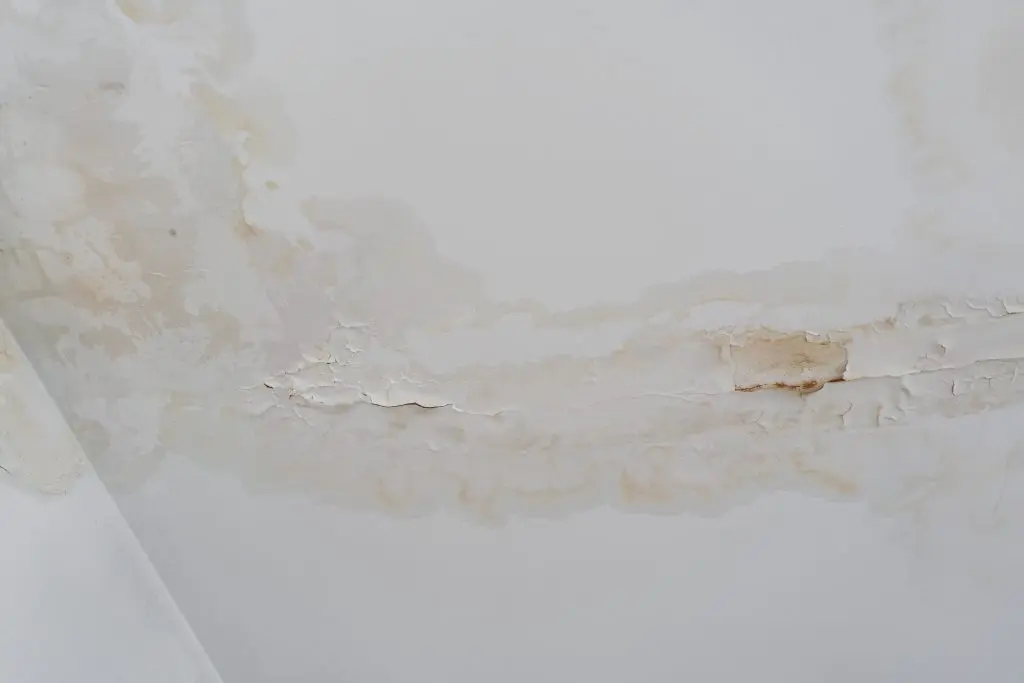
A ridge cap problem rarely announces itself loudly. Because the ridge is at the top of the roof and not easily visible from the ground, damage can go unnoticed until water has already entered the system. These are the most reliable early warning signs to watch for.
What You Can See From The Ground
Stand across the street from your home and look at the ridge line. Missing or displaced cap pieces will appear as gaps or irregular sections along the peak. Lifted or curling edges catch the light differently than properly seated material and are often visible on a bright day. Sections with significant granule loss look noticeably different in color or texture from the rest of the ridge line.
What Shows Up During An Inspection
A professional inspection will check for cap pieces with failed adhesive that are moving in wind, nails that have backed out and are no longer holding cap sections securely, roofing cement that has dried and cracked at overlap joints, and areas where the cap has lifted enough to allow a visible gap at the ridge. In Apex and surrounding areas, a post-storm inspection should always include a close look at the ridge line, since this is where storm damage most often originates.
What Shows Up Inside The Attic
Water staining on roof sheathing near the peak, daylight visible through the roof deck along the ridge line, and insulation that is wet or compressed near the attic peak are all signs that the ridge cap has been compromised. These findings inside the attic typically indicate that an active or recent breach exists at the ridge, even if no visible damage is apparent from the exterior.
Your Ridge Cap Deserves The Same Attention As The Rest Of Your Roof
The ridge cap is not a finishing detail. It is a critical system component that protects the most vulnerable seam on your entire roof, controls how your attic breathes, and serves as the first line of defense against the wind events that regularly move through this region. When it’s performing correctly, it goes unnoticed. When it fails, the consequences move through the entire roofing system quickly.
At Barkley-Jensen Roofing and Restoration, ridge cap condition is part of every inspection we perform for homeowners in Apex and surrounding areas. Whether you’ve recently been through a storm, are noticing early signs of wear, or simply want to understand the condition of your roof before issues develop, we bring the same standard of honest assessment to every job. Contact us today and the Barkley-Jensen team will get your inspection scheduled and your ridge cap properly evaluated.