




 Get Started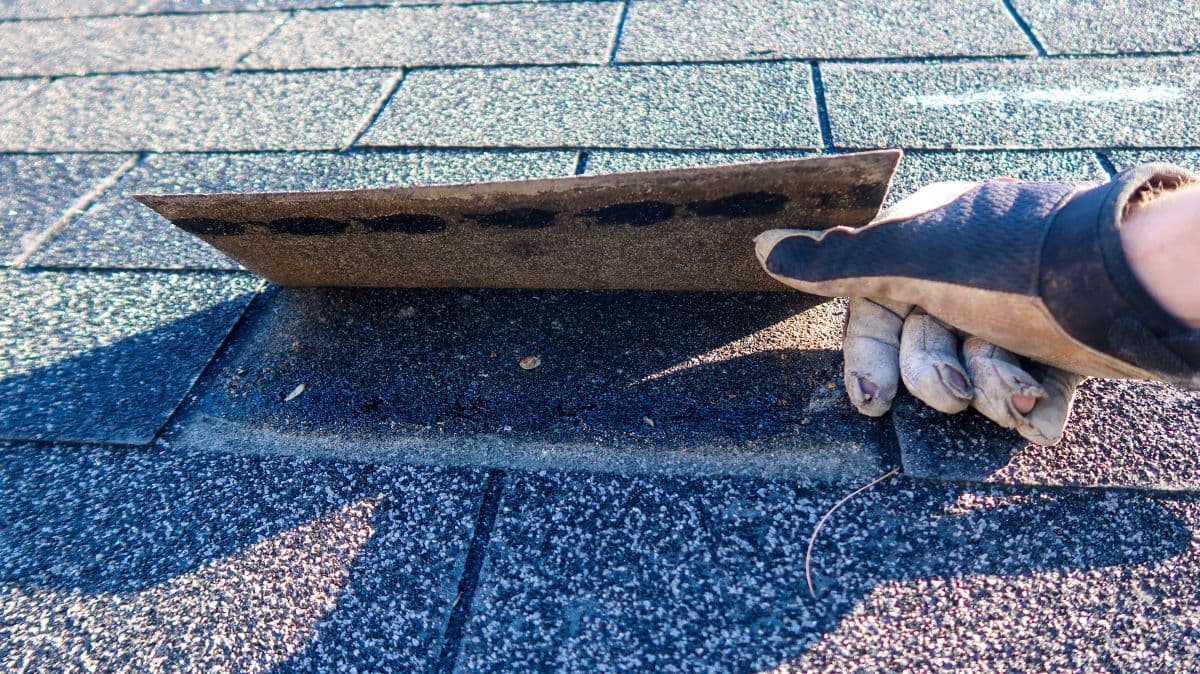
What Is Included In A Full Roof Inspection In Holly Springs, NC?
07.23.2026
12 Min Read
Scheduling a roof inspection is one of the most straightforward things a Holly Springs homeowner can do to protect their home — yet most people only think about it after a problem has already made itself known from the inside. By then, the damage has typically been progressing for months. Knowing what is included in a full roof inspection in Holly Springs, NC helps you understand what you are actually getting when a contractor shows up, how to evaluate the quality of their findings, and why a thorough inspection covers far more than just checking for missing shingles. Every layer of your roof system tells a different part of the story, and a complete inspection reads all of them.
Here is what this guide covers:
- Why Holly Springs homeowners benefit from regular professional inspections
- Every area a complete roof inspection should evaluate
- What a quality inspection report looks like and what to do with it
- How inspections connect to insurance claims and warranty coverage
- When to schedule an inspection and what triggers should prompt one sooner
Why Holly Springs, NC Homeowners Need Regular Residential Roofing Services

Holly Springs has grown faster than almost any other community in the Triangle over the past decade, and much of that growth came in the form of large residential developments where speed of construction sometimes outpaced quality control. Many homes in Holly Springs were built during periods of high demand when material shortages and contractor availability issues were real factors. The practical result is that roofing problems on Holly Springs homes sometimes show up earlier than they would on homes built under more controlled conditions.
Nearly 62% of U.S. homeowners did not inspect their roofs for any damage in a recent 12-month period, yet roof-related damage accounts for 70 to 90% of residential losses in catastrophic weather events. In a community with Holly Springs’ storm exposure and construction history, that combination of infrequent inspection and active weather risk is worth taking seriously.
Professional inspections give Holly Springs homeowners:
- Damage caught at the repair stage: Problems identified early cost a fraction of what they cost after water has penetrated the decking and reached the structure below
- Insurance documentation: A professional inspection report is the foundation of any storm damage claim, a homeowner’s self-assessment carries far less weight with an adjuster
- Warranty protection: Many shingle manufacturer warranties require documented maintenance and professional inspections to remain valid over the warranty period
- Accurate remaining lifespan estimates: A qualified inspector can tell you how much useful life your current roof has left, which is information you need for budgeting and planning
- Peace of mind: Knowing the actual condition of your roof eliminates the uncertainty that accumulates when it has been years since anyone has looked at it carefully
7 Things a Complete Holly Springs Roof Inspection Covers for NC Homeowners
A thorough professional inspection is a systematic evaluation of every component in the roof system, both from the exterior surface and from the attic space below. Here is every area that should be covered in a complete inspection.
1. Shingle Surface Condition
The shingles are the most visible component of the roof system and the first place most homeowners look, but a qualified inspector evaluates them at a level of detail that ground-level observation simply cannot match. The inspector will walk the full roof surface and assess:
- Granule loss: Granules are the protective coating on asphalt shingles that block UV radiation and provide fire resistance. Granule loss shows up as bare or discolored patches on the shingle surface and in granule accumulation in the gutters. Significant granule loss dramatically shortens the effective remaining lifespan of the shingles.
- Curling and cupping: Shingles that curl upward at the edges or cup at the center are showing signs of age-related material breakdown, moisture damage, or inadequate ventilation from the attic below.
- Cracking and brittleness: Common on older roofs or those that have experienced repeated thermal stress. Cracked shingles are no longer providing a complete water barrier.
- Blistering: Raised or bubbled areas on the shingle surface that indicate volatile compounds escaping from the shingle during aging or curing. Blistering is a sign of premature shingle degradation.
- Missing shingles: Any gap in the shingle surface is a direct opening for water infiltration, and on a Holly Springs roof subject to summer thunderstorms, even a single missing shingle warrants prompt attention.
The inspector will also assess the extent and pattern of any algae staining, which is common on Holly Springs roofs given the area’s humidity. While algae is initially a cosmetic issue, chronic moisture retention from algae and moss growth contributes to granule loss over time.
2. Flashing at All Penetrations and Transitions
Flashing is the metal material installed wherever the roof surface meets a vertical surface or transitions between planes. It seals around chimneys, skylights, dormers, pipe boots, and exhaust vents, and it lines all roof valleys where two planes meet. Flashing failure is the most common source of roof leaks on residential homes in the Triangle, and a thorough inspection evaluates every flashing installation on the roof.
The inspector looks for:
- Separation from the surfaces the flashing is meant to seal, which develops gradually as sealants dry out and lose adhesion
- Corrosion or rust, particularly on older galvanized steel flashing that has been exposed to years of weather
- Improper original installation that relied on roofing cement as the primary seal rather than properly embedded metal
- Valley flashing integrity and whether debris has accumulated in the valley in ways that redirect water toward the roof surface
On Holly Springs homes that went through additions or modifications, the inspector should pay particular attention to any areas where old and new roof sections meet, where improper flashing is especially common.
3. Pipe Boots and Roof Penetrations

Pipe boots are the rubber or metal collars that seal around every plumbing vent, exhaust pipe, and mechanical penetration exiting through the roof. They are frequently the first component to fail on an aging roof because the rubber degrades with UV exposure and temperature cycling long before the shingles around them show comparable wear.
On a Holly Springs home, the inspector should check every pipe boot for cracking, drying, or separation from the pipe it seals. A failed pipe boot is one of the most common sources of slow leaks that cause significant damage over months before they are discovered. It is also one of the most inexpensive repairs when caught early, making this a high-value inspection point.
4. Gutters and Drainage System
Gutters are not technically roofing material, but they are a functional part of how the roof system manages water, and a complete inspection should evaluate them in that context. The inspector will assess:
- Whether gutters are properly attached and not pulling away from the fascia, which often signals water has been backing up and rotting the wood behind them
- The amount of granule accumulation in the gutter channel, which directly indicates how much wear the shingles above have been experiencing
- Whether gutters are properly sloped toward downspouts and draining effectively
- The condition of downspout connections and whether water is being directed appropriately away from the foundation
On Holly Springs lots where grading is relatively flat, improper drainage at the gutter level has a direct path to foundation issues, making this evaluation more consequential than it might be on a steeply graded lot.
5. Fascia, Soffit, and Eave Condition
The fascia boards, soffit panels, and eave area sit at the transition between the roof system and the home’s exterior walls. They are vulnerable to water damage from clogged or failed gutters and from ice and water backup at the eaves, and their condition is a reliable indicator of whether moisture has been working its way into the system from the edges.
The inspector checks for:
- Soft, spongy, or visibly rotted fascia boards indicating prolonged moisture exposure from behind the gutters
- Peeling paint or discoloration on soffit panels that signals moisture presence
- Gaps or damage in the soffit that allow pest access to the attic
- Ice damming evidence at the eaves, particularly on north-facing sections of the roof
6. Attic Ventilation and Decking Condition
The attic inspection is one of the most important parts of a complete roof evaluation and the one most frequently skipped on lower-quality inspections. In Holly Springs’ climate, adequate attic ventilation is critical for preventing heat buildup that degrades shingles from below and moisture accumulation that causes mold and wood rot in the decking and framing.
The inspector should access the attic space and evaluate:
- Whether ridge vents and soffit vents are clear and functioning together to create adequate passive airflow
- Whether the total ventilation area meets current code requirements for the attic square footage
- The condition of the roof decking as visible from below, including any soft spots, staining, or sagging that indicates moisture damage
- Whether there is any evidence of mold, mildew, or condensation that would indicate a ventilation failure has been occurring
Decking condition is also assessed from above during the walking inspection. Any areas where the inspector detects soft spots underfoot are flagged for further evaluation, as compromised decking affects the structural integrity of everything installed above it.
7. Chimney and Skylight Assessment
Chimneys and skylights are among the highest-risk penetrations on any roof because they require flashing on multiple sides and because they are structurally independent from the roof system in ways that create movement and stress at the seams over time.
The chimney assessment should include the condition of the flashing at all four sides, the mortar cap and crown at the top of the chimney structure, and whether any separation has developed at the step flashing along the sides. Skylights should be checked for proper flashing integration, for any cracking in the frame or glazing seal, and for evidence of moisture at the interior edge that would indicate water has been getting past the seal.
What Quality Roofing Services Include in a Holly Springs Inspection Report
An inspection is only as useful as what gets documented from it. A professional inspection report from a Holly Springs contractor should be specific, visual, and actionable — not a generic checklist with vague notes.
A complete report should include:
- Dated photographs of every finding: Every area of concern should be documented with photos taken during the inspection. Photos are essential for insurance claims, for tracking changes over time, and for getting second opinions if needed.
- Specific locations: “Step flashing separation on the east side of the chimney, approximately halfway up” is useful. “Flashing issue noted” is not.
- Severity categorization: The report should clearly distinguish between items requiring immediate attention, items to monitor at the next inspection, and items that are cosmetic only.
- Estimated remaining service life: A qualified inspector should be able to give an honest, experience-based assessment of how many years of useful life the current roof system has under normal conditions.
- Specific repair recommendations: Any recommended repairs should be described in enough detail that you can evaluate whether the proposed scope makes sense and get comparison quotes if desired.
If a contractor performs an inspection and produces a report that is vague, photo-free, or arrives only as a verbal summary, that is a signal to ask more questions or seek a second opinion.
How Roof Inspections Protect Holly Springs Homes and New Roof Installations

Two of the most practical reasons to maintain a documented inspection history for your Holly Springs roof have nothing to do with the inspection itself — they have to do with what happens after a storm or when a warranty claim becomes necessary.
Roof Inspections, Insurance Claims & Holly Springs Neighborhoods
When a storm damages your roof, your homeowners insurance company will want documentation that the damage is storm-related and not the result of pre-existing neglect. A professional inspection report completed shortly after a storm event, with photographs of specific damage and a clear assessment of what is new versus what was pre-existing, gives the adjuster what they need to process the claim efficiently.
Homeowners who can produce a recent clean inspection report before the storm — showing the roof was in good condition — are in an even stronger position. It establishes a baseline that makes storm-caused damage unambiguous. Without that documentation, adjusters have more latitude to attribute damage to wear and deferred maintenance rather than the storm event, which can result in reduced or denied claims.
Roof Maintenance, New Roof Installation & Manufacturer Warranties
Most premium shingle products sold in North Carolina carry manufacturer warranties of 30 years to lifetime, but those warranties come with conditions. Many require the shingles to have been installed by a certified contractor and maintained according to the manufacturer’s specifications. Some require documented professional inspections at regular intervals.
If a warranty claim becomes necessary — because shingles are failing before their rated lifespan — the manufacturer will evaluate whether the installation and maintenance record supports the claim. A documented inspection history is often the difference between a warranty claim that proceeds and one that gets denied on the basis of inadequate maintenance.
Your Free Estimate Starts Here — Holly Springs, NC Roof Inspection
What is included in a full roof inspection in Holly Springs, NC is ultimately a checklist that separates a thorough professional evaluation from a quick visual scan that leaves most of the roof system unexamined. The seven areas covered above — shingle condition, flashing, pipe boots, gutters, fascia and soffit, attic and decking, and chimney and skylights — represent a complete picture of where your roof system stands and what it needs.
At Barkley-Jensen Roofing and Restoration, every inspection we perform for Holly Springs homeowners is thorough, documented, and honest. We are not in the business of recommending replacements when repairs will do, and we are not in the business of missing things that need attention. We are GAF Certified, licensed, and insured in North Carolina, and we back all repair and replacement work with a 5-year workmanship warranty. If it has been more than a year since your last professional roof inspection or a recent storm has raised concerns, contact us today and we will give your Holly Springs home a thorough look.