




 Get Started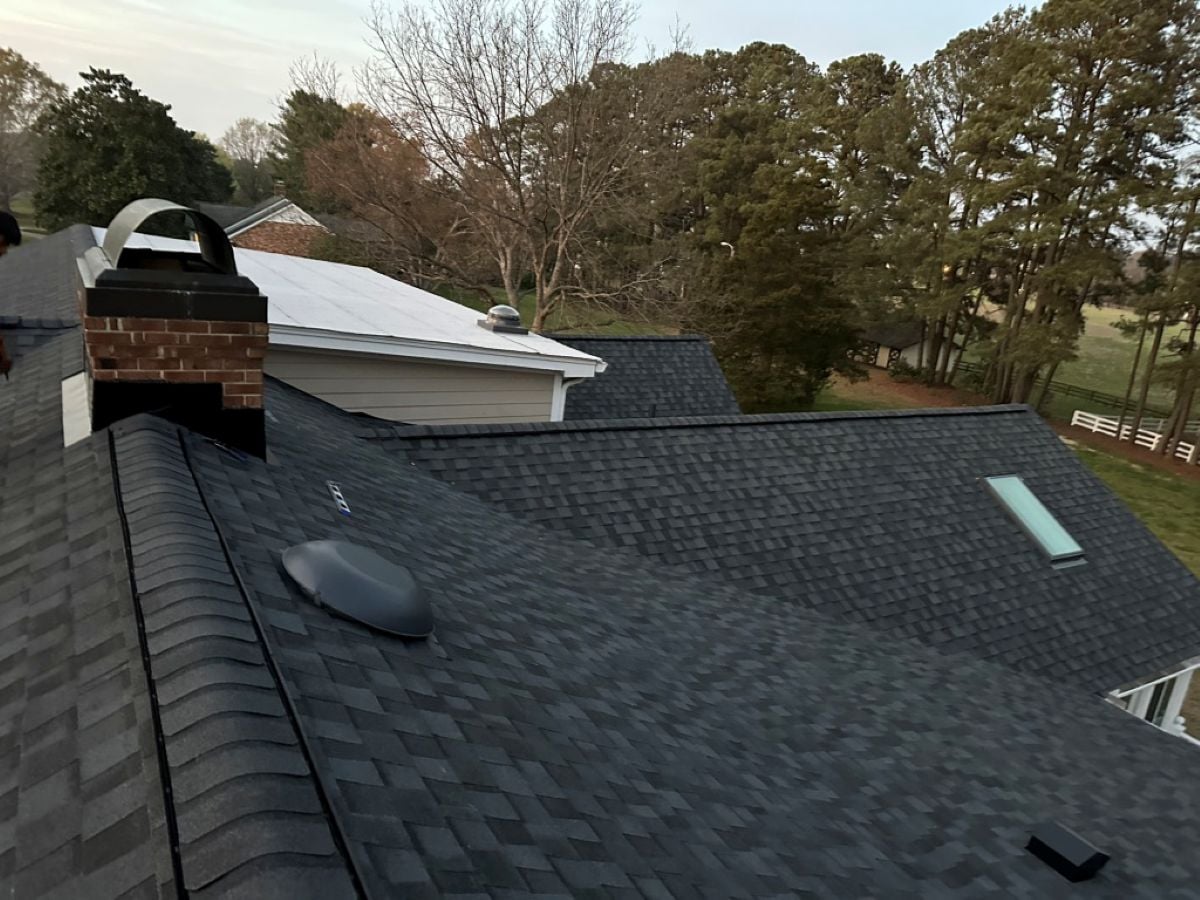
What Type Of Shingles Are Recommended In Chapel Hill, NC?
06.16.2026
10 Min Read
Picking the right shingles for your home is not a one-size-fits-all decision, and what works in a dry climate can fail quickly in Chapel Hill’s humid subtropical conditions. If you’ve started researching shingles recommended in Chapel Hill, NC, you’ve likely noticed that the options feel endless, from budget three-tab asphalt to premium metal and composite materials. The difference between a roof that performs well for 30 years and one that needs attention in 10 often comes down to whether the material was chosen with the local climate in mind. Understanding how shingle selection affects long-term performance on a Triangle-area home is one of the most valuable things you can do before making this investment.
Here’s what this guide covers:
- Why Chapel Hill’s climate creates specific roofing demands
- The most recommended shingle types for this region and why
- How shingle features like algae resistance and impact ratings affect performance here
- What to consider when comparing cost versus longevity
- How Barkley-Jensen helps Chapel Hill homeowners choose the right material
Why Chapel Hill’s Climate Makes Shingle Selection So Important
Chapel Hill sits in the North Carolina Piedmont, which means homeowners deal with a combination of high summer heat, persistent humidity, heavy seasonal rainfall, and occasional severe storms. That mix puts real stress on roofing materials in ways that drier climates simply don’t. A shingle that performs beautifully in Arizona will develop algae streaks, warp under moisture cycling, or degrade from UV exposure far faster in this environment.
The right shingle for Chapel Hill works with the climate rather than against it. Here’s what that means in practice:
- Algae resistance is non-negotiable: The humid conditions across the Triangle create ideal conditions for Gloeocapsa magma, the blue-green algae that causes dark streaking on roofs. Shingles without built-in copper or zinc granules will show visible staining within a few years, which both degrades the material and signals to buyers that the roof has been neglected.
- UV performance drives longevity: Chapel Hill summers routinely exceed 90 degrees Fahrenheit, and prolonged UV exposure breaks down the asphalt binder in shingles over time. Shingles rated for high UV environments hold their granule coating longer and maintain waterproofing integrity through more thermal cycles.
- Wind resistance matters year-round: The region sees regular severe thunderstorms and occasional tropical storm remnants moving inland. A shingle rated for 110 mph winds or higher provides meaningful added protection during these events compared to a standard-grade product.
- Moisture cycling causes premature failure: The combination of wet winters and hot, humid summers means roofing materials in Chapel Hill go through significant expansion and contraction. Heavier, thicker shingles handle this thermal cycling far better than lightweight alternatives.
- Energy efficiency has real value: During a Chapel Hill summer, attic temperatures can reach extreme levels and put additional load on HVAC systems. Shingles with reflective granule technology reduce heat absorption at the roof surface, which translates directly into lower cooling costs.
5 Shingle Types Recommended For Chapel Hill Homes
Not every shingle performs equally well in the Triangle’s climate. Here are the five most relevant options, from the most commonly installed to the most premium, with an honest look at what each delivers in this environment.
1. Architectural (Dimensional) Asphalt Shingles
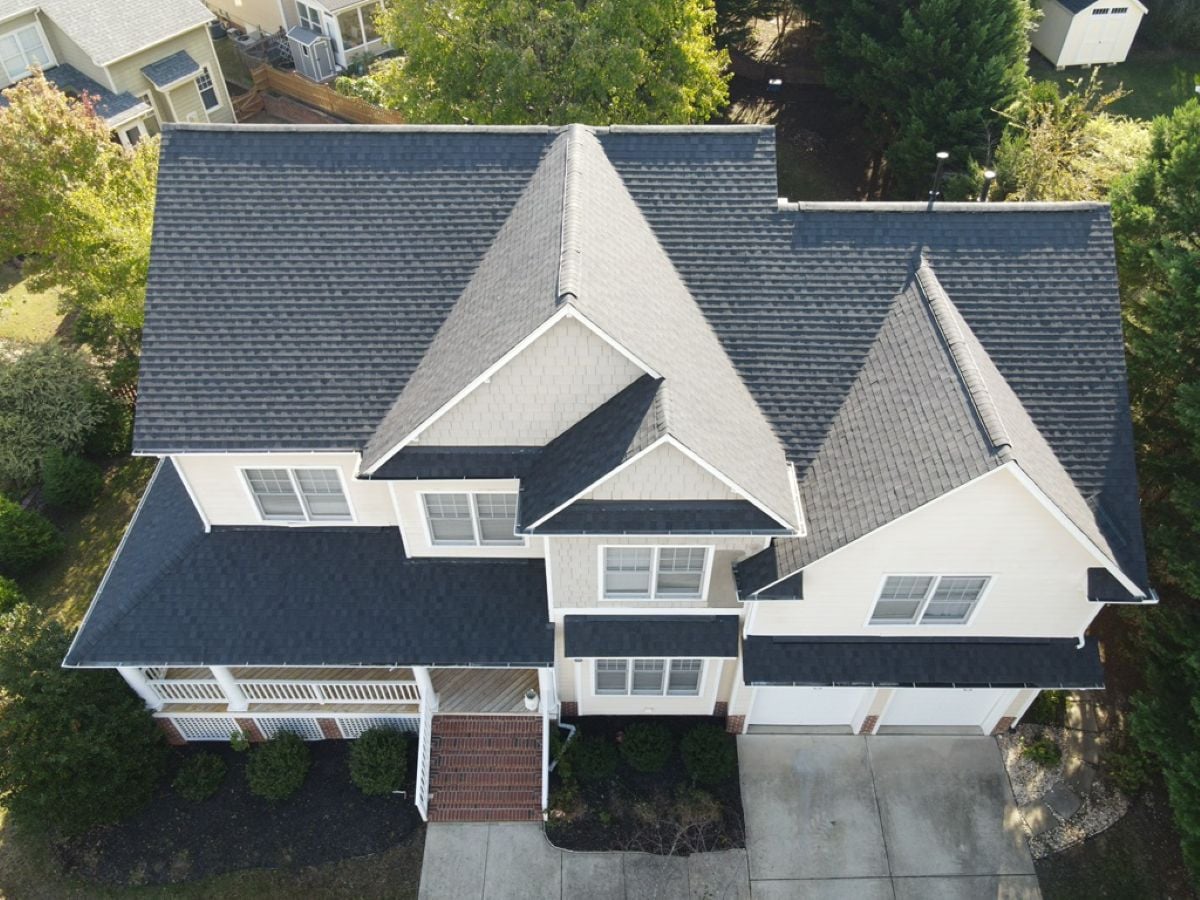
Architectural shingles are the most widely installed roofing material in the country, and for good reason. According to data from the Asphalt Roofing Manufacturers Association (ARMA), asphalt shingles account for over 80% of US residential roofing installations, with architectural shingles outselling three-tab products three to one in new installations. In Chapel Hill, they’re the default recommendation for most residential projects, balancing upfront cost, performance in humid conditions, and warranty coverage.
Unlike the flat three-tab shingles that were standard a generation ago, architectural shingles are laminated, meaning two layers of asphalt fiberglass are bonded together. This creates a thicker, heavier product that handles thermal cycling better, resists wind uplift more effectively, and gives the roof a dimensional, textured appearance that adds visual appeal.
- Typical lifespan of 25 to 30 years in Chapel Hill’s climate with proper installation
- Available with algae-resistant granule technology as a standard feature on most premium lines
- Wind ratings typically reach 110 to 130 mph depending on the product tier
- Manufacturer warranties up to limited lifetime coverage available through certified installers
2. Impact-Resistant (Class 4) Asphalt Shingles
Class 4 impact-resistant shingles are engineered to withstand hail strikes that would damage or puncture a standard asphalt shingle. They’re tested under UL 2218 standards and must survive a two-inch steel ball dropped from 20 feet without cracking. In the Triangle region, where severe thunderstorms with hail are a regular summer occurrence, this added protection has both practical and financial value.
Many North Carolina homeowners who upgrade to Class 4 shingles also qualify for a discount on their homeowner’s insurance premiums. The discount varies by carrier, but it can offset a meaningful portion of the cost difference between standard and impact-resistant products over the life of the roof.
- Built with a rubberized modifier or fiberglass reinforcement that absorbs impact energy
- Perform identically to standard architectural shingles under normal conditions
- Can reduce insurance premiums, check with your carrier before selecting a product
- Available from GAF, Owens Corning, and CertainTeed under several product lines
3. Luxury (Designer) Asphalt Shingles
Luxury shingles sit at the top of the asphalt category. They’re thicker and heavier than standard architectural shingles, and they’re designed to mimic the appearance of slate or cedar shake at a fraction of the material and structural cost. For Chapel Hill homeowners in historic neighborhoods or custom homes where curb appeal and architectural character matter significantly, luxury shingles offer a meaningful upgrade.
They perform exceptionally well in humid climates because their greater mass provides better resistance to wind uplift and thermal movement. Enhanced algae protection, longer warranties, and premium manufacturer certifications are standard at this tier.
- Typical weight of 480 pounds per square or more, compared to 240 to 300 for standard architectural
- Warranty coverage can extend to 50 years under certain manufacturer programs
- Available in profiles that closely mimic slate, wood shake, or clay tile
- Higher upfront cost, but lower lifetime cost-per-year due to extended lifespan
4. Metal Roofing
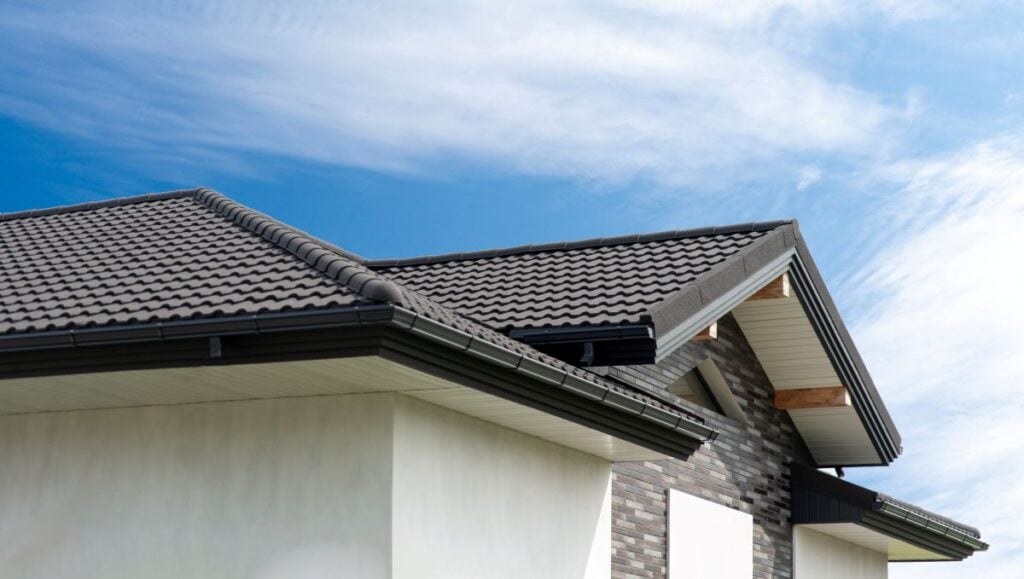
Metal roofing has grown significantly in popularity across the Triangle over the past decade, and Chapel Hill’s climate is one of the reasons why. Standing seam metal and metal shingle systems handle heat reflection, wind resistance, and moisture management better than any asphalt product. A properly installed standing seam metal roof can last 40 to 70 years, which means many Chapel Hill homeowners will never need another roof during their ownership period.
The primary barrier is upfront cost, which typically runs two to three times the cost of a premium asphalt installation. For homeowners planning to stay in their home for 20 or more years, the long-term math often works in metal’s favor when you factor in the elimination of one full replacement cycle.
- Reflects solar heat rather than absorbing it, reducing attic temperatures meaningfully
- Cannot support algae or moss growth, a significant advantage in Chapel Hill’s humidity
- Concealed fastener systems eliminate penetration points vulnerable to wind uplift
- Available in standing seam and metal shingle profiles to match various home styles
5. Composite (Synthetic) Shingles
Composite shingles are engineered from a blend of materials, often including recycled rubber, plastic, and fiberglass, designed to mimic natural materials like slate or wood shake without the weight, cost, or maintenance demands. They’re a growing option for Chapel Hill homeowners who want the look of premium materials with performance characteristics suited to the humid Piedmont environment.
Composite shingles are highly resistant to moisture absorption, meaning they don’t support algae or moss growth the way natural wood shake does. They’re also lighter than genuine slate, which means most existing roof structures can support them without reinforcement.
- Moisture and impact resistant by design, well suited to Chapel Hill’s wet seasons
- Lightweight compared to natural slate or tile, no structural reinforcement typically required
- Lifespans of 40 to 50 years under many manufacturer warranties
- A premium option with higher upfront cost, but fewer maintenance concerns over time
Shingle Features That Matter Most In Chapel Hill
Beyond the product category, certain technical features separate shingles that perform well in Chapel Hill’s environment from those that struggle. When comparing products, these are the specifications worth paying closest attention to.
- Algae-Resistant Granules: Look for shingles that specify copper or zinc granule technology in the product description. Most major manufacturer lines have included this as standard since around 2010, but not all product tiers include it. Verify before selecting.
- Wind Rating: The minimum to look for in Chapel Hill is 110 mph. Class H shingles rated at 150 mph are available and worth considering for homes with steeper pitches or exposed rooflines. Wind rating is directly tied to nailing pattern, so proper installation matters as much as the product specification itself.
- Fiberglass Mat vs. Organic Mat: Most modern asphalt shingles use a fiberglass mat base, which absorbs far less moisture than older organic mat products. In a humid climate, this distinction is material. Fiberglass-based shingles are the correct choice for Chapel Hill.
- SRI (Solar Reflectance Index): For energy-conscious homeowners, look for shingles with a higher SRI rating, which indicates greater ability to reflect solar radiation. ENERGY STAR-rated shingles meet minimum reflectivity thresholds and are available from all major manufacturers.
- Weight Per Square: Heavier shingles generally perform better in Chapel Hill’s thermal cycling environment. Compare weights listed in manufacturer spec sheets when evaluating products at similar price points.
Comparing Shingle Options: Cost Versus Long-Term Value
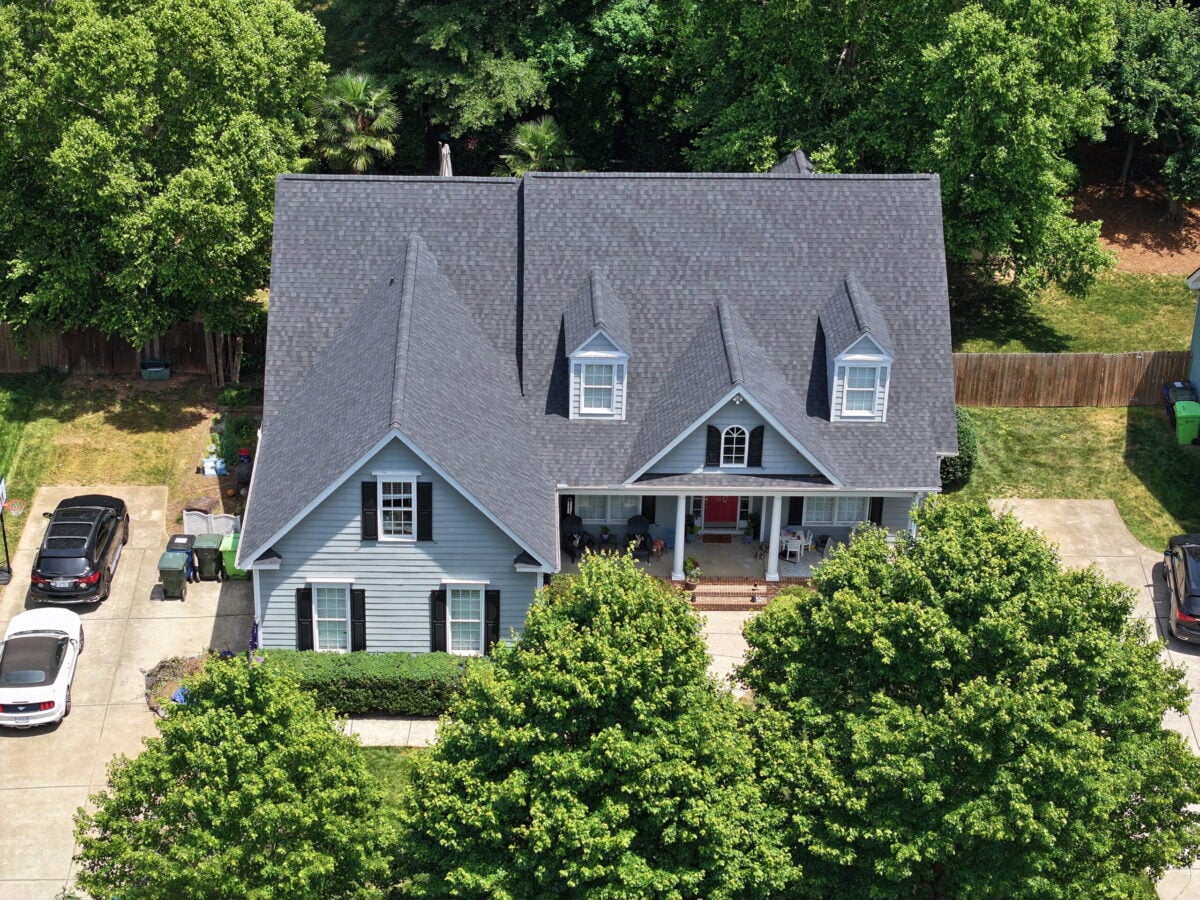
Chapel Hill homeowners often approach the shingle selection conversation focused on upfront cost. That’s a reasonable starting point, but it’s worth reframing the comparison around cost per year of expected service life rather than total installation price.
Standard Architectural Shingles
A quality architectural shingle installation on a typical Chapel Hill home runs roughly $8,000 to $14,000 depending on size and complexity. With a realistic lifespan of 25 to 28 years in this climate, the cost per year of protection falls in an accessible range for most homeowners. This tier represents the best balance of initial cost and performance for the majority of residential projects.
Premium and Impact-Resistant Shingles
Upgrading to Class 4 impact-resistant or luxury shingle products adds roughly 15 to 25 percent to material costs but extends the expected lifespan and reduces the risk of storm-related damage claims. For homeowners planning to stay in their home for 20 or more years, the cost-per-year comparison often favors the upgrade.
Metal Roofing
The higher upfront cost of metal, typically $18,000 to $30,000 or more for a standing seam system, is the primary reason most homeowners choose asphalt instead. But over a 50-year ownership horizon, a single metal roof installation replaces what would otherwise be two asphalt replacement cycles, plus associated labor and disposal costs. In Chapel Hill, where heat and humidity accelerate asphalt degradation, this calculation is worth running before defaulting to the lower-cost option.
The Right Shingle Starts With The Right Conversation
Choosing shingles for a Chapel Hill home is about matching material performance to a specific climate, budget, and long-term ownership plan. There’s no single correct answer, but there are clearly better and worse fits for the humid Piedmont environment. Architectural shingles from a certified installer remain the most common and versatile recommendation, with Class 4 impact-resistant products worth serious consideration for most homes and metal roofing worth exploring for homeowners with a long time horizon.
At Barkley-Jensen Roofing and Restoration, we help Chapel Hill homeowners work through exactly this decision, matching the right product to the right home with transparent guidance and no pressure. If you’re ready to get a professional recommendation based on your specific roof and goals, contact us today and the Barkley-Jensen team will be in touch to schedule your consultation.