




 Get Started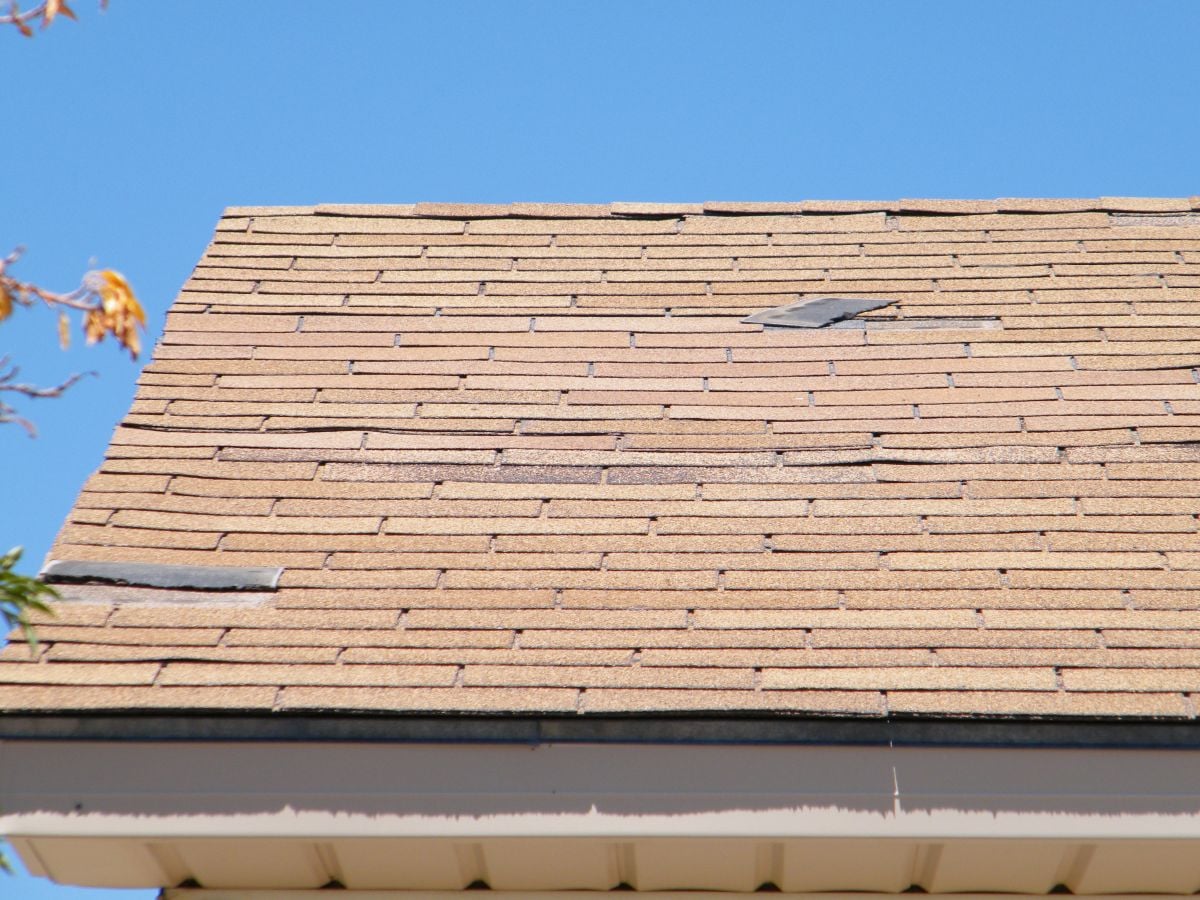
What Warranties Are Offered For Roofing In Holly Springs, NC?
06.18.2026
9 Min Read
Most homeowners spend a significant amount of time choosing the right shingles for their roof. Far fewer spend that same time understanding what warranty actually protects that investment once the job is done. If you’re exploring roofing warranties in Holly Springs, NC, the details matter more than the marketing language on the box. A “limited lifetime warranty” sounds impressive until you read the fine print and realize how easily coverage can be voided. The type of contractor you hire, the materials they use, and how they register the project all affect what you’re actually protected against. Knowing how a properly warranted roof installation works from the ground up can save you from a costly surprise years down the road.
Here’s what this guide covers:
- The three types of roofing warranties and what each one actually protects
- How manufacturer warranty tiers differ across major shingle brands
- What voids a roofing warranty and how to avoid it
- Why your contractor choice directly determines your coverage level
- How Barkley-Jensen helps Holly Springs homeowners maximize their protection
The Hidden Gap In Most Roofing Warranties
Most homeowners assume that buying a quality shingle means they’re covered if something goes wrong. The reality is more layered than that. Roofing warranties don’t work the way appliance warranties do. Coverage depends on who installs the roof, what products they use, how the job is registered, and what conditions exist on your home, including ventilation and maintenance habits.
Understanding this gap is the first step to closing it. Here’s why it matters for Holly Springs homeowners specifically:
- Material defects are rare: According to industry research, over 80% of roof leaks start with installation errors, not defective materials. That means the warranty most homeowners focus on, the material warranty, covers the least likely failure point.
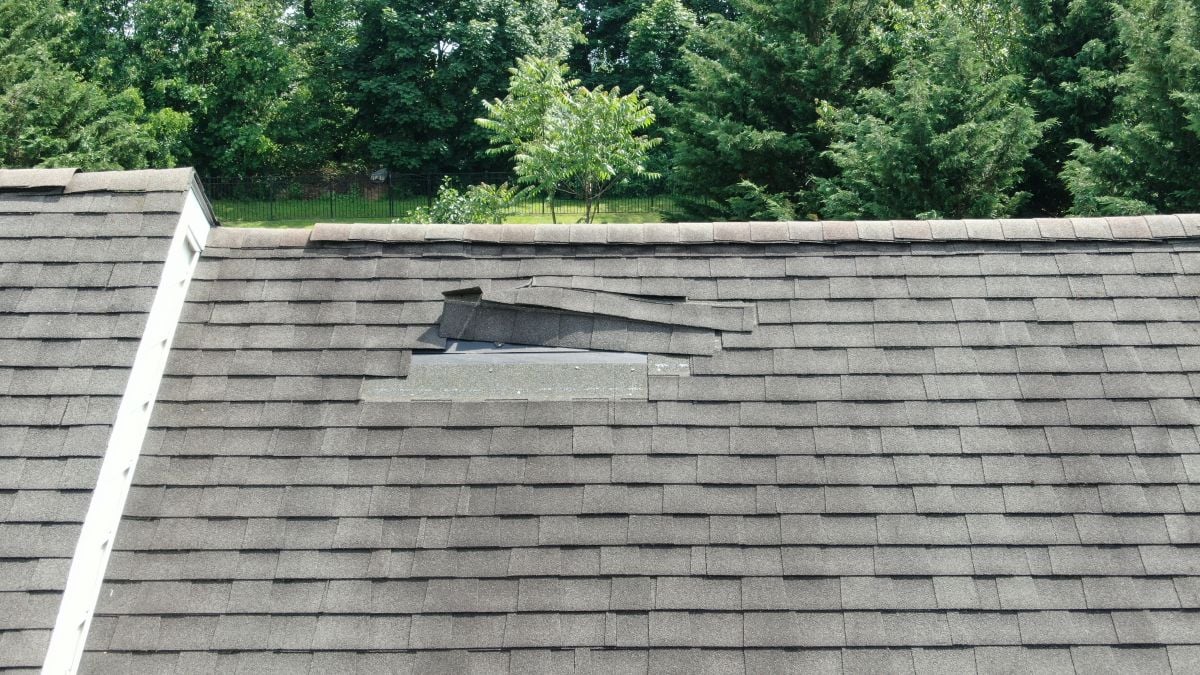
- Workmanship is the real risk: If a contractor fails to nail shingles correctly, installs flashing improperly, or cuts corners on underlayment, those mistakes won’t show up on your material warranty claim. You need a separate workmanship warranty for that.
- Certification unlocks better coverage: The tier of warranty you can access is directly tied to the certification level of the contractor you hire. An uncertified contractor cannot offer you enhanced coverage, regardless of which brand of shingles they install.
- Registration deadlines are real: Many enhanced warranties require the contractor to register the installation with the manufacturer within a specific window after completion. If that step is skipped, your enhanced coverage never activates, even if the contractor is certified.
- Transfers affect value: If you sell your home, a registered, transferable warranty is a meaningful asset. Some warranty tiers allow transfer to a subsequent buyer; others reduce coverage significantly upon sale.
3 Types Of Roofing Warranties Every Holly Springs Homeowner Should Know
There are three distinct warranties that can apply to any roofing project. Most homeowners receive only one or two of them, and the level of protection each provides varies significantly based on the contractor and the materials used.
1. Manufacturer Material Warranty
This is the warranty that comes with the shingles themselves. It covers defects in the roofing materials, meaning situations where the product fails to perform as rated due to a manufacturing flaw. Examples include premature granule loss, cracking, or delamination that isn’t caused by storm damage or improper installation.
Most major manufacturers, including GAF, Owens Corning, and CertainTeed, offer what they call a “limited lifetime” material warranty on their premium shingle lines. It’s important to understand what “lifetime” actually means in this context.
- Lifetime is defined as the period during which you, the original purchaser, own the home
- Coverage is typically non-prorated for a set number of years, then prorated after that point
- If you sell the home, the warranty may transfer with reduced coverage to one subsequent buyer
- Material warranties survive even if the contractor who installed the roof goes out of business
The material warranty is the floor of protection, not the ceiling. It covers manufacturing defects, which account for a small fraction of roofing failures. What it does not cover is the far more common scenario: a perfectly good shingle installed incorrectly.
2. Contractor Workmanship Warranty
A workmanship warranty is issued by the roofing contractor, not the manufacturer. It covers problems that arise from how the roof was installed rather than the quality of the materials used. This includes issues like improper nailing, flashing that wasn’t sealed correctly, valleys that weren’t cut or woven properly, and underlayment that wasn’t installed according to manufacturer specs.
The length and quality of workmanship warranties vary significantly from one contractor to the next. Budget contractors may offer one to two years; reputable, established companies typically offer five to ten years at a minimum. The critical limitation is that a contractor workmanship warranty is only as durable as the company behind it. If the contractor closes or leaves the market, the warranty goes with them.
- Standard workmanship warranties typically range from one to ten years
- The contractor, not the manufacturer, is responsible for honoring claims
- If your contractor goes out of business, this coverage typically disappears
- Always ask for workmanship warranty terms in writing before signing a contract
3. System Warranty (Manufacturer-Backed Workmanship)
This is the most comprehensive level of coverage available, and it’s only accessible through contractors who hold elite-level certifications with major manufacturers. A system warranty, sometimes called an enhanced or extended warranty, is a manufacturer-backed product that covers both materials and workmanship in a single plan.
The key distinction is that the manufacturer, not just the contractor, stands behind the installation. That means if the contractor goes out of business, your coverage doesn’t disappear with them. It also means tighter installation standards, since certified contractors are required to follow manufacturer specifications precisely to maintain their certification.
GAF’s version is the Golden Pledge warranty, available only through GAF Master Elite contractors. Owens Corning offers Platinum Protection through their Platinum Preferred contractors. CertainTeed’s equivalent is available through SELECT ShingleMaster certified installers.
- Coverage typically includes both materials and labor for qualifying claims
- Wind coverage thresholds are significantly higher under these tiers
- Coverage is backed by the manufacturer, not dependent on the contractor’s longevity
- Algae protection, often 25 years, is typically included
What Can Void Your Roofing Warranty In Holly Springs
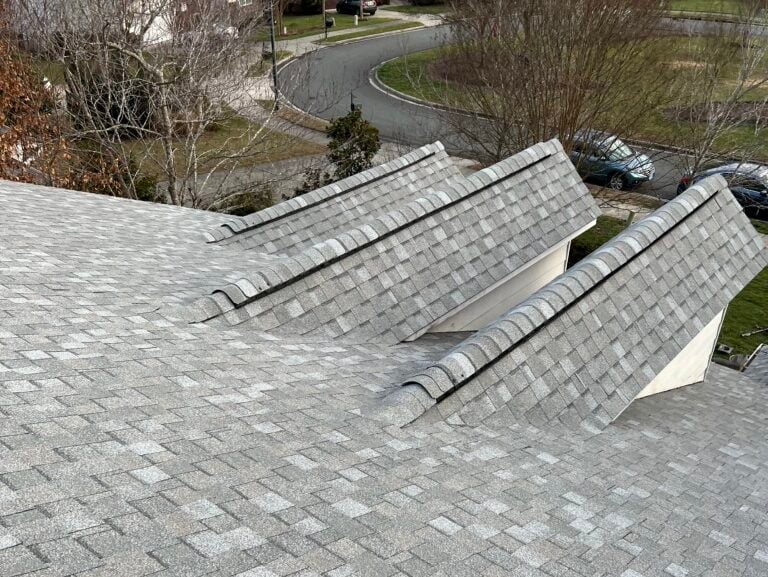
Understanding what your warranty covers is only half the picture. Equally important is knowing what actions or conditions can make that coverage disappear, because several of them are more common than most homeowners realize.
- Improper attic ventilation: Most manufacturers require that a home’s attic meet specific ventilation standards for the material warranty to remain valid. A roof that traps heat due to inadequate ventilation degrades shingles faster and is a documented exclusion in many warranty documents. This is something to address before a new roof goes on, not after.
- Non-approved products mixed into the system: System warranties in particular require that every component of the roof, including underlayment, ridge cap, starter strips, and ventilation, come from the same manufacturer’s approved product line. Substituting a cheaper alternative product, even on one component, can void enhanced coverage entirely.
- Power washing or improper cleaning: Pressure washing a shingle roof is specifically excluded under many manufacturer warranties. It removes the protective granule coating and is treated as homeowner-caused damage.
- Layering over an existing roof: Installing new shingles over an old layer without a full tear-off is sometimes done to cut costs. In many cases, this practice voids or reduces the manufacturer warranty because it doesn’t allow for proper inspection of the decking below.
- Failure to register: Enhanced warranties don’t activate automatically. The contractor typically must register the installation with the manufacturer within a specified window, often 30 to 60 days after completion. If that step is skipped, you have only the base material warranty regardless of what was promised verbally.
- Unauthorized repairs: If a leak or damage occurs and a non-certified contractor makes repairs using non-approved materials, that can void the original warranty on the affected sections of the roof.
How To Make Sure Your Warranty Actually Protects You
Knowing the types of warranties and the conditions that void them is useful. Translating that knowledge into action when you’re actually hiring a contractor is where it counts. Here’s a practical framework for Holly Springs homeowners going through the process.
Verify Certification Before Hiring
Ask every contractor you’re evaluating what certification level they hold with the manufacturer whose shingles they’re proposing. This is a verifiable fact. GAF, Owens Corning, and CertainTeed all maintain searchable contractor directories on their websites. If a contractor claims Master Elite or Platinum Preferred status, confirm it. That check takes less than five minutes and it tells you a great deal about who you’re working with.
Request Written Warranty Terms
Before signing anything, ask for the actual warranty documents for both the materials and the workmanship coverage. Read the exclusions section specifically. A reputable contractor will have no hesitation providing this and walking you through what it means.
Confirm the Registration Process
Ask directly: who is responsible for registering this installation with the manufacturer, by what deadline, and will I receive confirmation? If the contractor is vague on this point, follow up in writing so there’s a record of the commitment.
Keep Records After the Job
Once your roof is installed, keep copies of your warranty documents, the installation contract, the materials list, and any photos of the completed work. These become important if you need to file a claim years later, and they’re also meaningful assets if you ever sell the home.
Schedule Periodic Inspections
Most manufacturer warranties include language requiring homeowners to perform reasonable maintenance. A periodic professional inspection, every two to three years, creates a documented record that you’ve maintained the roof appropriately. It also catches minor issues, like loose flashing or small cracks in caulk around penetrations, before they become warranty-voiding water damage events.
Your Warranty Is Only As Good As The Contractor Behind It
Roofing warranties in Holly Springs are not one-size-fits-all, and the gap between the best and most basic coverage is significant. The contractor you choose is the single biggest variable in determining what level of protection you actually receive. A manufacturer-backed system warranty from a certified installer provides a fundamentally different level of security than a standard material warranty from a contractor with a two-year workmanship guarantee.
At Barkley-Jensen Roofing and Restoration, we work with Holly Springs homeowners to ensure their investment is fully protected, with the right materials, proper registration, and transparent documentation of every warranty tier that applies to their project. If you’re planning a replacement or want to understand what your current roof is covered by, contact us today and the Barkley-Jensen team will walk you through your options.