




 Get Started
Barkley-Jensen Roofing & Restoration
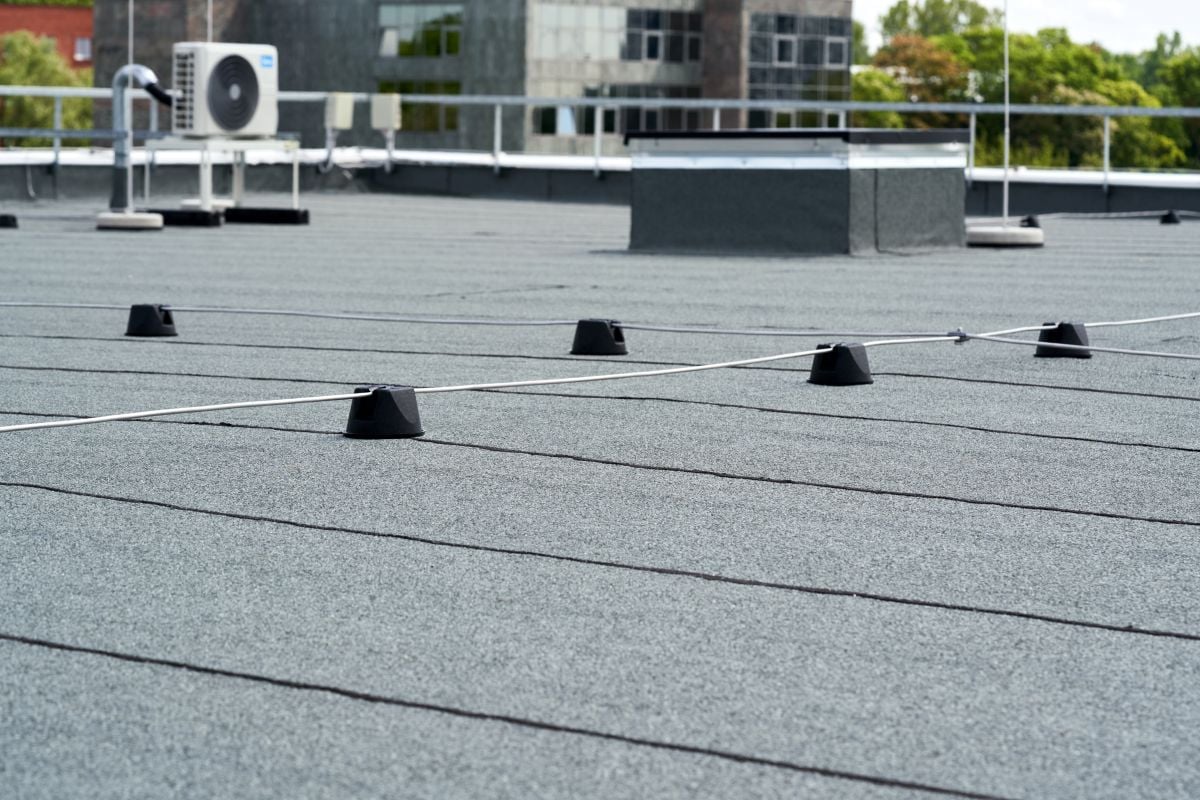
What Commercial Roofing Systems Are Common In Durham, NC?
06.04.2026
11 Min Read
Durham’s commercial property landscape is as varied as the city itself, from converted historic warehouses and thriving research facilities to retail strip centers and large industrial parks. Every one of those buildings relies on a roofing system that was specified at some point for a set of reasons, and understanding those reasons matters enormously when it is time to replace, repair, or upgrade. Knowing what commercial roofing systems are common in Durham, NC gives property owners and facility managers the foundation they need to evaluate contractor proposals, compare materials intelligently, and plan budgets with confidence. Those who take time to understand what separates one approach from another when it comes to protecting a commercial building consistently make smarter decisions when the time to act arrives.
In this guide, you will learn:
- Why the roofing system you choose has lasting consequences for your property
- The six most widely used commercial roofing systems in the Durham area
- How Durham’s specific climate affects system performance over time
- How to match the right system to your building type and operational needs
- Key warning signs that your current commercial roof may be approaching the end of its life
Why Choosing the Right Commercial Roofing System Has Long-Term Consequences
A commercial roof is not simply a weather barrier. It is a structural component that affects energy efficiency, interior climate control, liability exposure, insurance costs, and long-term maintenance budgets all at once. Choosing the wrong system for a Durham commercial building does not just create performance problems in year one. It creates compounding costs across the entire life of the roof, through premature repairs, elevated utility bills, and shortened replacement cycles that drain capital better spent elsewhere.
Durham’s position in the Piedmont region means the city contends with hot, humid summers, periodic severe storms, and enough seasonal temperature variation to stress roofing materials in multiple directions throughout the year. A system that performs well in a dry, mild climate may underperform significantly in this environment, which is why local knowledge and material selection expertise are not optional when planning a commercial roof project.
Here is why system selection carries such significant long-term weight:
- Energy Performance: The roofing membrane and insulation system beneath it directly influence how much energy a building consumes to maintain indoor temperatures, especially during Durham’s extended cooling season from late spring through early fall.
- Maintenance Frequency and Cost: Some systems require regular inspections, recoating, and detail work to maintain warranty compliance. Others are nearly maintenance-free under normal conditions. The system you choose determines your ongoing cost of ownership.
- Lifespan and Replacement Cycles: Commercial roofing systems vary widely in expected service life. Choosing a system with a shorter lifespan to save money upfront often results in higher total expenditure over a 20-year horizon than investing in a longer-lasting option from the start.
- Insurance and Liability Implications: Properly installed, warranted commercial roofing reduces the risk of water intrusion claims, structural damage liability, and coverage disputes following storm events.
- Tenant Retention and Property Value: For investment properties and multi-tenant commercial buildings, a sound roof signals to tenants that the property is professionally managed, which directly supports occupancy rates and long-term asset value.
6 Commercial Roofing Systems Commonly Used in Durham, NC
Durham commercial buildings span a wide range of construction types, ages, and use cases, and the roofing market reflects that diversity. Here are the six systems most frequently specified on commercial projects in the area.
1. TPO (Thermoplastic Polyolefin) Membrane Roofing
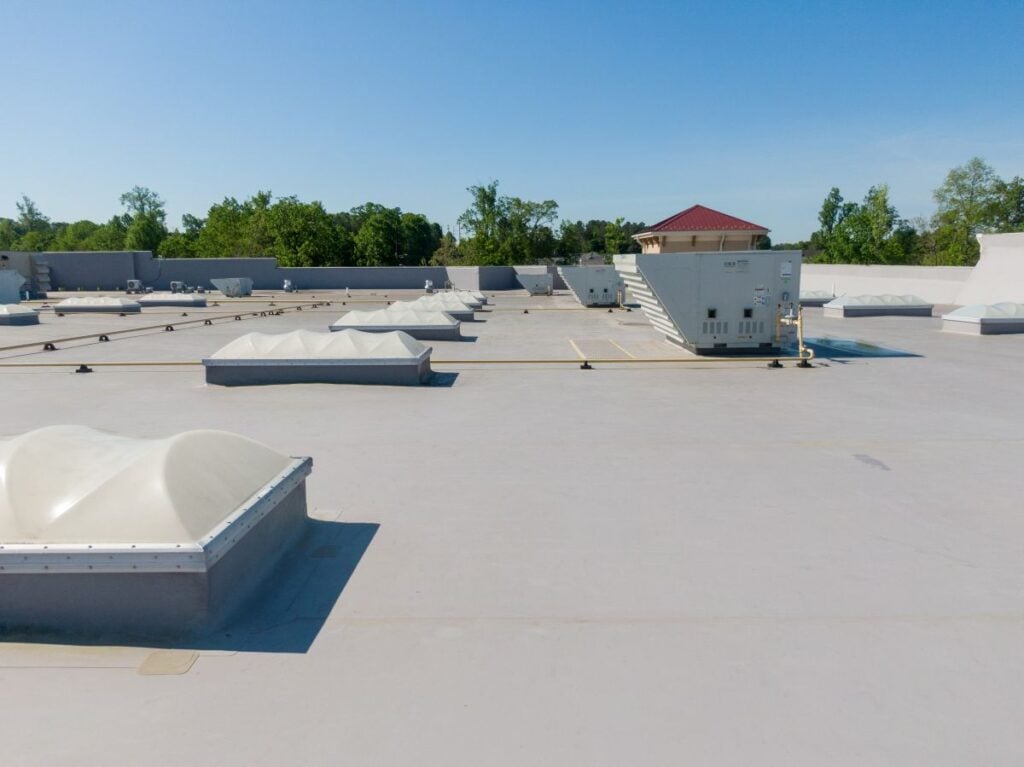
TPO has become the most widely installed commercial flat roofing system in the United States over the past two decades, and it is particularly prevalent on newer commercial construction across the Durham and Research Triangle market. Its popularity in this region is not accidental. The white or light-colored membrane surface reflects solar radiation rather than absorbing it, which delivers real energy savings in North Carolina’s warm climate.
According to the U.S. Department of Energy, cool roof membranes like TPO can reduce peak cooling demand by 10 to 15 percent, making them especially valuable for commercial properties in hot and humid climates like Durham’s where cooling costs dominate energy budgets for much of the year.
- Heat-welded seams create a fully monolithic, watertight system
- Resistant to puncture, tearing, and UV degradation
- Available in a range of thicknesses for varying performance requirements
- Compatible with rooftop equipment, solar arrays, and green roof assemblies
TPO is an excellent fit for flat or low-slope commercial roofs and is commonly specified on office buildings, retail centers, medical facilities, and light industrial properties throughout the Triangle.
2. EPDM (Ethylene Propylene Diene Monomer) Roofing
EPDM is a rubber-based membrane that has been a commercial roofing staple for more than 50 years. It remains in widespread use across Durham’s older commercial building stock and continues to be specified on new projects where its long track record and competitive cost are attractive. EPDM performs exceptionally well against UV exposure and resists the kind of ozone and weathering degradation that compromises other membrane types over time.
- Ballasted, mechanically attached, or fully adhered installation options
- Proven service life of 25 years or more with proper maintenance
- Flexible and resilient under temperature cycling from cold winters to hot summers
- Cost-competitive with TPO on most project types
One consideration for Durham property owners is that traditional black EPDM absorbs heat rather than reflecting it, which can contribute to higher cooling loads. White-coated EPDM and fleece-backed versions can address this, but the reflective advantage of TPO or PVC is more inherent to those systems.
3. PVC (Polyvinyl Chloride) Roofing
PVC roofing membranes share several characteristics with TPO, including heat-welded seams and excellent reflectivity, but they bring their own set of performance advantages that make them the preferred choice in certain applications. PVC is particularly noted for its chemical resistance, which makes it the go-to option for restaurants, food processing facilities, and any commercial building that exhausts grease-laden air through rooftop systems.
- Superior resistance to grease, chemicals, and industrial pollutants
- Heat-welded seams comparable in strength and watertightness to TPO
- Highly reflective surface supports energy efficiency goals
- Slightly higher material cost than TPO, offset by durability in demanding environments
For Durham’s growing food and beverage sector and its significant concentration of research and laboratory facilities, PVC deserves serious consideration as a primary roofing system.
4. Modified Bitumen Roofing
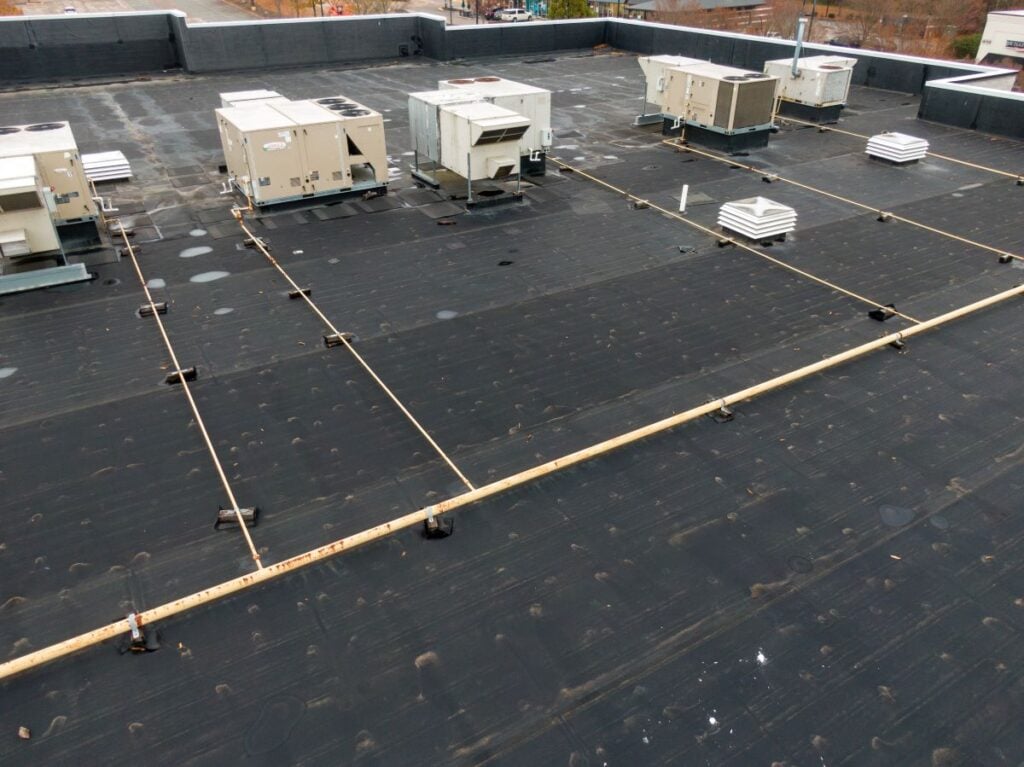
Modified bitumen is a multi-ply asphalt-based system that bridges the gap between traditional built-up roofing and modern single-ply membranes. It is widely used on low-slope commercial roofs across Durham, particularly on older buildings and those with complex rooflines, heavy equipment loads, or significant foot traffic from maintenance personnel. The layered construction gives modified bitumen excellent puncture resistance and waterproofing redundancy.
- APP and SBS modification types offer different performance characteristics
- Torch-applied, cold-applied, and self-adhering installation methods available
- Excellent performance around complex penetrations and rooftop equipment
- Compatible with coatings that can extend service life and improve reflectivity
Modified bitumen is a durable, time-tested system that excels on roofs where physical robustness matters more than cutting-edge reflectivity.
5. Standing Seam Metal Roofing
Metal roofing is the longest-lasting commercial system available and has gained significant traction in the Durham market across a range of property types, from retail and hospitality to manufacturing and storage. Standing seam metal in particular offers a clean architectural profile that suits modern commercial construction while delivering performance metrics that no membrane system can match in terms of raw longevity.
- Service life of 40 to 60 years or more with minimal maintenance
- Excellent wind uplift resistance, which matters during severe storm events
- Naturally reflective surfaces reduce heat gain
- Compatible with solar panel integration on new and retrofit projects
The higher initial installation cost is the primary reason some property owners hesitate, but when evaluated on a cost-per-year-of-service basis, standing seam metal frequently proves more economical than membrane systems that require replacement every 20 to 25 years.
6. Built-Up Roofing (BUR)
Built-up roofing, commonly called BUR or tar-and-gravel roofing, is one of the oldest commercial roofing systems still in active use. It is constructed from alternating layers of bitumen and reinforcing fabrics, finished with a gravel or aggregate surface that protects against UV degradation and physical damage. BUR remains on many of Durham’s older commercial buildings and is still specified in some new construction applications where its redundant waterproofing layers are valued.
- Multiple redundant layers provide exceptional waterproofing protection
- Gravel surface adds ballast and UV resistance
- Long history of reliable performance in varied climates
- Heavier than single-ply systems, which requires structural consideration
While BUR has largely been superseded by single-ply membranes on most new commercial projects, it remains a relevant system for Durham property owners managing older buildings where the existing BUR roof still has serviceable life remaining.
How Durham’s Climate Shapes Commercial Roofing Performance
Selecting a roofing system without accounting for local climate conditions is one of the most common mistakes commercial property owners make. Durham sits in a transitional climate zone that creates real stresses for roofing materials throughout the year, and understanding those stresses helps clarify which systems are best suited to the environment.
- Summer Heat and Humidity: Durham’s summers are long, hot, and humid. Roofing membranes that absorb heat rather than reflect it can reach surface temperatures well above ambient air temperature, accelerating material degradation and driving up cooling costs inside the building. Reflective membranes like TPO and PVC have a clear performance advantage during this season.
- Seasonal Thermal Cycling: The shift between Durham’s warm summers and its cooler winters puts repeated expansion and contraction stress on roofing materials. Systems with strong flexibility and seam integrity, particularly heat-welded membranes and modified bitumen, handle thermal cycling more reliably than systems with mechanical fastening alone.
- Storm and Wind Events: The Triangle region receives periodic severe thunderstorms and, on occasion, the remnants of tropical weather systems. High wind uplift resistance and watertight seam construction are important selection criteria for any system installed in this market.
- UV Exposure: North Carolina’s sun intensity is meaningful year-round. Unprotected roofing membranes degrade faster under sustained UV exposure, which is why reflective surfaces, quality underlayment systems, and UV-stabilized materials are worth the investment at installation.
Matching the Right System to Your Durham Commercial Property
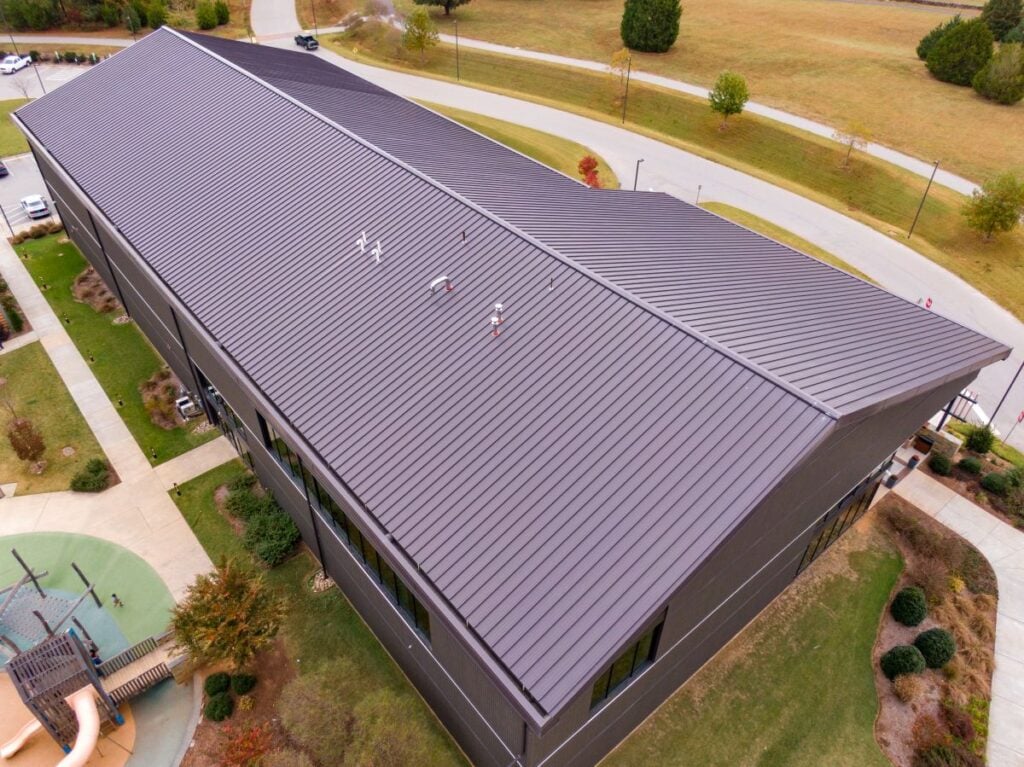
With several viable options on the market, the right system for your building depends on a combination of factors that are specific to your property, your operations, and your long-term ownership goals. There is no single best commercial roofing system; there is only the best system for a given set of circumstances.
Consider Your Roof Slope and Drainage Configuration
Commercial roofing systems are designed for specific slope ranges. TPO, EPDM, PVC, modified bitumen, and BUR are all designed for flat or low-slope applications, while standing seam metal works well across a broader slope range including steeper pitches. Matching the system to your roof geometry is a fundamental requirement.
Factor In Your Building’s Use and Operational Profile
What happens inside and on top of your building should directly influence your material selection. Restaurants and food processing facilities should prioritize PVC for its chemical resistance. Buildings with heavy rooftop equipment traffic benefit from the robustness of modified bitumen or BUR. Properties pursuing energy certifications or solar integration align well with TPO, PVC, or standing seam metal.
Evaluate Total Cost of Ownership, Not Just Installation Price
The table below illustrates how the same fixed budget produces very different outcomes depending on which system is chosen, when you account for expected lifespan and maintenance requirements over a 40-year horizon.
| System | Approximate Lifespan | Relative Installed Cost | Maintenance Level |
| TPO | 20 to 30 years | Moderate | Low |
| EPDM | 20 to 30 years | Moderate to Low | Low to Moderate |
| PVC | 20 to 30 years | Moderate to High | Low |
| Modified Bitumen | 15 to 25 years | Moderate | Moderate |
| Standing Seam Metal | 40 to 60 years | High | Very Low |
| Built-Up Roofing (BUR) | 15 to 25 years | Moderate | Moderate to High |
Work With a Contractor Who Knows the Local Market
A contractor who regularly installs commercial roofing in Durham understands how local weather patterns, permitting requirements, and supplier relationships affect a project. That local knowledge translates into better material recommendations, more accurate timelines, and fewer surprises during installation. Certifications from manufacturers like GAF and CertainTeed also signal that a contractor installs to the standards required to honor full system warranties.
Choose a Commercial Roofing System That Works as Hard as You Do
Durham’s commercial property owners are making long-term investments every time they select and install a roofing system. Getting that decision right the first time is far less costly than managing the consequences of the wrong choice over the years that follow. Whether your building calls for the energy efficiency of TPO, the chemical resistance of PVC, the durability of modified bitumen, or the longevity of standing seam metal, the decision deserves careful analysis and the guidance of a contractor who understands the Durham market inside and out.
Barkley-Jensen Roofing brings the expertise, manufacturer certifications, and genuine commitment to customer education that commercial property owners need to make confident decisions. If you are ready to explore your options or want a professional assessment of your existing commercial roof, contact us today and let Barkley-Jensen Roofing help you find the right fit for your property.
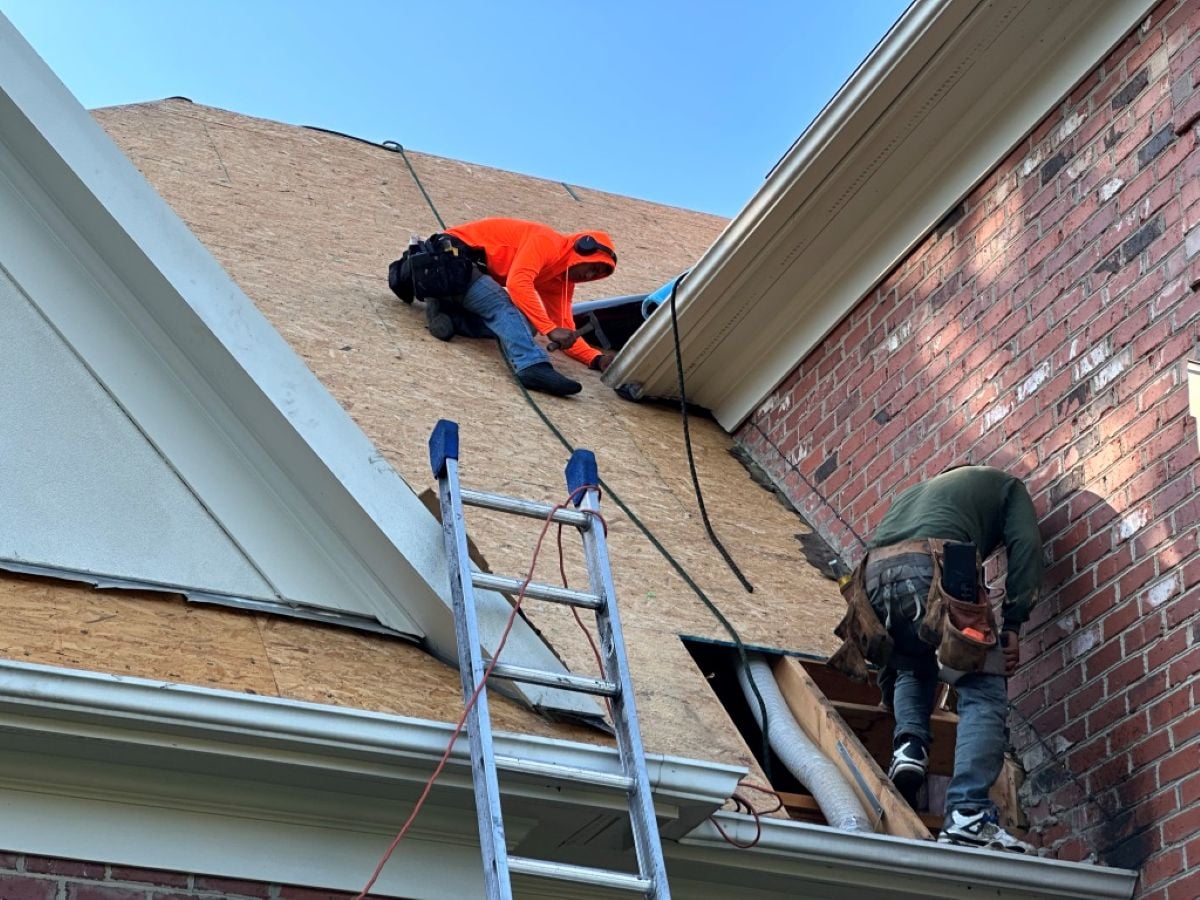
How Long Does A Commercial Roof Replacement Take In Raleigh, NC?
06.02.2026
10 Min Read
When a commercial roof starts failing, the pressure to act quickly is real. Leaks disrupt operations, damage inventory, and create liability concerns that no property owner wants to manage. Yet jumping into a project without understanding the timeline can create just as many problems. Knowing how long does a commercial roof replacement take in Raleigh, NC helps you coordinate with tenants, manage business continuity, and set realistic expectations before a single shingle or membrane is touched. Property managers who explore what full-scale roof work actually involves quickly discover that timeline planning is every bit as critical as budget planning.
In this guide, you will learn:
- The key factors that determine how long a commercial replacement takes
- A phase-by-phase breakdown of the replacement process
- Typical timelines for the most common commercial roofing systems
- How to plan ahead so your business operations stay on track
- What sets an experienced Raleigh contractor apart when it comes to efficiency
What Determines the Timeline for a Commercial Roof Replacement
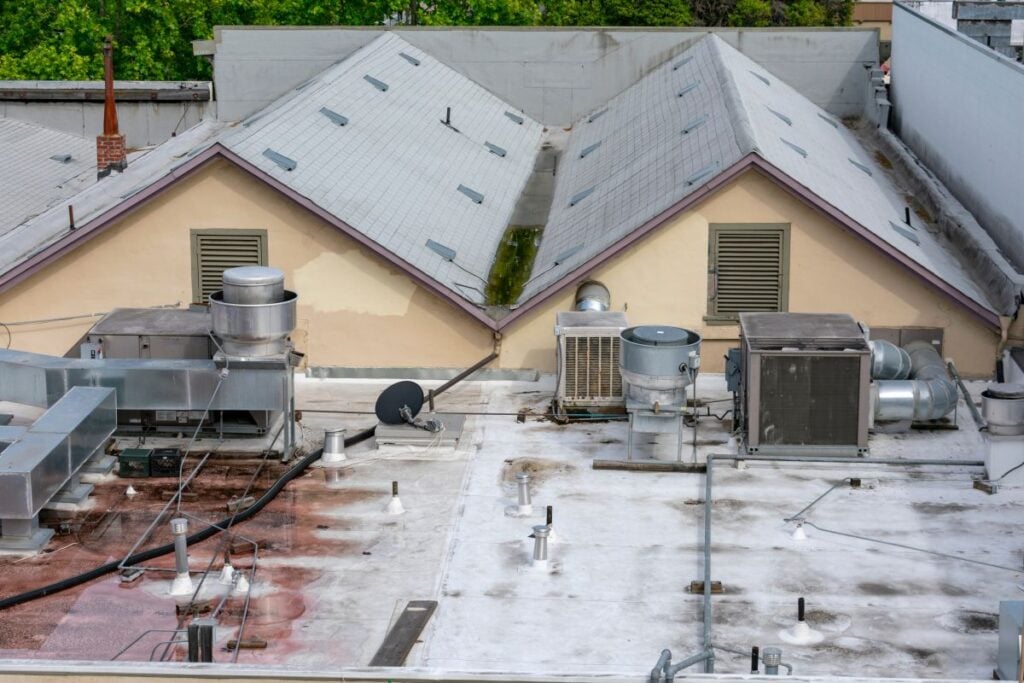
No two commercial roof replacements follow exactly the same schedule. A small retail building in Raleigh and a large multi-unit commercial complex both require a full replacement process, but the variables involved produce dramatically different timelines. Before diving into the phases of a project, it helps to understand the primary drivers that expand or compress how long the work takes.
Here is what shapes the timeline most significantly:
- Roof Size and Square Footage: The most obvious factor is simply how much roof there is to replace. Larger buildings require more labor hours, more material deliveries, and often more crew rotations to complete the work within a practical window.
- Existing Roof System and Tear-Off Requirements: Some commercial roofs have multiple layers of old material that must be completely removed before new installation can begin. Multi-layer tear-offs add days to a project and require additional disposal logistics.
- Deck Condition and Structural Repairs: Once the old roofing system is stripped away, the condition of the underlying roof deck determines whether installation can proceed immediately or whether repairs are needed first. Rotted, warped, or compromised decking extends the timeline significantly.
- Material Lead Times and Permitting: Some commercial roofing materials are not stocked locally and require ordering in advance. Raleigh building permits also take time to process, and projects cannot legally begin without the proper approvals in place.
- Weather Conditions: North Carolina weather, particularly the summer storm season, creates scheduling challenges. Rain, high winds, and extreme heat all affect when installation crews can safely work, and a stretch of bad weather can push a multi-day project into a multi-week one.
Understanding these drivers gives you a realistic starting point when planning your replacement project and communicating expectations to stakeholders.
7 Phases: The Commercial Roof Replacement Process
A commercial roof replacement is not a single-day event. It moves through a series of distinct phases, each with its own timeline and dependencies. Knowing what happens at each stage helps property owners stay informed and avoid surprises.
1. Inspection, Assessment, and Proposal
Before any work begins, a qualified contractor performs a comprehensive inspection of the existing roof system. This goes beyond a visual check and includes evaluating the deck, drainage systems, flashing, penetrations, and any existing damage. The findings from this inspection directly inform the scope of work and the project estimate.
- Typical duration: 1 to 3 days from initial contact to completed proposal
- May involve core sampling or moisture scanning on flat roof systems
- Identifies hidden issues that could affect the overall project timeline
Skipping or rushing this phase is one of the most common causes of mid-project surprises and cost overruns.
2. Permitting and Material Ordering
Once a proposal is accepted, the contractor submits for building permits with the City of Raleigh and places material orders. This phase is often the longest waiting period in the entire process and is largely outside of anyone’s direct control.
- Raleigh permit processing typically takes 5 to 15 business days for commercial projects
- Some specialty materials require 1 to 3 weeks of lead time for delivery
- Certified contractors often have established supplier relationships that help expedite orders
Property owners frequently underestimate this phase, which is why having an experienced contractor manage it proactively matters so much for keeping the project on schedule.
3. Mobilization and Site Preparation
Once permits are secured and materials arrive, the crew mobilizes to the site. This involves staging equipment, setting up safety measures, protecting entrances and HVAC equipment, and coordinating access with building occupants if the property is actively in use.
- Usually completed in a single day prior to tear-off beginning
- Requires clear communication with tenants or building staff about access points and noise
- Dumpsters, lifts, and staging areas need to be arranged in advance
Good mobilization planning prevents delays on the first day of active work and sets the pace for the rest of the project.
4. Tear-Off of the Existing Roofing System
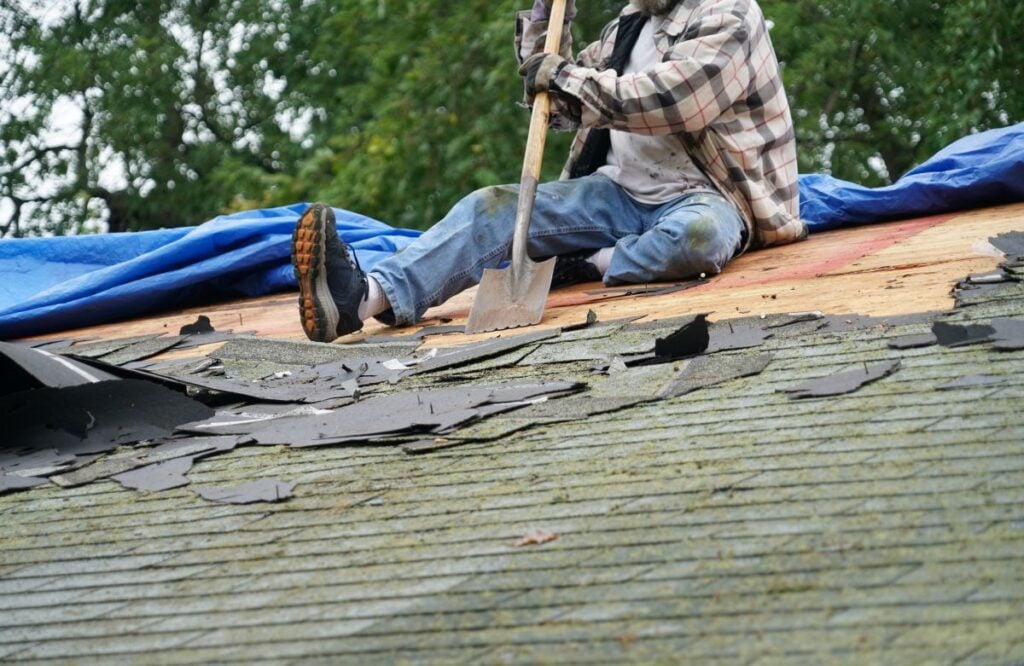
For most commercial replacements, the old roof system must be fully removed before new materials go down. This is one of the most labor-intensive phases of the project and one of the loudest, so coordinating with building occupants is essential.
- Single-layer tear-offs on average-sized commercial buildings typically take 1 to 3 days
- Multi-layer systems or large square footage can push tear-off to 4 to 5 days or more
- Debris must be properly disposed of in accordance with local regulations
According to the National Roofing Contractors Association, approximately 40% of all building-related problems are attributed to water intrusion through or around the roof, which means a thorough tear-off that reveals and addresses underlying issues is well worth the extra time.
5. Deck Repair and Preparation
With the old system removed, the deck is fully visible for the first time. Any rotted, delaminated, or structurally compromised sections must be repaired or replaced before new roofing materials are installed. Skipping this step creates a foundation problem that defeats the purpose of installing a new roof.
- Minor deck repairs can often be completed in less than a day
- Extensive damage may add 2 to 4 additional days to the project
- Underlayment, insulation boards, and cover boards are installed during this phase as well
This phase has the most variability in timing, since deck conditions are not fully known until the existing system is removed.
6. New Roof System Installation
Installation is the phase most people think of when they picture a roof replacement. The crew installs the chosen roofing system according to manufacturer specifications, which matters both for performance and for warranty validity.
- Small to mid-size commercial buildings typically see installation completed in 2 to 5 days
- Larger or more complex properties may require 1 to 3 weeks of installation time
- Certified contractors install to manufacturer spec, which preserves both product and workmanship warranties
Weather is the most likely variable to extend this phase, so experienced contractors monitor forecasts closely and schedule work accordingly.
7. Final Inspection, Cleanup, and Closeout
Once installation is complete, the contractor performs a thorough walkthrough and punch-list review to verify that every detail meets quality standards. This includes checking flashing, seams, penetrations, and drainage. A final cleanup ensures the property is returned to its normal condition.
- Final inspection and cleanup usually take 1 day
- Some jurisdictions require a municipal inspection before the permit is officially closed
- Warranty documentation and maintenance recommendations are provided at closeout
This phase is often rushed by less experienced contractors, but it is where a quality crew demonstrates what they actually stand behind.
Typical Timelines by Commercial Roofing System
Not all commercial roofing systems install at the same pace. The material type plays a meaningful role in how long the installation phase takes and how the overall project schedule comes together. Here is a general breakdown of what to expect by system type.
TPO (Thermoplastic Polyolefin) Roofing
TPO is one of the most popular flat roofing systems for commercial buildings in the Raleigh area due to its energy efficiency and durability in hot climates. Installation involves welding membrane seams with heat, which requires skilled technicians but moves at a steady pace.
- Most common commercial system in the Southeast
- Installation on a 10,000 square foot roof typically takes 3 to 5 days
- Excellent energy performance in North Carolina’s warm summers
EPDM (Ethylene Propylene Diene Monomer) Roofing
EPDM is a rubber-based membrane that has been a commercial roofing staple for decades. It installs relatively quickly and holds up well against UV exposure and temperature swings.
- Ballasted systems install faster than fully adhered versions
- Comparable timeline to TPO for most projects
- Strong track record of long-term durability with proper maintenance
Modified Bitumen Roofing
Modified bitumen is a multi-ply system that delivers excellent waterproofing on low-slope roofs. It takes somewhat longer to install than single-ply systems due to its layered nature, but it provides a robust and proven result.
- Multi-ply installation adds time compared to single-membrane systems
- Best suited for roofs with complex penetrations or drainage configurations
- Can add 1 to 2 additional days compared to a single-ply project of the same size
Metal Roofing
Commercial metal roofing delivers one of the longest lifespans available but also requires the most installation time among common systems. Panel fabrication, precise fastening, and seam work all demand careful attention to detail.
- Longer installation window, typically 1 to 3 weeks depending on building size
- Exceptional longevity of 40 or more years makes the investment worthwhile
- Ideal for property owners who want to eliminate future replacement cycles
How to Minimize Disruption During a Commercial Roof Replacement
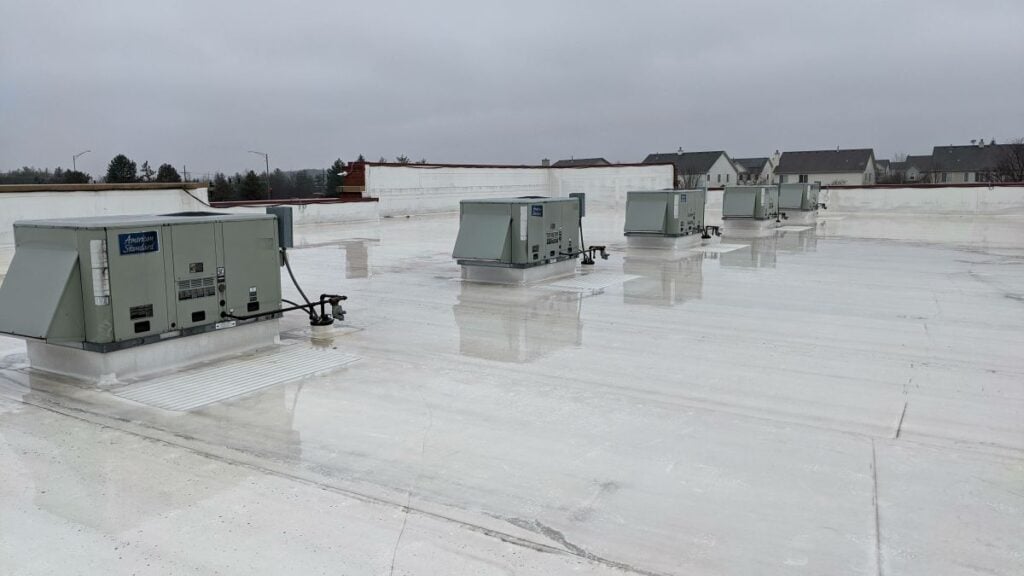
For occupied commercial buildings, the replacement process raises legitimate concerns about noise, debris, safety, and access. A well-organized contractor addresses these concerns through proactive planning, but property owners can also take steps to make the process smoother for everyone involved.
Communicate Early with Tenants and Staff
The moment a replacement is confirmed, notify everyone who uses or occupies the building. Share the projected start date, the expected duration, and any specific disruptions they should anticipate such as limited parking from material staging or elevated noise during tear-off hours. Early communication prevents frustration and positions you as a responsive, organized property manager.
Identify Sensitive Areas in Advance
Some areas within a commercial building are more sensitive to roofing work than others. Data rooms, medical equipment, food service areas, and any space with open ceilings all require extra protection planning before work begins. Walk through the building with your contractor and flag these locations so precautions are in place on day one.
Establish a Daily Communication Protocol
A reliable contractor provides daily project updates so you always know what phase the crew is in and what to expect the following day. If your contractor does not proactively communicate, ask for it in writing before signing a contract. This keeps the project transparent and gives you the information you need to coordinate internally.
| Phase | Typical Duration | Primary Variable |
| Inspection and Proposal | 1 to 3 days | Roof complexity |
| Permitting and Material Orders | 1 to 4 weeks | Permit backlog, material lead time |
| Mobilization | 1 day | Site access coordination |
| Tear-Off | 1 to 5 days | Layers, square footage |
| Deck Repairs | 0 to 4 days | Condition found after tear-off |
| Installation | 2 days to 3 weeks | System type, building size, weather |
| Final Inspection and Closeout | 1 day | Punch-list items |
Having this phased view of the project lets you communicate realistic timelines to building stakeholders and reduce the anxiety that often surrounds large commercial construction work.
Plan Your Raleigh Commercial Roof Replacement with Confidence
A commercial roof replacement is a substantial undertaking, but it does not have to be a chaotic one. When you understand the phases involved, the variables that affect each phase, and what a well-organized contractor looks like in practice, the process becomes much more manageable. Raleigh property owners who plan ahead, communicate proactively, and partner with a team that values transparency consistently report a smoother experience and a better end result.
Barkley-Jensen Roofing brings the local knowledge, certified expertise, and genuine commitment to customer communication that commercial property owners deserve throughout a project of this scale. Whether you are trying to understand your timeline, evaluate your material options, or simply figure out where to start, our team is ready to walk you through every step. When you are ready to get the process moving, contact us today and let Barkley-Jensen Roofing take it from there.
What Affordable Roof Replacement Options Exist In Garner, NC?
05.28.2026
12 Min Read
For many Garner homeowners, the roof is easy to ignore until a leak, storm, or inspection forces the conversation. When that moment arrives, understanding your affordable roof replacement options in Garner, NC can mean the difference between a smart long-term investment and an overwhelming financial surprise. Whether you are dealing with an aging roof, ongoing repairs that never seem to stick, or damage left behind by a recent storm, knowing which materials and approaches deliver real value helps you move forward with confidence. Homeowners who take time to explore their options for protecting their home often find that a quality replacement is far more accessible than they initially assumed.
In this guide, you will learn:
- The most budget-friendly roofing materials available to Garner homeowners
- What factors influence the total cost of a roof replacement
- How to get the most long-term value out of your roofing investment
- When your homeowner’s insurance may help cover the cost
- Tips for choosing the right contractor and avoiding common pitfalls
Why Roof Replacement Is a Smart Investment for Garner NC Homeowners
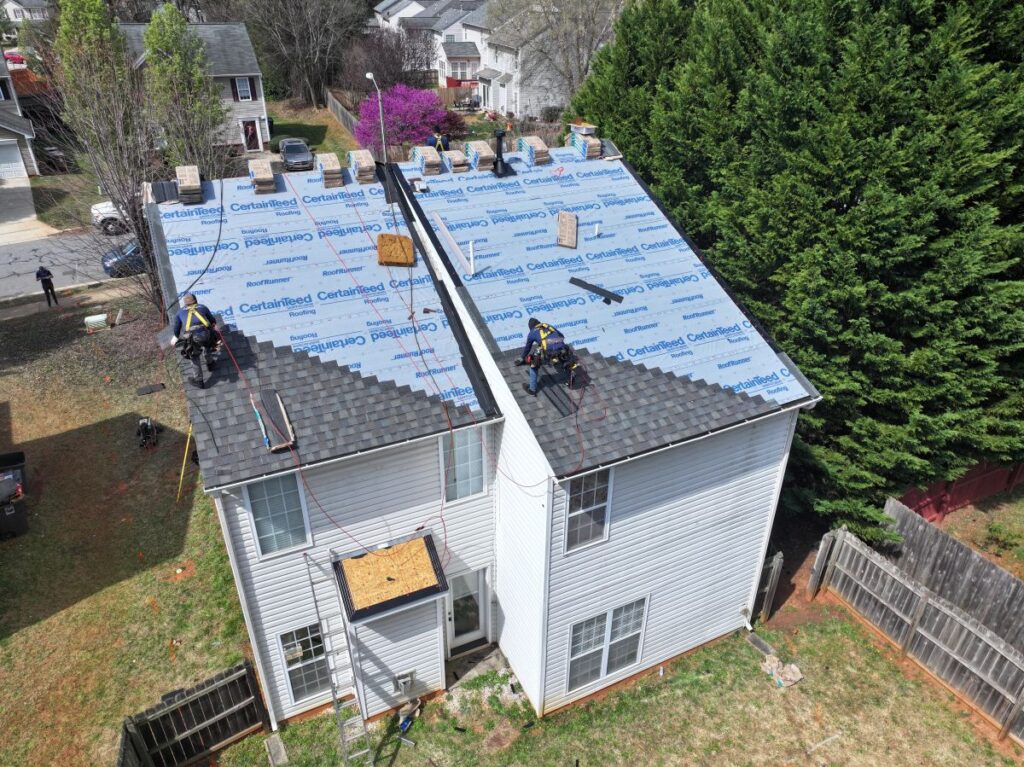
Garner, NC sits squarely in a climate zone that deals out humid summers, heavy thunderstorms, and the occasional remnants of tropical systems moving inland from the coast. Over time, these conditions wear down roofing materials faster than many homeowners realize. When a roof reaches the end of its serviceable life or sustains significant structural damage, continuing to patch it becomes both more expensive and less effective than starting fresh with a full replacement.
The good news is that a new roof does far more than plug leaks. It pays off in ways that extend well beyond basic protection, and understanding those benefits helps put the cost into proper perspective.
Here are the key reasons why a roof replacement makes financial sense:
- Increased Home Value: A new roof is consistently one of the top upgrades that buyers look for when evaluating a property. According to Remodeling Magazine’s Cost vs. Value report, asphalt shingle roof replacements recover a strong percentage of their cost at resale, making them one of the most defensible exterior investments a homeowner can make.
- Lower Energy Bills: Modern roofing materials are engineered with better insulation values and reflective coatings that help stabilize indoor temperatures, reducing the strain on your HVAC system throughout the year.
- Fewer Emergency Repairs: Replacing an aging or compromised roof eliminates the cycle of repeated patching and urgent callouts, which quietly add up to significant costs over several years.
- Stronger Storm Resistance: A structurally sound, properly installed roof with the right underlayment system dramatically reduces your risk of interior water damage after a major weather event.
- Peace of Mind: There is real value in knowing your home is fully protected. A new roof removes a significant source of stress for homeowners, particularly during storm season.
Garner’s location in Wake County means homeowners are no strangers to severe weather, which makes roof integrity not just a comfort issue but a genuine safety and financial priority.
5 Affordable Roof Replacement Options to Consider in Garner
When homeowners begin researching replacements, there is often an assumption that affordability and quality are mutually exclusive. In reality, the roofing market offers a wider range of performance-to-cost ratios than most people expect. Here are five options that deliver genuine value for Garner homeowners across a range of budgets.
1. 3-Tab Asphalt Shingles
3-tab asphalt shingles represent the most budget-friendly entry point in residential roofing. They have a flat, uniform profile, provide baseline weather protection, and are easy to install, all of which help keep overall project costs low. For homeowners who need a functional, dependable roof without premium features, this option gets the job done.
- Typical lifespan of 15 to 20 years under normal conditions
- Lowest upfront material cost of any shingle option
- Widely available with consistent local contractor support
- Best suited for homes with straightforward rooflines and lower wind exposure
The tradeoff is that 3-tab shingles offer less dimensional character, are less wind-resistant, and have a shorter lifespan than higher-end options.
2. Architectural (Dimensional) Asphalt Shingles
Architectural shingles are the most installed roofing product in the Garner market and consistently represent the best value intersection of cost, performance, and curb appeal. Their multi-layered construction creates a dimensional, textured appearance that gives homes a significantly more upscale look than 3-tab products at a modest price difference.
- Typical lifespan of 25 to 30 years
- Improved wind resistance ratings compared to 3-tab shingles
- Available in a wide variety of colors, textures, and styles
- Compatible with most manufacturer warranty programs
According to the Asphalt Roofing Manufacturers Association, asphalt shingles cover approximately 80% of all homes in the United States, making them the most widely available and cost-competitive roofing product on the market. Their dominance is not coincidental; they offer a proven combination of reliability, aesthetics, and price accessibility that few other materials can match.
3. Impact-Resistant Shingles
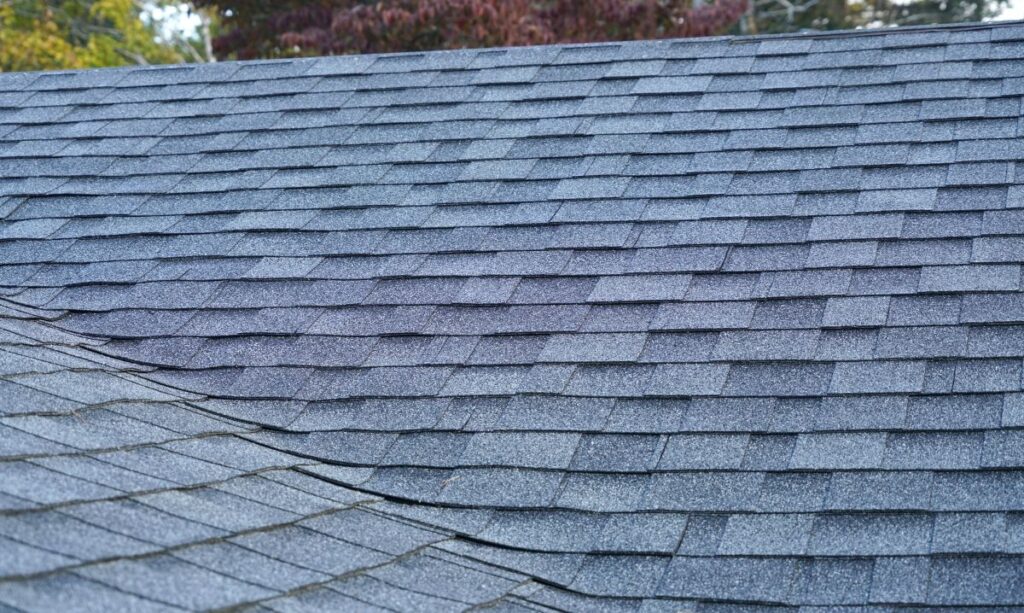
For Garner homeowners who have experienced hail damage or live in areas where severe storms are frequent, impact-resistant shingles are a practical upgrade that can deliver real savings over time. These products carry a Class 3 or Class 4 rating from Underwriters Laboratories, indicating they can withstand significant hail impact without cracking or fracturing.
- Superior durability in hail and high-wind conditions
- Can qualify homeowners for meaningful insurance premium discounts
- Slight premium over standard architectural shingles, often offset by reduced claim frequency
- A strong choice for homeowners who want long-term resilience on a controlled budget
Many insurers in North Carolina offer discounts for homes with Class 4 impact-resistant roofing installed, which can help recover part of the upfront cost difference over just a few policy years.
4. Metal Roof Options
A metal roof has grown substantially in popularity across North Carolina over the past decade. While the initial installation cost is higher than asphalt alternatives, its dramatically longer lifespan and minimal maintenance requirements often make it the most cost-effective choice when evaluated on a per-year basis over the life of the roof.
- Lifespan of 40 to 70 years with minimal ongoing maintenance
- Excellent performance in rain, wind, and extreme heat
- Energy-efficient due to natural reflective properties that reduce cooling loads
- Available in standing seam and metal shingle profiles to suit different home styles
Roof replacement services can also include flat roofing systems for certain structures, not just asphalt shingles and metal roofing. Tile roofs made from clay or concrete are durable and offer a range of style options, but they usually cost more than asphalt or metal, so they are less often considered budget choices in Garner.
For homeowners who plan to remain in their Garner home long-term and want to remove roof replacement from their future financial concerns entirely, metal is well worth including in the comparison.
5. Insurance-Assisted Replacement
This is perhaps the most underutilized option available to Garner homeowners. If your roof has sustained damage from a qualifying event such as hail, high winds, or a falling tree, your homeowner’s insurance policy may cover a substantial portion or even the full cost of replacement, beyond your deductible. Before a full replacement moves forward, a thorough roof inspection is needed to assess the condition of the existing roof. The key is knowing what to document, how to file effectively, and working with a roofing contractor who understands the insurance claims process.
- No significant out-of-pocket cost beyond your deductible if the claim is approved
- Applies to damage from qualifying weather events, which are common in this region
- Can fund a replacement using higher-quality materials than you might otherwise budget for
- Works in combination with most shingle types listed above
Having a knowledgeable contractor walk through the inspection and claims process alongside you makes a measurable difference in both approval rates and settlement amounts, and can help guide the entire process with the insurance company.
What Factors Affect the Total Cost of Roof Replacement in Garner?
Understanding your material options is important, but it is only part of the budgeting picture. The total cost of a roof replacement is shaped by a number of project-specific variables. Knowing what drives the price helps you plan accurately and have productive conversations with contractors during the estimate process.
Roof Size and Pitch
The overall square footage of your roof and how steep the pitch is are two of the most direct cost drivers. Roofing is priced per square, which equals 100 square feet of coverage. Steeper roofs require additional safety equipment, slower installation pacing, and increased labor hours, all of which add to the bottom line.
- Larger homes require more materials and labor time
- Complex rooflines with valleys, dormers, or multiple penetrations increase installation difficulty
- A professional measurement, not a rough estimate, is the only reliable way to quote accurately
Getting a roof inspection before receiving estimates ensures you are comparing apples to apples between contractors, and regular inspections help detect roof damage early and prevent costlier repairs later.
Deck and Underlayment Condition
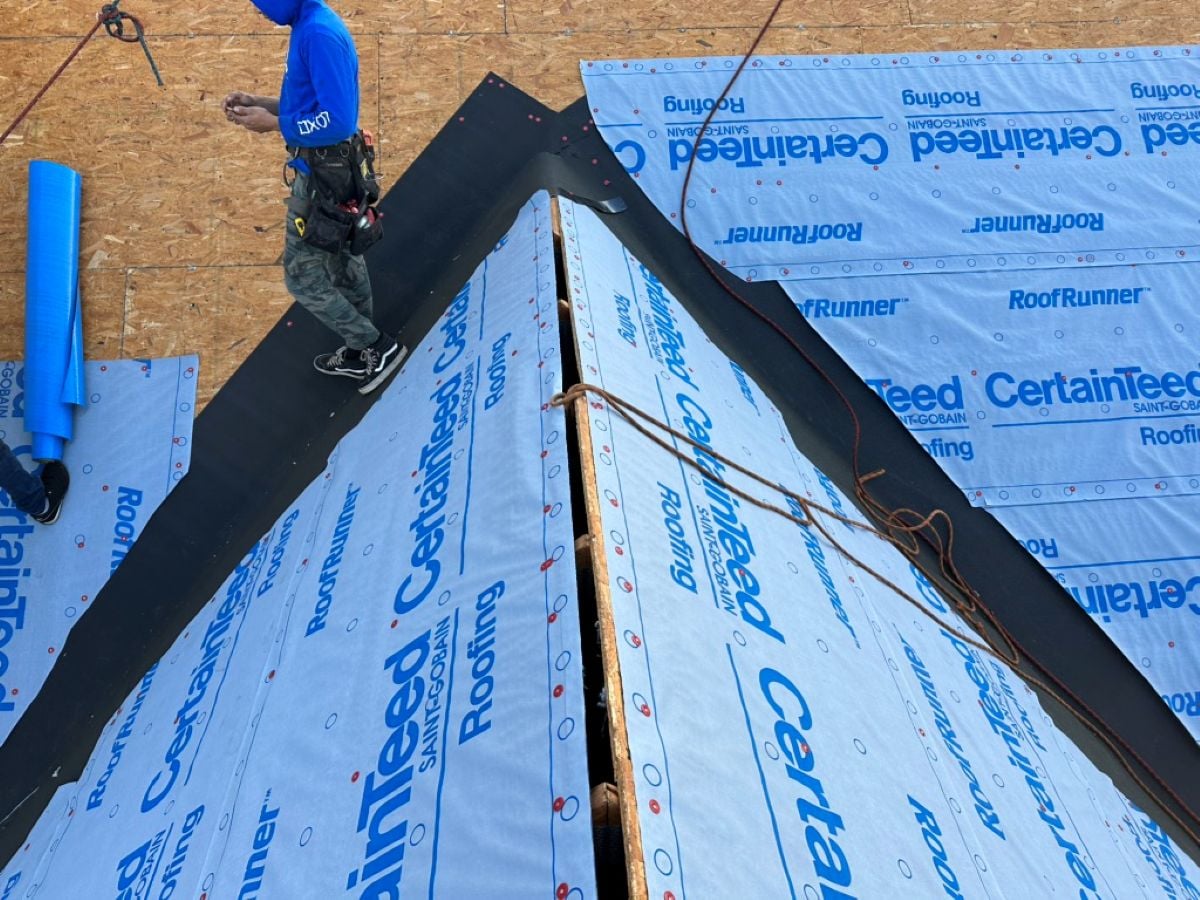
What lies beneath the shingles matters just as much as the shingles themselves. If the roof deck, the plywood layer underneath, shows signs of rot, moisture intrusion, or structural compromise, often from hidden deterioration tied to storm-related damage caused by wind-driven rain or leaks, those sections need to be addressed before new materials go down. Similarly, the right underlayment system protects the deck and interior from water infiltration in ways that shingles alone cannot accomplish.
- Deck repairs add material and labor costs that are only visible once old shingles are removed
- Ice and water shield underlayment is recommended in vulnerable areas around valleys, eaves, and penetrations
- Skipping proper underlayment can void the manufacturer’s shingle warranty
Having a contractor inspect the roof before replacement helps surface these issues before the project starts so there are no budget surprises mid-installation.
Contractor Certification and Manufacturer Tier
Not all shingles within the same product category are priced the same, and not every local roofing company has access to the same pricing. Strong customer reviews and ratings also help homeowners judge reliability and quality work. Contractors who hold manufacturer certifications, such as GAF Master Elite or CertainTeed SELECT ShingleMaster status, often unlock access to better material pricing tiers and stronger warranty programs that standard contractors cannot offer their customers.
- Premium product lines include extended warranty coverage and enhanced protection
- Mid-tier shingles typically deliver strong performance at a lower entry price
- Certified contractors can offer system warranties that cover both materials and workmanship
Choosing a certified contractor is one of the most practical ways to get more value out of your replacement investment without increasing the material budget. In Garner, many providers offer a full range of roofing services, including roof repairs, inspections, and replacement work for residential and commercial clients.
How to Maximize Your Roofing Budget Without Sacrificing Quality

Getting an affordable roof replacement does not simply mean choosing the cheapest material or the lowest bid. It means making informed decisions that reduce your total cost of ownership across the full life of the roof. There are several practical strategies Garner homeowners can use to stretch their budget without cutting corners.
Explore Financing Options
Many roofing contractors offer financing programs that allow you to spread the cost of a replacement over manageable monthly payments. This approach lets you choose a better material without requiring the full amount upfront. Look for low-interest or deferred-interest programs tied to established lending platforms.
Understand Your Warranty Before Signing
Warranties vary significantly between products and contractors, and the fine print matters. A strong warranty protects your investment well after the crew leaves your driveway. Ask specifically about what is and is not covered, and whether the contractor’s certification level affects the warranty tier available to you.
| Warranty Type | What It Covers | Typical Length |
| Manufacturer Material Warranty | Defects in shingle materials | 25 years to Lifetime |
| Workmanship Warranty | Installation quality | 1 to 10 years |
| System Warranty | Full roofing system | Available through certified contractors only |
Get Multiple Detailed Estimates
Collect at least two to three written estimates before committing to a project. Look carefully at what each estimate includes in terms of tear-off, disposal, underlayment, flashing, and cleanup. An unusually low bid almost always reflects something left out, whether that is proper underlayment, quality materials, or licensed labor.
Do Not Delay a Needed Replacement
One of the most common budget mistakes homeowners make is continuing to repair a roof that has passed the point of cost-effective patchwork. Every season of deferred replacement carries the risk of interior water damage, which adds restoration costs on top of an eventual replacement anyway. Acting sooner typically costs less in total than waiting.
Take the Next Step Toward a Better Roof
Replacing your roof is a significant decision, but it does not have to be a stressful or financially overwhelming one. Garner homeowners have more affordable and high-quality options available today than at any point in recent memory, and the process of choosing, financing, and completing a replacement has become far more straightforward when you work with the right team.
Whether you are evaluating architectural shingles against impact-resistant upgrades, wondering if your storm damage qualifies for an insurance claim, or simply want honest guidance on what your home actually needs, you deserve a contractor who will walk you through the process with clarity and care. Barkley-Jensen Roofing is proud to serve the Garner community with the same attention to detail and genuine customer focus we bring to every home we work on. If you are ready to explore your options and get a thorough, no-pressure inspection, contact us today to get started with Barkley-Jensen Roofing.
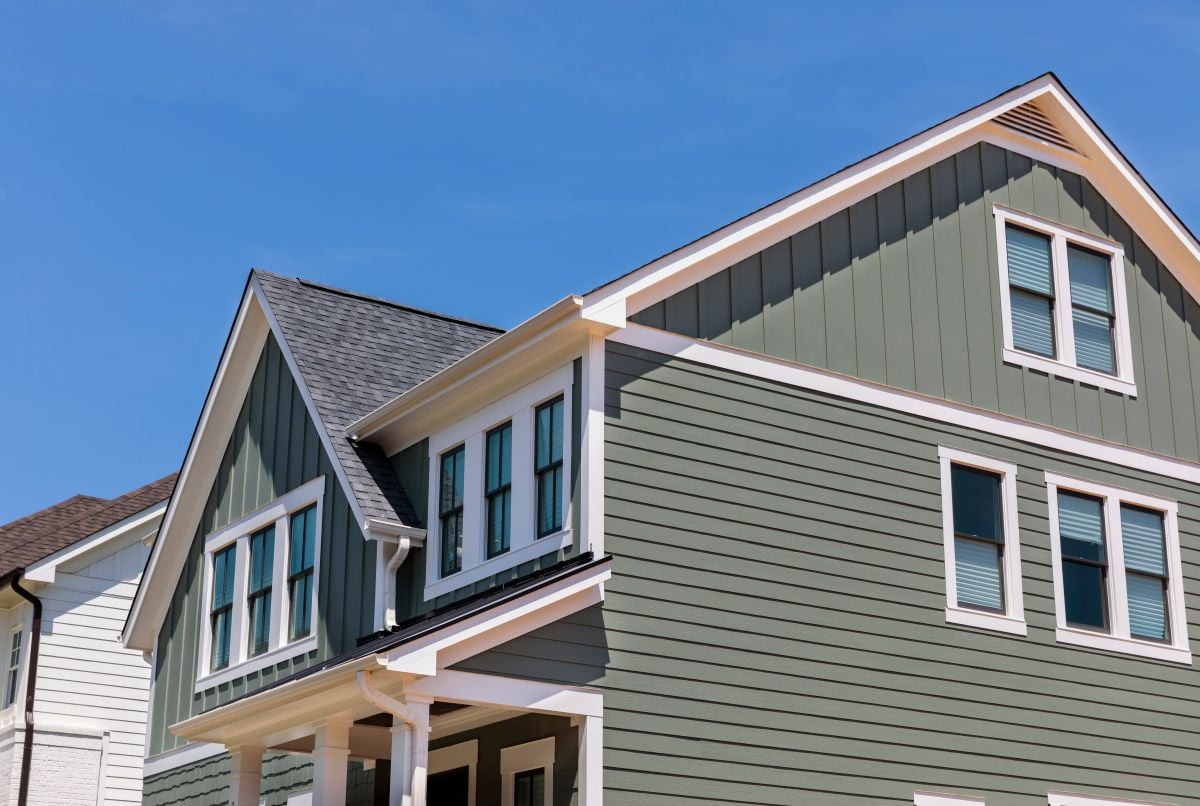
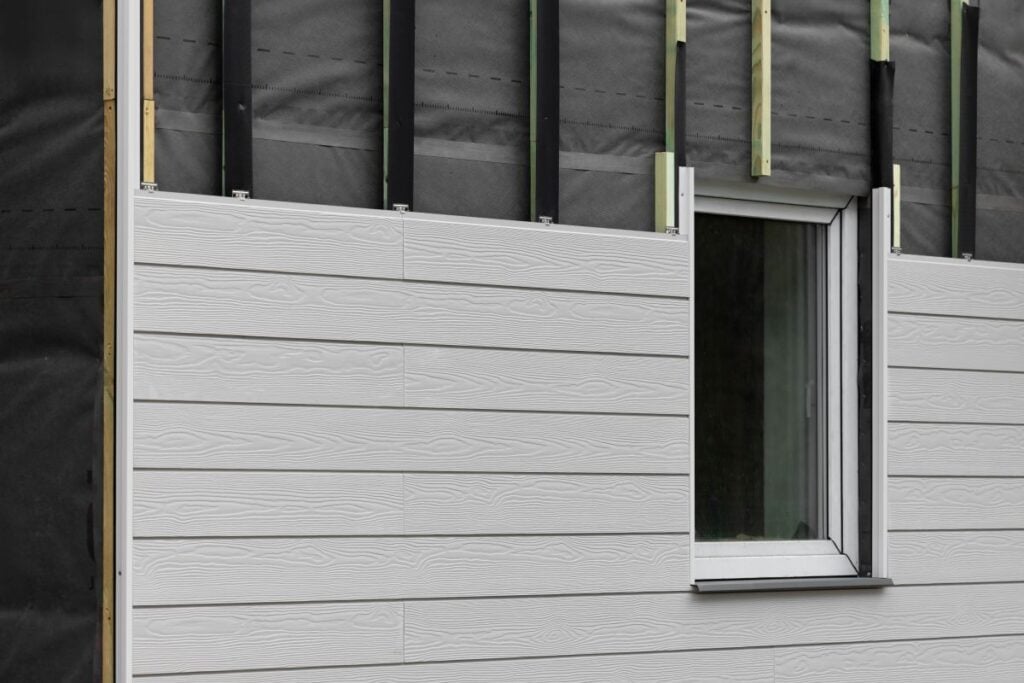
How Much Does Siding Replacement Cost In Knightdale, NC?
05.26.2026
7 Min Read
If your home’s exterior is starting to fade, crack, or lose efficiency, it is natural to ask how much does siding replacement cost in Knightdale, NC? Understanding the true cost helps you plan ahead and avoid surprises while protecting your investment. Many homeowners who begin researching upgrades like improving their home’s exterior protection and long-term durability quickly realize siding plays a major role in both curb appeal and structural protection.
In this guide, you will learn:
- The average cost of siding replacement in Knightdale
- What factors impact pricing the most
- How different materials compare in cost and value
- Ways to save money without sacrificing quality
- How to decide the best option for your home
Replacing siding in Knightdale typically ranges from $8,000 to $25,000 depending on home size, materials, and labor, but understanding what drives that cost is key to making a smart decision.
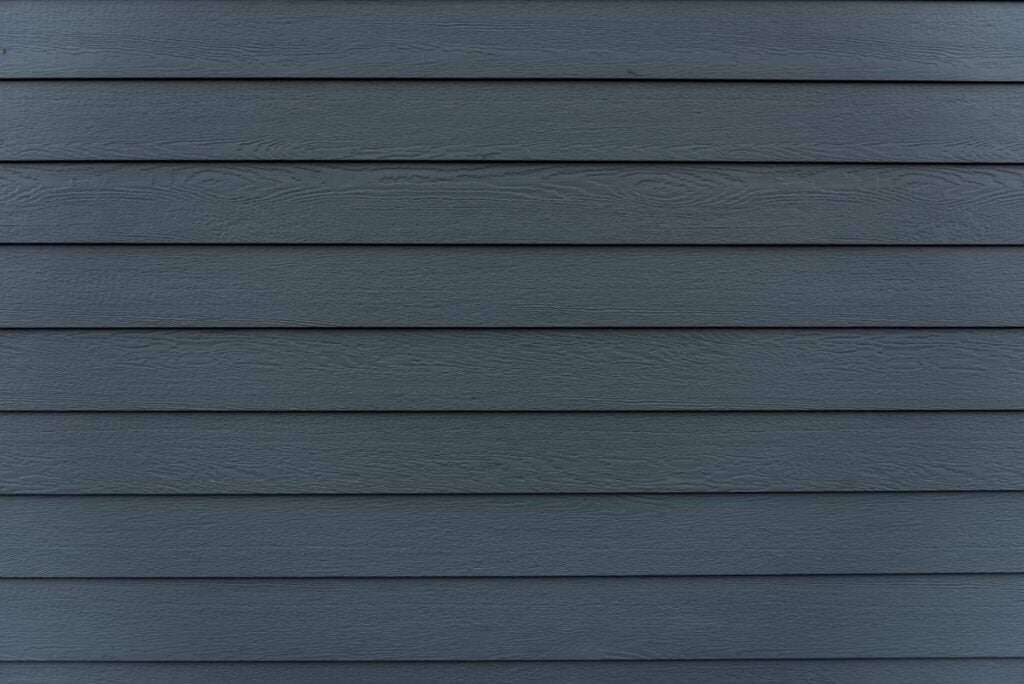
Why Understanding Siding Replacement Costs Matters
Siding replacement is one of the most impactful exterior upgrades you can make. It affects your home’s protection, efficiency, and value all at once. Without a clear understanding of cost factors, it is easy to overspend or choose materials that do not fit your needs.
For homeowners in Knightdale and surrounding areas, where humidity, storms, and temperature changes are common, siding must perform well under varying conditions. That makes cost decisions even more important.
Here are the main reasons why understanding siding costs matters:
- Budget Planning: Knowing realistic cost ranges helps you prepare financially and avoid unexpected expenses.
- Material Selection: Different siding types vary significantly in price and long-term value.
- Home Protection: Investing in the right siding reduces future repair costs from moisture or weather damage.
- Energy Efficiency: Proper siding can improve insulation and reduce energy bills.
- Resale Value: Updated siding boosts curb appeal and can increase home value.
Understanding these benefits helps you see siding replacement as an investment rather than just an expense.
6 Key Factors That Affect Siding Replacement Cost
Several factors influence how much you will pay for siding replacement. These variables can significantly increase or decrease your total cost.
1. Type of Siding Material
The material you choose has the biggest impact on cost.
- Vinyl siding is the most affordable option
- Fiber cement offers durability at a higher price
- Wood siding provides a natural look but requires maintenance
Each material comes with different upfront costs and long-term value.
2. Size and Layout of Your Home
Larger homes require more materials and labor. The style of your home can influence how much siding you need and the type of siding material required, as some styles have more unique shapes that complicate installation.
- More square footage increases cost
- Complex designs require additional installation time
- Multi-story homes may increase labor expenses
Home size is one of the most straightforward cost drivers.
3. Labor and Installation Complexity
Labor costs vary based on difficulty.
- Removing old siding adds time and expense
- Repairs to underlying structure may be needed
- Detailed trim work increases installation effort
Professional installation ensures proper performance but affects pricing.
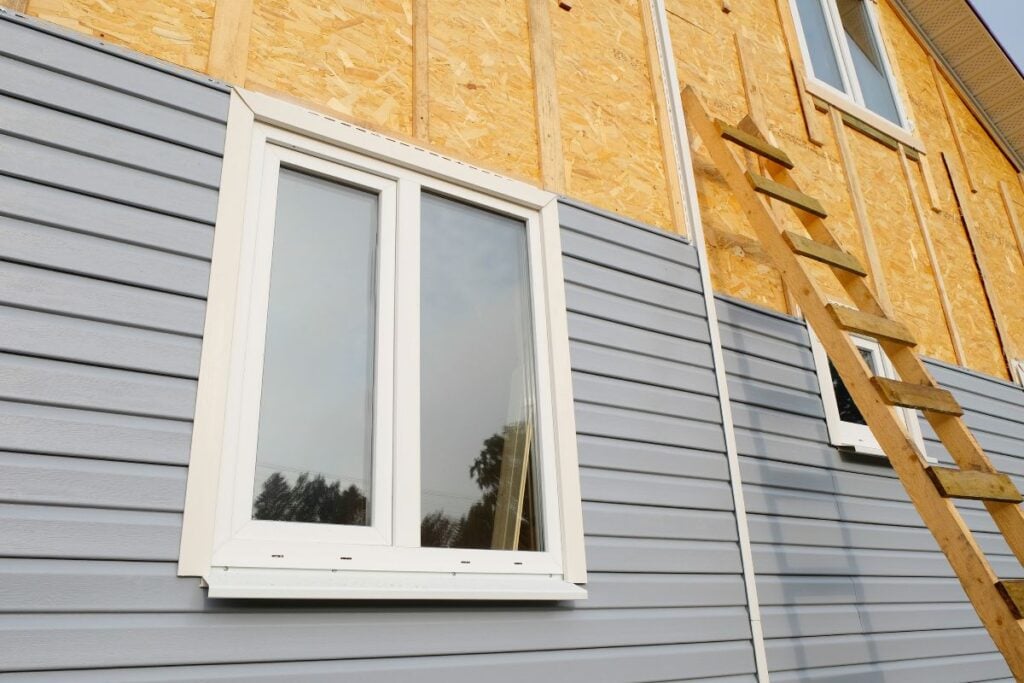
4. Insulation and Underlayment
Adding insulation can improve energy efficiency.
- Insulated siding costs more upfront
- Reduces heating and cooling expenses
- Improves overall home comfort
This is an optional upgrade that can provide long-term savings.
5. Permits and Local Requirements
Depending on your project, permits may be required.
- Local regulations can add to costs
- Inspection fees may apply
- Compliance ensures quality and safety
These factors vary by location but should be considered.
6. Removal and Disposal of Old Siding
Removing existing siding is part of the process.
- Disposal fees for old materials
- Additional labor for removal
- Potential repairs uncovered during removal
This step is often overlooked but contributes to total cost.
Average Cost of Siding Materials in Knightdale
Understanding the price range of different materials helps you compare options and make informed decisions. Permit fees in the Knightdale/Raleigh area typically cost $75 plus $0.25 per square foot of the work area for a standard residential permit. Projects are subject to a combined sales tax rate of 6.75% to 7.25% on both materials and labor.
Vinyl Siding
Vinyl siding is known for its affordability and low maintenance, making it a popular choice in areas with high humidity and harsh sunlight, such as Raleigh, North Carolina.
- Cost: $5 to $10 per square foot installed
- Most budget-friendly option
- Low maintenance and widely available
Fiber Cement Siding
According to the 2025 Remodeling Cost vs. Value Report, replacing your home’s siding with fiber cement adds an average of $24,420 to your home’s resale value — making it one of the top remodeling projects homeowners can do to increase what their house is worth.
- Cost: $8 to $15 per square foot installed
- Durable and weather-resistant
- Longer lifespan than vinyl
Wood Siding
- Cost: $10 to $18 per square foot installed
- Natural and attractive appearance
- Requires regular maintenance
Engineered Wood Siding
- Cost: $7 to $12 per square foot installed
- More durable than traditional wood
- Lower maintenance requirements
These ranges give a general idea, but actual costs depend on your specific project.
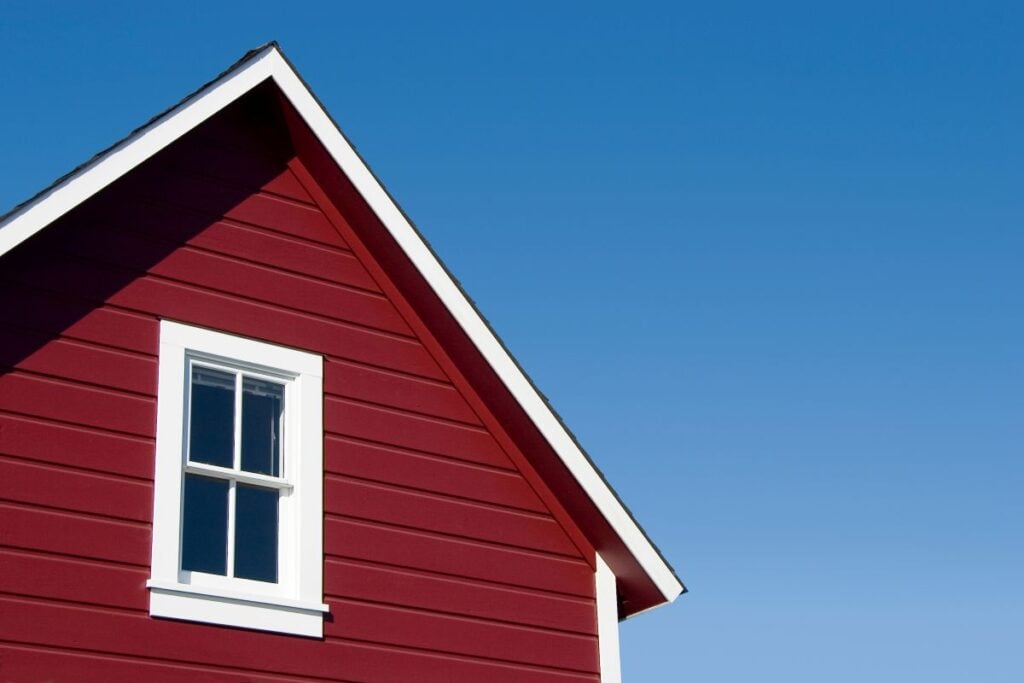
How to Choose the Right Siding for Your Budget
Choosing the right siding involves balancing cost, performance, and appearance. It is not always about choosing the cheapest option.
Consider Long-Term Value
- Lower-cost materials may require earlier replacement
- Durable materials can reduce maintenance expenses
- Energy-efficient options can lower utility bills
Looking beyond upfront cost helps you make a smarter investment.
Match Materials to Climate
Knightdale and surrounding areas experience humidity and seasonal storms.
- Choose moisture-resistant materials
- Look for wind-resistant options
- Consider UV durability for sun exposure
Climate plays a major role in siding performance.
Balance Aesthetics and Function
- Choose colors and textures that complement your home
- Consider neighborhood styles
- Ensure materials meet performance needs
Appearance should not come at the expense of durability.
Ways to Save on Siding Replacement Costs
Siding replacement can be a significant investment, but there are ways to manage costs without sacrificing quality.
Plan Your Project Strategically
- Schedule work during off-peak seasons
- Compare quotes from multiple contractors
- Bundle projects if possible
Planning ahead can lead to better pricing.
Choose Cost-Effective Materials
- Vinyl offers affordability and reliability
- Engineered wood balances cost and appearance
- Avoid overpaying for features you do not need
Selecting the right material helps control expenses.
Maintain Your Siding
- Regular cleaning prevents damage
- Address repairs early
- Extend the lifespan of existing siding
Good maintenance delays replacement costs.
Siding Replacement vs Repair: Which Is Better?
Sometimes the decision is not whether to replace siding, but whether repair is enough.
When Repairs Make Sense
- Minor cracks or localized damage
- Relatively new siding
- Limited wear and tear
Repairs can extend the life of your siding.
When Replacement Is the Better Option
- Widespread damage or aging
- Frequent repairs becoming costly
- Reduced energy efficiency
Replacement often provides better long-term value.
Quick Comparison
| Situation | Repair | Replacement |
| Minor damage | Yes | No |
| Aging siding | Temporary fix | Recommended |
| Extensive issues | Limited benefit | Best option |
Understanding the difference helps you make the right decision.
Additional Considerations for Homeowners in Knightdale
Beyond cost, there are other important factors to keep in mind when planning siding replacement.
Energy Efficiency Benefits
- Improved insulation reduces energy costs
- Helps maintain indoor comfort
- Supports long-term savings
Energy efficiency is a major advantage of modern siding.
Weather Resistance
- Protects against moisture and humidity
- Reduces risk of mold and rot
- Improves overall durability
Choosing the right material enhances protection.
Return on Investment
- Increases home value
- Improves curb appeal
- Attracts potential buyers
Siding replacement is one of the most visible upgrades you can make.
Make the Right Investment for Your Home
Understanding how much siding replacement costs in Knightdale, NC helps you plan wisely and protect your home for years to come. With the right materials, proper installation, and careful planning, you can achieve both durability and curb appeal.
For homeowners in Knightdale and surrounding areas, working with an experienced contractor ensures your project is done right the first time. Barkley-Jensen Roofing provides trusted expertise and high-quality workmanship to help you get the most out of your investment.
If you are ready to explore your siding options or want a detailed estimate, contact us today to speak with Barkley-Jensen Roofing and take the next step toward improving your home.
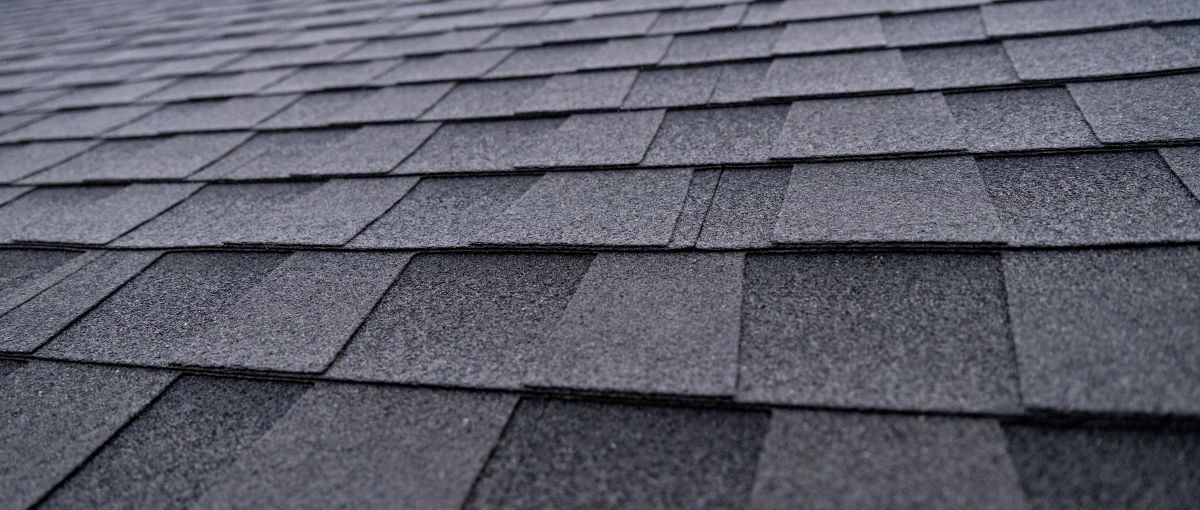
What Shingle Options Are Best For Homes In Cary, NC?
05.21.2026
7 Min Read
Choosing the right roofing material is one of the most important decisions a homeowner can make, especially when considering what shingle options are best for homes in Cary, NC? The local climate, home style, and long-term durability all play a role in finding the right fit. Many homeowners begin by exploring options like selecting a roofing system designed for lasting performance, which can help ensure both protection and curb appeal for years to come.
In this guide, you will learn:
- The most popular shingle types for homes in Cary
- How weather impacts your roofing choice
- The pros and cons of each shingle option
- What to consider when selecting materials
- How to choose the best long-term solution for your home
Why Choosing the Right Shingles Matters in Cary, NC
Your roof does more than just cover your home. It protects against moisture, heat, wind, and seasonal storms. In a place like Cary and surrounding areas, where humidity and weather shifts are common, the type of shingles you choose can directly affect how well your home holds up over time.
Selecting the right shingles is not just about appearance. It is about performance, durability, and long-term value.
Here are the key reasons this decision matters:
- Weather Resistance: Shingles must handle heat, humidity, and heavy rain without breaking down.
- Longevity: The right material can last decades with proper maintenance.
- Energy Efficiency: Some shingles reflect heat better, helping reduce cooling costs.
- Curb Appeal: Roofing materials play a major role in your home’s overall look.
- Maintenance Needs: Certain shingles require less upkeep, saving time and money.
Understanding these factors helps homeowners make smarter roofing decisions.
5 Best Shingle Options for Homes in Cary, NC
There are several roofing materials available, but some perform better than others in Cary’s climate. Below are the most common and effective options for homeowners.
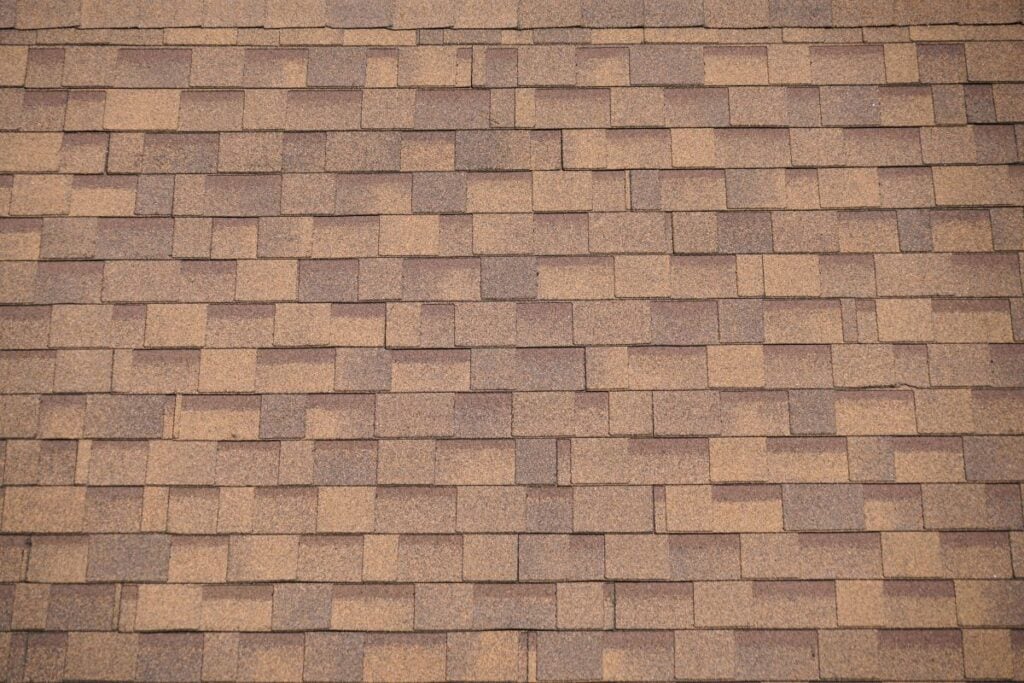
1. Asphalt Shingles
Asphalt shingles are the most popular roofing choice for residential homes.
- Affordable and widely available
- Easy to install and repair
- Available in a variety of colors and styles
They are a practical option for homeowners looking for reliability and cost efficiency. According to the Freedonia Group, asphalt shingles account for over 80% of residential roofing demand in the U.S. — making them by far the most popular shingle choice among homeowners, and for good reason given their balance of affordability, durability, and versatility.
2. Architectural Shingles
Architectural shingles are an upgraded version of standard asphalt shingles.
- Thicker and more durable
- Better resistance to wind and weather
- Enhanced appearance with dimensional texture
They offer a balance between performance and aesthetics.
3. Premium Designer Shingles
These shingles are designed to mimic high-end materials like slate or wood.
- High-end appearance
- Strong durability
- Longer lifespan compared to basic shingles
They are ideal for homeowners who want a premium look without the cost of natural materials.
4. Metal Roofing Shingles
Metal shingles provide a modern alternative to traditional roofing materials.
- Excellent durability and longevity
- Resistant to extreme weather conditions
- Reflective surface improves energy efficiency
They are a strong option for long-term performance.
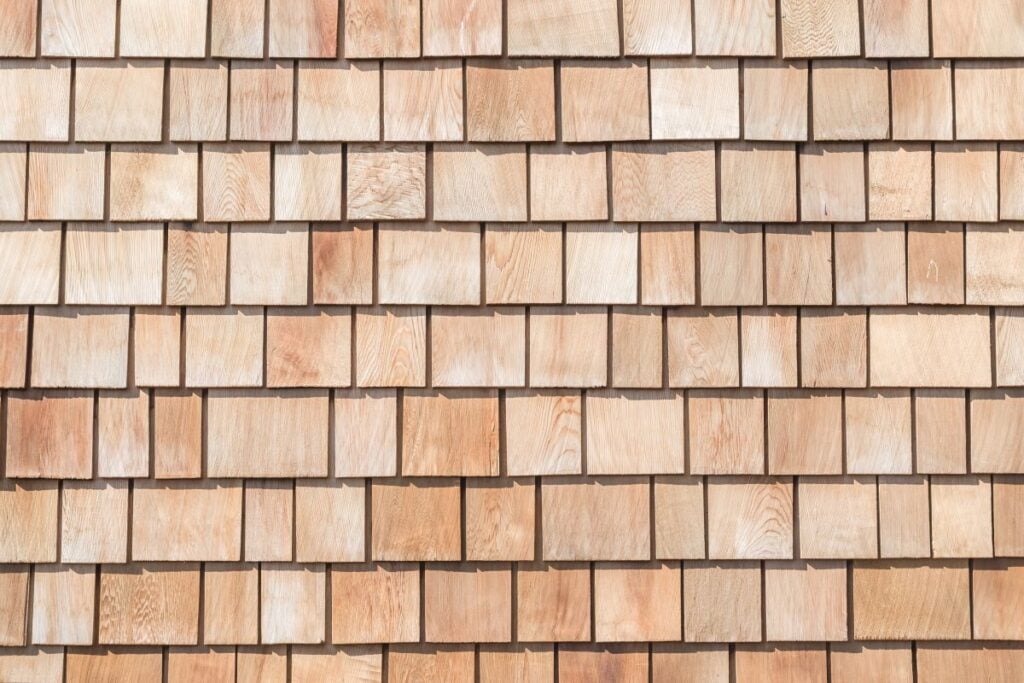
5. Wood Shingles and Shakes
Wood shingles offer a natural and traditional appearance.
- Unique, rustic look
- Good insulation properties
- Requires more maintenance
They are best suited for homeowners who prioritize aesthetics and are willing to maintain them.
Factors to Consider When Choosing Shingles
Selecting the best shingles for your home involves more than just picking a style. Several practical factors should guide your decision.
Climate and Weather Conditions
Cary and surrounding areas experience a mix of heat, humidity, and storms.
- Choose materials that resist moisture
- Look for wind-resistant options
- Consider UV protection for long-term durability
Weather plays a major role in how shingles perform.
Budget and Long-Term Value
Cost is always a factor, but long-term value matters just as much.
- Lower-cost shingles may require earlier replacement
- Higher-quality materials last longer
- Balance upfront cost with lifespan
Investing in better materials can save money over time.
Maintenance Requirements
Different shingles require different levels of care.
- Asphalt shingles need minimal maintenance
- Wood shingles require regular treatment
- Metal roofing offers low maintenance
Choosing the right level of upkeep is important.
Home Style and Appearance
Your roof should complement your home’s design.
- Match colors and textures with exterior features
- Consider neighborhood aesthetics
- Choose a style that enhances curb appeal
Appearance plays a big role in overall satisfaction.
Comparing Shingle Types for Cary Homes
Understanding how different materials compare can help you make a confident decision.
Shingle Comparison Table
| Shingle Type | Lifespan | Cost | Maintenance | Best For |
| Asphalt | 20 to 30 years | Low | Low | Budget-friendly homes |
| Architectural | 25 to 35 years | Moderate | Low | Balanced performance |
| Designer | 30 to 40 years | Higher | Moderate | High-end appearance |
| Metal | 40 to 70 years | Higher | Low | Long-term durability |
| Wood | 20 to 40 years | Moderate | High | Natural aesthetic |
Pros and Cons Overview
Asphalt Shingle Pros:
- Affordable
- Easy to install
- Widely available
Asphalt Shingle Cons:
- Shorter lifespan compared to premium options
Metal Roofing Pros:
- Long-lasting
- Energy-efficient
- Low maintenance
Metal Roofing Cons:
- Higher upfront cost
This comparison helps clarify which option fits your needs.
How to Choose the Best Shingles for Your Home
Making the right decision comes down to balancing your priorities.
Evaluate Your Goals
- Do you want affordability or long-term durability
- Are you focused on appearance or performance
- How long do you plan to stay in your home
Answering these questions helps narrow your options.
Consider Professional Guidance
Working with a roofing professional ensures you make the right choice.
- Expert recommendations based on your home
- Knowledge of local weather conditions
- Proper installation for long-term performance
Professional insight can make a significant difference.
Think About Future Maintenance
- Choose materials that match your maintenance preferences
- Consider long-term care requirements
- Plan for inspections and upkeep
This helps avoid unexpected challenges later.
Frequently Asked Questions About Roofing Shingles
Choosing the right shingles can feel overwhelming, but understanding the basics makes the process easier. These common questions help clarify what homeowners should know.
What shingles last the longest in Cary, NC?
Metal roofing and premium architectural shingles tend to last the longest. Metal roofs can last 40 years or more, while high-quality shingles can last 30 years or longer with proper maintenance.
Are asphalt shingles good for North Carolina weather?
Yes, asphalt shingles perform well in North Carolina’s climate. They offer good resistance to heat and rain, making them a popular choice for homeowners.
What is the most affordable roofing option?
Standard asphalt shingles are the most affordable option. They provide reliable performance at a lower cost, making them ideal for budget-conscious homeowners.
Do more expensive shingles provide better value?
In many cases, yes. Higher-quality shingles often last longer and require fewer repairs, which can reduce long-term costs.
How do I know which shingles are right for my home?
The best choice depends on your budget, home style, and maintenance preferences. Consulting with a roofing professional can help you make the right decision.
Choose the Right Shingles for Long-Term Protection
Understanding what shingle options are best for homes in Cary, NC helps you make a decision that protects your home and adds value for years to come. The right choice depends on your goals, budget, and the specific needs of your property.
For homeowners in Cary and surrounding areas, working with an experienced roofing team ensures your roof is built to last. Barkley-Jensen Roofing provides expert guidance and high-quality installation to help you get the most out of your investment.
If you are ready to upgrade your roof or need help choosing the right materials, contact us today to speak with Barkley-Jensen Roofing and find the best solution for your home.
How Often Should Homeowners Schedule Roof Maintenance In Fuquay Varina, NC?
05.19.2026
7 Min Read
Staying ahead of roof issues is one of the smartest ways to protect your home, especially in a climate like North Carolina’s. Many homeowners ask how often should homeowners schedule roof maintenance in Fuquay Varina, NC? because timing plays a major role in preventing damage and avoiding costly repairs. Taking proactive steps, such as keeping your roofing system in peak condition year-round, can extend the life of your roof and give you peace of mind through every season.
In this guide, you will learn:
- How often roof maintenance should be scheduled
- What factors affect maintenance frequency
- Signs your roof needs immediate attention
- Seasonal maintenance tips for North Carolina homes
- How regular care can save money long term
According to a 15-year study by Firestone Building Products and Prologis, proactively maintained roofs last an average of 21 years compared to just 13 years for reactively maintained roofs — meaning regular maintenance can add nearly a decade to your roof’s lifespan.
Why Regular Roof Maintenance Matters More Than You Think
Roof maintenance is not just about fixing problems after they happen. It is about preventing those problems from developing in the first place. A well-maintained roof performs better, lasts longer, and protects your home more effectively.
For homeowners in Fuquay Varina, NC and surrounding areas, seasonal weather patterns like heavy rain, humidity, and occasional storms make routine maintenance even more important.
Here are the key benefits of scheduling regular roof maintenance:
- Early Issue Detection: Small problems like loose shingles or minor leaks can be addressed before they become major repairs.
- Extended Roof Lifespan: Regular care helps your roof reach or even exceed its expected lifespan.
- Cost Savings Over Time: Preventative maintenance is far less expensive than emergency repairs or full replacements.
- Improved Energy Efficiency: A well-maintained roof helps regulate indoor temperatures more effectively.
- Protection Against Weather Damage: Routine inspections ensure your roof is prepared for storms and seasonal changes.
Understanding these benefits helps explain why maintenance should be part of every homeowner’s routine.
4 Recommended Roof Maintenance Intervals for Homeowners
Knowing how often to schedule maintenance depends on several factors, including your roof’s age, material, and local weather conditions. These four intervals provide a reliable framework.
1. Twice Per Year for Routine Inspections
Most roofing professionals recommend scheduling maintenance at least twice a year.
- Once in the spring after winter weather
- Once in the fall before colder temperatures arrive
- Helps catch seasonal damage early
This schedule aligns with industry recommendations and provides consistent protection.
2. After Major Storm Events
Storms can cause damage that is not always visible from the ground.
- High winds may loosen shingles
- Heavy rain can expose weak spots
- Debris can impact roof surfaces
After severe weather in Fuquay Varina, NC and surrounding areas, it is important to check your roof promptly.
3. Annually for Newer Roofs
If your roof is relatively new, annual inspections may be sufficient.
- Helps maintain warranty requirements
- Ensures proper installation performance
- Identifies early signs of wear
Even newer roofs benefit from consistent monitoring.
4. More Frequent Checks for Older Roofs
As roofs age, they require more attention.
- Increased risk of leaks and damage
- Materials begin to weaken over time
- Repairs may become more frequent
Older roofs should be inspected at least twice a year, if not more.
What A Professional Roof Maintenance Visit Includes
Understanding what happens during a maintenance visit can help you see the value in scheduling regular service. A thorough inspection goes beyond what homeowners can typically see.
Exterior Inspection
- Checking shingles for damage or wear
- Inspecting flashing around chimneys and vents
- Identifying signs of water intrusion
Interior and Attic Check
- Looking for moisture or mold
- Evaluating ventilation and insulation
- Checking for structural concerns
Gutter and Drainage Review
- Clearing debris from gutters
- Ensuring proper water flow
- Identifying potential blockages
These steps help ensure your entire roofing system is functioning properly.
Seasonal Roof Maintenance Tips for Fuquay Varina Homes
Different seasons bring different challenges, so adjusting your maintenance approach throughout the year can make a big difference.
Spring Maintenance
After winter, your roof may need attention.
- Check for damage from cold weather
- Clean gutters and remove debris
- Inspect for loose or missing shingles
Spring is a great time to prepare for warmer months.
Summer Maintenance
Heat and sun exposure can impact your roof.
- Look for signs of UV damage
- Ensure proper ventilation
- Monitor attic temperatures
Keeping your roof cool helps extend its lifespan.
Fall Maintenance
Preparing for winter is essential.
- Remove leaves and debris
- Check flashing and seals
- Ensure gutters are clear
Fall maintenance helps prevent cold-weather issues.
Winter Awareness
While maintenance is limited in winter, monitoring is still important.
- Watch for ice buildup
- Check for interior leaks
- Address issues quickly
Staying alert during winter helps prevent damage.
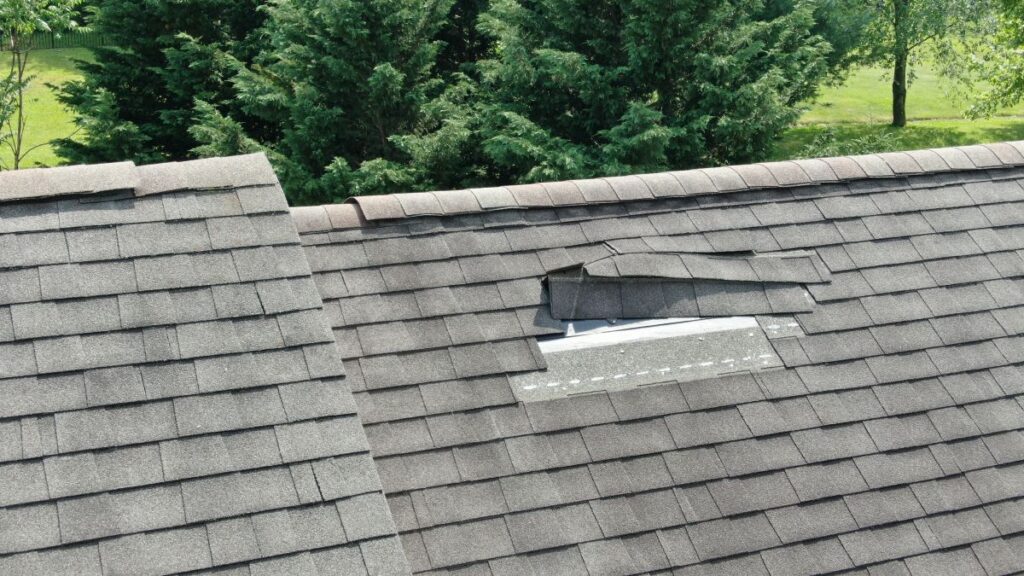
Signs Your Roof Needs Immediate Maintenance
Even with a regular schedule, some issues require immediate attention. Recognizing these signs can help you act quickly. Most roofs benefit from maintenance at least once a year, but in areas with extreme seasonal weather, inspections every six months may be more appropriate.
Visible Exterior Damage
- Missing or curling shingles
- Sagging areas of the roof
- Debris accumulation
These are clear indicators that maintenance is needed.
Interior Warning Signs
- Water stains on ceilings or walls
- Mold or mildew growth
- Increased humidity indoors
Interior issues often point to roofing problems.
Rising Energy Bills
- Poor insulation or ventilation
- Heat escaping through the roof
- Increased HVAC usage
Energy inefficiency can signal underlying issues.
DIY Maintenance vs Professional Service
Homeowners can handle some maintenance tasks, but professional inspections provide a deeper level of care.
DIY Maintenance Tasks
- Cleaning gutters
- Removing debris
- Visual inspections from the ground
These tasks help maintain basic roof health.
Professional Maintenance Benefits
- Comprehensive inspections
- Identification of hidden issues
- Expert recommendations
Professionals can spot problems that homeowners may miss.
Comparison Table
| Aspect | DIY Maintenance | Professional Service |
| Cost | Low | Moderate |
| Depth of Inspection | Basic | Comprehensive |
| Safety | Limited risk | Managed by experts |
| Accuracy | Visual only | Detailed evaluation |
Both approaches are valuable, but professional maintenance ensures complete coverage.
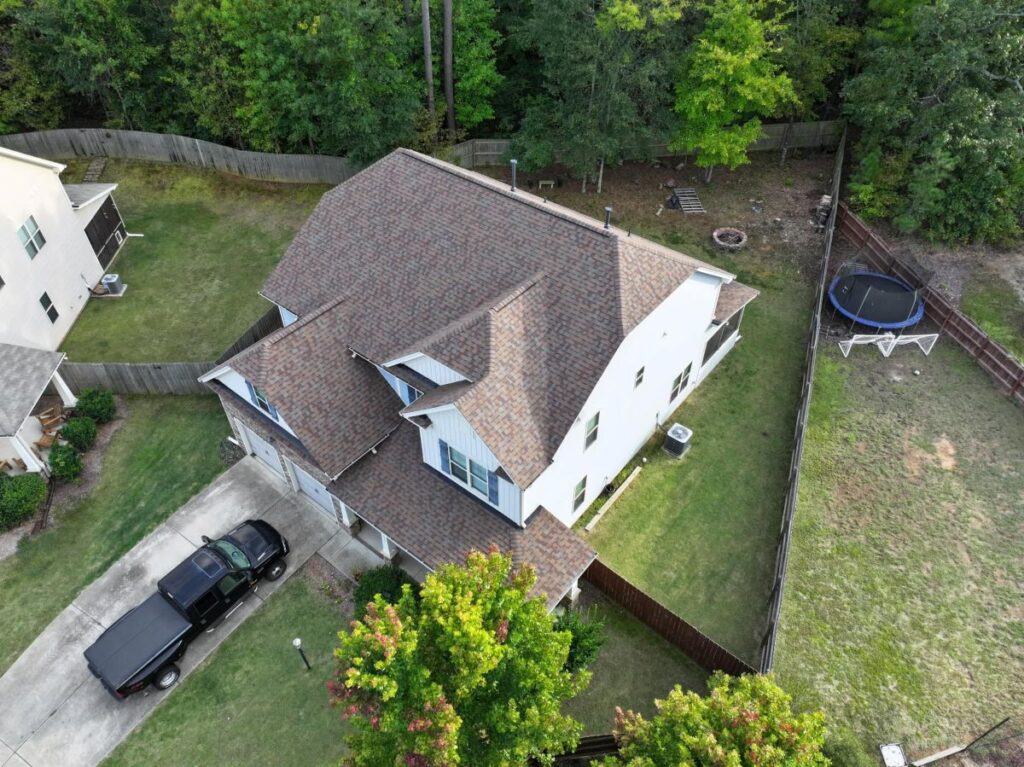
Frequently Asked Questions About Roof Maintenance
Understanding roof maintenance can help homeowners make better decisions about protecting their property. These common questions address key concerns about timing and care.
How often should roof maintenance be scheduled?
Most homeowners should schedule roof maintenance at least twice a year. This helps catch seasonal damage and keeps the roof in good condition. Additional inspections may be needed after storms or for older roofs.
Is annual roof maintenance enough?
Annual maintenance may be enough for newer roofs, but twice-yearly inspections are recommended for better protection. Regular checks help identify issues early and extend the lifespan of your roof.
What happens if roof maintenance is skipped?
Skipping maintenance can lead to unnoticed damage, leaks, and costly repairs. Over time, small issues can grow into major problems that require full roof replacement.
How much does roof maintenance cost?
Costs vary depending on the size and condition of your roof. However, maintenance is typically much less expensive than major repairs or replacement, making it a worthwhile investment.
Can regular maintenance extend roof life?
Yes, consistent maintenance can significantly extend the life of your roof. Addressing minor issues early prevents them from becoming major problems and helps maintain overall performance.
Protect Your Home with Consistent Roof Maintenance
Understanding how often homeowners should schedule roof maintenance in Fuquay Varina, NC is key to protecting your home and avoiding unnecessary expenses. Regular inspections, seasonal care, and timely repairs all contribute to a longer-lasting roof.
For homeowners in Fuquay Varina, NC and surrounding areas, working with a trusted team ensures your roof stays in top condition year-round. Barkley-Jensen Roofing provides expert maintenance services designed to keep your home protected through every season.
If you want to stay ahead of potential issues and extend the life of your roof, contact us today to schedule your next maintenance service with Barkley-Jensen Roofing.
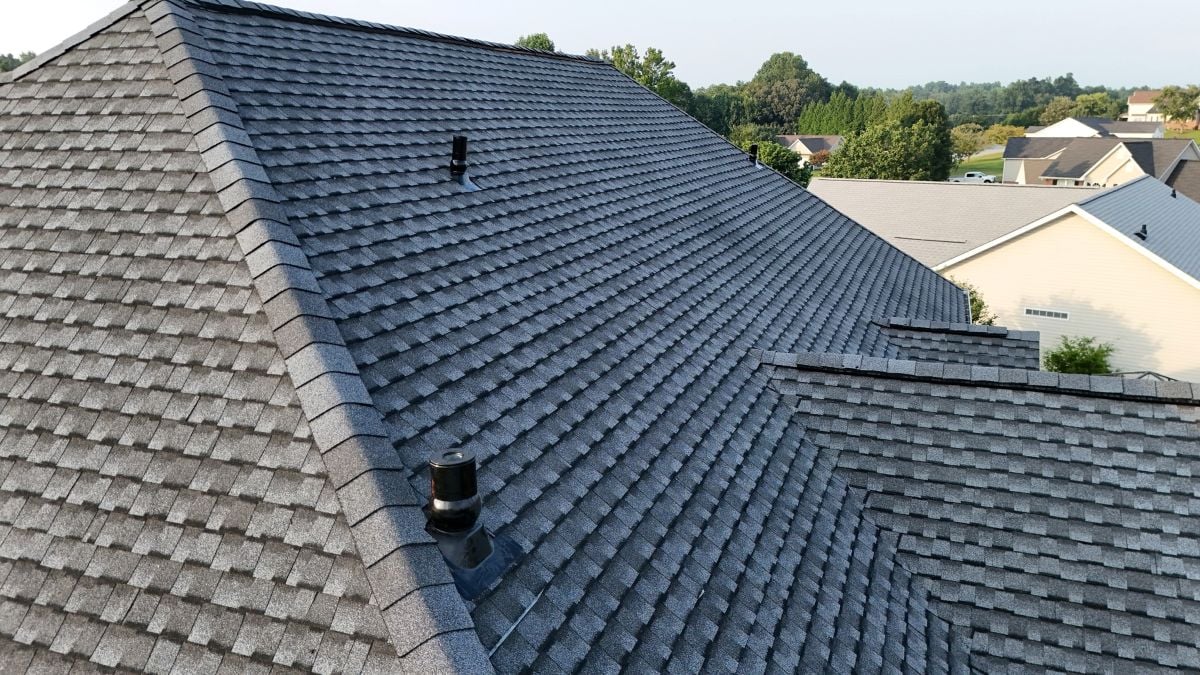
How Long Does an Asphalt Roof Last? 8 Factors Affecting Longevity
05.14.2026
8 Min Read
Your roof is one of the most important investments in your home, and understanding how long does an asphalt roof last can help you plan ahead and avoid unexpected expenses. Asphalt shingles are one of the most popular roofing materials due to their affordability and reliability. Homeowners exploring options like choosing a roofing system built for long-term performance often want to know how long they can expect their roof to last and what impacts that lifespan.
In this guide, you will learn:
- The average lifespan of asphalt roofs
- Key factors that affect durability
- Signs your roof may be nearing the end of its life
- How to extend your roof’s lifespan
- When to repair or replace your roof
An asphalt roof typically lasts between 20 and 30 years, though high-quality architectural shingles can last closer to 30 to 40 years with proper installation and maintenance.
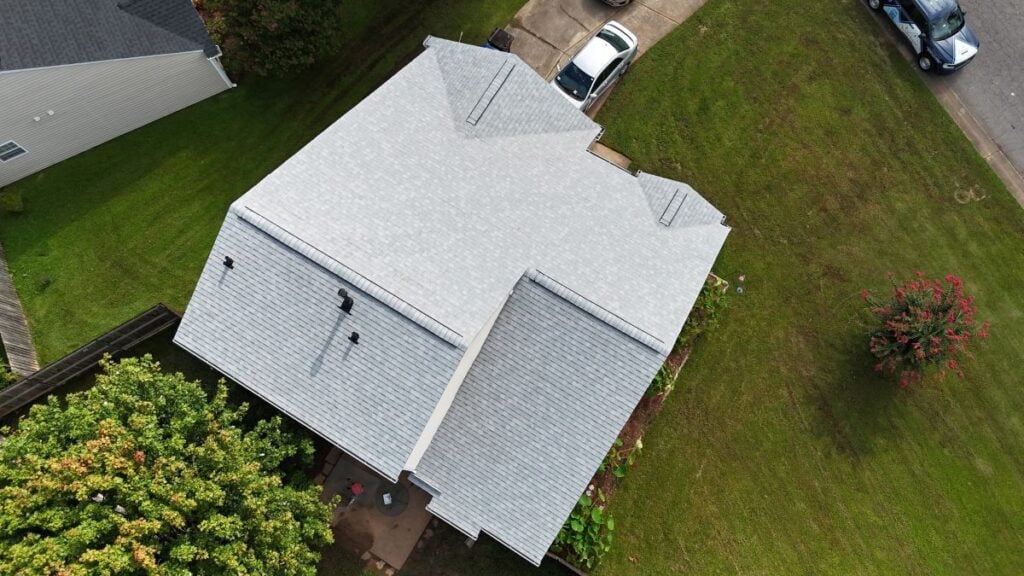
Why Understanding Asphalt Roof Lifespan Matters
Knowing how long your asphalt roof will last helps you make smarter decisions about maintenance, budgeting, and future replacements. It also allows you to catch problems early before they lead to costly damage.
For homeowners in Raleigh and surrounding areas, where weather conditions can include heat, humidity, and storms, understanding roof longevity is especially important for protecting your home.
Here are the key benefits of understanding your roof’s lifespan:
- Financial Planning: Helps you prepare for future replacement costs instead of facing unexpected expenses.
- Preventative Maintenance: Encourages regular inspections and early repairs to avoid major damage.
- Home Protection: Reduces the risk of leaks and structural issues by keeping your roof in good condition.
- Energy Efficiency Awareness: Older roofs may lose efficiency, increasing energy bills.
- Peace of Mind: Knowing your roof’s condition helps you feel confident during severe weather.
Taking a proactive approach can save you time, money, and stress over the long term.
8 Factors That Affect How Long an Asphalt Roof Lasts
Several factors determine the lifespan of your asphalt roof. Even high-quality materials can fail early if these elements are not properly managed.
1. Type of Asphalt Shingles
Not all asphalt shingles are the same.
- Three-tab shingles typically last 20 to 25 years
- Architectural shingles can last 30 years or more
- Premium shingles may offer extended durability
Choosing higher-quality materials can significantly increase lifespan.
2. Installation Quality
Proper installation is critical to roof performance.
- Correct shingle alignment
- Secure fastening and sealing
- Proper flashing installation
Poor installation can shorten a roof’s lifespan by years.
3. Climate and Weather Conditions
Weather plays a major role in roof durability.
- Heat and UV exposure can break down shingles
- Heavy rain can wear down protective layers
- Strong winds can loosen or damage shingles
In Raleigh and surrounding areas, seasonal weather patterns can accelerate wear if the roof is not properly maintained.
4. Roof Ventilation
Proper ventilation helps regulate temperature and moisture.
- Prevents heat buildup in the attic
- Reduces moisture that can cause mold
- Extends shingle lifespan
Poor ventilation is one of the most common causes of early roof failure.
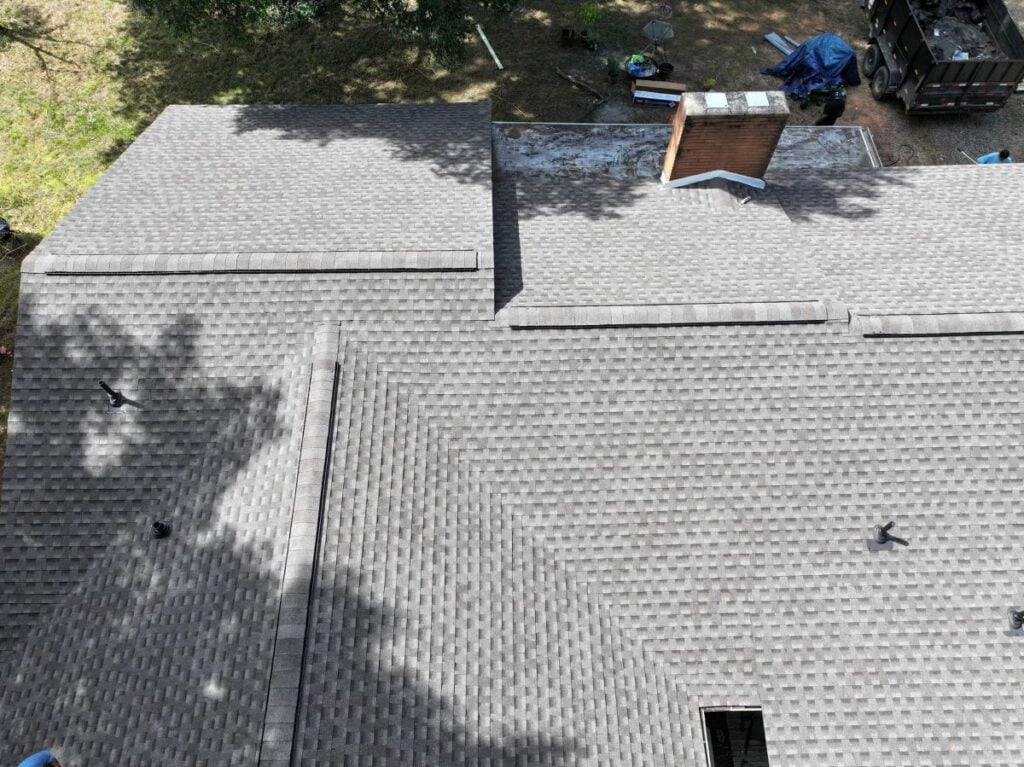
5. Maintenance and Inspections
Regular maintenance is essential for longevity.
- Annual inspections help identify issues early
- Prompt repairs prevent further damage
- Cleaning debris improves performance
Neglecting maintenance can significantly shorten lifespan.
6. Roof Slope and Design
The structure of your roof affects how well it performs.
- Steeper roofs shed water more effectively
- Complex designs may have more vulnerable areas
- Proper drainage reduces wear
Design plays a key role in durability.
7. Underlayment and Roofing Components
Your roof is more than just shingles.
- Underlayment provides moisture protection
- Flashing prevents leaks around penetrations
- Decking supports the entire system
High-quality components contribute to a longer-lasting roof.
8. Sun Exposure and Shade
Sunlight affects how quickly shingles age.
- Constant UV exposure can cause cracking
- Shaded areas may retain moisture
- Balanced exposure helps maintain performance
Understanding these factors helps you better manage your roof’s condition.
Average Lifespan of Asphalt Roofs by Type
Different types of asphalt shingles offer varying levels of durability. Knowing the differences helps you choose the right option for your home.
Three-Tab Shingles
3-tab asphalt shingles typically last about 15 to 20 years when properly installed and maintained, making them the most basic and affordable option for roofing materials.
- Lifespan: 20 to 25 years
- Lower cost option
- Suitable for budget-conscious homeowners
Architectural Shingles
Architectural shingles, also known as dimensional shingles, are thicker and made with multiple layers of asphalt, providing better durability and a lifespan of 20 to 30 years under typical conditions.
- Lifespan: 25 to 35 years
- Thicker and more durable
- Better resistance to weather
Premium Asphalt Shingles
Luxury shingles are designed to replicate the appearance of natural materials and can last between 30 to 50 years, offering enhanced durability and weather resistance compared to standard shingles.
- Lifespan: 30 to 40 years
- Enhanced durability and appearance
- Higher upfront cost but longer performance
Choosing the right type depends on your budget and long-term goals.
Signs Your Asphalt Roof Is Nearing the End of Its Life
Recognizing warning signs early can help you avoid costly damage.
Exterior Warning Signs
- Curling or buckling shingles
- Missing or damaged shingles
- Granule loss visible in gutters
These signs indicate wear and potential failure.
Interior Warning Signs
- Water stains on ceilings or walls
- Mold or mildew in the attic
- Increased humidity indoors
Interior issues often signal roof problems.
Age of the Roof
If your roof is approaching its expected lifespan, it may be time to consider replacement.
- Older roofs are more prone to leaks
- Repairs become less effective over time
- Replacement may provide better long-term value
Regular inspections help confirm your roof’s condition.
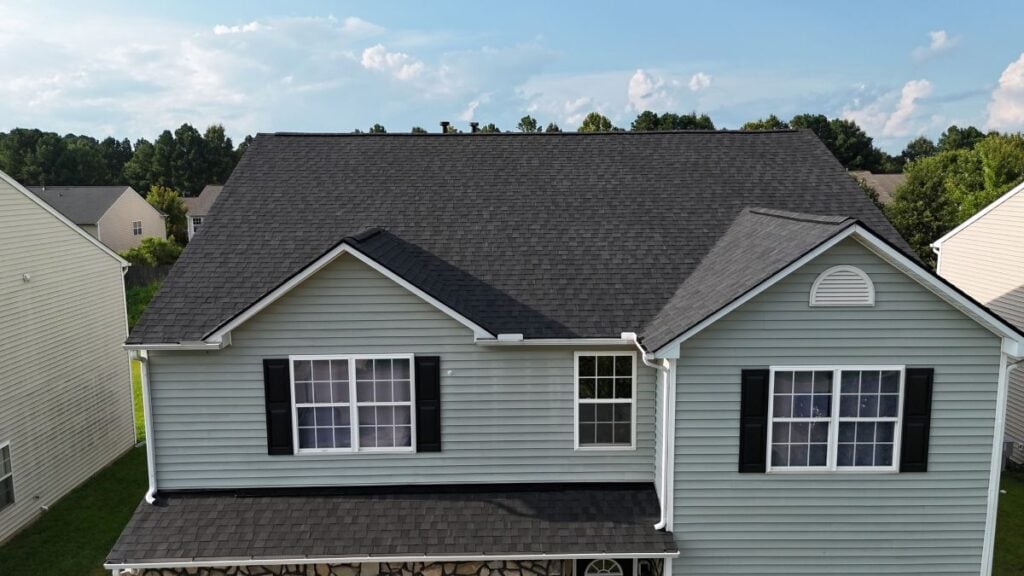
How to Extend the Life of Your Asphalt Roof
Proper care can add years to your roof’s lifespan and improve performance.
Schedule Regular Inspections
- Inspect your roof at least once a year
- Check after storms or severe weather
- Look for early signs of damage
Routine inspections help catch problems early.
Keep Your Roof Clean
- Remove debris like leaves and branches
- Clean gutters regularly
- Prevent water buildup
A clean roof performs better and lasts longer.
Address Repairs Quickly
- Fix minor damage before it worsens
- Replace damaged shingles promptly
- Seal leaks as soon as they appear
Timely repairs protect the entire system.
Ensure Proper Ventilation
- Maintain airflow in the attic
- Prevent heat and moisture buildup
- Improve overall roof performance
Ventilation plays a major role in longevity.
Repair vs Replacement: What Homeowners Should Know
Knowing when to repair or replace your roof can save you money and prevent damage.
When Repairs Are Enough
- Minor damage in isolated areas
- Roof is relatively new
- No widespread issues
Repairs can extend the life of a newer roof.
When Replacement Is Necessary
- Roof is near the end of its lifespan
- Multiple leaks or widespread damage
- Frequent repairs becoming costly
Replacement provides better long-term value in these cases.
Quick Comparison
| Situation | Repair | Replacement |
| Minor damage | Yes | No |
| Aging roof | Temporary fix | Recommended |
| Multiple issues | Limited benefit | Best option |
Making the right decision depends on your roof’s condition and age.
Frequently Asked Questions About Asphalt Roof Lifespan
Understanding asphalt roof longevity can help homeowners make informed decisions about maintenance and replacement. These common questions address the most important concerns.
How long does an asphalt roof last on average?
Most asphalt roofs last between 20 and 30 years. Higher-quality architectural shingles can last up to 40 years with proper installation and maintenance.
Can an asphalt roof last 30 years or more?
Yes, many asphalt roofs can last 30 years or longer if they are made from high-quality materials and properly maintained. Regular inspections and repairs help extend lifespan.
What shortens the lifespan of an asphalt roof?
Factors like poor installation, lack of maintenance, and harsh weather conditions can shorten roof lifespan. Poor ventilation and moisture buildup also contribute to early failure.
How do I know when to replace my asphalt roof?
Signs include curling shingles, leaks, granule loss, and age nearing its expected lifespan. If repairs are frequent, replacement may be the best option.
Does maintenance really extend roof life?
Yes, regular maintenance can significantly extend roof life. Cleaning, inspections, and timely repairs prevent small issues from becoming major problems.
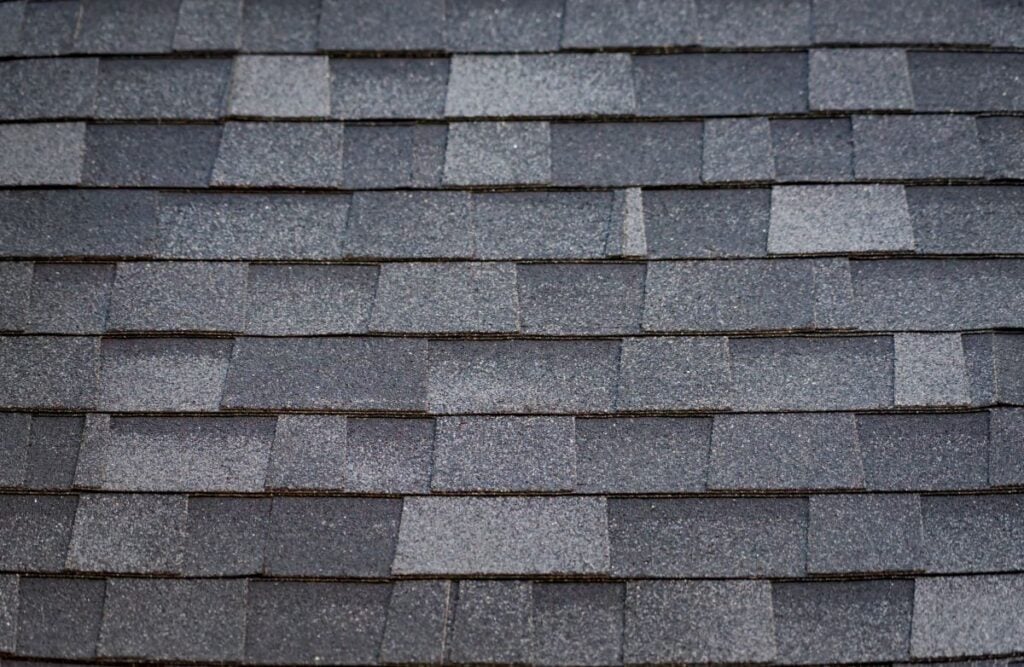
Plan Ahead for a Long-Lasting Roof
Understanding how long an asphalt roof lasts helps you protect your home and plan for the future. With proper materials, installation, and maintenance, your roof can provide reliable protection for decades.
For homeowners in Raleigh and surrounding areas, working with a trusted roofing professional ensures your roof is built to last. Barkley-Jensen Roofing delivers quality craftsmanship and dependable service for every project.
If you are unsure about your roof’s condition or planning for replacement, contact us today to speak with Barkley-Jensen Roofing and get expert guidance tailored to your home.
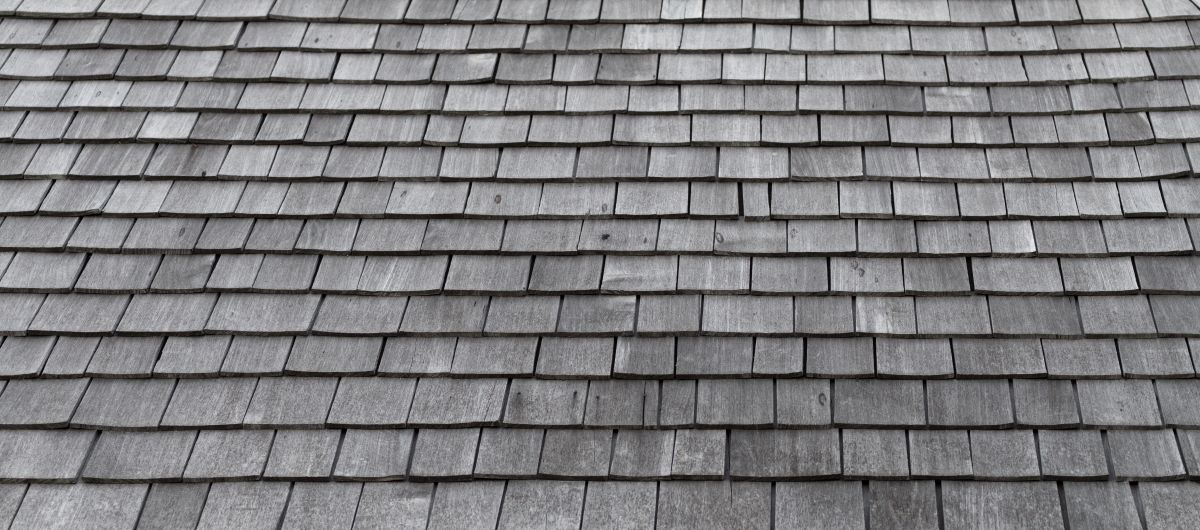
Weathered Wood Shingles: Durability, Lifespan, & Maintenance Factors
05.12.2026
7 Min Read
Choosing the right roofing material affects not only how your home looks but how well it stands up to time and weather. weathered wood shingles are a popular choice for homeowners who want a natural, aged appearance without sacrificing performance. Many homeowners researching options like selecting a roofing system that balances style and durability quickly discover that wood shingles offer both character and long-term value when properly maintained.
In this guide, you will learn:
- What makes weathered wood shingles unique
- How long they typically last
- Key factors that affect durability
- Maintenance tips to extend lifespan
- How they compare to other roofing materials
Weathered wood shingles can last 20 to 40 years depending on material quality, climate, and maintenance. Their durability depends heavily on proper installation and ongoing care.
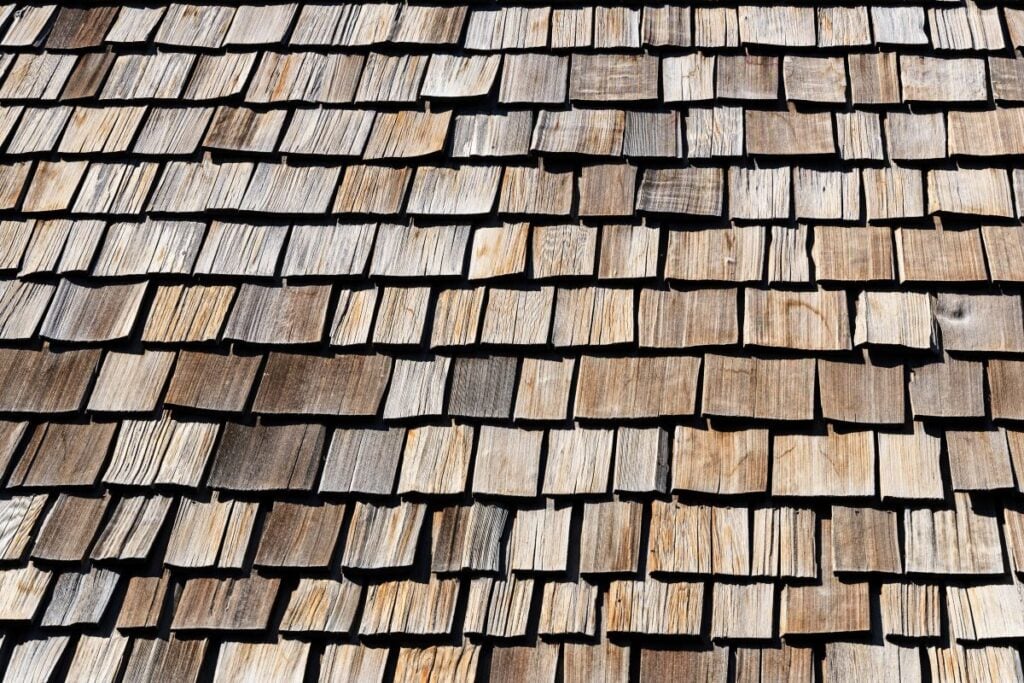
Why Weathered Wood Shingles Are a Popular Roofing Choice
Weathered wood shingles are known for their natural appearance and ability to blend seamlessly with a variety of home styles. Over time, they develop a distinctive aged look that many homeowners find appealing.
For homeowners in Cary and surrounding areas, where curb appeal and long-term performance both matter, this roofing option offers a balance of beauty and functionality.
Here are the key benefits that make weathered wood shingles worth considering:
- Natural Aesthetic Appeal: Wood shingles provide a timeless, rustic look that enhances curb appeal and complements many architectural styles.
- Durable Performance: When properly maintained, they can withstand years of exposure to weather conditions.
- Energy Efficiency: Wood offers natural insulation, helping regulate indoor temperatures.
- Custom Aging Appearance: Weathering creates a unique look that evolves over time.
- Sustainable Material Option: Many wood shingles are sourced from renewable materials.
Understanding these benefits helps explain why they remain a popular choice among homeowners.
6 Factors That Affect the Durability of Weathered Wood Shingles
The lifespan and performance of weathered wood shingles depend on several important factors. Each plays a role in how well your roof holds up over time.
1. Wood Type and Quality
The type of wood used significantly impacts durability.
- Cedar is the most common and durable option
- Higher-grade wood resists warping and splitting
- Premium materials last longer and perform better
Choosing quality materials is the foundation of a long-lasting roof.
2. Installation Quality
Proper installation is critical for performance.
- Correct spacing allows for expansion and contraction
- Secure fastening prevents movement
- Proper layering protects against moisture
Even high-quality shingles can fail if installed incorrectly.
3. Climate and Weather Exposure
Weather conditions play a major role in how shingles age.
- Rain and humidity can increase moisture exposure
- Sunlight can cause drying and cracking
- Wind can loosen or damage shingles
In Cary and surrounding areas, seasonal weather changes can impact longevity.
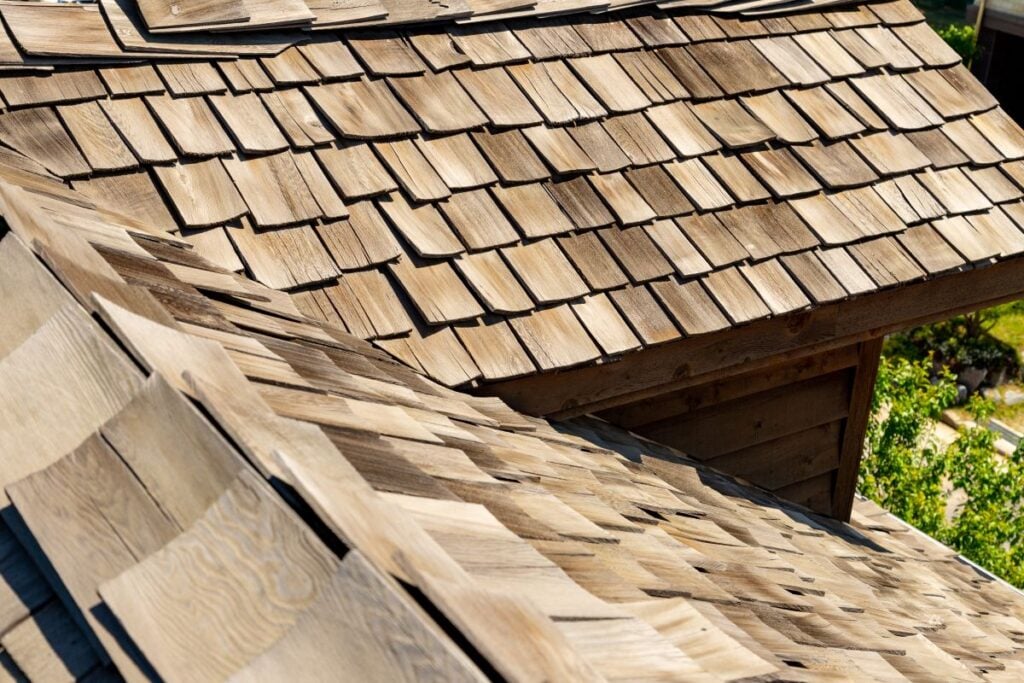
4. Ventilation and Airflow
Proper roof ventilation helps maintain shingle integrity.
- Reduces moisture buildup
- Prevents overheating
- Extends the life of the wood
Poor ventilation can lead to premature deterioration.
5. Maintenance Practices
Regular upkeep is essential for wood shingles.
- Cleaning debris from the roof
- Treating wood to resist moisture and pests
- Inspecting for damage regularly
Consistent maintenance can significantly extend lifespan.
6. Exposure to Moss and Algae
Organic growth can damage wood over time.
- Moss traps moisture against the surface
- Algae can cause discoloration
- Growth can accelerate decay
Keeping shingles clean helps prevent these issues.
How Long Do Weathered Wood Shingles Last?
The lifespan of weathered wood shingles varies based on multiple factors, but most homeowners can expect a range between 20 and 40 years.
Average Lifespan Breakdown
- Basic wood shingles: 20 to 25 years
- High-quality cedar shingles: 30 to 40 years
- Well-maintained systems: Potentially longer
Regular maintenance and proper installation can push lifespan toward the higher end of this range.
What Shortens Lifespan
- Lack of maintenance
- Poor ventilation
- Constant moisture exposure
- Improper installation
Avoiding these issues helps maximize durability.
Signs Your Shingles Are Aging
- Splitting or cracking wood
- Curling or warping edges
- Dark spots or discoloration
These signs indicate it may be time for repairs or replacement.
Maintenance Tips to Extend the Life of Weathered Wood Shingles
Proper maintenance is essential for keeping your roof in good condition. Without it, wood shingles can deteriorate much faster.
Routine Cleaning
Keeping your roof clean prevents damage.
- Remove leaves and debris regularly
- Clear gutters to ensure proper drainage
- Prevent buildup that traps moisture
A clean roof performs better over time.
Regular Inspections
Checking your roof helps catch issues early.
- Inspect for cracked or missing shingles
- Look for signs of moss or algae growth
- Monitor areas around flashing and vents
Early detection reduces repair costs.
Apply Protective Treatments
Wood shingles benefit from protective coatings.
- Water-repellent treatments
- UV protection products
- Anti-fungal and anti-moss solutions
These treatments help extend lifespan.
Address Repairs Quickly
Small issues can quickly become major problems.
- Replace damaged shingles promptly
- Fix leaks before they spread
- Secure loose materials
Timely repairs protect the entire roofing system.
Weathered Wood Shingles vs Other Roofing Materials
Comparing wood shingles to other materials helps homeowners make informed decisions.
Material Comparison Table
| Feature | Weathered Wood Shingles | Asphalt Shingles | Metal Roofing |
| Lifespan | 20 to 40 years | 20 to 30 years | 40 to 70 years |
| Appearance | Natural and rustic | Uniform and simple | Modern and sleek |
| Maintenance | Moderate to high | Low to moderate | Low |
| Cost | Moderate to high | Lower | Higher |
Pros and Cons Breakdown
Weathered Wood Shingle Pros:
- Unique, natural appearance
- Good insulation properties
- Long lifespan with proper care
Weathered Wood Shingle Cons:
- Requires regular maintenance
- Susceptible to moisture and pests
- Higher upkeep compared to other materials
This comparison helps highlight where wood shingles excel and where they require more attention.
When Weathered Wood Shingles Are the Right Choice
Not every home is suited for wood shingles, but they can be an excellent option in the right circumstances.
Ideal Situations
- Homes prioritizing aesthetic appeal
- Moderate climates with manageable moisture levels
- Homeowners committed to regular maintenance
These conditions allow wood shingles to perform at their best.
When to Consider Alternatives
- Areas with extreme humidity or frequent storms
- Homeowners seeking low-maintenance solutions
- Budgets that require lower upfront costs
Understanding your priorities helps guide your decision.
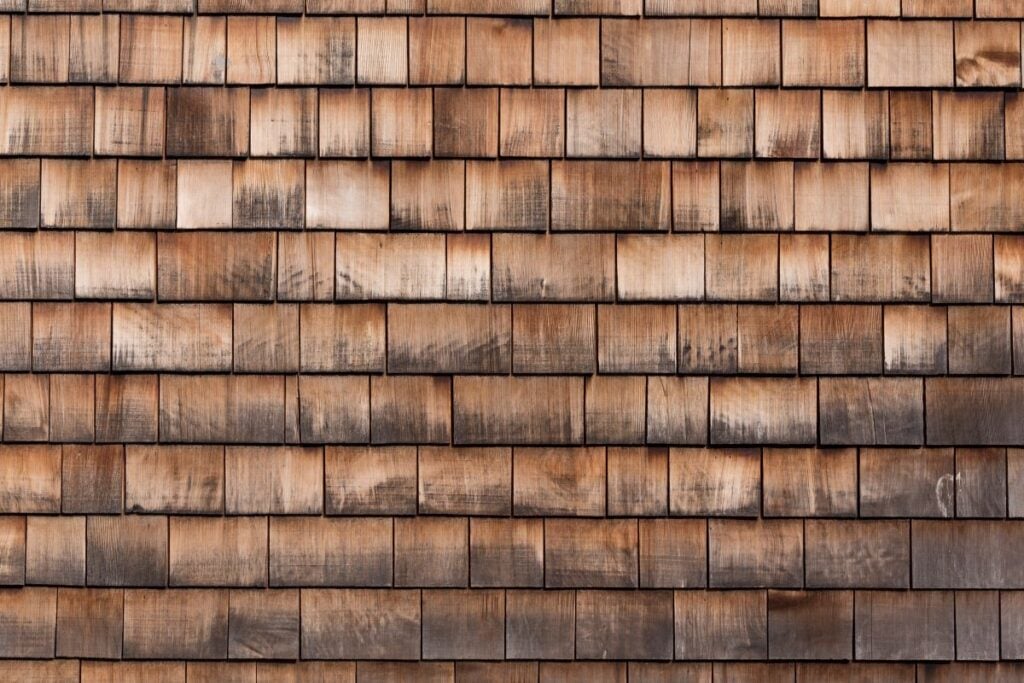
Frequently Asked Questions About Weathered Wood Shingles
Understanding how weathered wood shingles perform over time helps homeowners make confident decisions. These common questions address key concerns about durability, maintenance, and overall value.
How long do weathered wood shingles last?
Weathered wood shingles typically last between 20 and 40 years depending on the quality of the material, installation, and maintenance. Regular care and proper ventilation can extend their lifespan significantly.
Are weathered wood shingles durable?
Yes, they are durable when properly maintained. High-quality wood shingles can withstand years of weather exposure, but they require regular upkeep to prevent moisture damage and decay.
Do weathered wood shingles require a lot of maintenance?
They require more maintenance than materials like asphalt or metal. Routine cleaning, inspections, and protective treatments are necessary to keep them in good condition and extend their lifespan.
Are wood shingles good for all climates?
Wood shingles perform best in moderate climates. In areas with high humidity or heavy rainfall, they may require additional maintenance to prevent moisture-related issues.
Can weathered wood shingles improve home value?
Yes, their natural appearance can enhance curb appeal and increase home value. Many buyers appreciate the unique look and character they provide.
Protect Your Home with the Right Roofing Choice
Weathered wood shingles offer a unique blend of beauty and performance, but they require the right conditions and maintenance to reach their full potential. Understanding their durability, lifespan, and care requirements helps you make a confident decision for your home.
For homeowners in Cary and surrounding areas, choosing the right roofing material is key to long-term protection and value. Barkley-Jensen Roofing provides expert guidance and high-quality workmanship to help you get the most out of your investment.
If you are considering weathered wood shingles or want to explore your options, contact us today to speak with the team at Barkley-Jensen Roofing and find the best solution for your home.
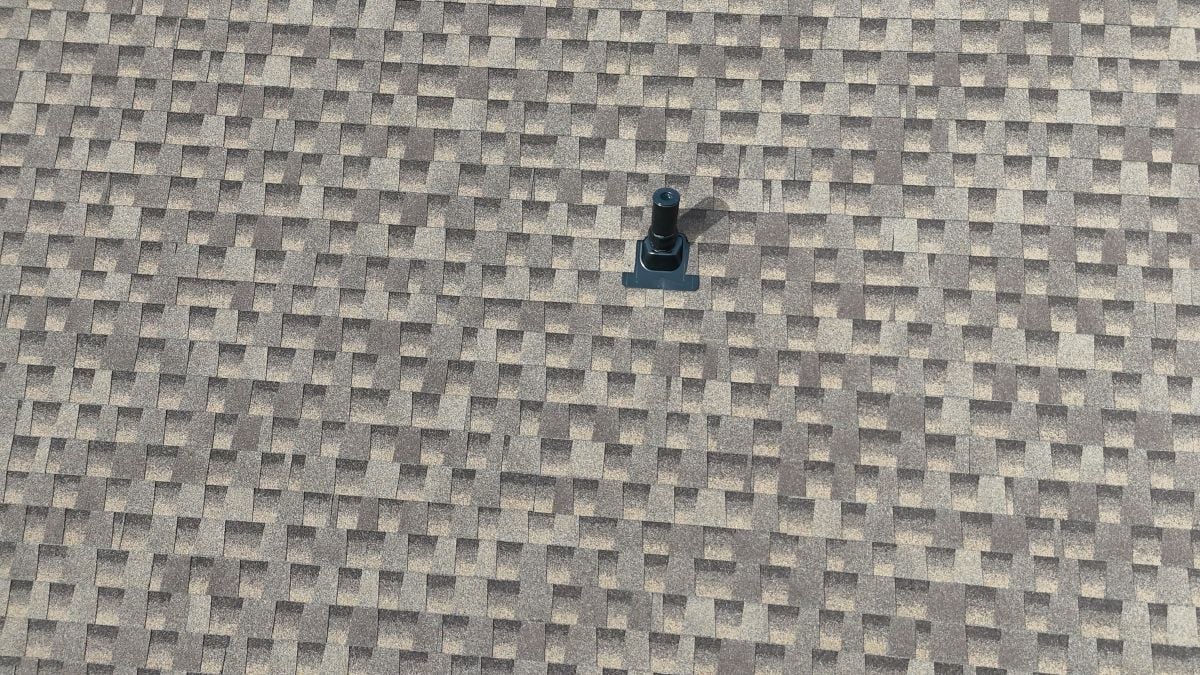
Roof Ventilation Types: 7 Signs Your Home Has the Wrong Type
05.07.2026
8 Min Read
Proper airflow in your attic plays a bigger role in your home’s health than most homeowners realize, and understanding roof ventilation types is key to preventing long-term damage. Poor ventilation can lead to moisture buildup, high energy bills, and premature roof failure. Many homeowners exploring options like improving overall roof performance and airflow quickly learn that ventilation is just as important as shingles or structure.
In this guide, you will learn:
- The most common roof ventilation types and how they work
- Warning signs your home may have the wrong system
- How ventilation affects energy efficiency and roof lifespan
- When to upgrade or replace your ventilation setup
- How to choose the right ventilation for your home
Proper roof ventilation helps regulate attic temperature and moisture levels, which directly impacts your roof’s lifespan and your home’s comfort. If your system is not balanced or uses the wrong ventilation type, it can lead to hidden damage that worsens over time.
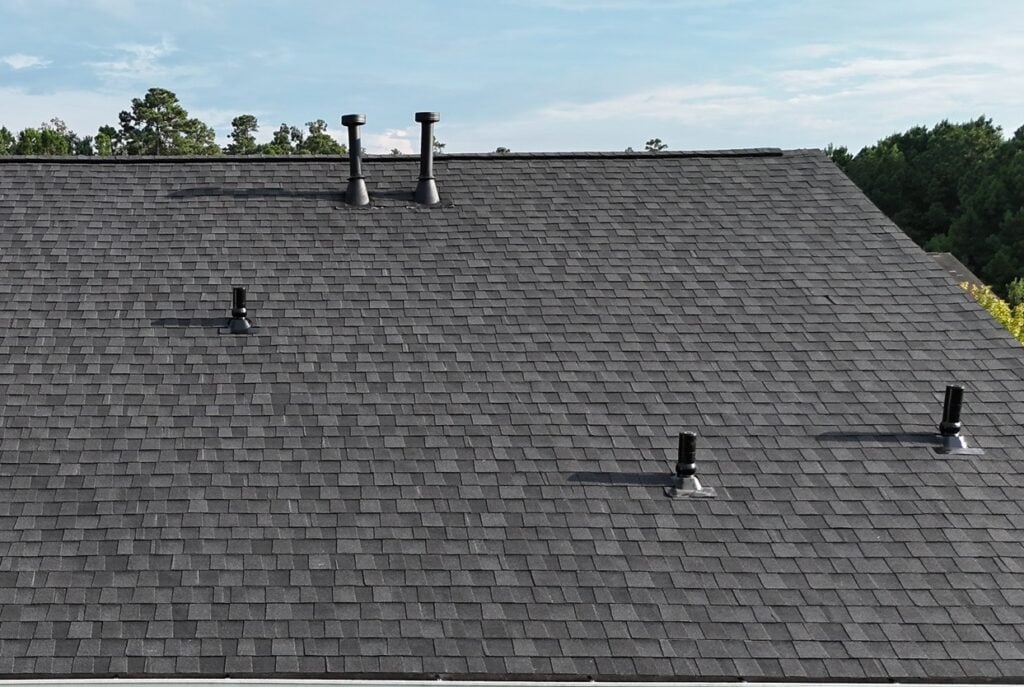
Why Roof Ventilation Types Matter for Your Home
Roof ventilation is essential for maintaining a healthy and efficient home environment. It allows fresh air to enter while pushing out heat and moisture, which prevents damage to your roofing system and attic structure.
For homeowners in Durham and surrounding areas, where humidity and seasonal weather changes are common, having the correct ventilation setup is critical to protecting your home year-round.
Here are the key benefits of proper roof ventilation:
- Moisture Control: Prevents condensation that can lead to mold, mildew, and wood rot.
- Temperature Balance: Reduces heat buildup in summer and helps regulate indoor comfort.
- Roof Longevity: Protects shingles and roofing materials from premature wear.
- Energy Savings: Improves efficiency and reduces strain on heating and cooling systems.
- Structural Protection: Helps preserve attic insulation and roof decking over time.
Understanding these benefits helps explain why ventilation should never be overlooked.
7 Signs Your Home Has the Wrong Roof Ventilation Type
Even if your roof looks fine from the outside, poor ventilation can cause serious problems behind the scenes. These are the most common warning signs homeowners miss.
1. Excessive Heat in the Attic
If your attic feels extremely hot, especially in summer, your ventilation system may not be working properly.
- Heat becomes trapped instead of escaping
- Shingles may deteriorate faster
- Indoor temperatures may rise
This often points to inadequate exhaust ventilation.
2. Moisture or Condensation Buildup
Moisture in the attic is one of the clearest signs of poor ventilation.
- Condensation on rafters or insulation
- Damp air or musty odors
- Mold or mildew growth
Improper airflow prevents moisture from escaping.
3. Ice Dams During Winter
Ice dams form when heat escapes unevenly through the roof.
- Snow melts and refreezes at the edges
- Water backs up under shingles
- Interior leaks may occur
This is often caused by poor ventilation combined with insulation issues.
4. Uneven Roof Temperatures
A well-ventilated roof should maintain consistent temperatures.
- Hot spots across the roof surface
- Uneven snow melt patterns
- Accelerated wear in certain areas
These signs indicate uneven airflow.
5. High Energy Bills
Poor ventilation can make your HVAC system work harder.
- Increased cooling costs in summer
- Reduced insulation efficiency
- Higher overall energy usage
Improving ventilation often leads to noticeable savings.
6. Premature Shingle Damage
Heat and moisture can shorten the life of roofing materials.
- Curling or cracking shingles
- Granule loss
- Fading or warping
This damage is often preventable with proper ventilation.
7. Mold or Rot in the Attic
Long-term moisture buildup can damage structural components.
- Soft or weakened wood
- Visible mold growth
- Lingering damp conditions
This is one of the most serious consequences of incorrect ventilation.
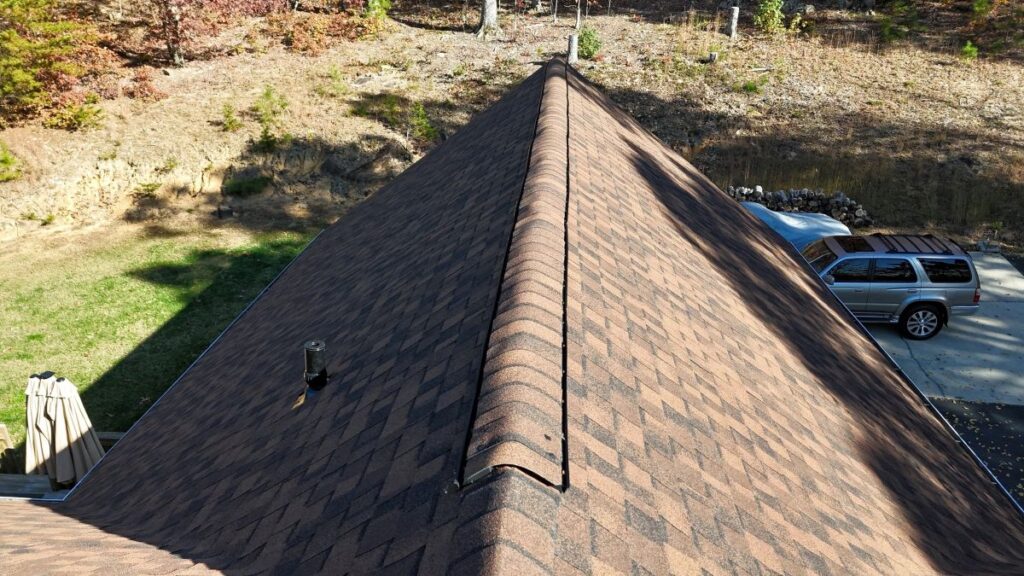
Common Roof Ventilation Types Explained
Understanding the different roof ventilation types helps you identify what your home has and whether it is effective. Each type plays a specific role in managing airflow.
Ridge Vents
Installed along the peak of the roof, ridge vents allow hot air to escape naturally.
- Continuous airflow across the roofline
- Low visibility from the ground
- Works best with soffit vents
This is one of the most efficient and widely used systems.
Soffit Vents
Located under the eaves, soffit vents bring fresh air into the attic.
- Essential for intake airflow
- Helps balance the ventilation system
- Prevents moisture buildup
They are a key component of proper ventilation design. Soffit vents are the most common residential intake, installed in the underside of roof eaves.
Box Vents
Also known as static vents, these are placed on the roof surface.
- Simple and affordable option
- No moving parts
- Requires proper placement
They are often used on smaller or simpler roofs.
Turbine Vents
Wind-powered vents that spin to pull air out of the attic.
- Effective in windy conditions
- Helps remove heat and moisture
- Requires occasional maintenance
Their performance depends on wind availability.
Power Vents
These vents use electricity or solar power to move air.
- Strong and consistent airflow
- Useful in extreme climates
- Higher installation cost
They are often used when passive systems are not enough.
Gable Vents
Installed on the sides of the home near the roof peak.
- Allows cross ventilation
- Common in older homes
- Less effective without additional vents
They are typically part of a larger system.
How to Choose the Right Roof Ventilation Setup
Choosing the right system involves more than picking a vent type. It requires balancing airflow and understanding your home’s needs.
Balance Intake and Exhaust
Proper ventilation depends on equal airflow entering and exiting.
- Intake vents bring in fresh air
- Exhaust vents remove hot, moist air
- Balanced systems improve efficiency
Without balance, ventilation will not function correctly.
Consider Climate Conditions
Your local climate plays a major role in ventilation needs.
- Humid climates require strong moisture control
- Hot climates need efficient heat removal
- Seasonal changes affect airflow demands
For homes in Durham and surrounding areas, both heat and humidity must be managed.
Evaluate Roof Design
Roof structure impacts ventilation effectiveness.
- Roof pitch influences airflow movement
- Complex designs may need multiple vent types
- Existing features may limit options
A professional evaluation helps determine the best approach.
Think About Maintenance
Different systems require different levels of upkeep.
- Passive vents require minimal maintenance
- Mechanical systems need regular checks
- Accessibility affects long-term care
Choosing the right system can reduce future effort.
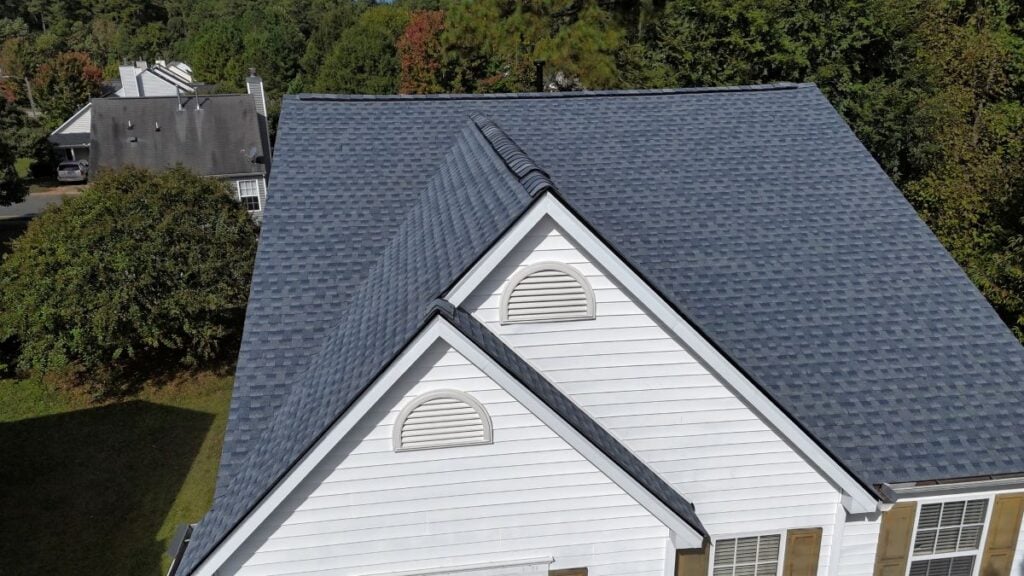
Comparing Roof Ventilation Types
Understanding the differences between systems helps you make a confident decision. Each type offers unique advantages depending on your home’s needs.
Ventilation Comparison Table
| Vent Type | Airflow Efficiency | Maintenance | Cost | Best Use |
| Ridge Vent | High | Low | Moderate | Most homes |
| Soffit Vent | Essential intake | Low | Low | Balanced systems |
| Box Vent | Moderate | Low | Low | Simple roofs |
| Turbine Vent | Variable | Moderate | Low | Windy areas |
| Power Vent | High | Higher | Higher | Extreme conditions |
Pros and Cons Overview
Passive Ventilation Pros:
- Low maintenance
- No energy usage
- Reliable long-term performance
Passive Ventilation Cons:
- Dependent on natural airflow
- May be less effective in certain conditions
Mechanical Ventilation Pros:
- Strong airflow control
- Works in challenging environments
Mechanical Ventilation Cons:
- Higher cost
- Requires maintenance
This comparison helps clarify which system may be right for your home.
Frequently Asked Questions About Roof Ventilation Types
Understanding roof ventilation can feel overwhelming, especially with so many different systems available. These common questions help clarify how ventilation works and what homeowners should know.
What are the most common roof ventilation types?
The most common roof ventilation types include ridge vents, soffit vents, box vents, turbine vents, and power vents. Each type serves a specific role in controlling airflow and maintaining attic conditions. A balanced system usually combines intake and exhaust vents for the best results.
How do I know if my roof ventilation is wrong?
Signs of poor ventilation include excessive attic heat, moisture buildup, high energy bills, and visible damage like mold or warped shingles. These issues indicate that airflow is not properly balanced and may require adjustments or upgrades.
Can poor ventilation damage my roof?
Yes, poor ventilation can lead to serious damage over time. Moisture buildup can cause mold and wood rot, while trapped heat can weaken shingles. Together, these problems can significantly shorten the lifespan of your roof.
What is the best roof ventilation system?
The best system is one that provides balanced intake and exhaust airflow. Ridge vents paired with soffit vents are often considered the most effective solution for many homes. The ideal setup depends on your roof design and climate.
How often should roof ventilation be inspected?
Roof ventilation should be inspected at least once a year and after major weather events. Regular inspections help ensure proper airflow and allow you to catch issues early before they become costly repairs.
Improve Your Home with the Right Roof Ventilation
Choosing the right roof ventilation types is essential for protecting your home, improving energy efficiency, and extending the life of your roof. The wrong system can create hidden problems that lead to expensive repairs over time.
For homeowners in Durham and surrounding areas, having a properly balanced ventilation system is key to maintaining a durable and efficient home. Barkley-Jensen Roofing provides expert guidance and reliable solutions tailored to your specific needs.
If you are unsure whether your roof ventilation is working correctly, contact us today to schedule an inspection with Barkley-Jensen Roofing and get the answers you need.
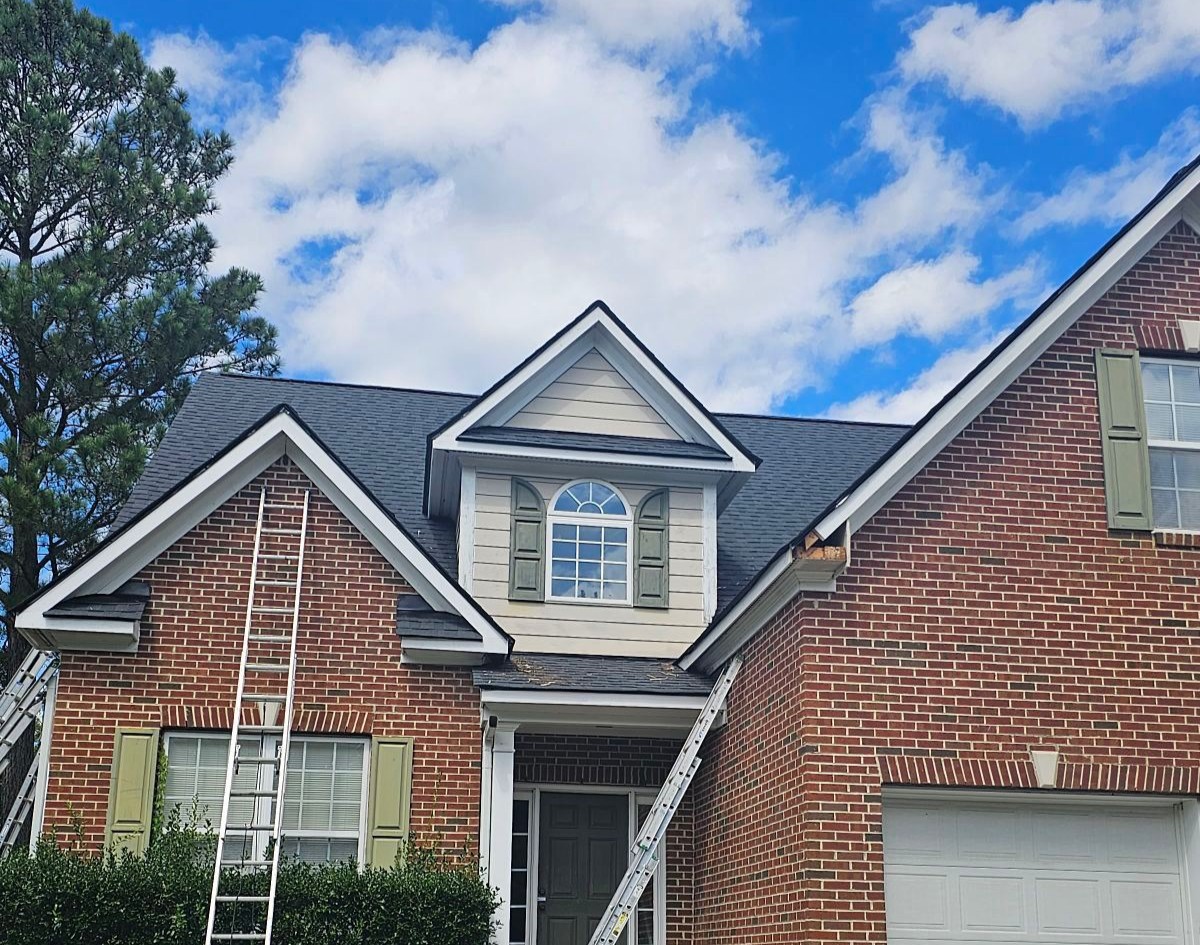
Roof Inspection Red Flags: 9 Problem Areas Homeowners Often Miss
05.05.2026
7 Min Read
Your roof works hard every day to protect your home, but small issues can go unnoticed until they turn into costly damage. A thorough roof inspection helps catch these problems early and keeps your home safe. Many homeowners who take time to ensure their roof is properly maintained and performing as it should are able to avoid major repairs and extend the life of their roofing system.
In this guide, you will learn:
- The most common roof inspection red flags
- Hidden problem areas homeowners often overlook
- What to check during a routine inspection
- When to call a professional for help
- How to prevent small issues from becoming expensive repairs
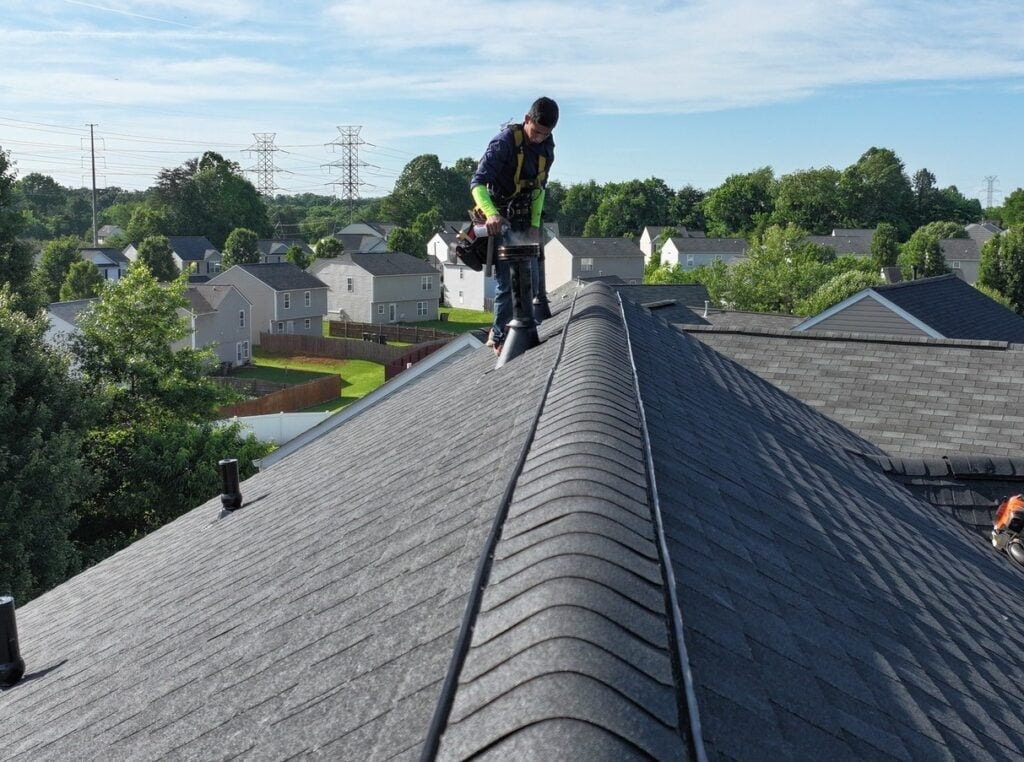
Why Roof Inspections Are More Important Than Most Homeowners Realize
A roof inspection is not just something you do after a storm. It is a proactive way to protect your home, avoid unexpected expenses, and ensure your roof continues to perform as it should.
For homeowners in Chapel Hill and surrounding areas, where weather conditions can include heavy rain, humidity, and seasonal storms, routine inspections play a critical role in preventing damage.
Here are the biggest benefits of regular roof inspections:
- Early Problem Detection: Identifying small issues like loose shingles or minor leaks before they become major repairs.
- Cost Savings: Addressing damage early is almost always less expensive than waiting until it worsens.
- Extended Roof Lifespan: Regular inspections and maintenance help your roof last longer.
- Improved Safety: Prevents structural issues that could compromise your home.
- Peace of Mind: Knowing your roof is in good condition reduces stress, especially during storm season.
Taking a proactive approach helps you stay ahead of potential issues.
9 Roof Inspection Red Flags You Should Never Ignore
Even if your roof looks fine from the ground, there are several warning signs that can indicate underlying problems. These are the areas homeowners most commonly miss during a roof inspection.
1. Missing or Damaged Shingles
Shingles are your roof’s first line of defense against the elements.
- Cracked, curling, or missing shingles
- Bald spots where granules have worn away
- Uneven or lifted edges
These issues can allow water to penetrate and cause further damage.
2. Granule Loss and Surface Wear
Asphalt shingles lose granules over time, but excessive loss is a red flag.
- Granules collecting in gutters
- Shiny or exposed areas on shingles
- Reduced protection from UV rays
This often indicates the roof is aging or deteriorating.
3. Flashing Failures Around Roof Features
Flashing seals vulnerable areas like chimneys, vents, and skylights.
- Rusted or corroded flashing
- Gaps or loose sections
- Improper installation
Flashing issues are one of the leading causes of roof leaks.
4. Sagging Roof Sections
A sagging roof is a serious structural concern.
- Uneven rooflines
- Visible dips or low spots
- Soft or spongy areas when walked on
This may indicate water damage or weakened roof decking.
5. Water Stains Inside the Home
Interior signs often reveal roofing problems before they are visible outside.
- Stains on ceilings or walls
- Peeling paint or bubbling drywall
- Mold or mildew growth
These signs suggest moisture is entering your home.
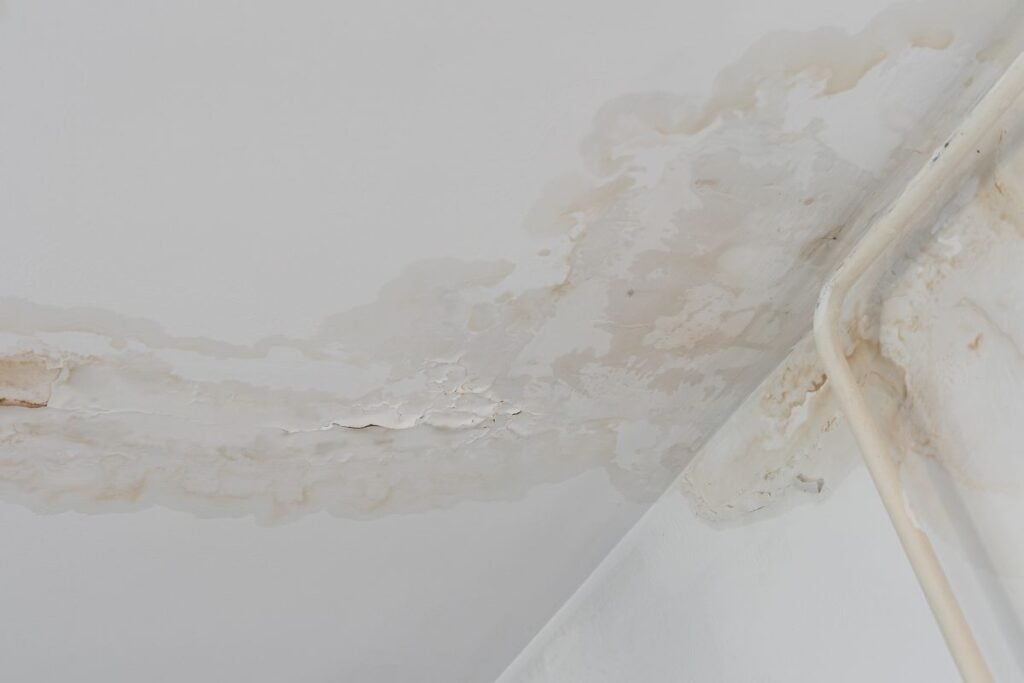
6. Clogged or Damaged Gutters
Gutters play a key role in directing water away from your roof.
- Overflowing gutters during rain
- Debris buildup blocking water flow
- Detached or sagging sections
Poor drainage can lead to roof and foundation damage.
7. Moss, Algae, or Mold Growth
Biological growth can trap moisture and damage roofing materials.
- Green or dark streaks on shingles
- Moss buildup in shaded areas
- Persistent damp spots
This can accelerate deterioration if not addressed.
8. Ventilation Problems in the Attic
Proper airflow is essential for roof health.
- Excess heat buildup
- Moisture or condensation
- Musty odors in the attic
Poor ventilation can shorten the lifespan of your roof.
9. Loose or Exposed Nails
Nails that are not properly secured can cause problems over time.
- Nails popping up through shingles
- Rusted or corroded fasteners
- Areas where shingles are lifting
These small issues can lead to leaks if ignored.
What Homeowners Should Look for During a Roof Inspection
Knowing what to check during a roof inspection can help you identify potential issues early. While some areas require professional evaluation, there are several things you can safely observe.
Exterior Visual Checks
From the ground, look for obvious signs of damage.
- Missing or damaged shingles
- Uneven rooflines
- Debris accumulation
Using binoculars can help you get a closer look without climbing onto the roof.
Interior Inspection Points
Your attic and ceilings can reveal hidden problems.
- Water stains or discoloration
- Signs of mold or mildew
- Daylight coming through the roof boards
These indicators often point to leaks or structural concerns.
After Severe Weather
Storms can cause sudden damage that requires immediate attention.
- Fallen branches on the roof
- Dislodged shingles
- Debris in gutters
For homeowners in Chapel Hill and surrounding areas, post-storm inspections are especially important due to seasonal weather patterns.
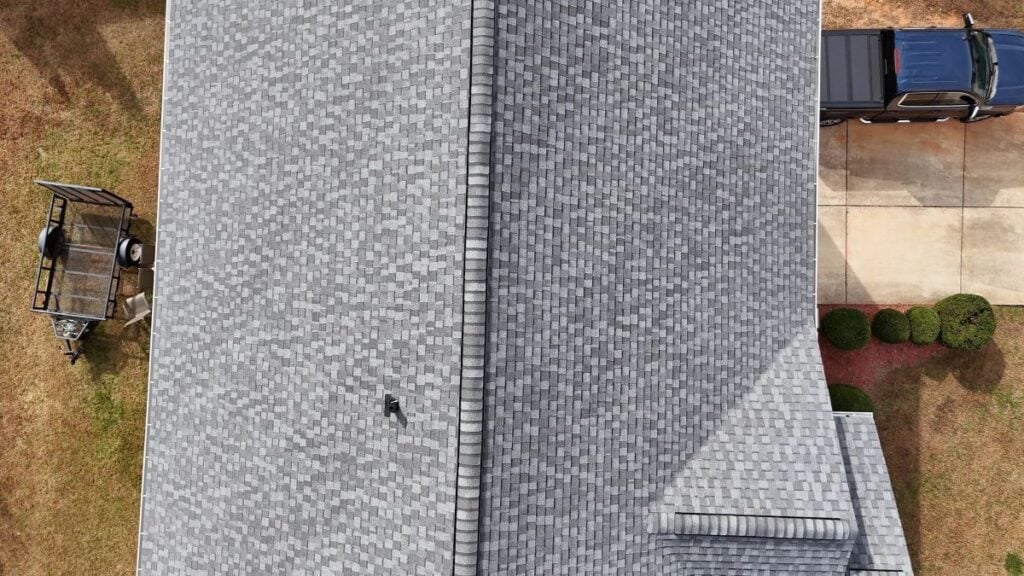
When to Call a Professional for a Roof Inspection
While homeowners can spot some issues, a professional roof inspection provides a more thorough evaluation.
Signs You Need Expert Help
- Persistent leaks or water damage
- Visible structural issues
- Aging roof nearing the end of its lifespan
Professionals have the tools and experience to identify problems that may not be visible to the untrained eye.
Benefits of Professional Inspections
- Detailed assessment of all roofing components
- Identification of hidden damage
- Recommendations for repairs or maintenance
A professional inspection ensures nothing is overlooked.
How Often Should You Schedule an Inspection?
- At least once per year
- After major storms
- Before buying or selling a home
Regular inspections help maintain your roof’s condition over time.
Preventing Roof Problems Before They Start
Prevention is the most effective way to protect your roof and avoid costly repairs.
Routine Maintenance Tips
- Clean gutters regularly
- Remove debris from the roof
- Trim overhanging branches
Simple maintenance steps can go a long way.
Address Issues Early
- Repair minor damage promptly
- Replace worn or damaged shingles
- Seal vulnerable areas
Early action prevents larger problems.
Invest in Quality Installation
A well-installed roof performs better and lasts longer.
- Proper flashing and sealing
- Correct ventilation setup
- High-quality materials
Choosing experienced professionals makes a difference.
Roof Inspection Checklist for Homeowners
Having a simple checklist can help you stay organized during inspections.
Quick Inspection Guide
- Check for missing or damaged shingles
- Look for signs of water damage inside
- Inspect gutters for debris or damage
- Examine flashing around roof features
- Monitor attic ventilation and moisture levels
Using this checklist regularly helps you stay proactive.
DIY vs Professional Inspection
| Aspect | DIY Inspection | Professional Inspection |
| Visibility | Limited | Comprehensive |
| Safety | Lower risk | Managed by experts |
| Accuracy | Basic | Detailed |
| Cost | Free | Paid service |
Both approaches are valuable, but professional inspections provide deeper insights.
Frequently Asked Questions About Roof Inspections
How often should I schedule a roof inspection?
It is recommended to schedule a roof inspection at least once a year and after major storms. Regular inspections help identify problems early and maintain the overall health of your roof.
What does a roof inspection include?
A roof inspection includes checking shingles, flashing, gutters, ventilation, and structural components. It also involves identifying signs of damage, wear, or potential leaks.
Can I perform my own roof inspection?
Yes, homeowners can perform basic visual inspections from the ground or inside the attic. However, a professional inspection is recommended for a thorough evaluation.
What are the most common roof problems found during inspections?
Common issues include damaged shingles, flashing failures, clogged gutters, and ventilation problems. These issues can lead to leaks and structural damage if not addressed.
How much does a professional roof inspection cost?
The cost of a roof inspection varies depending on location and roof size. While there is a cost involved, it is often much less than the expense of repairing major damage later.
Protect Your Home with a Thorough Roof Inspection
A roof inspection is one of the simplest and most effective ways to protect your home from costly damage. By identifying red flags early and addressing issues promptly, you can extend the life of your roof and avoid unexpected repairs.
For homeowners in Chapel Hill and surrounding areas, staying proactive with inspections is key to maintaining a strong and reliable roof. Barkley-Jensen Roofing provides expert evaluations and dependable service to help you keep your home protected.
If you want to ensure your roof is in top condition, contact us today to schedule a professional inspection with Barkley-Jensen Roofing.