




 Get Started
Barkley-Jensen Roofing & Restoration
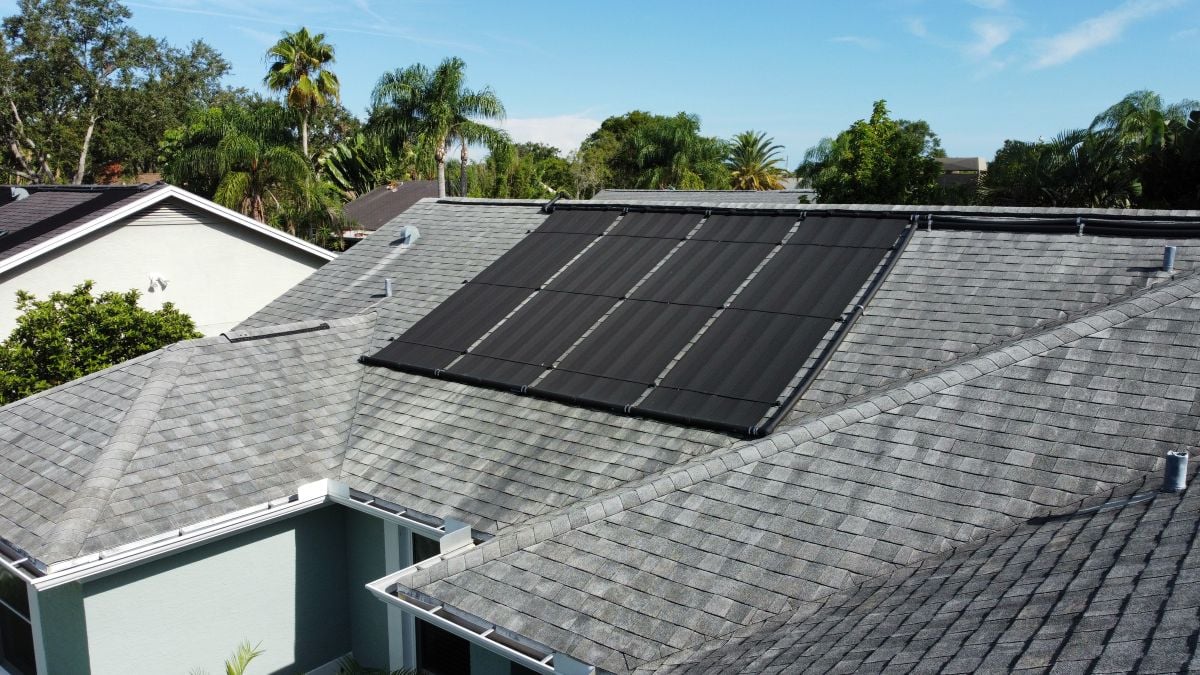
Solar Maintenance Services: How Often Do Solar Shingles Need Maintenance?
02.19.2026
7 Min Read
Solar shingles are a powerful way to protect your home while generating clean energy, but like any roofing system, they require proper care. Understanding solar maintenance services helps homeowners protect their investment and maintain peak energy performance. If you are exploring modern roofing solutions that combine durability and efficiency, you can learn more about integrated solar roofing options and how professional maintenance keeps them performing at their best.
In this guide, you will learn:
- How often solar shingles should be inspected and serviced
- What professional solar maintenance services typically include
- Signs your solar roof may need attention
- How regular maintenance protects both energy output and roof integrity
Why Solar Maintenance Services Are Essential for Long Term Performance
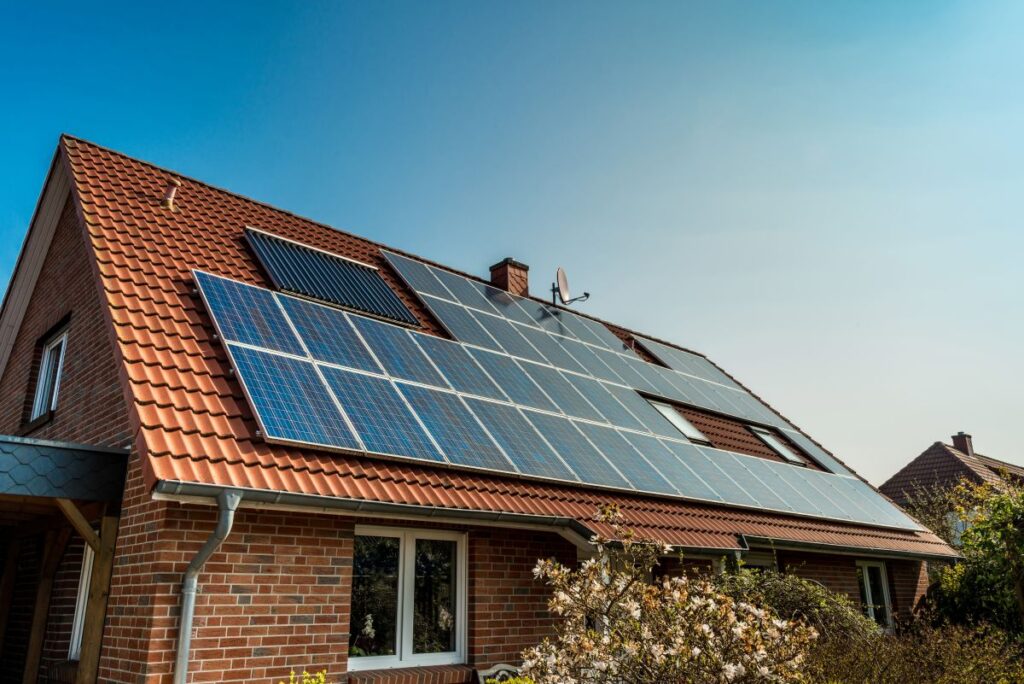
Solar shingles are designed to be durable and low maintenance, but they are still part of your roofing system. They face constant exposure to sun, rain, wind, debris, and temperature changes. Without proper care, performance can decline over time.
Homeowners in Charlotte and surrounding areas benefit from understanding how climate factors like humidity, summer heat, and seasonal storms affect solar roofing systems. Proactive solar maintenance services help ensure your roof continues to protect your home while producing reliable energy.
Here are several important benefits of regular solar maintenance:
- Optimized Energy Production: Clean, properly functioning shingles generate electricity more efficiently.
- Extended System Lifespan: Routine inspections help identify minor issues before they become costly problems.
- Roof Integrity Protection: Solar shingles must remain properly sealed to prevent water intrusion.
- Warranty Compliance: Many manufacturers require documented inspections and maintenance.
- Improved Safety: Professional evaluations ensure wiring and electrical components remain secure.
Solar shingles represent both a roofing and energy investment. Protecting both aspects is critical.
6 Things to Know About How Often Solar Shingles Need Maintenance
While solar shingles are built for durability, a consistent maintenance schedule is key to long term performance. Below are six guidelines professionals follow when recommending solar maintenance services.
1. Annual Professional Inspection
Most experts recommend scheduling a professional inspection at least once per year. This allows roofing and solar specialists to assess both the structural and electrical components of your system.
During an annual inspection, professionals typically:
- Examine shingles for cracks or surface wear
- Check flashing and sealants for water resistance
- Inspect wiring connections and inverter performance
- Confirm proper mounting and alignment
For homeowners in Charlotte and surrounding areas, annual inspections are particularly valuable after storm season.
2. Post Storm Evaluation
After significant weather events, a targeted inspection is recommended. High winds, hail, or falling debris can damage both roofing materials and solar components.
A post storm assessment may include:
- Checking for impact damage
- Ensuring shingles remain securely attached
- Verifying electrical connections remain intact
Even if no visible damage appears from the ground, hidden issues can affect performance.
3. Routine Cleaning Every 6 to 12 Months
Solar shingles require periodic cleaning to maintain efficiency. Dirt, pollen, leaves, and debris can accumulate on the surface, reducing sunlight absorption.
Cleaning frequency depends on:
- Tree coverage near your home
- Local pollen levels
- Dust or construction activity
Professional cleaning ensures surfaces are cleared safely without damaging shingles.
4. Electrical System Monitoring
Solar systems include inverters and monitoring software that track performance. Regular monitoring helps identify production drops that may indicate maintenance needs.
Homeowners should:
- Review system performance reports
- Watch for unexpected declines in output
- Report error codes promptly
Professional solar maintenance services often include performance diagnostics.
5. Seal and Flashing Inspection Every Few Years
Although shingles are designed to last decades, sealants and flashing may require periodic review.
Professionals check for:
- Cracked sealant around penetrations
- Loose flashing components
- Signs of water intrusion
Maintaining watertight seals protects both the roofing system and electrical infrastructure.
6. Comprehensive System Review Every 3 to 5 Years
In addition to annual inspections, a more detailed evaluation every few years ensures all components continue functioning properly.
This deeper review may involve:
- Electrical testing
- Fastener integrity checks
- Structural assessment of decking beneath shingles
Comprehensive evaluations provide peace of mind and extend system longevity.
What Is Included in Professional Solar Maintenance Services?
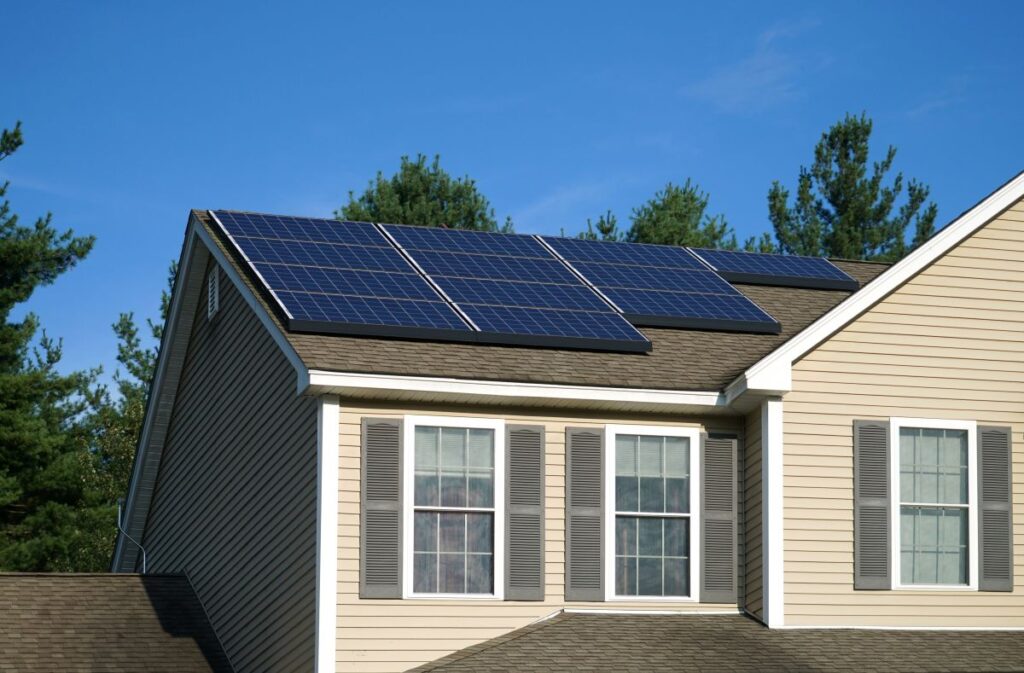
Understanding what professionals actually do during maintenance visits helps homeowners see the value of regular care.
Solar shingles combine roofing materials and electrical systems, which means maintenance must address both areas.
Roof Surface Evaluation
Technicians examine shingles for visible wear, impact damage, and proper alignment. Any compromised areas are documented and addressed.
Electrical System Check
This includes:
- Inspecting wiring and connectors
- Testing inverter performance
- Reviewing energy production metrics
Electrical safety is a critical part of solar maintenance services.
Cleaning and Debris Removal
Leaves, dirt, and pollen are carefully removed to maximize sunlight exposure. Professionals use appropriate tools and methods to avoid scratching or damaging surfaces.
Seal and Waterproofing Review
Flashing and sealant areas are checked to ensure the roof remains watertight.
Homeowners in Charlotte and surrounding areas benefit from comprehensive maintenance that protects both energy efficiency and roofing durability.
Signs Your Solar Shingles May Need Maintenance
Even between scheduled service visits, homeowners should stay alert to potential warning signs.
Recognizing issues early prevents larger complications.
Reduced Energy Output
If your monitoring system shows a sudden drop in production, it may indicate dirt buildup, electrical issues, or shading problems.
Visible Debris Accumulation
Heavy leaf buildup or bird droppings can block sunlight and reduce efficiency.
Water Stains Indoors
Although rare, improper sealing can lead to leaks. Any ceiling discoloration should be addressed promptly.
Error Codes or System Alerts
Modern systems often provide alerts when something is not functioning correctly. Do not ignore these warnings.
Loose or Shifted Shingles
Storm damage may cause shingles to shift slightly. Professional evaluation ensures proper reattachment and sealing.
Staying attentive to these signs supports long term performance.
Solar Shingles vs Traditional Solar Panels Maintenance Comparison
Many homeowners wonder whether solar shingles require more or less maintenance than traditional mounted panels.
Below is a general comparison.
| Feature | Solar Shingles | Traditional Panels |
| Visual Integration | Integrated with roof | Mounted above roof |
| Cleaning Needs | Periodic cleaning | Periodic cleaning |
| Roof Penetrations | Minimal | Multiple mounting points |
| Maintenance Complexity | Combined roof and electrical | Primarily electrical |
| Aesthetic Impact | Seamless appearance | Visible panels |
Solar shingles often require similar cleaning frequency but may offer streamlined roof integration with fewer mounting penetrations.
Protecting Your Solar Investment in Charlotte and Surrounding Areas
Climate plays a role in maintenance frequency. In Charlotte and surrounding areas, summer heat and seasonal storms can impact both roofing materials and solar performance.
Humidity may accelerate wear on sealants, while tree debris can accumulate during fall. Understanding local conditions helps determine the ideal maintenance schedule.
Homeowners who invest in solar shingles are choosing sustainability and long term energy savings. Protecting that investment through consistent solar maintenance services ensures reliable output year after year.
Regular care not only supports energy generation but also preserves the structural integrity of your roof.
The Long Term Value of Professional Solar Maintenance
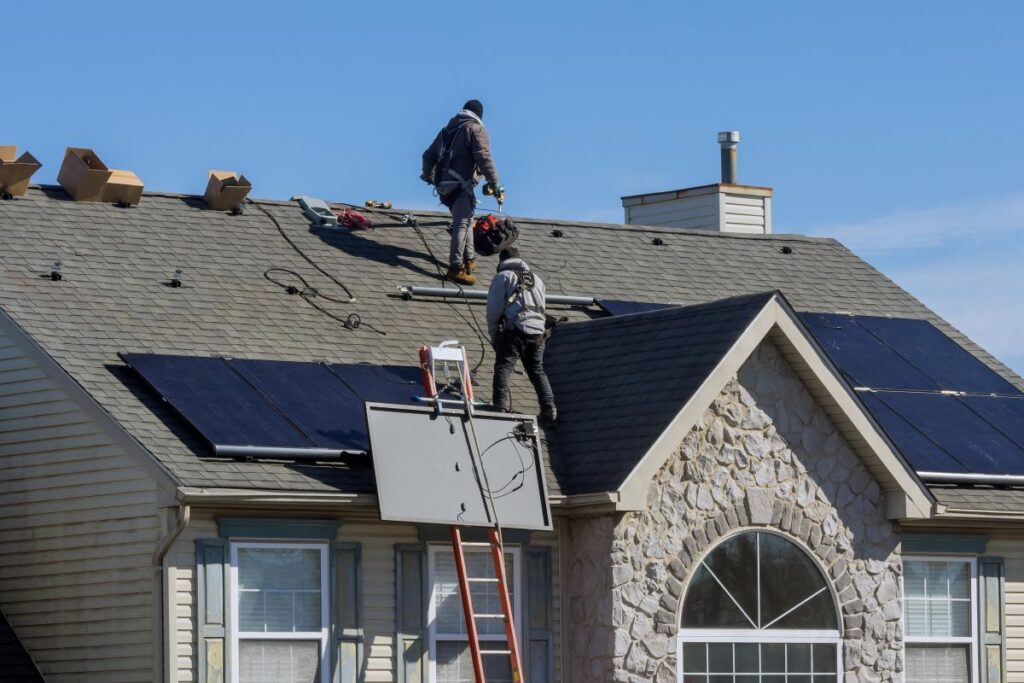
Solar shingles are engineered for durability, often lasting decades with proper care. However, neglecting maintenance can shorten lifespan and reduce efficiency.
Professional solar maintenance services provide:
- Accurate performance assessments
- Early detection of minor issues
- Safe cleaning methods
- Comprehensive roofing evaluations
Combining roofing expertise with solar knowledge ensures the system remains efficient and watertight.
When properly maintained, solar shingles continue delivering energy savings and structural protection for many years.
Protect Your Solar Roof with Expert Care
Solar shingles offer a modern solution that combines energy production with durable roofing protection. To keep them performing at their highest level, consistent maintenance is essential.
Understanding how often solar shingles need service, recognizing early warning signs, and scheduling regular inspections protects both your roof and your energy investment. If you would like a professional evaluation or want to establish a maintenance plan, contact us today and let Barkley-Jensen Roofing provide trusted solar maintenance services for homeowners in Charlotte and surrounding areas.
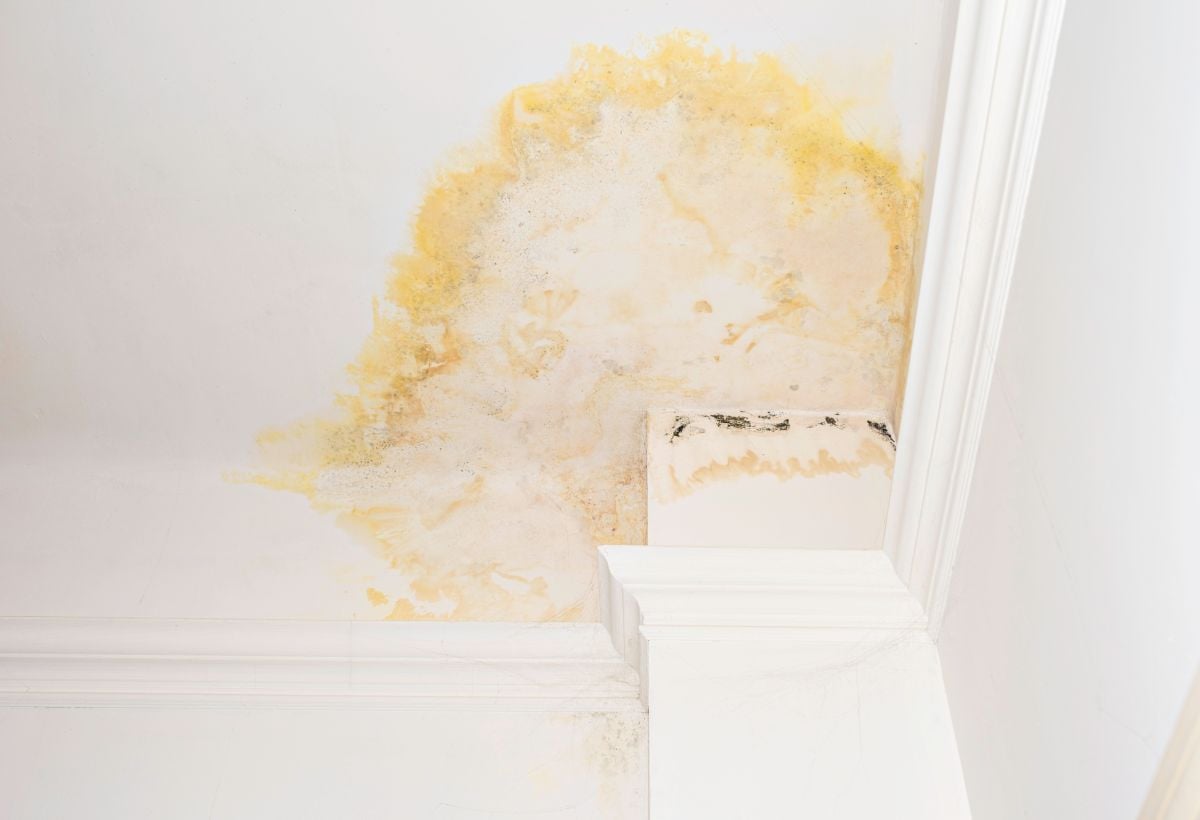
Roof Leak Detection: 6 Ways Professionals Find Hidden Leaks
02.17.2026
7 Min Read
Water stains on a ceiling rarely tell the whole story. By the time you notice discoloration or dripping, moisture may have been spreading behind walls or across decking for weeks. That is why roof leak detection is essential for protecting your home’s structure and preventing expensive repairs. Identifying the true source of a leak requires experience, training, and the right process, which is why many homeowners rely on skilled roofing professionals for accurate assessments and long term solutions.
In this guide, you will learn:
- Why professional roof leak detection is so important
- The most common causes of hidden roof leaks
- 6 methods professionals use to locate concealed moisture
- What steps to take if you suspect a leak in your home
Why Roof Leak Detection Matters More Than You Think
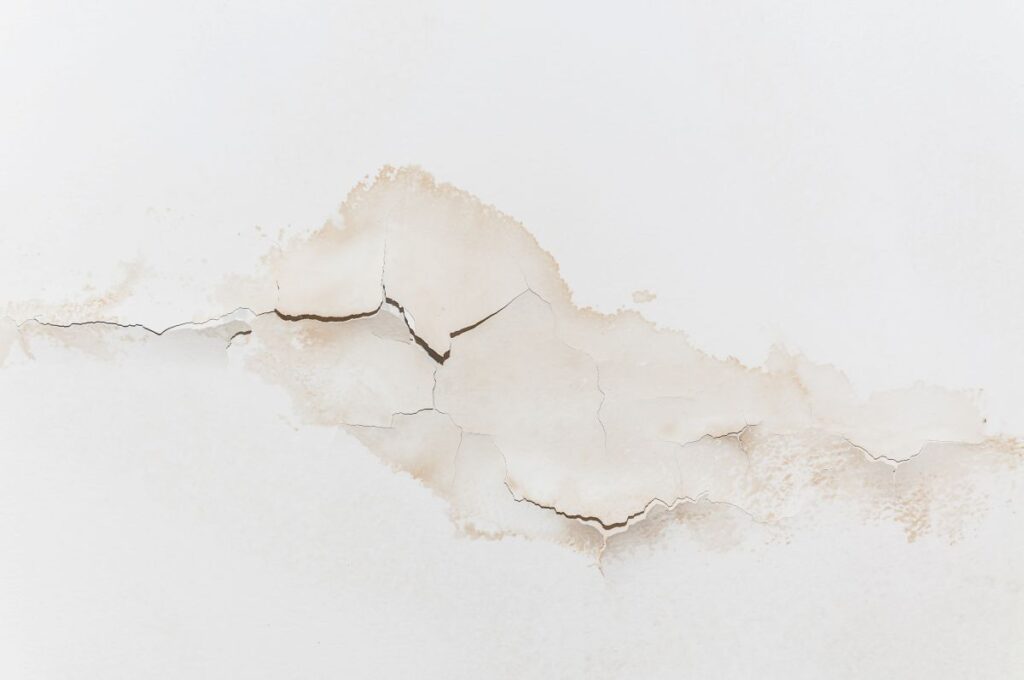
A visible water stain is often just the final symptom of a much larger issue. Water rarely enters your home directly above the stain you see. Instead, it travels along rafters, insulation, and framing before dripping into living spaces. Without proper roof leak detection, repairs may address the wrong location, allowing the real problem to persist.
Homeowners in Greensboro and surrounding areas experience frequent rain, seasonal storms, and humidity that can accelerate roofing wear. Proactive leak detection helps reduce long term damage and protects both structural integrity and indoor air quality.
Here are several reasons why accurate leak detection is essential:
- Prevents Structural Damage: Early identification stops moisture from weakening decking, rafters, and support systems.
- Reduces Repair Costs: Addressing leaks quickly minimizes widespread water damage.
- Protects Indoor Air Quality: Moisture buildup can lead to mold growth inside walls and attic spaces.
- Preserves Energy Efficiency: Wet insulation loses effectiveness, increasing heating and cooling costs.
- Supports Insurance Claims: Clear documentation and accurate diagnosis simplify claim processes after storms.
When leak detection is handled correctly, homeowners gain clarity and peace of mind.
6 Ways Professionals Find Hidden Roof Leaks
Finding a hidden leak requires more than a quick visual check. Professionals use a systematic approach to trace water back to its true entry point. Below are six proven methods used in professional roof leak detection.
1. Detailed Exterior Visual Inspection
The first step in roof leak detection is a comprehensive exterior inspection. Professionals carefully examine the roof surface, flashing, valleys, and penetrations for visible damage.
They look for:
- Missing or cracked shingles
- Lifted flashing around chimneys and vents
- Worn sealant around skylights
- Damaged ridge caps
Even small imperfections can allow water intrusion. This step often reveals obvious vulnerabilities before more advanced methods are needed.
2. Attic and Interior Evaluation
Water often travels before becoming visible. That is why professionals inspect attic spaces and interior ceilings to track moisture patterns.
During this process, they check for:
- Damp insulation
- Darkened wood decking
- Mold or mildew growth
- Water trails along rafters
By tracing moisture paths inside the attic, contractors can narrow down the potential source area on the roof.
3. Moisture Meter Testing
Moisture meters are specialized tools that detect elevated moisture levels in roofing materials and structural components. These devices measure moisture content within decking and framing.
Benefits of moisture meter testing include:
- Identifying hidden damp areas
- Confirming suspected leak zones
- Preventing unnecessary material removal
This technology adds precision to roof leak detection and reduces guesswork.
4. Controlled Water Testing
When leaks are difficult to pinpoint, professionals may perform controlled water testing. This involves strategically applying water to specific sections of the roof while monitoring the interior for signs of intrusion.
This method:
- Isolates the exact entry point
- Confirms flashing or shingle failures
- Replicates real rainfall conditions
Water testing is performed carefully and methodically to avoid causing additional damage.
5. Flashing and Sealant Assessment
Flashing failures are one of the most common causes of roof leaks. Professionals closely examine metal flashing, sealants, and transition areas.
Common problem areas include:
- Chimney bases
- Skylight frames
- Plumbing vent boots
- Roof valleys
Over time, sealants can crack or separate due to temperature fluctuations. In Greensboro and surrounding areas, seasonal weather shifts contribute to expansion and contraction that weakens these seals.
6. Ventilation and Condensation Analysis
Not all moisture problems originate from exterior leaks. In some cases, condensation caused by poor attic ventilation can mimic a roof leak.
Professionals assess:
- Airflow through soffits and ridge vents
- Insulation coverage
- Signs of condensation buildup
Distinguishing between a true roof leak and a ventilation issue ensures that the correct solution is applied.
Common Causes of Hidden Roof Leaks
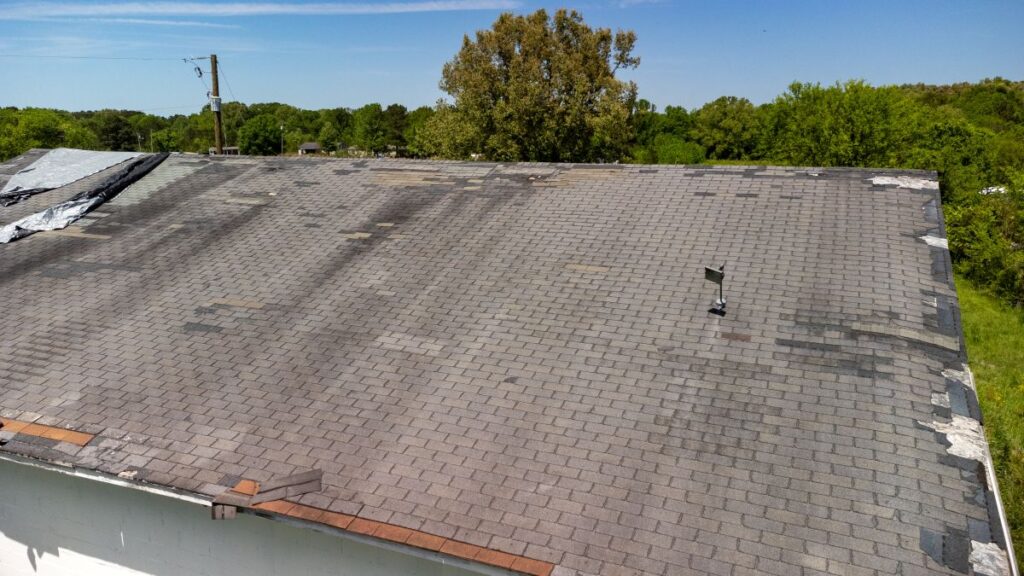
Understanding what causes roof leaks helps homeowners recognize potential risk factors before damage spreads.
Many hidden leaks stem from small vulnerabilities that worsen over time.
Aging Roofing Materials
As shingles and flashing age, they become brittle and less effective at repelling water. Granule loss and cracking create opportunities for moisture intrusion.
Storm Related Damage
High winds, hail, and heavy rainfall can displace shingles or damage flashing. Even minor storm damage can allow water to enter beneath the surface.
Clogged Gutters
When gutters are blocked, water may back up onto the roof edge. This can lead to seepage under shingles and along fascia boards.
Improper Installation
Incorrectly installed flashing or underlayment increases the likelihood of premature leaks. Professional installation reduces these risks.
Roof Penetrations
Every vent, chimney, and skylight creates a potential entry point. Proper sealing and regular inspection are essential for long term performance.
Homeowners in Greensboro and surrounding areas should pay particular attention after severe weather events.
What Homeowners Should Do If They Suspect a Leak
If you notice water stains, musty odors, or dripping during rain, taking prompt action is critical.
Avoid attempting complex repairs yourself, as working on a roof can be dangerous and may worsen the issue.
Step 1: Protect Interior Spaces
Use containers or towels to collect dripping water. Move furniture away from affected areas to prevent further damage.
Step 2: Document Visible Damage
Photograph stains, drips, and any visible exterior issues from a safe location. This documentation may be useful for insurance purposes.
Step 3: Schedule a Professional Inspection
Professional roof leak detection ensures the true source is identified and addressed. Accurate diagnosis prevents repeated repairs in the wrong area.
Step 4: Review Repair Recommendations
Depending on the severity of the issue, solutions may include targeted flashing repair, shingle replacement, or more extensive restoration.
Prompt action limits structural damage and reduces overall costs.
Professional Leak Detection vs DIY Guesswork
Many homeowners attempt to locate leaks themselves, but hidden moisture paths can be misleading.
Below is a comparison of professional roof leak detection versus DIY efforts.
| Approach | Accuracy Level | Risk of Misdiagnosis | Safety Level |
| DIY Visual Check | Limited | High | Moderate to High Risk |
| Professional Inspection | Comprehensive | Low | Safe and Controlled |
Professional evaluations use tools and experience to eliminate uncertainty. This prevents repeated patch jobs that fail to resolve the root problem.
Preventing Future Roof Leaks
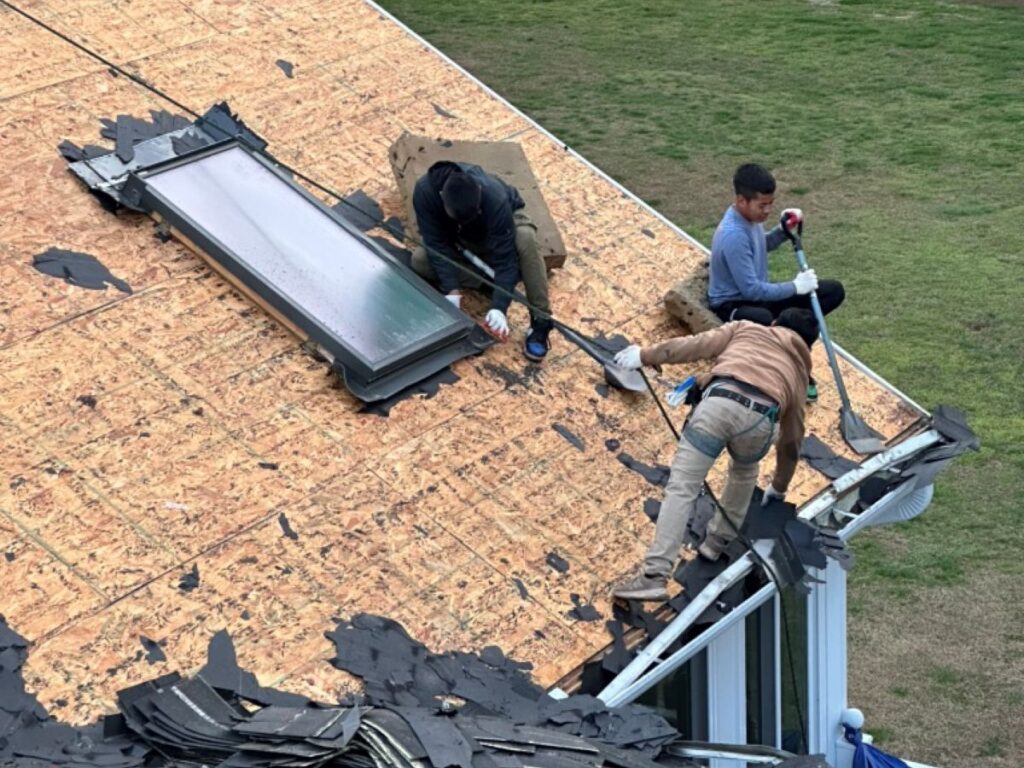
While not all leaks can be prevented, proactive maintenance significantly reduces risk.
Homeowners in Greensboro and surrounding areas benefit from seasonal inspections due to frequent rain and humidity.
Preventative measures include:
- Annual roof inspections
- Regular gutter cleaning
- Prompt repair of loose shingles
- Monitoring attic ventilation
Routine care strengthens your roofing system and minimizes unexpected surprises.
Protect Your Home with Accurate Leak Detection
Hidden roof leaks can quietly cause serious damage before you ever notice a stain. Professional roof leak detection identifies the true source of moisture and ensures the right solution is applied the first time.
If you suspect a leak or want peace of mind after a recent storm, contact us today and let Barkley-Jensen Roofing provide trusted expertise and dependable service for homeowners in Greensboro and surrounding areas. Prompt action protects your home, your investment, and your family’s comfort.
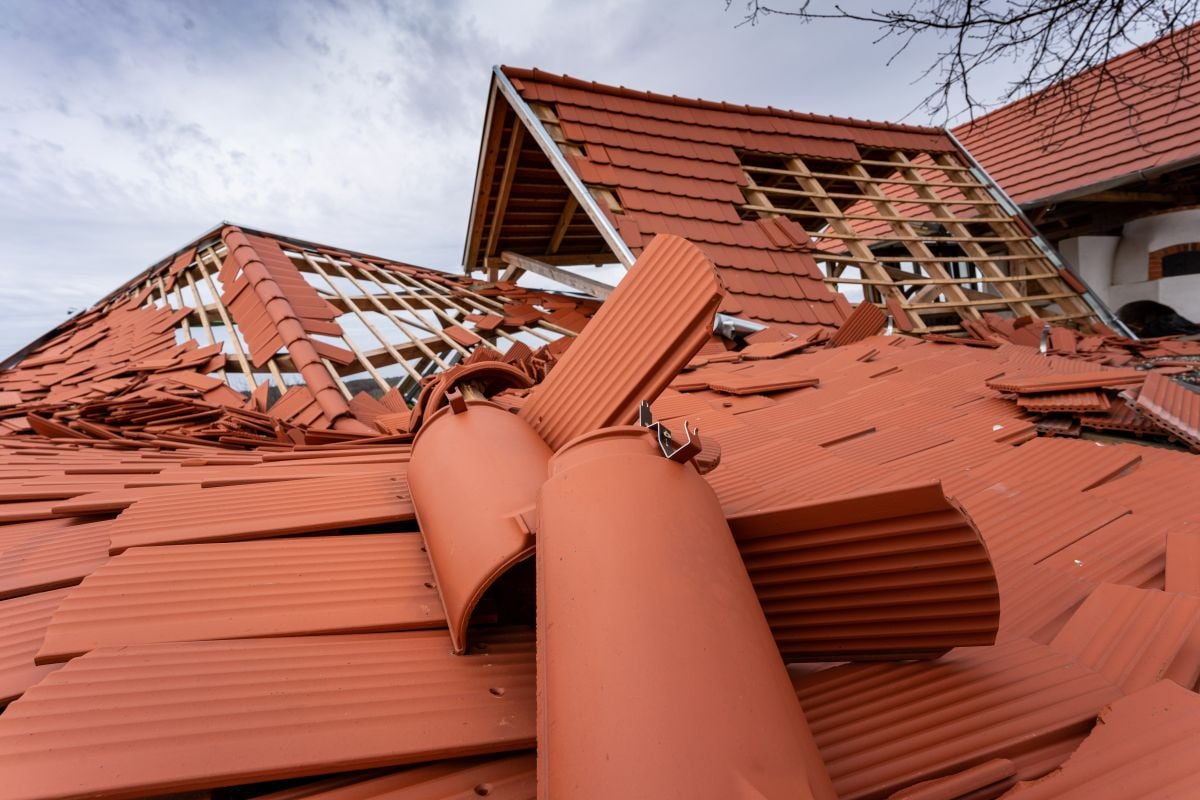
7 Types of Roof Damage: Common Causes & What Homeowners Should Do
02.12.2026
6 Min Read
Your roof is your home’s first line of defense against the elements, but even a well built system can experience roof damage over time. From severe storms to gradual aging, small issues can quickly turn into expensive repairs if left untreated. Understanding the warning signs and knowing when to seek professional roofing support can make all the difference in protecting your investment and maintaining your home’s comfort.
In this guide, you will learn:
- The most common types of roof damage homeowners face
- What causes roofing problems throughout the year
- Early warning signs to watch for
- What steps to take if your roof has been compromised
Why Roof Damage Should Never Be Ignored
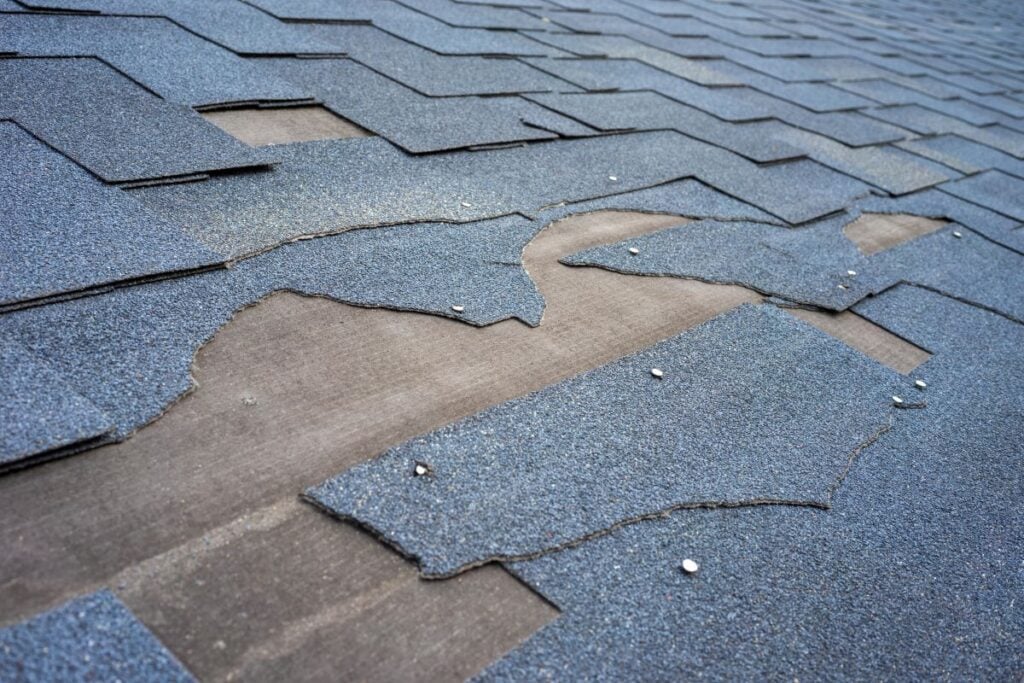
Roof damage is not just a surface level issue. It can affect your home’s structure, energy efficiency, and long term value. What may seem like a minor problem, such as a lifted shingle, can allow water intrusion that spreads into insulation, framing, and interior finishes.
Homeowners in Apex and surrounding areas experience seasonal storms, heavy rainfall, humidity, and fluctuating temperatures. These environmental factors consistently stress roofing systems. Taking roof damage seriously helps prevent minor issues from becoming significant structural concerns.
Here are several important reasons to address roof damage promptly:
- Structural Protection: A compromised roof can lead to rotting wood, weakened decking, and sagging support systems.
- Interior Safety: Leaks may damage ceilings, drywall, flooring, and even electrical components.
- Energy Efficiency: Gaps and damaged materials allow air to escape, increasing heating and cooling costs.
- Mold Prevention: Moisture intrusion creates an environment where mold and mildew can thrive.
- Property Value Protection: A well maintained roof preserves curb appeal and resale value.
Addressing issues early protects both your home and your financial investment.
7 Common Types of Roof Damage and Their Causes
Roof damage comes in many forms. Understanding the most common types helps homeowners recognize potential issues before they worsen.
1. Wind Damage
Strong winds can lift, loosen, or completely remove shingles. Even moderate wind gusts may weaken the adhesive bonds that keep shingles secure.
Wind damage often results in:
- Missing shingles
- Creased or curled edges
- Exposed underlayment
Once shingles are displaced, water can infiltrate the roof deck. In Apex and surrounding areas, seasonal thunderstorms frequently produce wind strong enough to compromise roofing systems.
2. Hail Damage
Hailstones can cause immediate impact damage to roofing materials. Even small hail can dislodge protective granules from asphalt shingles.
Common signs of hail damage include:
- Dents or impact marks
- Granule buildup in gutters
- Bruised areas that feel soft
Hail damage may not cause instant leaks, but it significantly reduces a roof’s lifespan by weakening the protective surface.
3. Water Damage and Active Leaks
Water damage is one of the most serious forms of roof damage. It often develops when flashing fails, shingles crack, or gutters clog.
Warning signs include:
- Water stains on ceilings
- Peeling paint near rooflines
- Dripping during heavy rain
Water intrusion spreads quickly and can damage insulation, framing, and interior finishes.
4. Flashing Failures
Flashing protects joints and penetrations such as chimneys, skylights, and vents. When flashing corrodes or separates, it creates entry points for water.
Flashing damage may occur due to:
- Improper installation
- Weather related expansion and contraction
- Aging materials
Because flashing is located at transition points, it is one of the most common sources of leaks.
5. Shingle Deterioration
Over time, shingles naturally degrade due to UV exposure, heat, and moisture.
Signs of deterioration include:
- Curling or buckling
- Cracks
- Bald spots where granules are missing
As shingles lose their integrity, their ability to shed water diminishes.
6. Structural Sagging
Sagging areas in a roof signal deeper structural problems. This may involve weakened decking or compromised support beams.
Potential causes include:
- Prolonged water exposure
- Excess weight from debris
- Inadequate structural support
Structural sagging requires immediate professional attention to prevent further damage.
7. Gutter Related Damage
Clogged or damaged gutters directly impact roof performance. When gutters cannot properly channel water away, moisture may back up under shingles.
Consequences include:
- Rotting fascia boards
- Water pooling near roof edges
- Increased leak risk
Routine gutter maintenance plays an important role in preventing roof damage.
Early Warning Signs Homeowners Should Watch For
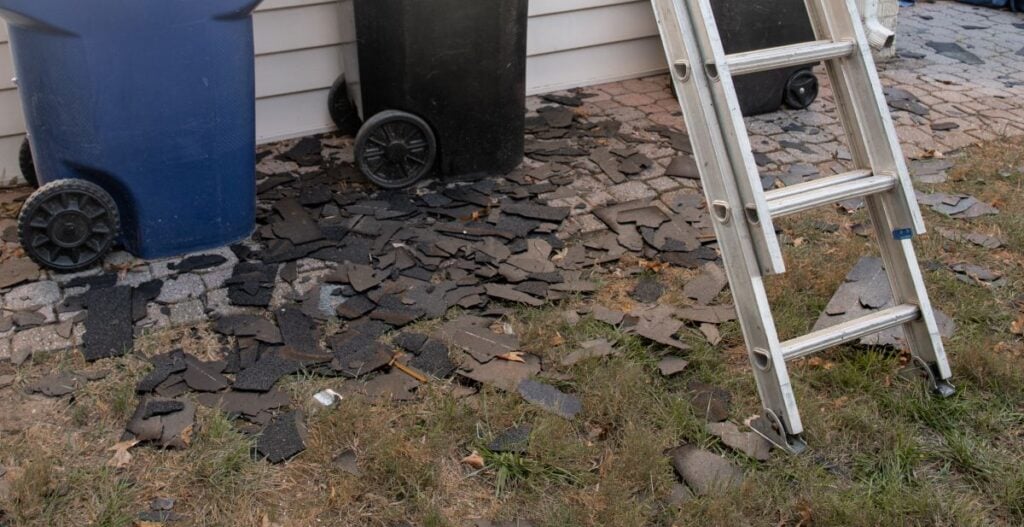
Catching roof damage early can significantly reduce repair costs. Some signs are visible from the ground, while others appear inside your home.
Regular visual inspections and seasonal awareness help identify potential concerns.
Interior Indicators
Pay attention to:
- Ceiling discoloration
- Damp attic insulation
- Unexplained spikes in energy bills
These symptoms may indicate hidden moisture or ventilation problems.
Exterior Indicators
From ground level, look for:
- Uneven or sagging rooflines
- Shingle debris in your yard
- Visible gaps around flashing
If you notice any of these signs, professional evaluation is recommended, especially after severe weather in Apex and surrounding areas.
What To Do If You Discover Roof Damage
Discovering roof damage can feel overwhelming, but taking the right steps helps minimize further complications.
Acting promptly protects your home and ensures proper repair.
Step 1: Stay Safe
Avoid climbing onto the roof yourself. Wet or damaged surfaces can be hazardous.
Step 2: Document the Issue
Take photos from a safe distance to record visible damage. This documentation may assist with insurance claims.
Step 3: Protect the Interior
If water is entering your home, use containers or tarps to limit interior damage while awaiting professional assistance.
Step 4: Schedule a Professional Inspection
An experienced roofing contractor can assess both visible and hidden damage. A thorough inspection ensures accurate recommendations.
Step 5: Review Repair or Replacement Options
Depending on the severity of roof damage, solutions may range from minor repairs to full replacement.
Professional guidance ensures the right solution for your specific roofing system.
Preventing Roof Damage Through Proactive Maintenance
While not all roof damage can be prevented, regular maintenance greatly reduces risk.
Homeowners in Apex and surrounding areas benefit from seasonal inspections due to varying weather conditions.
Maintenance Best Practices
- Schedule annual roof inspections
- Clean gutters at least twice per year
- Trim overhanging tree branches
- Check attic ventilation regularly
These steps help extend the lifespan of your roofing system.
Minor vs Major Roof Damage Comparison
Understanding severity levels helps homeowners prioritize action.
| Damage Type | Severity | Typical Response |
| Single missing shingle | Minor | Isolated repair |
| Small flashing separation | Minor | Resealing or replacement |
| Multiple leaks | Moderate | Extensive repair |
| Sagging roof deck | Major | Structural repair |
| Widespread hail impact | Moderate to Major | Potential replacement |
Even small problems should be addressed quickly to prevent escalation.
The Value of Professional Assessment
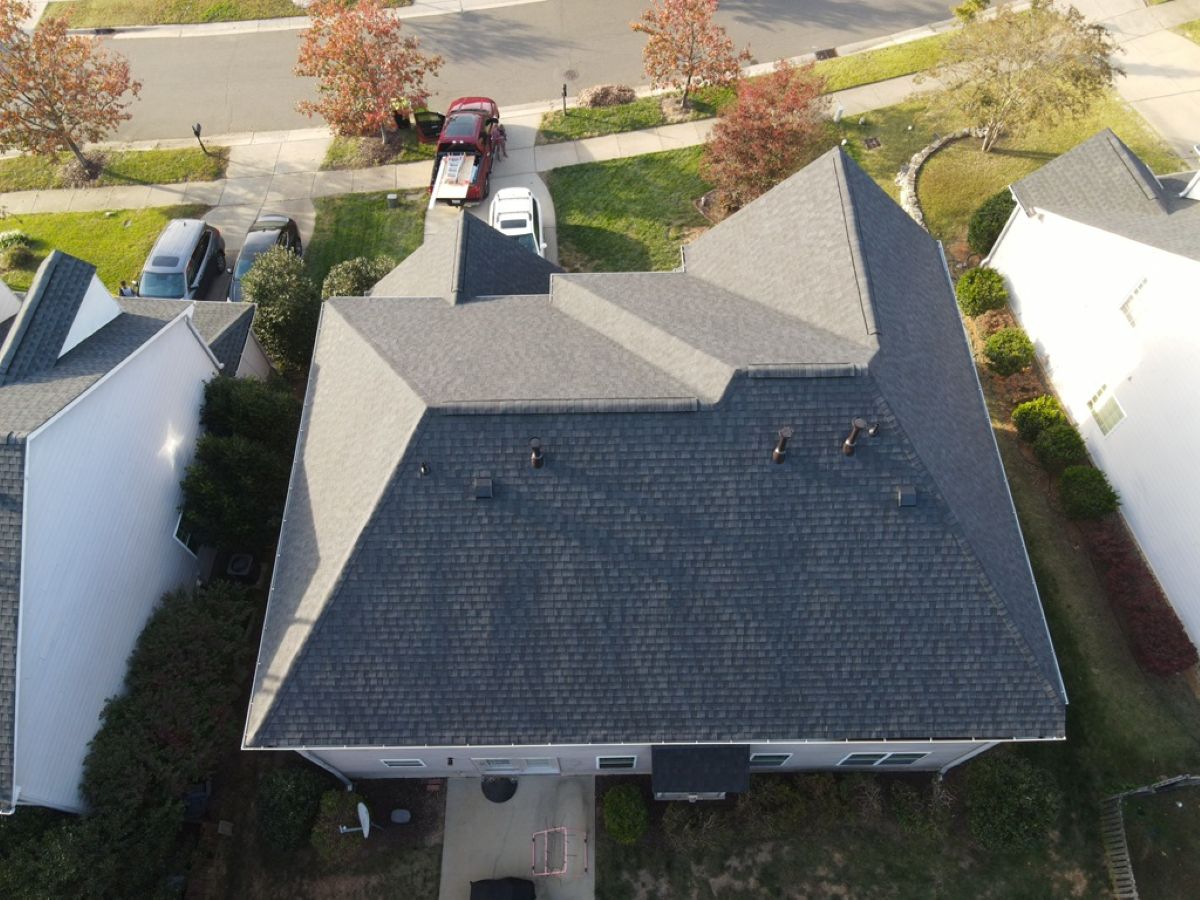
Roof damage is not always visible from the ground. Professional inspections identify hidden issues such as compromised decking, underlayment failure, or ventilation problems.
Experienced roofing specialists understand how environmental factors in Apex and surrounding areas impact roofing systems. Their evaluations help ensure repairs meet local building standards and provide long term durability.
Timely professional assessment prevents minor concerns from evolving into costly structural repairs.
Protect Your Home Before Damage Spreads
Roof damage can develop gradually or occur suddenly after a storm. Either way, swift action protects your home’s structure, comfort, and value.
By understanding common types of roof damage, recognizing early warning signs, and taking proactive steps, homeowners can prevent small issues from becoming major problems. If you suspect your roof has been compromised or want peace of mind from a professional inspection, contact us today and let Barkley-Jensen Roofing provide reliable service and expert solutions for homes in Apex and surrounding areas.
Parts of a Roof: 12 Parts Every Homeowner Should Know About
02.10.2026
9 Min Read
Your roof does far more than sit on top of your home. It protects your structure, your belongings, and your family from the elements year round. Understanding the parts of a roof helps you spot problems early, communicate clearly with contractors, and make confident decisions about repairs or replacements. Whether you are researching maintenance tips or exploring options for your home through a trusted roofing professional, knowing the basics makes a difference.
In this guide, you will learn:
- The essential structural and protective components that make up a roof
- How each part works together as a system
- Warning signs that specific components may be failing
- Practical tips to extend the life of your roofing system
Why Understanding the Parts of a Roof Matters
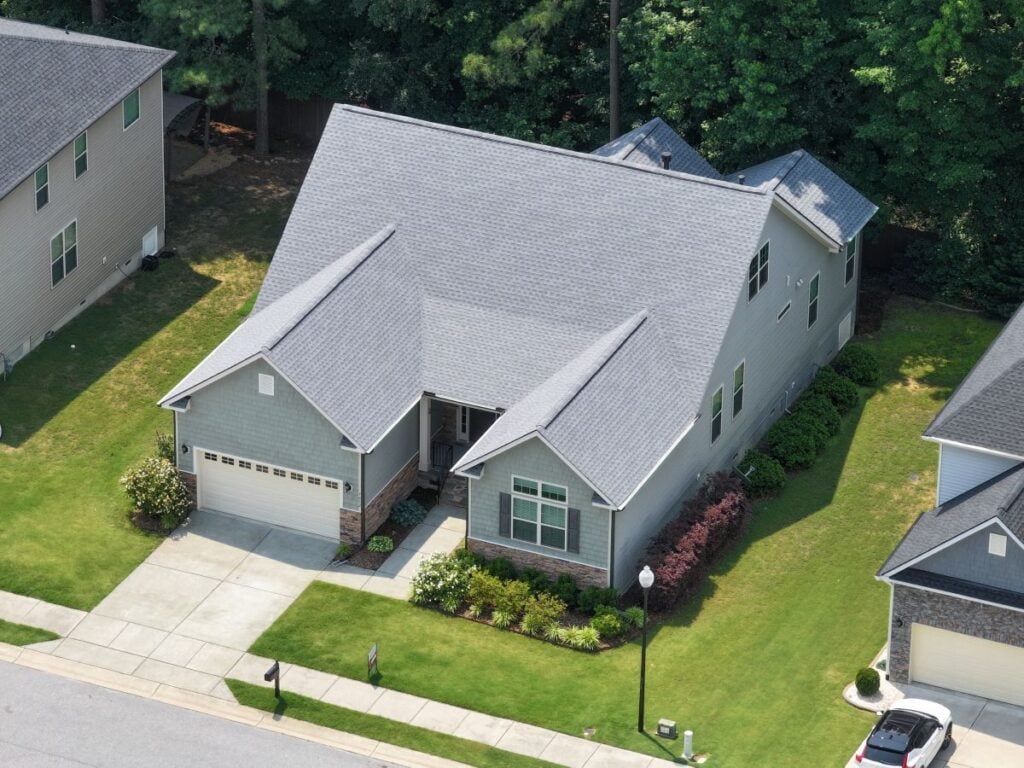
A roof is not a single layer of shingles. It is a carefully engineered system made up of multiple components that work together to shed water, regulate temperature, and maintain structural integrity. When one part fails, the rest of the system can be affected.
For homeowners in Cary and surrounding areas, seasonal storms, humidity, and temperature shifts place consistent stress on roofing materials. Knowing what makes up your roof can help you stay proactive rather than reactive.
Here are a few reasons this knowledge is so important:
- Early Problem Detection: When you understand the components, you can identify issues like damaged flashing or clogged vents before they cause interior damage.
- Better Communication: You can discuss concerns clearly with your roofing contractor and understand recommendations with confidence.
- Smarter Maintenance Decisions: Knowing which parts require routine inspection helps you prioritize upkeep.
- Cost Control: Catching minor component failures early often prevents larger, more expensive structural repairs.
Your roof is an investment. The more you understand about how it works, the better you can protect that investment.
12 Essential Parts of a Roof Every Homeowner Should Know
Each roofing system contains multiple layers and components. Below are 12 critical parts of a roof and what they do.
1. Roof Decking
Roof decking, also called sheathing, forms the foundation of your roofing system. It is typically made from plywood or oriented strand board and is attached directly to the roof trusses or rafters.
This structural layer supports all other roofing materials.
Key points:
- Provides a stable base for underlayment and shingles
- Helps distribute weight evenly across the roof structure
- Must remain dry and structurally sound to prevent sagging
If moisture penetrates past the outer layers, decking can rot and weaken, leading to costly repairs.
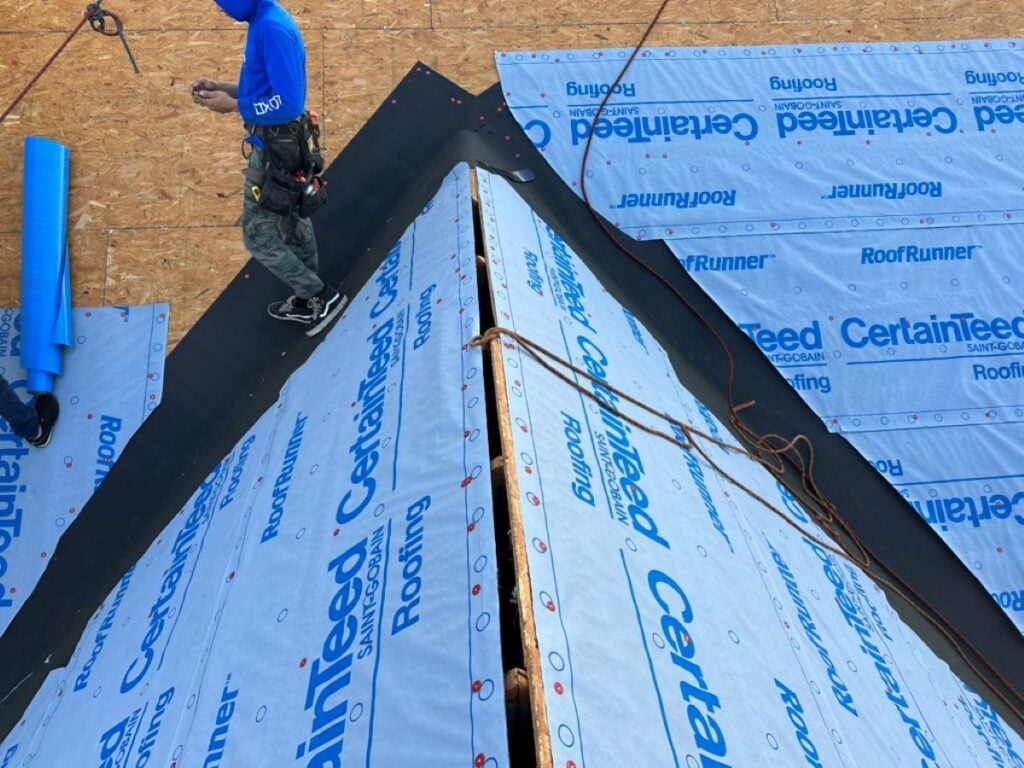
2. Underlayment
Underlayment is a protective layer installed between the roof decking and the outer roofing material. It acts as a secondary water barrier.
There are different types, including felt and synthetic underlayment.
Its primary roles include:
- Adding extra moisture protection
- Providing temporary protection during installation
- Enhancing overall durability of the roofing system
In storm prone areas like Cary and surrounding areas, high quality underlayment is especially important.
3. Ice and Water Shield
Ice and water shield is a specialized waterproof membrane placed in vulnerable areas such as roof valleys, around chimneys, and along eaves.
This self adhering material prevents water infiltration caused by ice dams or wind driven rain.
It is commonly installed:
- Along roof edges
- Around penetrations
- In valleys where water naturally flows
This added layer can significantly reduce the risk of leaks.
4. Shingles or Roofing Material
Shingles are the visible outer layer of your roof. They are often made from asphalt, but can also be metal, tile, slate, or wood.
They serve as the first line of defense against the elements.
Benefits include:
- Shedding rain and snow
- Protecting against UV exposure
- Enhancing curb appeal
Different materials offer different lifespans and performance levels.
5. Flashing
Flashing is typically made of metal and installed around roof penetrations and joints to prevent water from seeping in.
Common flashing locations include:
- Chimneys
- Skylights
- Roof valleys
- Vent pipes
Properly installed flashing is critical for preventing leaks at transition points.
6. Drip Edge
Drip edge is a metal strip installed along the edges of the roof. It directs water away from the fascia and into the gutters.
Without a drip edge:
- Water can seep under shingles
- Wood components may rot
- Gutters may not function efficiently
This small component plays a big role in water management.
7. Fascia
The fascia board runs along the lower edge of the roof and supports the gutter system.
It also provides a finished look to the roofline.
Fascia boards must be:
- Structurally sound
- Properly sealed
- Free from rot or insect damage
Damaged fascia can compromise gutter performance and allow moisture intrusion.
8. Soffit
The soffit is located beneath the roof overhang. It connects the roof edge to the exterior wall.
It often contains ventilation openings that allow air to circulate into the attic.
Proper soffit ventilation helps:
- Regulate attic temperature
- Prevent moisture buildup
- Extend shingle lifespan
Blocked or damaged soffits can disrupt airflow and lead to mold or rot.
9. Roof Vents
Roof ventilation systems allow hot, moist air to escape from the attic.
Common types include ridge vents, box vents, and turbine vents.
Effective ventilation:
- Reduces heat buildup in summer
- Prevents condensation in winter
- Improves energy efficiency
In humid climates, proper ventilation is essential for long term roof health.
10. Ridge Cap
Ridge cap shingles cover the peak of the roof where two slopes meet.
They provide:
- A finished appearance
- Protection for the ridge line
- Additional water resistance
These specialized shingles are designed to flex over the roof’s highest point.
11. Valleys
Roof valleys are the internal angles formed where two roof slopes intersect.
Water naturally flows toward valleys, making them high risk areas for leaks.
They are typically reinforced with:
- Extra underlayment
- Ice and water shield
- Metal valley flashing
Because of their importance, valleys require careful installation and inspection.
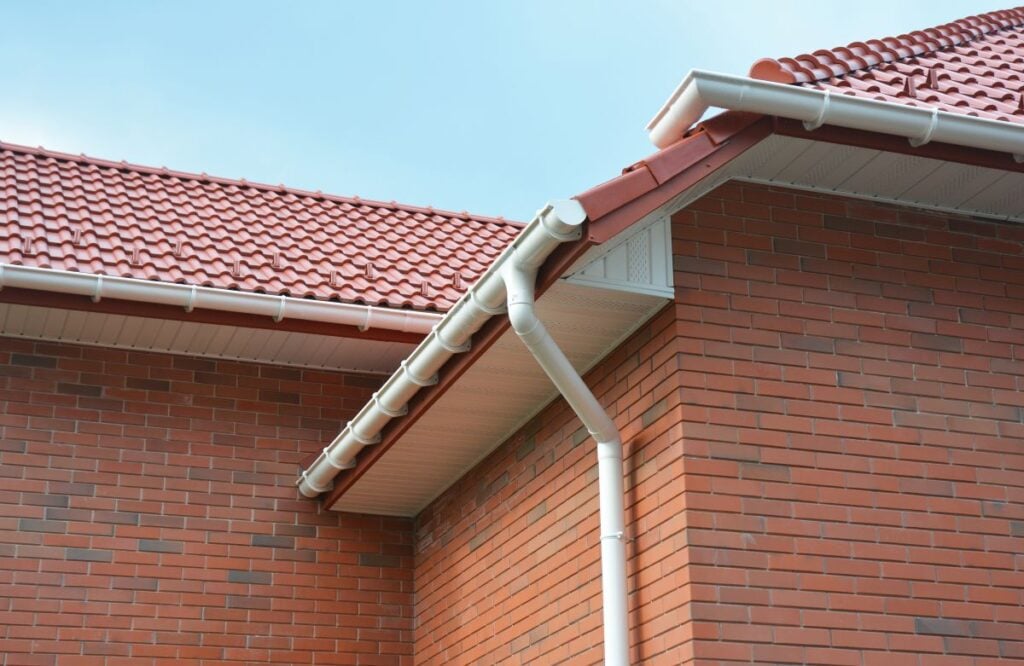
12. Gutters and Downspouts
While technically part of the drainage system, gutters and downspouts are closely tied to roof performance.
They channel water away from your home’s foundation.
When functioning properly, they:
- Prevent soil erosion
- Protect siding and fascia
- Reduce basement flooding risks
Clogged or damaged gutters can cause water to back up onto the roof edge.
How These Parts Work Together as a System
A roof performs best when all components function as a unified system. No single part works in isolation.
For example, shingles shed water, but flashing ensures water does not enter at joints. Underlayment provides backup protection, while ventilation controls temperature and moisture levels beneath the surface.
Structural Support and Protection
The decking and framing create a solid base. Without a strong foundation, even the highest quality shingles will fail prematurely.
Moisture Management
Underlayment, flashing, valleys, drip edge, and gutters all collaborate to move water safely off the roof. Any weakness in this chain can lead to leaks.
Ventilation and Temperature Control
Soffits and roof vents maintain airflow. Proper ventilation reduces energy costs and extends the life of roofing materials by preventing excessive heat and moisture buildup.
When homeowners in Cary and surrounding areas understand how these elements connect, they are better equipped to recognize potential issues early.
Signs That Specific Roof Components May Be Failing
Understanding the parts of a roof also means knowing when something is not performing correctly. Different symptoms often point to different components.
Shingle Problems
Look for:
- Curling or buckling edges
- Missing shingles
- Granule loss in gutters
These signs suggest weathering or aging.
Flashing and Valley Issues
Indicators may include:
- Water stains on ceilings near chimneys
- Visible rust or lifted metal
- Leaks during heavy rain
These areas are especially vulnerable during storms.
Ventilation Concerns
Poor ventilation can cause:
- Excessively hot attic temperatures
- Mold or mildew smells
- Ice dam formation in colder months
Addressing ventilation early can prevent widespread damage.
Decking and Structural Warning Signs
Watch for:
- Sagging rooflines
- Soft spots when walking on the roof
- Interior ceiling dips
These signs may indicate moisture damage to the decking.
Routine inspections are especially important in climates with frequent storms, such as Cary and surrounding areas.
Maintenance Tips to Protect Every Part of Your Roof
Preventive maintenance can extend the lifespan of each roofing component and reduce repair costs.
Regular upkeep keeps small issues from turning into major structural problems.
Schedule Professional Inspections
Have your roof inspected:
- After major storms
- At least once every one to two years
- Before buying or selling a home
Professional assessments help identify hidden issues.
Keep Gutters Clean
Clear debris from gutters and downspouts regularly. This ensures proper water flow and protects fascia and decking from moisture exposure.
Trim Overhanging Branches
Tree limbs can:
- Scrape shingles
- Drop debris into valleys
- Increase moisture retention
Keeping branches trimmed reduces risk.
Monitor Attic Conditions
Check your attic for:
- Signs of leaks
- Proper insulation levels
- Adequate ventilation
A healthy attic supports a healthy roof.
Choosing the Right Roofing Partner
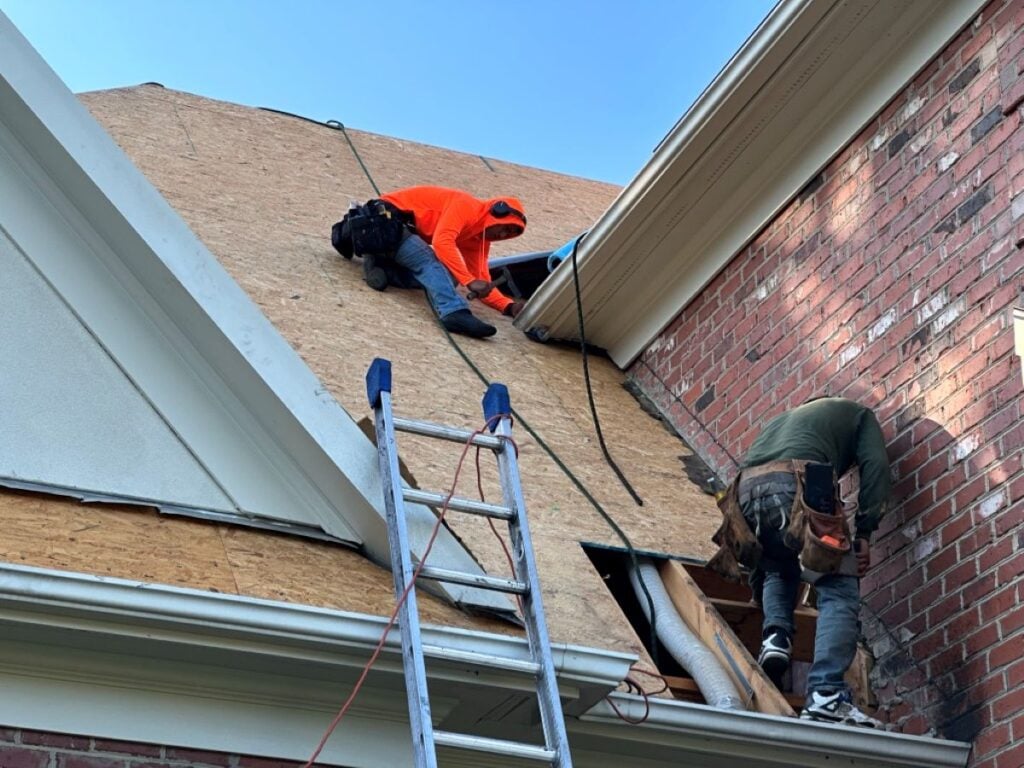
Even with strong homeowner knowledge, roofing work should be handled by experienced professionals. Proper installation is just as important as high quality materials.
When selecting a contractor, look for:
- Proven local experience
- Clear communication
- Detailed inspections and estimates
- Commitment to workmanship standards
A knowledgeable team can evaluate every component, from decking to drainage, ensuring long term performance.
For homeowners in Cary and surrounding areas, working with a trusted local company means understanding the specific weather challenges your roof faces.
Protect Your Home with Confidence
Your roof is a complex system made up of interconnected parts that each serve a vital purpose. From the decking beneath your shingles to the gutters guiding water away, every component plays a role in protecting your home.
By understanding the parts of a roof, you can recognize warning signs, communicate effectively with contractors, and make informed maintenance decisions. Whether you need repairs, inspections, or a full replacement, professional guidance ensures every element functions as it should.
If you have questions about your roof or want a comprehensive inspection, contact us today through our contact page and let Barkley-Jensen Roofing help protect your home with expert care and craftsmanship.
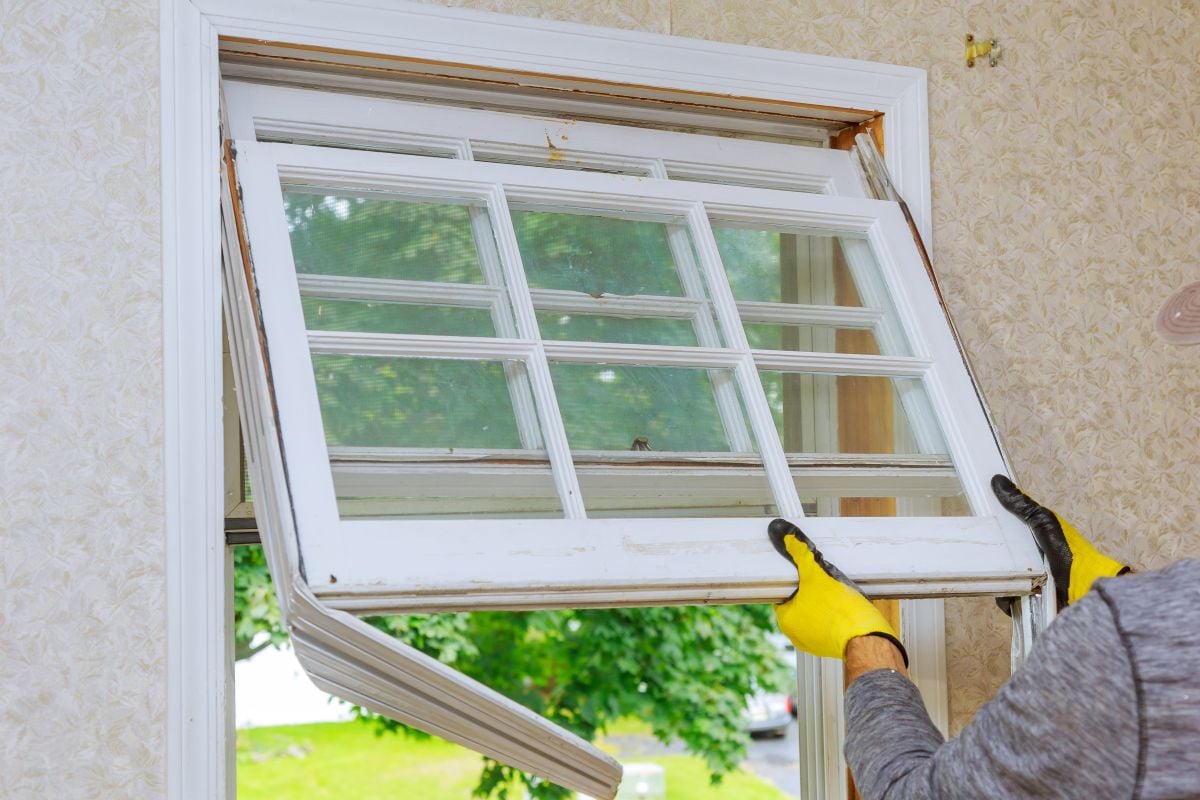
6 Best Raleigh, NC, Window Installers (Top Windows Experts Near You)
02.05.2026
5 Min Read
New windows can completely change the way your home looks, feels, and performs. But to make the most of your investment, you need the right team for the job. If you’re searching for the most trusted raleigh nc window installers, this guide breaks down who to call, what to expect, and how to choose wisely. Whether you’re replacing old panes or starting from scratch, it’s worth knowing which professionals deliver on quality. For expert help with your exterior project, including windows, learn how our team can support your goals right here.
- Why your window installer matters more than you think
- The top-rated window companies in Raleigh, NC
- What services and products to look for
- Tips for vetting local pros before you hire
Why Your Raleigh Window Installer Choice Matters
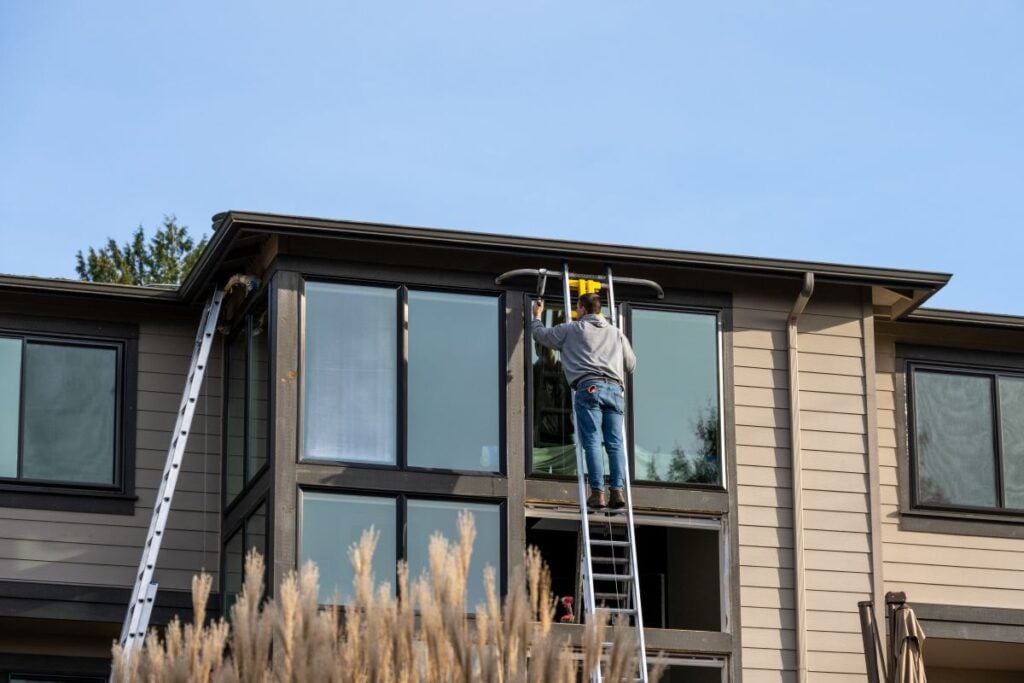
Hiring the right installer isn’t just about getting the job done—it’s about long-term value, energy savings, and curb appeal. A poor installation can cancel out the benefits of even the best window products.
- Proper fit and sealing: Prevents leaks, energy loss, and long-term water damage
- Manufacturer warranties: Often only valid with certified installers
- Higher energy efficiency: Lower monthly bills and a more comfortable home
- Improved curb appeal: Boosts resale value and enhances your home’s appearance
- Increased ROI: Professionally installed windows can pay off over time
6 Best Raleigh, NC, Window Installers
These top-rated companies stand out for their customer reviews, longevity, and commitment to quality work. If you’re planning a home improvement project in Raleigh and surrounding areas, these are the names to know.
1. Barkley-Jensen Roofing
Though best known for roofing, Barkley-Jensen offers high-quality window installation with the same level of care and craftsmanship. Homeowners in Raleigh and surrounding areas trust them for reliable timelines, clean job sites, and personalized guidance throughout the process.
- Specializes in energy-efficient window solutions
- One-stop shop for full exterior upgrades
- Trusted team serving the Triangle area for over a decade
2. Window Depot USA of Raleigh
This locally owned franchise combines national buying power with personal service. Known for competitive pricing and consistent 5-star reviews, Window Depot is a top pick for vinyl replacement windows.
- Over 5 years in business in Raleigh
- Focus on vinyl, double-pane, and triple-pane windows
- Energy Star products available
3. Window World of Raleigh
With a large national presence and strong local team, Window World is a go-to for budget-conscious homeowners. They offer bundled window replacement packages and fast turnaround.
- Over 10 years in business
- Wide selection of styles and finishes
- Offers same-day installation in some cases
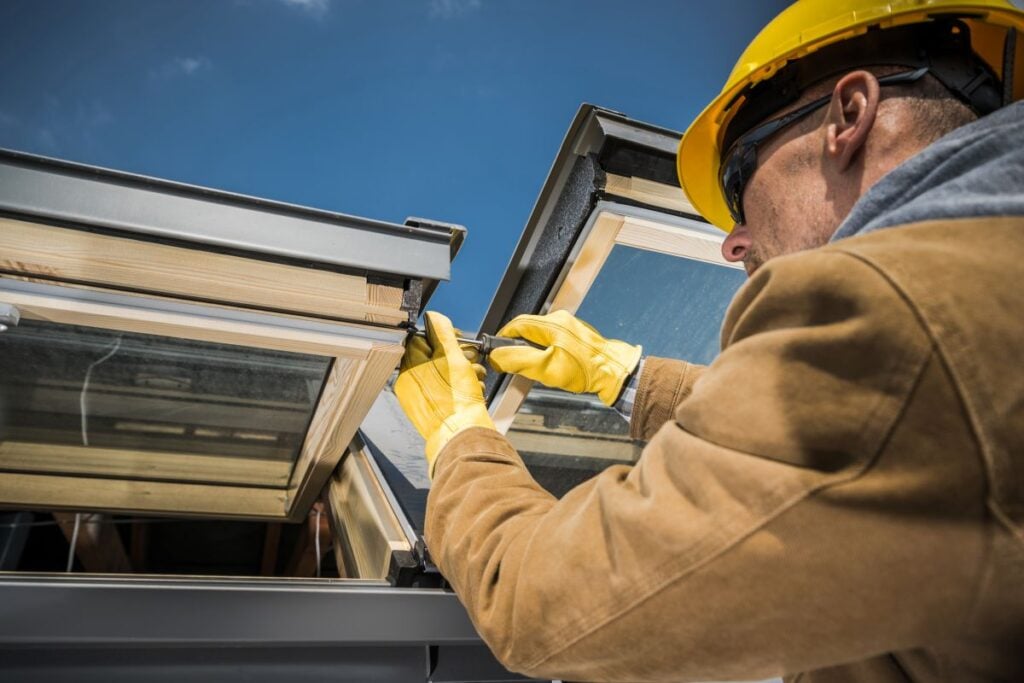
4. Kelly Window and Door, Inc.
Serving Cary and surrounding areas for over 30 years, Kelly Window and Door is known for high-end custom window work and detailed craftsmanship.
- Specializes in wood, fiberglass, and composite windows
- Marvin and ProVia authorized dealer
- Family-owned and operated
5. Glass Doctor of Raleigh
This well-known franchise offers residential and commercial window services. Their experienced techs handle everything from custom window glass to full-frame replacements.
- Offers emergency repair services
- 30+ years in the business
- Also handles glass shower doors and mirrors
6. Argo Window Repair & Replacement
Focused on Raleigh homes, Argo is known for clear communication and personalized customer care. Homeowners frequently praise their professionalism and fair pricing.
- Specializes in foggy window repair and seal failures
- Offers full window replacements and inspections
- Great for older homes needing tailored solutions
What to Look for in a Raleigh Window Installer
Not all contractors are created equal. Here’s what separates the best from the rest when it comes to window installers in Raleigh and surrounding areas.
- Licensed & Insured: Make sure your installer carries proper licensing and general liability/workers’ comp insurance.
- Product Knowledge: The installer should explain the pros and cons of vinyl, fiberglass, wood, or composite window options.
- Detailed Quotes: Transparent pricing, including labor and materials, is a sign of a trustworthy pro.
- Good Communication: From scheduling to cleanup, top installers maintain clear expectations and respond quickly.
- Strong References: Look for companies with plenty of verified reviews and pictures of past jobs.
Comparing Window Types for Raleigh Homes

Different window materials offer different benefits in North Carolina’s climate. Here’s how the top options compare:
| Material | Durability | Energy Efficiency | Maintenance | Cost |
| Vinyl | Moderate | High | Low | $ |
| Wood | High | Moderate-High | High | $$$$ |
| Fiberglass | High | High | Low | $$$ |
| Composite | Very High | Very High | Low | $$$$ |
Tip: In Raleigh and surrounding areas, vinyl and fiberglass windows tend to be the most popular due to their performance in humidity and temperature swings.
Questions to Ask Before You Hire
Before signing a contract, here are key questions to help you choose the best local installer:
- What type of warranty do you offer? Product and labor warranties both matter.
- Who handles the actual installation? Make sure they use in-house teams or reliable subcontractors.
- Are permits included in your pricing? Some towns require them for replacement work.
- Can you provide local references? Check recent jobs in Raleigh for context.
- Do you offer financing? Helpful for larger window projects.
Ready to Upgrade Your Windows?
Choosing the right window installer can add beauty, comfort, and efficiency to your home. Whether you want a modern look or need to solve drafts and leaks, it pays to work with professionals who care. For expert help in Raleigh and surrounding areas, contact us today at Barkley-Jensen Roofing and let’s make your exterior project a success.
7 Best Siding Companies In Raleigh, NC (Products, Process, & More)
02.03.2026
5 Min Read
Looking for the best siding companies raleigh nc homeowners can trust? Whether you’re building new or upgrading curb appeal, quality siding work is essential to protecting your home and improving efficiency. From helping homeowners explore color and material options to providing full siding replacement, there’s a reason locals rely on us for exterior upgrades. You can learn more by reviewing this helpful overview of available services.
- Why local siding companies matter in Raleigh’s climate
- Top-rated siding contractors with reviews and specialties
- Common siding products and what sets them apart
- What to expect during the siding process
- How to pick the right company for your home
Why Raleigh Homeowners Need a Great Siding Partner

Choosing the right siding contractor isn’t just about appearance — it directly affects the longevity and protection of your home. Raleigh and surrounding areas experience a wide range of weather that puts your exterior materials to the test. That’s why hiring a reliable local expert is so important.
- Weather Protection: Properly installed siding shields against wind, rain, and heat.
- Energy Efficiency: Insulated siding helps regulate indoor temperatures and reduce energy bills.
- Resale Value: Professionally finished siding boosts curb appeal and ROI.
- Pest Resistance: Quality siding can help prevent damage from insects and rodents.
- Maintenance: The right material and installer reduce long-term upkeep costs.
Top 7 Siding Companies in Raleigh, NC
Here’s a list of trusted siding professionals that Raleigh homeowners frequently recommend — with Barkley-Jensen Roofing leading the way.
1. Barkley-Jensen Roofing
With a reputation for integrity and workmanship, Barkley-Jensen Roofing continues to be a top siding contractor across Raleigh and surrounding areas. Their team specializes in both full siding replacements and exterior upgrades using high-performance materials like James Hardie and LP SmartSide. Homeowners appreciate their free consultations, transparent pricing, and pressure-free process.
Highlights:
- Certified installers for major brands
- Local, family-run team with decades of experience
- Personalized help choosing colors and textures
2. Raleigh Windows and Siding, LLC
Raleigh Windows and Siding has been serving the area for over 15 years, offering both window and siding installations. Known for vinyl siding services and a commitment to customer satisfaction, they receive consistently positive feedback.
Highlights:
- Long-standing local business
- Focus on energy-efficient upgrades
- Strong Google review presence
3. NC Siding and Windows, Inc.
This company is praised for its reliability and quality materials. With over a decade in the industry, NC Siding and Windows has become a go-to for fiber cement and vinyl siding in Raleigh.
Highlights:
- 5-star average rating from dozens of reviews
- Personalized customer service
- Timely project completion

4. AJT Construction, Inc.
Offering both siding and full exterior remodels, AJT Construction has earned a reputation for honest service and attention to detail. Their team works closely with homeowners to align design goals and budget.
Highlights:
- 10+ years in business
- Great communication throughout the process
- Free estimates and consultations
5. Triangle Home Exteriors
Triangle Home Exteriors focuses on HardiePlank siding and other durable materials. Their portfolio includes large-scale residential jobs and customized exterior finishes.
Highlights:
- Emphasis on long-lasting products
- Proven installation track record
- Strong customer communication
6. Raleigh Siding & Exterior Renovations
While smaller and newer than others on this list, Raleigh Siding & Exterior Renovations is quickly gaining traction. Their team offers onsite services and online estimates, catering to homeowners looking for flexibility.
Highlights:
- Personalized project plans
- Virtual consultation options
- Newer but well-rated
7. The Aluminum Company of North Carolina
Based in Durham but frequently serving Raleigh and surrounding areas, this company brings decades of experience to exterior siding projects. They offer a wide variety of materials and have a well-established presence.
Highlights:
- Over 900 reviews with high satisfaction
- Wide service area
- Large catalog of siding types
What Sets These Companies Apart
Each of these contractors brings something unique to the table, but they also share key traits that make them worth considering.
- Local Expertise: Familiarity with Raleigh’s climate and regulations
- Verified Reviews: Solid reputations backed by hundreds of 5-star ratings
- Flexible Services: Both full replacements and selective repairs
- Material Options: Access to top manufacturers like James Hardie, LP, and Mastic
What to Expect During the Siding Process

Replacing or installing new siding doesn’t have to be a hassle. Here’s a general timeline to help you prepare:
- Initial Consultation: Company visits your home, takes measurements, and provides material recommendations.
- Quote & Scheduling: Once you approve the estimate, your project gets scheduled (typically 2–4 weeks out).
- Installation: Most siding jobs take 3–7 days depending on complexity.
- Final Walkthrough: Your contractor will review the work with you and address any final adjustments.
Many Raleigh siding contractors also offer:
- Warranties for workmanship and materials
- Help with HOA approvals
- Insurance claim support (in storm damage cases)
Ready to Choose a Raleigh Siding Contractor?
Finding the right partner for your siding project doesn’t have to be overwhelming. Whether you want to modernize your home, fix weather damage, or upgrade insulation, this list gives you a head start on the best siding companies raleigh nchomeowners can rely on.
If you’re ready to improve your exterior and want expert advice from a trusted local team, contact us today at Barkley-Jensen Roofing for a consultation tailored to your needs.

Best Things to Do In Raleigh, NC for Adults (Bars, Events, & More)
01.29.2026
7 Min Read
Looking for fun and creative things to do in raleigh nc for adults? You don’t have to search far. Raleigh and surrounding areas offer a vibrant mix of nightlife, outdoor spots, cultural events, and unique venues—all perfect for adults seeking more than just the usual dinner-and-a-movie routine. While exploring the city’s hot spots, it’s also smart to stay on top of home upkeep, especially the seasonal details highlighted on this local page that helps homeowners plan with confidence.
- Where to go for unique nightlife experiences
- Top spots for local drinks, music, and entertainment
- Cultural and seasonal activities adults love
- Tips for pairing fun with smart homeownership
Why Raleigh Is a Top City for Adult-Friendly Activities
Whether you’re new to town, hosting friends, or just looking for a weekend upgrade, Raleigh delivers. It’s one of the fastest-growing cities in the South, with a dynamic energy that’s attracting new businesses, artists, brewers, and event organizers every year.
Adults who live in or near Raleigh enjoy more than the average downtown scene—there’s a creative twist to nearly every option.
- Balance of relaxation and excitement: You can start your day on a patio with coffee and end it at a rooftop bar or concert
- Easy access: Raleigh and surrounding areas make it easy to get downtown or out to trails without long commutes
- Constant evolution: Breweries, boutiques, live music venues, and pop-ups continue to grow each year
- Local-first culture: Most of the best events and businesses are locally owned and community-supported
10 Best Things to Do in Raleigh for Adults
From speakeasies to food halls and scenic escapes, here’s a local list of adult-friendly activities that work whether it’s a Saturday night or a midweek recharge.
1. Grab a Drink at Dram & Draught
This locally loved whiskey bar is laid-back, stylish, and filled with rare finds. It’s a great stop after work or before heading out downtown.
- Indoor and outdoor seating
- Expansive whiskey and cocktail menu
- Knowledgeable staff without the pretense
2. Explore Transfer Co. Food Hall
This restored warehouse space houses more than a dozen eateries, craft drinks, and rotating events. You can grab lunch, sip a local beer, and play ping pong—all under one roof.
- Located near downtown Raleigh
- Diverse options from Venezuelan street food to award-winning oysters
- Weekend events often include live music or trivia nights
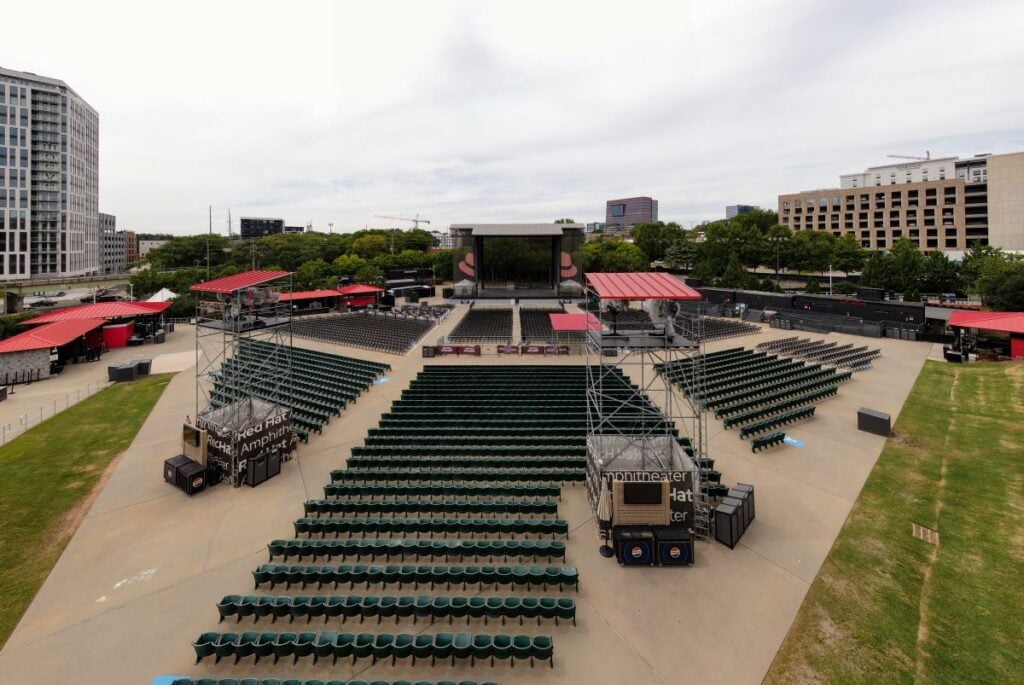
3. Attend an Event at Red Hat Amphitheater
This outdoor venue draws nationally touring musicians, comedy shows, and festivals. With skyline views and downtown walkability, it’s a must for summer nights.
- General admission and reserved seating
- Surrounded by bars, restaurants, and late-night food trucks
- Seasonal events from spring through early fall
4. Try a Guided Brewery Tour

Raleigh is home to over 30 breweries, and many offer behind-the-scenes tours, flights, and food pairings. Whether you’re into IPAs or stouts, there’s something for every taste.
- Crank Arm Brewing and Trophy Brewing are local favorites
- Raleigh Beer Garden boasts the world’s largest beer selection
- Group tours available for birthdays, date nights, or meetups
5. Spend a Day at Dorothea Dix Park
This massive city park hosts adult yoga classes, wine tastings, food festivals, and more. It’s also the perfect spot to lay out a blanket with friends on a sunny day.
- Home of Raleigh’s sunflower field in the summer
- Outdoor movies, music events, and picnics throughout the year
- Walking distance from downtown
6. Catch a Comedy Show at Goodnights Comedy Club
Laughter is always on the menu at Goodnights, a staple in the Raleigh entertainment scene. They host touring headliners as well as up-and-coming talent.
- Full food and drink service during shows
- Early and late-night set times
- Group seating and reservations available
7. Take a Cooking Class at Whisk or Sur La Table
If you’re looking to learn something new (and tasty), Raleigh’s cooking classes are a fun, interactive way to spend an evening. Great for couples or small groups.
- Themed nights like pasta-making or wine-pairing dinners
- Bring your own drinks to some sessions
- Leave with a full meal and new skills
8. Enjoy a Rooftop Experience at Level7
Located atop the AC Hotel, this trendy rooftop bar in North Hills offers city views, craft cocktails, and a social scene that doesn’t feel overcrowded.
- Elevated menu with small plates and signature drinks
- Heated areas in winter and shaded sections in summer
- A perfect spot for golden hour and date nights
9. Relax with a Spa Day or Massage
Don’t overlook Raleigh’s wellness scene. From Korean-style saunas to local massage studios and float therapy, there are plenty of ways to unwind.
- The Umstead Spa in nearby Cary is a luxury favorite
- Urban Float and Spavia Day Spa offer calming alternatives
- Ideal for recharging after a busy workweek
10. Go Vintage Shopping in Downtown
If you like to find one-of-a-kind pieces, downtown Raleigh has a range of vintage shops, record stores, and curated boutiques that feel more like experiences than errands.
- Father & Son and Edge of Urge are local staples
- Great spots for gifts, art, or wardrobe updates
- Most are walkable from the city center
Raleigh’s Best Adult Events by Season
Planning ahead? Here are seasonal favorites that locals and visitors look forward to each year.
Spring & Summer
- Artsplosure (May): Downtown art festival with music, crafts, and interactive exhibits
- Brewgaloo (April): One of the largest craft beer festivals in the Southeast
- Sunset Concert Series at Dix Park: Free music and food trucks with a picnic vibe
- Downtown Raleigh Food Truck Rodeo: Sprawls across multiple streets with dozens of vendors
Fall & Winter
- First Night Raleigh (New Year’s Eve): Art installations, fireworks, and live music
- Raleigh Christmas Parade: A tradition since 1944, perfect for families and adults
- Whiskey & Wine Festival: Hosted indoors with tastings and pairings
- NC State Fair (October): Even grown-ups can enjoy rides, music, and fair food
Raleigh Nightlife vs. Daytime Experiences

You don’t have to stay out late to enjoy Raleigh. Here’s a breakdown of the types of activities available based on the time of day.
| Type | Daytime Ideas | Nighttime Ideas |
| Active Outings | Hiking at Umstead, kayaking at Lake Johnson | Live music at The Ritz or Lincoln Theatre |
| Food & Drink | Food hall lunch at Morgan Street | Tapas and drinks at Barcelona Wine Bar |
| Cultural | Art exhibits at CAM Raleigh | Poetry readings and film screenings |
| Socializing | Farmers market meetups | Group karaoke at The Green Light Bar |
Tie Fun with Function: Don’t Forget Your Home
With all the excitement Raleigh and surrounding areas offer, it’s easy to forget the everyday stuff—like how seasonal changes impact your home. If you’re planning outdoor meetups or hosting friends, it’s a good opportunity to walk around your property and take a quick look at your roof and gutters.
- Look for loose or missing shingles, especially after storms
- Check that gutters are clear before a rainy weekend
- Watch for signs of sagging, pooling water, or streaks on siding
- Plan ahead by scheduling seasonal inspections around your busier social calendar
Whether it’s summer patio season or time to hang holiday lights, a safe, well-maintained roof keeps everything running smoothly at home.
Final Thoughts and Local Help When You Need It
Whether you’re exploring downtown rooftops, sipping cocktails at a hidden bar, or enjoying a relaxing Saturday at the park, there’s no shortage of things to do in Raleigh, NC for adults. The city blends laid-back Southern charm with modern energy, offering something for every interest and lifestyle.
While you enjoy what the city has to offer, Barkley-Jensen Roofing is here to make sure your home keeps up with your lifestyle. If you’ve noticed signs of wear, or just want to be proactive, contact us today to schedule a seasonal inspection or consultation. We’re proud to serve Raleigh and surrounding areas with the same attention to detail that makes this city such a great place to live.
Things to Do in Raleigh, NC (Summer + Winter Guide)
01.27.2026
7 Min Read
If you’re searching for things to do in raleigh nc, you’re in luck—this city offers a perfect blend of nature, culture, and comfort year-round. From summer concerts to cozy winter escapes, there’s always something to explore. And while many homeowners plan their outings around weather, it’s just as important to plan seasonal home upkeep, like the type of maintenance discussed on this page when preparing for the elements.
• Seasonal activities locals and visitors love
• Outdoor vs. indoor options for summer and winter
• Must-see Raleigh attractions with local flair
• Family-friendly and budget-friendly suggestions
Why Raleigh Is a Year-Round Destination
Raleigh and surrounding areas have grown into one of North Carolina’s most livable regions—known for its mix of arts, food, green space, and mild seasonal changes. Whether you’re here for a few days or you’ve lived here for years, this city blends Southern hospitality with metropolitan amenities.
The best part? It’s not just about “what to do”—it’s about how Raleigh lets you live, relax, and recharge no matter the season.
- Four-season variety: Winters are mild enough to enjoy the outdoors, and summers bring long, sunny days
- Diverse activities: Raleigh offers museums, music, trails, festivals, and food—all within minutes of each other
- Family appeal: Plenty of activities are geared toward kids and teens without breaking the bank
- Local pride: Many of Raleigh’s top spots are locally owned or supported, keeping the city’s unique charm intact
10 Best Things to Do in Raleigh This Summer and Winter
Raleigh offers a variety of activities for every season. Whether you’re looking for something active, cultural, or relaxing, this list gives you year-round ideas to keep your calendar full.
1. Stroll Through the North Carolina Museum of Art
No matter the season, this spot is perfect. Summer visitors can explore the outdoor trails and massive art park, while winter offers a peaceful retreat indoors.
- Free general admission
- Over 160 acres of trails and outdoor installations
- Guided tours and family-friendly workshops available year-round
2. Attend a Concert at Red Hat Amphitheater (Summer)
Set in downtown Raleigh, Red Hat Amphitheater hosts nationally touring acts with a backdrop of skyline views and a summer breeze. Bring a blanket, grab local food, and enjoy live music under the stars.
- Outdoor venue with great sound and sightlines
- Convenient to bars and restaurants
- Seasonal events from May through September
3. Ice Skate at The Rink at Red Hat (Winter)
When winter rolls in, Red Hat transforms into a seasonal ice rink that’s great for families, couples, and anyone looking for a festive downtown vibe.
- Skate rentals available
- Holiday music and decor set the tone
- Nearby hot cocoa spots make it a cozy outing
4. Visit Pullen Park
This historic park near NC State University is one of the oldest amusement parks in the country. In summer, paddle boats and train rides are a favorite. In cooler months, enjoy playgrounds, walking paths, and picnic shelters.
- Carousel, train rides, and pedal boats
- Shaded playgrounds perfect for all seasons
- Great for kids or casual meetups with friends
5. Explore the State Farmers Market
Open year-round, the State Farmers Market is a staple for fresh produce, baked goods, plants, and locally made items. It’s ideal for a weekend outing with something for everyone.
- Heated and covered buildings in winter
- Outdoor stalls and fresh fruit in summer
- Great local food vendors and handmade gifts
6. Bike the Neuse River Greenway Trail
Stretching over 27 miles, this scenic trail winds through wooded areas, wetlands, and farmlands. It’s perfect for a summer ride or a brisk winter walk.
- Flat and well-maintained trail for all skill levels
- Connects to other Raleigh greenways and parks
- Great for runners, dog walkers, and cyclists
7. Tour Historic Yates Mill County Park
Get a glimpse of Raleigh’s agricultural past at this fully restored gristmill and 174-acre wildlife refuge. Guided tours, nature trails, and picnic areas make it a great year-round destination.
- Seasonal mill tours available
- Walking trails and photography spots
- Educational displays about local history and environment
8. Cozy Up in a Raleigh Café (Winter Favorite)
Raleigh is full of independent coffee shops and tea houses. During winter months, these become ideal spots for reading, working, or catching up with friends.
- Try places like Jubala Coffee, Sir Walter, or The Optimist
- Many offer local pastries, fire pits, or live acoustic sets
- Excellent for a midday break or casual business meeting
9. Experience First Friday Downtown (Year-Round)

On the first Friday of every month, downtown Raleigh comes alive with art exhibits, live music, food trucks, and extended shop hours.
- Free entry to art galleries and museums
- Local vendors and makers on display
- Great opportunity to discover new parts of the city
10. Hike at Umstead State Park
For a nature escape just minutes from the city, head to Umstead. Summer brings lush greenery and active wildlife, while winter offers quiet solitude and crisp air.
- Over 20 miles of trails
- Lakeside picnic areas and fishing access
- Ideal for hiking, mountain biking, or just relaxing outdoors
Indoor vs. Outdoor Raleigh Activities by Season
Both winter and summer in Raleigh offer a healthy mix of indoor and outdoor adventures. Here’s how to enjoy the city regardless of the weather.
Summer Highlights:
- Kayaking on Lake Johnson: Rentals available and trails nearby
- Downtown food truck rodeos: Sample from dozens of vendors
- NC Museum of Natural Sciences: Escape the heat while learning something new
- Sunset drinks at Wye Hill Kitchen & Brewing: Great views and patio seating
Winter Favorites:
- Cameron Village Underground: Boutique shopping in a cozy setting
- PNC Arena: Hurricanes hockey and concerts
- Raleigh Christmas Parade (late November): A local tradition
- Visit Mordecai Historic Park: History buffs love the guided tours
Seasonal Roofing Considerations for Raleigh Homeowners
While planning your seasonal fun, it’s also smart to think about home maintenance—especially your roof. Raleigh and surrounding areas experience a mix of heavy summer rain, strong winds, and occasional winter freezes.
Here’s how the weather impacts your roof throughout the year:
- Summer storms: Wind-driven rain can lift shingles and cause leaks
- Winter frost: Freeze-thaw cycles may crack flashing or sealant
- Debris buildup: Falling leaves and spring pollen can clog gutters
- UV exposure: Prolonged sun weakens roofing material over time
If you notice any staining, missing shingles, or sagging spots while doing yard work or hanging lights, it’s worth having your roof inspected. Seasonal damage can add up quickly if left unaddressed.
Tips for Enjoying Raleigh Like a Local

Whether you’re new to the area or just want to explore more, a few local tips can make all the difference.
- Buy a GoRaleigh day pass: Easy and affordable public transportation
- Check out VisitRaleigh.com: Updated calendar of local events
- Download the AllTrails app: Discover lesser-known nature trails
- Support local: From the arts to restaurants, Raleigh thrives on community-driven businesses
Final Thoughts and Local Help When You Need It
Raleigh and surrounding areas offer a full calendar of activities no matter the season. From outdoor adventures in the summer to indoor escapes in the winter, there’s always something worth discovering. And while you’re enjoying everything this city has to offer, don’t forget to care for the home that keeps you comfortable through it all.
If your roof is due for a checkup or you’ve noticed changes after recent weather, contact us today to schedule an inspection with Barkley-Jensen Roofing. We’ll help keep your home secure—so you can focus on enjoying Raleigh to the fullest.
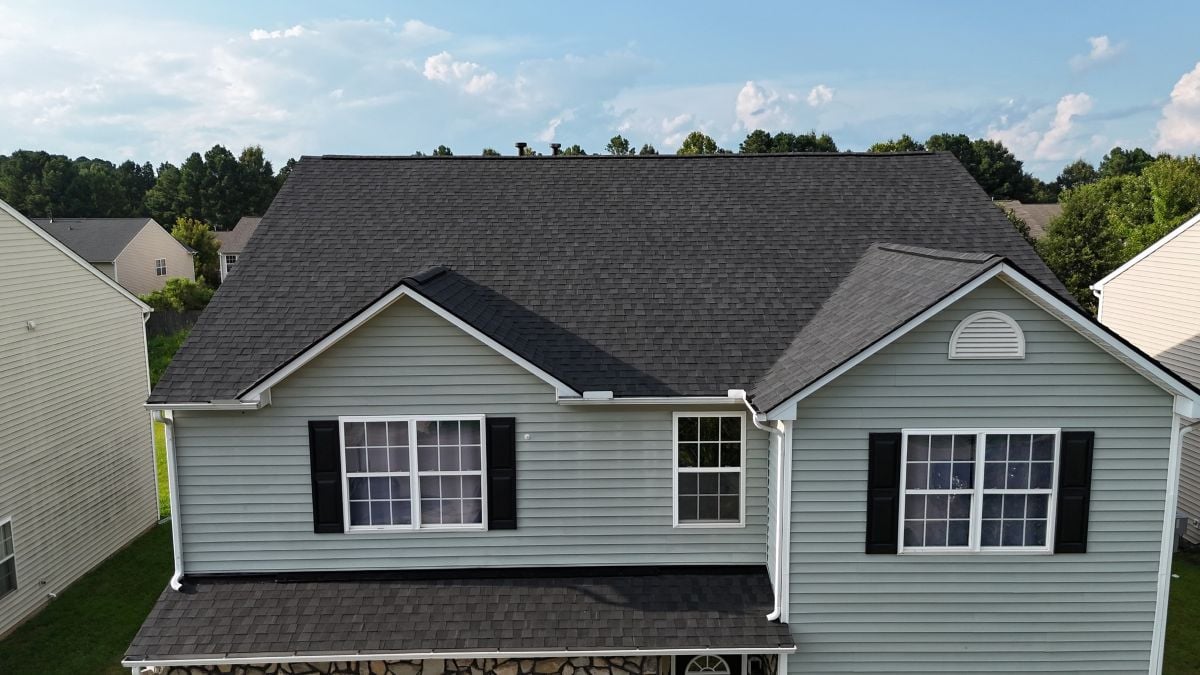
Main Impacts of Raleigh Weather on Your Roofing System
01.22.2026
7 Min Read
Homeowners rarely think about the effects of raleigh weather until a roof leak or storm damage forces them to. In Raleigh and surrounding areas, seasonal changes can create serious wear and tear on your roofing system. Many residents begin understanding their roof’s weak spots by reviewing how local professionals approach inspections, replacements, and upgrades like those explained on this local resource.
• Which local weather conditions cause the most roof damage
• How roofing systems respond to seasonal stress
• Warning signs homeowners should look for
• What to do if your roof is affected by Raleigh’s climate
Why Raleigh Weather Should Matter to Every Homeowner
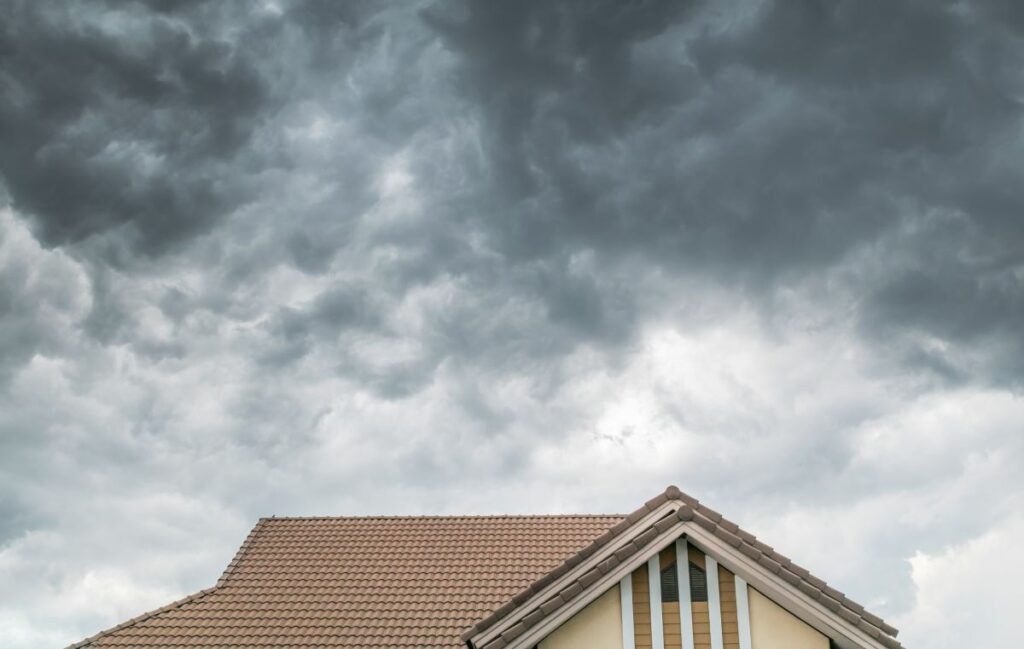
North Carolina’s Triangle region experiences a wide range of weather throughout the year—each with its own impact on your roof. From humid summers and cold winters to windstorms and hurricanes, Raleigh weather is anything but predictable. If you’re not maintaining your roof with these shifts in mind, small issues can snowball into expensive repairs.
Knowing how weather influences roof performance is the first step in extending its lifespan. It also helps you prepare before seasonal extremes hit your home.
Here’s why understanding your local climate matters:
- Year-round exposure: Heat, rain, wind, and cold all take turns testing your roof
- Localized challenges: What affects a roof in Charlotte or Asheville might not apply in Raleigh and surrounding areas
- Maintenance planning: Anticipating seasonal wear helps reduce emergency costs
- Insurance claims: Recognizing storm-related damage ensures you act within the proper timeframe
6 Key Weather Impacts on Roofing Systems in Raleigh
Each season in Raleigh and surrounding areas brings its own challenges. Below are the main environmental factors that put pressure on residential roofs and what that means for homeowners.
1. Summer Heat and UV Rays
Raleigh summers are hot, humid, and long. Extended exposure to sunlight and high temperatures causes roofing materials—especially asphalt shingles—to break down over time.
Common effects include:
- Fading or discoloration
- Cracking or curling of shingles
- Drying of underlayment and flashing
- Shortened lifespan of roof sealants
UV rays weaken the integrity of even the best roofing systems. Without regular inspection, damage caused by sun exposure may go unnoticed until a leak appears.
2. Thunderstorms and Wind Damage
Heavy thunderstorms are common from spring through early fall. Winds over 45 mph can lift shingles, dislodge flashing, and send debris flying into the roof structure.
Wind-related risks:
- Lifted or missing shingles
- Detached gutters or downspouts
- Broken ridge vents or pipe boots
- Water intrusion near exposed fasteners
Storms can strip away protective layers, leaving your roof vulnerable to the next round of rainfall. This type of damage often requires urgent repair.
3. Heavy Rain and Drainage Issues
Raleigh averages more than 45 inches of rain annually, and roofs that don’t drain properly can develop mold, rot, and long-term moisture issues.
Red flags after sustained rain:
- Pooling water near valleys or chimneys
- Saturated or clogged gutters
- Water spots on ceilings or in the attic
- Musty smells near insulation or drywall
Proper slope, flashing, and clean gutters are your best defenses. If any part of your drainage system fails, water will find a way into your home.
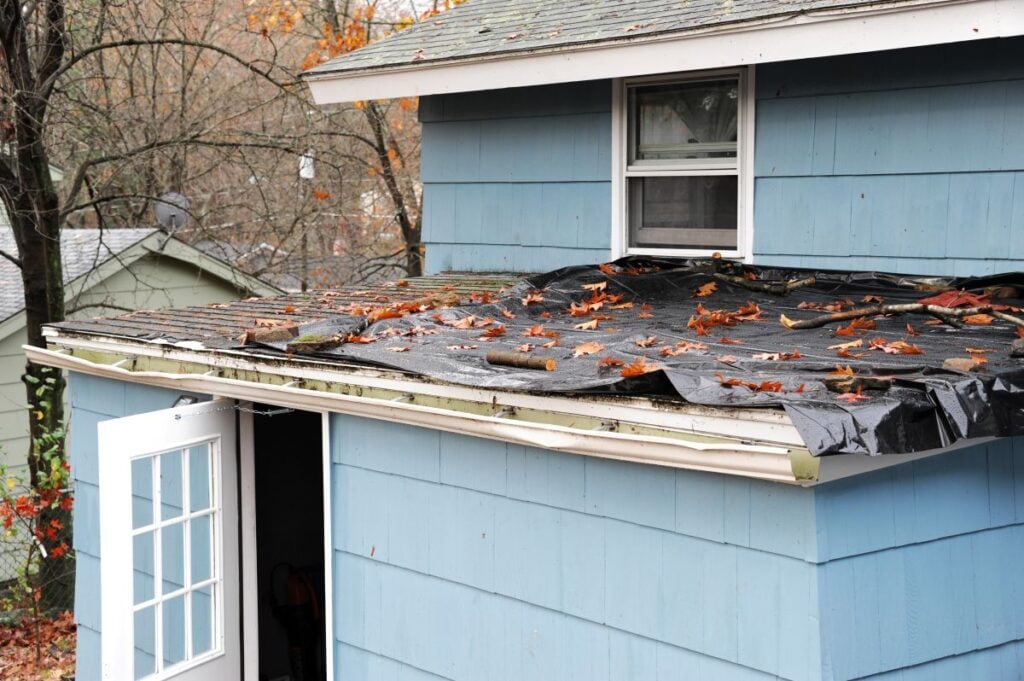
4. Winter Freeze-Thaw Cycles
Winters in Raleigh are relatively mild, but temperatures do dip below freezing multiple times a year. The freeze-thaw cycle can cause minor cracks in shingles or flashing to expand, leading to more significant openings.
Winter weather leads to:
- Ice damming along eaves
- Loose or separated flashing
- Cracked caulk or sealant joints
- Minor roof leaks during mid-winter thaws
Preventative winter inspections are key. Small problems tend to worsen quickly in cold weather.
5. Pollen and Tree Debris in Spring
Each spring, Raleigh and surrounding areas are coated in yellow pollen. Add in heavy tree cover, and many roofs become littered with organic debris.
Impacts of spring buildup:
- Algae or moss growth
- Water retention under leaf piles
- Blocked roof ventilation
- Gutter clogging and overflow
Spring is the best time for a roof tune-up. Removing debris and checking attic ventilation prevents year-round issues.
6. Hurricane Season Risks
While Raleigh doesn’t sit on the coast, the area still experiences hurricanes and tropical storms during late summer and fall. Even a weakened hurricane can deliver enough wind and rain to damage a well-built roof.
Hurricane impacts may include:
- Wind-driven rain under shingles
- Debris impact (branches, roofing from other homes)
- Missing ridge caps or hip shingles
- Widespread leaks along flashing lines
After a major storm, a quick inspection by a local professional can prevent minor damage from growing worse.
How Raleigh’s Weather Impacts Roofing Materials
Not all roofing materials perform the same under local weather conditions. Here’s how the most common types used in Raleigh hold up:
Asphalt Shingles
Asphalt shingles are the most popular roofing material in Raleigh due to affordability and versatility. However, they can wear down faster in high-UV, high-humidity conditions.
- Lifespan: 15–25 years (varies with quality)
- Vulnerabilities: Curling, cracking, and loss of granules
- Best practices: Regular inspections, ventilation, and algae-resistant options
Metal Roofing
Metal roofs are increasingly popular because they reflect UV rays and resist wind damage well. However, poor installation or cheap coatings can lead to expansion issues or corrosion.
- Lifespan: 40–70 years
- Strengths: Great for rain and wind resistance
- Weaknesses: Susceptible to denting from debris
Synthetic Shingles or Slate Alternatives
Some high-end homes in Raleigh use synthetic materials that mimic natural slate or wood. These products hold up well to local weather but can be pricey.
- Lifespan: 30–50 years
- Advantages: Durable, low maintenance
- Challenges: Cost and limited local contractor experience
Warning Signs That Weather Has Affected Your Roof
Recognizing weather-related roof damage early allows for more affordable solutions. If you live in Raleigh and surrounding areas, keep an eye out for these signs:
- Missing or loose shingles: Often the result of recent storms
- Sagging roofline: May indicate water infiltration and deck damage
- Granules in the gutters: A sign of sun-damaged shingles
- Stains on ceilings or attic rafters: Proof of slow leaks
- Black streaks or moss: Caused by organic buildup and moisture
Don’t wait for a visible leak before calling a professional. By then, the damage may have already spread beyond the roof itself.
Seasonal Roof Maintenance Tips for Raleigh Homes
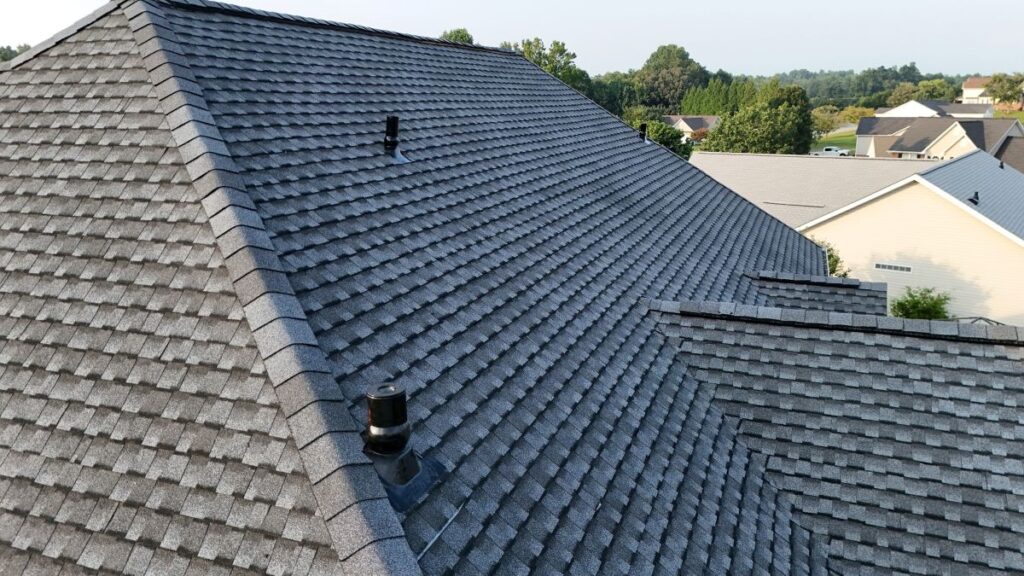
Being proactive throughout the year helps extend your roof’s life and prevents surprise repairs. Below are maintenance strategies based on Raleigh’s unique climate.
Spring:
- Clear off pollen, leaves, and branches
- Check for algae or moss growth
- Inspect gutter systems for blockages
Summer:
- Look for heat blisters or curling shingles
- Ensure attic ventilation is adequate
- Schedule a mid-year inspection before storm season
Fall:
- Remove fallen leaves to avoid buildup
- Inspect flashing and chimney caps
- Secure loose gutters before hurricane winds arrive
Winter:
- Check attic insulation and airflow
- Watch for icicles or signs of ice damming
- Seal small cracks before they freeze and expand
Final Thoughts and Next Steps for Raleigh Homeowners
Raleigh weather affects every roofing system differently, but the risks are real whether you’ve had your roof for five years or twenty. Staying ahead of seasonal damage saves money and protects the structure of your home long term.
If you’re unsure how your roof is holding up—or if you’ve noticed signs of wear—don’t wait until the next storm makes things worse. To get expert guidance and a trusted inspection from a local team, contact us today at Barkley-Jensen Roofing. We’ll help you keep your roof strong and ready for whatever the Raleigh weather brings next.
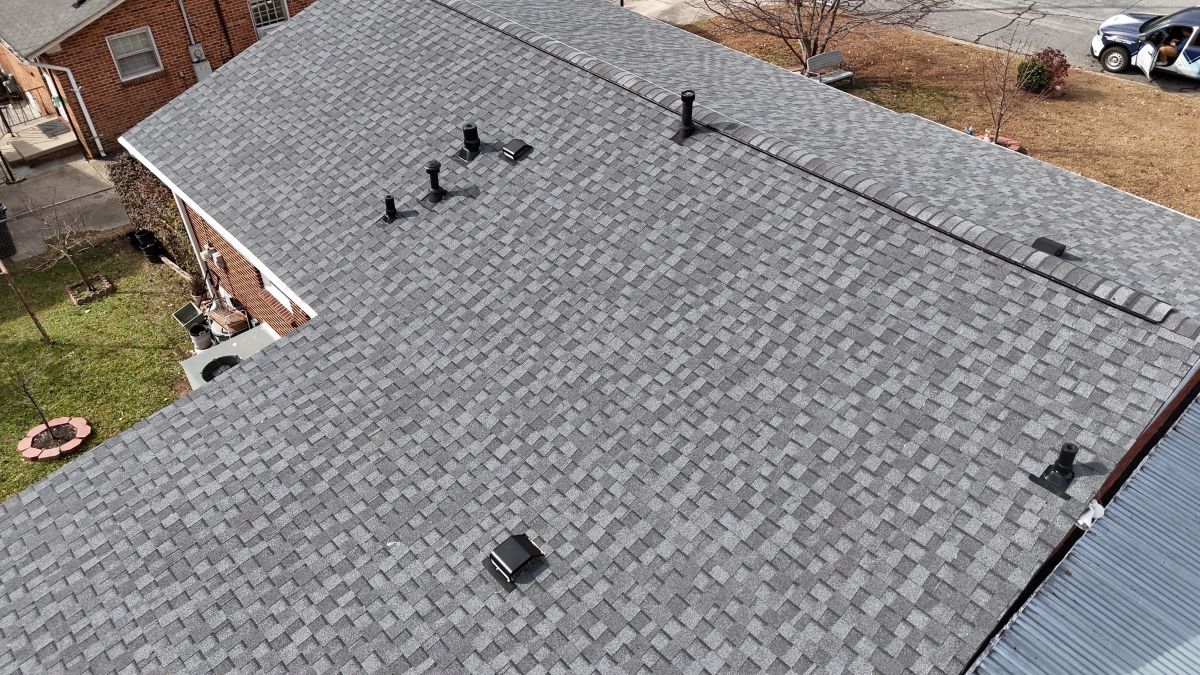
Best Roofing Companies In Knightdale, NC (Expertise, Services, & More)
01.20.2026
7 Min Read
If you’re searching for roofing companies in knightdale nc, you’re probably looking for more than just someone with a hammer and a truck. You want a company that’s responsive, honest, and highly skilled. In Knightdale and surrounding areas, local knowledge makes a big difference—especially when it comes to weather and building codes. Many homeowners start by learning how qualified roofers assess, plan, and complete jobs like the ones detailed on this helpful page.
• What makes roofing companies in Knightdale worth your trust
• Which companies have the best reputation and services
• What to expect during inspections, repairs, and replacements
• How to avoid hiring the wrong contractor
Why It Pays to Choose the Right Roofing Contractor in Knightdale
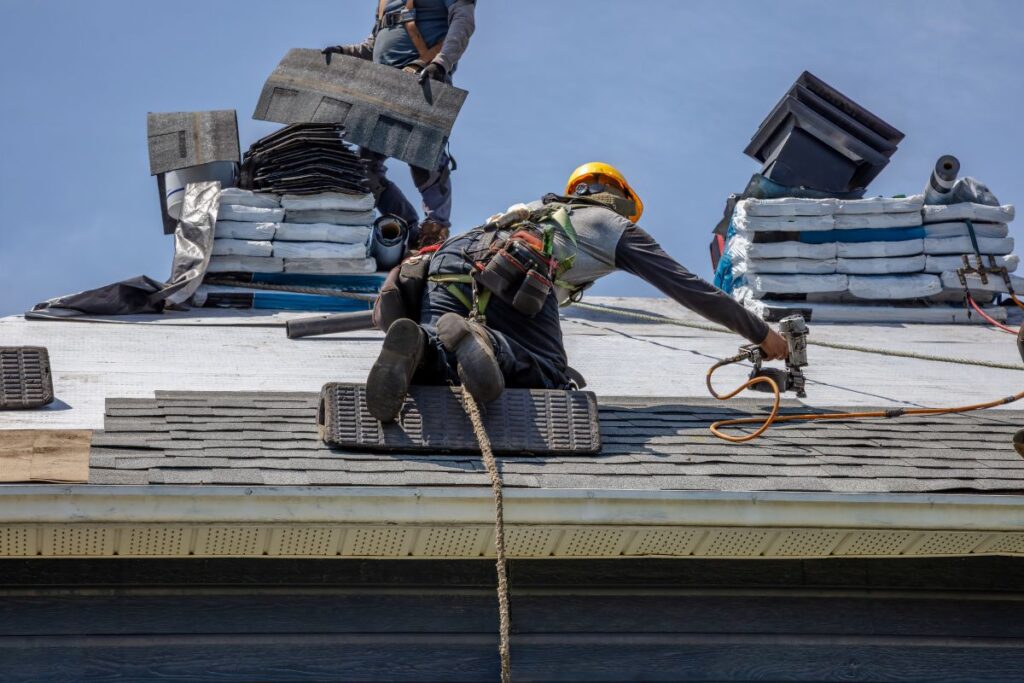
Not all roofing companies deliver the same quality of service—and in Knightdale and surrounding areas, that difference shows up fast. From strong summer storms to rising humidity levels, your roof takes a beating year-round. Hiring a knowledgeable and experienced team means your roof will last longer, perform better, and cost less over time.
Great roofers don’t just install shingles. They help you make informed decisions, avoid unnecessary costs, and get the most out of your investment. That’s especially valuable when it comes to protecting your home, family, and budget.
Key reasons to work with a reputable local roofing company:
- Long-term savings: Proper installation reduces repairs and early replacements
- Code compliance: Local pros know town regulations and HOA rules
- Weather resilience: Regional experience helps fight heat, rain, and wind damage
- Peace of mind: Reliable roofers explain, deliver, and guarantee their work
5 Best Roofing Companies in Knightdale, NC
We reviewed dozens of companies in Knightdale and surrounding areas to highlight the five best based on real homeowner feedback, service offerings, and overall professionalism. Each of these companies consistently delivers high-quality results.
1. Barkley-Jensen Roofing
Barkley-Jensen Roofing leads the list thanks to its focus on customer education, fair pricing, and excellent craftsmanship. Homeowners throughout Knightdale praise the company’s transparency and responsiveness—especially when it comes to offering honest assessments instead of pushing full replacements.
Barkley-Jensen specializes in residential asphalt shingle and metal roofing systems, offering strong warranties and personalized support from inspection to cleanup.
Highlights:
- Clear and pressure-free consultations
- Well-trained local crews and consistent communication
- Strong reputation for cleanup and follow-through
- Workmanship warranties that match or exceed competitors
2. Housetop Roofing & Home Improvement
Housetop Roofing offers roofing alongside a full suite of exterior home services. Based just outside of Knightdale, they’ve been serving Wake County for decades with a focus on long-term homeowner relationships.
This company is a great option for those looking to bundle roofing with siding or gutter work. Their roofing division is well-versed in shingle systems and also handles insurance-related jobs.
Best for:
- Combining roofing with other exterior upgrades
- Homes needing storm damage inspections
- Homeowners wanting one point of contact for multiple services
3. Lane’s Contracting
Lane’s Contracting is a smaller, highly rated contractor that delivers strong personal service. The owner is often directly involved in inspections and estimates, and the company maintains an excellent reputation for communication.
They focus primarily on shingle roofing systems and simple layouts, making them ideal for smaller homes or standard replacements in Knightdale and surrounding areas.
Why they stand out:
- Personalized service with strong attention to detail
- Clear estimates and detailed work scopes
- Fast turnaround and dependable timelines
4. Artisan Quality Roofing
Artisan Quality Roofing has a reputation for meticulous work and a customer-first approach. They’re known for documenting everything from inspections to final walkthroughs, giving homeowners full visibility into what they’re paying for.
While their quotes may come in higher than some competitors, the extra investment often translates into better quality and longer lifespan—something many homeowners in Knightdale appreciate.
Strong points:
- In-depth inspection process with photos and reports
- Lifetime workmanship warranty on many installs
- Exceptional reviews and repeat business
5. RC Roofing & Maintenance
RC Roofing focuses on repairs, inspections, and replacements in the Knightdale area and is often recommended by realtors and insurance agents. They specialize in helping homeowners extend the life of their current roof rather than immediately recommending replacement.
This approach makes them a smart choice for homeowners unsure if their roof really needs to be redone.
Popular for:
- Honest repair-first philosophy
- Straightforward pricing and easy scheduling
- Local ownership and tight-knit crew
What to Expect from a Quality Roofing Company
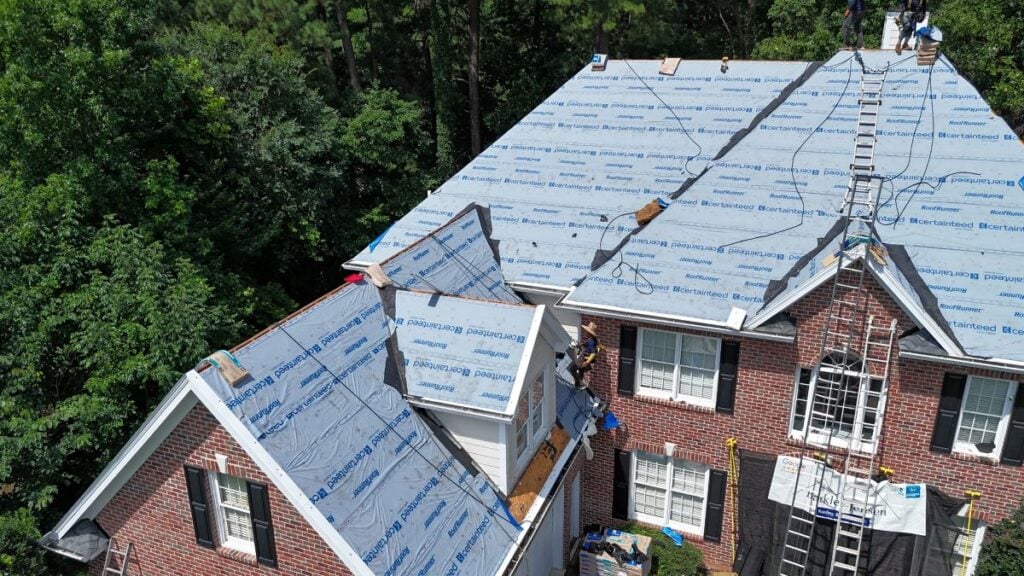
Whether you’re getting a repair or full replacement, the process should be smooth, clear, and tailored to your home. Top-rated roofing companies in Knightdale typically follow a consistent structure that ensures quality at every stage.
Inspection & Estimate
The process starts with a full roof inspection—not just a glance from the driveway. Professionals check your shingles, flashing, attic, and even your ventilation system.
A good inspection includes:
- Photographs of trouble spots
- Moisture detection or leak tracing
- A discussion of repair vs. replacement options
- Time to answer your questions
Work Scope & Materials
Once your needs are determined, you’ll receive a detailed proposal. Top companies will list material brands, underlayments, warranty coverage, and cleanup policies.
Make sure the proposal outlines:
- Shingle or metal types and colors
- Ventilation upgrades if needed
- Labor and material breakdown
- Timelines and payment structure
Installation & Cleanup
Once approved, your roofing project is scheduled. Reliable companies stick to the agreed dates and ensure the crew respects your property.
A clean install includes:
- Safety barriers and property protection
- Full tear-off if replacing the roof
- Onsite supervisor or project manager
- Magnet sweep and debris removal after completion
Services Offered by Knightdale Roofers
Not every roofing company offers the same services, so it helps to know what’s available locally and what might require a specialist.
- Roof repairs: Ideal for small leaks, flashing issues, or minor storm damage
- Full replacements: Often needed when the roof is over 15–20 years old or beyond repair
- Storm damage claims: Some companies will work directly with your insurance adjuster
- Gutter installation: Frequently bundled with roof work for better water management
- Attic ventilation improvements: Helps extend the lifespan of the new roof
- Preventative maintenance plans: Annual or semi-annual roof checkups
How to Choose Between Roofing Companies
With so many options in Knightdale and surrounding areas, here’s how to compare companies confidently:
Compare apples to apples
- Make sure every quote includes similar materials, warranties, and scope. A cheap bid that leaves out tear-off or underlayment isn’t truly cheaper.
Ask about licensing and insurance
- Reputable companies are licensed and carry general liability plus workers’ compensation. Always ask for proof.
Review communication and responsiveness
- The way a company handles your quote is a great preview of how they’ll handle your project. Delays, vague answers, or high-pressure sales are red flags.
Look at local reviews
- Focus on reviews from other homeowners in Knightdale. Pay attention to patterns—not just the overall score. Does the company follow through on promises?
Evaluate warranties carefully
- There’s a big difference between a manufacturer’s warranty and a workmanship warranty. A great roofer stands behind both.
Final Thoughts and Next Steps for Knightdale Homeowners
Choosing the right roofing company in Knightdale is one of the most important home decisions you’ll make—and it doesn’t have to be stressful. The companies listed here are trusted by homeowners, reviewed highly, and deliver real value through quality work and transparent service.
If you’re ready for an inspection, repairs, or just need honest answers about your roof’s condition, Barkley-Jensen Roofing is here to help. To get started with a team that puts your needs first, contact us today and schedule a visit with one of our local roofing specialists.