




 Get Started
Barkley-Jensen Roofing & Restoration
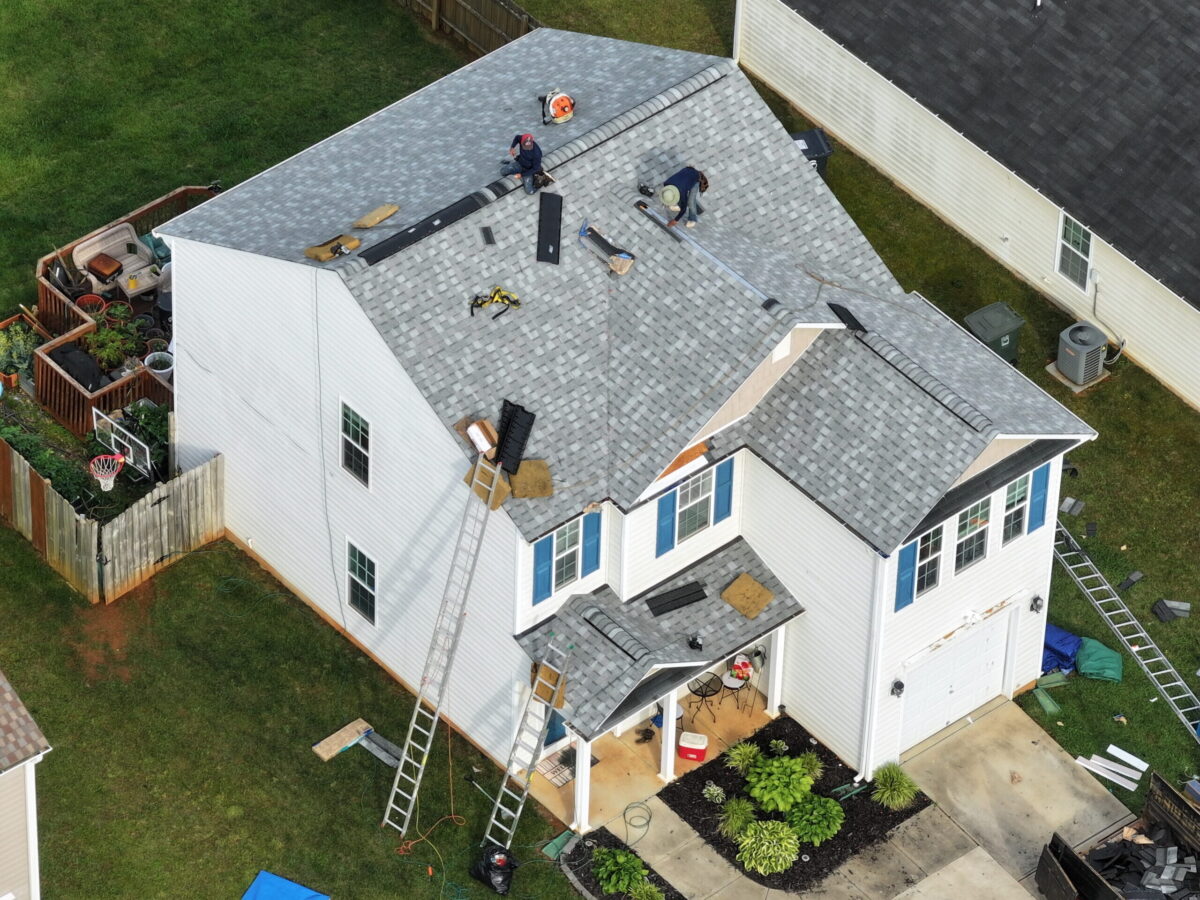
Best Roofing Companies In Garner, NC (From a Local)
01.15.2026
7 Min Read
Homeowners searching for roofing companies garner nc aren’t just looking for the lowest quote—they’re looking for a trustworthy team to protect their most valuable asset. In Garner and surrounding areas, where unpredictable weather is common, roof quality matters. Many start by researching how reputable contractors handle everything from inspections to replacements, like what’s offered through this local page dedicated to residential roof care.
• Which roofing companies in Garner are trusted by locals
• What to look for in a reliable contractor
• Tips for comparing estimates and avoiding scams
• What roofing services you’re most likely to need
Why Garner Homeowners Should Be Selective About Roofing Contractors
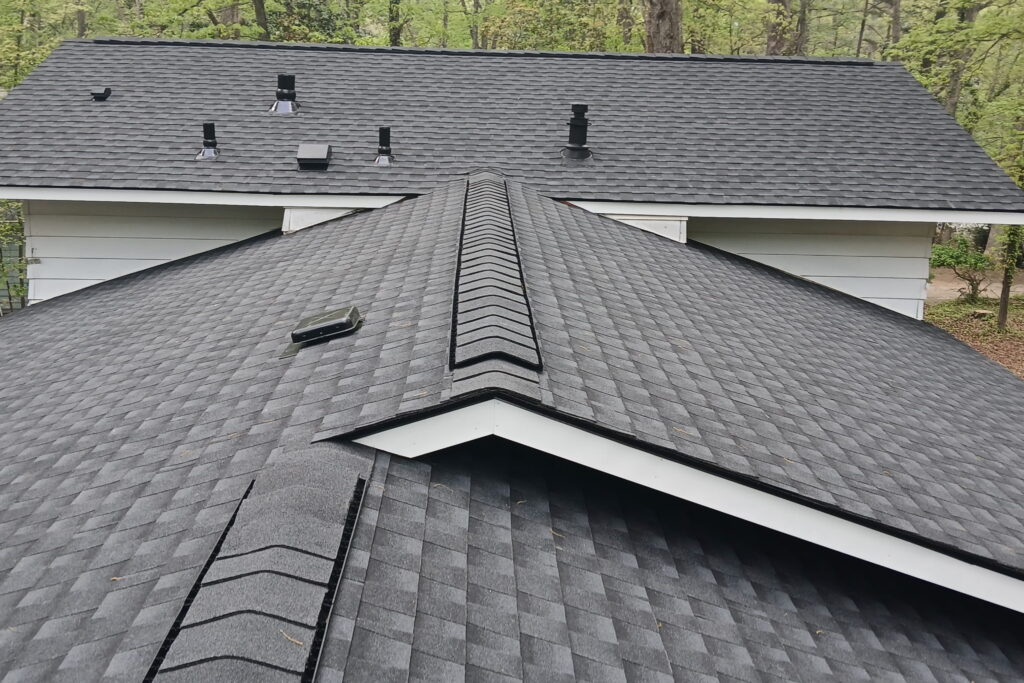
Roofing isn’t just another home improvement project—it’s a safety investment. In a place like Garner and surrounding areas, where heat, humidity, and severe storms can all take their toll, choosing a reliable roofing company can mean the difference between peace of mind and constant repairs.
Reputable roofers understand the local climate, building codes, and common material issues unique to North Carolina. This knowledge allows them to make better product recommendations, prevent ventilation issues, and properly seal your home against weather damage.
Here’s why it pays to be picky:
- Better protection: Professional installation minimizes leaks and storm vulnerabilities
- Stronger warranties: Quality companies stand behind their work
- Local knowledge: Familiarity with Garner’s weather and permitting
- Long-term value: Higher-quality work reduces the need for future repairs
5 Best Roofing Companies in Garner, NC (From a Local Perspective)
We researched dozens of roofers in Garner and surrounding areas, focusing on reviews, experience, warranties, and customer service. The five companies below consistently earn homeowner trust and deliver high-quality results.
1. Barkley-Jensen Roofing
Barkley-Jensen Roofing tops our list thanks to their transparent communication, experienced crews, and commitment to customer education. Homeowners in Garner appreciate that they take time to explain every option—never rushing the estimate or pushing for upsells.
Whether you need a simple repair or full roof replacement, Barkley-Jensen brings deep local experience and careful craftsmanship to every project. They use materials that stand up well to North Carolina weather, and they back their work with strong warranties.
Why locals trust them:
- No-pressure consultations with honest recommendations
- Thorough inspections with detailed reports
- Skilled installation crews and timely service
- Clear pricing and warranty terms
2. Baker Roofing Company
As one of the most established roofing brands in the Southeast, Baker Roofing Company has a long history of serving homeowners and businesses throughout North Carolina. Their Garner-area crews are known for structured project management and high-capacity scheduling.
While their services come at a premium price point, many homeowners feel the investment is worth it for the company’s resources, experience, and multi-team support.
What sets them apart:
- Extensive portfolio of large and small-scale roofing jobs
- Full-time crews trained in both shingle and specialty materials
- Long-standing industry reputation
- Emergency service and storm response available
3. Cox Roofing
Cox Roofing earns its spot with a reputation for fast response times and no-nonsense service. They’re particularly helpful after storm events, when quick assessments and insurance coordination become a priority.
Most of their work involves asphalt shingle systems—perfect for the standard homes found throughout Garner and surrounding areas. Homeowners say Cox crews are polite, efficient, and respectful of property during the job.
Highlights include:
- Easy scheduling, often with same-week service
- Clear communication and follow-through
- Help with filing storm-related insurance claims
- Attention to cleanup and jobsite care
4. On Tops Roofing
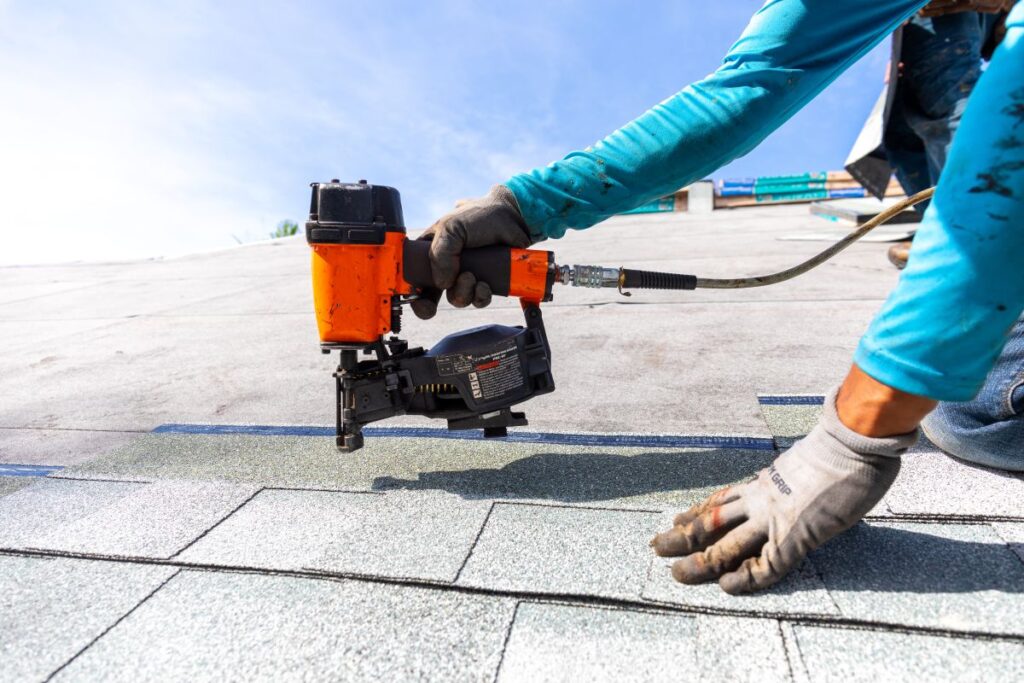
For homeowners who want a highly personalized experience, On Tops Roofing is a strong pick. Their family-owned team places a heavy emphasis on education, walking customers through every step of the process before contracts are signed.
Their pricing is competitive, and they specialize in residential shingle roof systems with a clean, modern look. On Tops also offers helpful financing plans, which are ideal for large projects that need to be budgeted over time.
Homeowners like them for:
- Straightforward advice and friendly staff
- Online learning tools and FAQs
- Fair pricing with flexible payment options
- Hands-on management from estimate to final cleanup
5. Roofwerks
Roofwerks rounds out our list with a focus on premium craftsmanship and modern roofing systems. While they serve a broader area, their crews are experienced with Garner homes and deliver a consistently polished finish—especially for architectural and designer shingles.
They also offer in-depth inspections that include attic evaluations, moisture readings, and full digital reports, making them a great choice for homeowners who want more than a visual once-over.
What makes them unique:
- Strong experience with upscale roofing materials
- Detailed documentation throughout the project
- Clean, high-end installs with minimal disruption
- Clear contracts and organized communication
What These Roofing Companies Offer (And What to Look For)
Choosing a roofer isn’t just about the brand or reviews—it’s also about the range and quality of services. Most of the top roofing companies in Garner and surrounding areas offer similar core services, but how they execute them can differ.
- Roof inspections are the starting point. The best companies don’t just peek from the driveway—they climb the roof, inspect the attic, check flashing, evaluate ventilation, and document what they find.
- Roof repairs are offered for minor damage such as broken shingles, small leaks, or flashing issues. These services help extend the life of your existing roof if the structure is still sound.
- Roof replacements become necessary when the materials have aged out or damage is widespread. A quality contractor will walk you through product options and provide a full written proposal explaining every line item.
Other common offerings include:
- Insurance claim assistance
- Storm preparation inspections
- Gutter replacement and protection
- Ridge vent and attic ventilation upgrades
How to Compare Roofing Estimates the Right Way
Once you’ve gathered estimates from a few companies, don’t just go straight to the lowest number. A well-written roofing estimate tells you not only what you’re paying, but also what you’re getting—and what could go wrong if shortcuts are taken.
Here’s what to check before you choose:
- Material details: Brand, style, and expected lifespan of products
- Scope of work: Will they tear off the old roof or just cover it?
- Warranties: Who backs the workmanship and material guarantees?
- Schedule: How long will the project take from start to finish?
- Payment terms: What deposit is required, and when is final payment due?
Make sure everything is in writing. Verbal promises are hard to enforce later if expectations aren’t met.
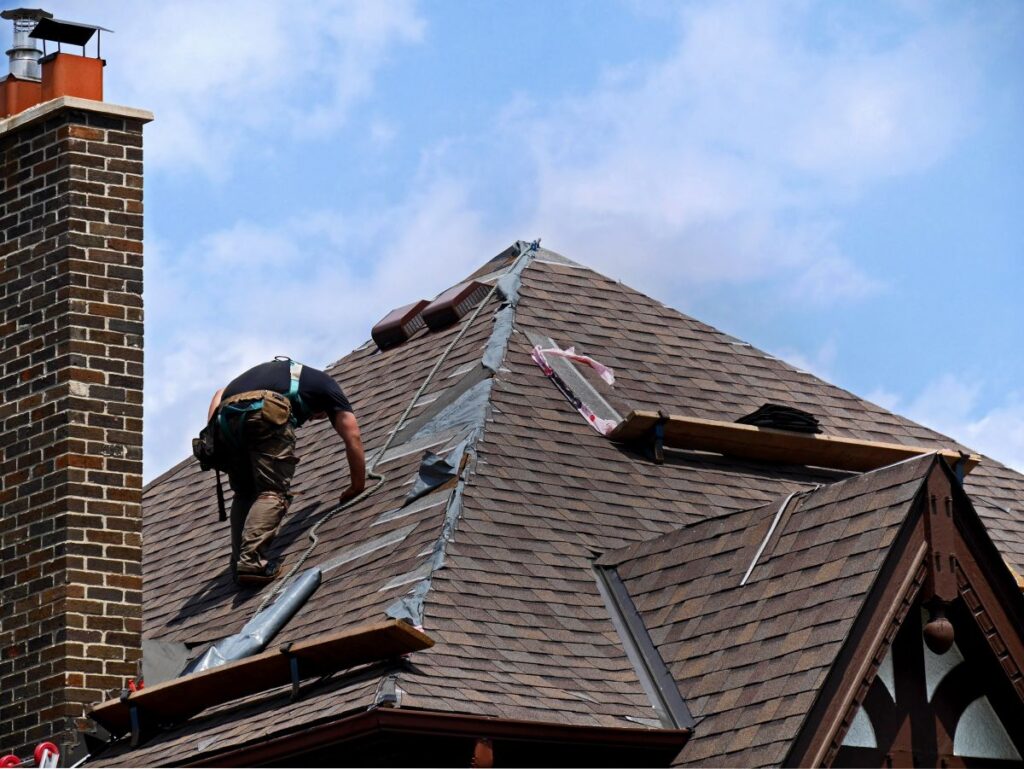
Mistakes Homeowners Make When Hiring a Roofer
Even when you have good companies in front of you, it’s easy to make mistakes. Homeowners in Garner should avoid these common pitfalls when hiring a roofer:
- Skipping the inspection: A company that gives you a quote without getting on the roof isn’t seeing the whole picture
- Paying too much upfront: A deposit is normal, but avoid paying more than one-third before work begins
- Not asking about insurance: Always ask for proof of liability and workers comp insurance
- Falling for pressure tactics: If someone insists their “deal” is only good today, walk away
- Choosing based on price alone: The cheapest estimate often comes with the highest long-term cost
Final Thoughts and Next Steps for Garner Homeowners
Finding the right roofing contractor in Garner takes a little time, but it’s worth the effort. The five companies above consistently deliver strong service, honest advice, and high-quality work that protects your home for years to come.
If you’re ready to get started or just want a professional opinion on your current roof, the team at Barkley-Jensen Roofing can help—feel free to contact us today to schedule your inspection or ask any questions. With local experience and a customer-first approach, they’ll guide you through the roofing process with confidence.
Best Roofing Companies In Raleigh, NC (Top Roofers Ranked)
01.13.2026
7 Min Read
Homeowners searching for roofing companies raleigh nc are often dealing with high stakes—leaks, storm damage, or aging shingles that put their home at risk. Choosing the right contractor in a crowded market like Raleigh and surrounding areas is crucial to avoid costly mistakes. Many start by researching local expertise and exploring how trusted providers handle everything from assessments to full replacements, like what’s offered through this helpful page on residential roof work.
• Who the top roofing companies are in Raleigh and surrounding areas
• What makes each company stand out (or fall short)
• How to compare quotes, warranties, and credentials
• What mistakes to avoid when choosing a roofer
Why Picking the Right Roofing Company in Raleigh Matters
Not all roofers offer the same level of professionalism, craftsmanship, or reliability. Your roof isn’t just shingles—it’s the first layer of protection for your entire home. In Raleigh and surrounding areas, where hot summers, heavy rain, and seasonal storms can take their toll, choosing the wrong roofer can lead to expensive problems that show up months—or even years—later.
Hiring a reputable company means peace of mind and long-term savings.
• Better durability: Proper installation avoids early wear and tear
• Fewer callbacks: The job gets done right the first time
• Clear communication: No surprises or vague estimates
• Warranty support: You’re covered if something goes wrong

5 Best Roofing Companies in Raleigh, NC (Ranked)
We reviewed local reputation, homeowner reviews, workmanship, transparency, and warranty policies to bring you the top roofing companies serving Raleigh and surrounding areas. Each company below is trusted by residents, offers solid service, and can handle a variety of residential roofing needs.
1. Barkley-Jensen Roofing
Barkley-Jensen Roofing tops the list for its clear commitment to customer education, honest estimates, and durable workmanship. Homeowners love that they don’t feel pressured into decisions—this team takes time to inspect your roof thoroughly, explain the pros and cons of each option, and guide you toward the right solution.
They specialize in full replacements and repairs for asphalt shingle and metal roofs, using high-quality materials that perform well in the Raleigh climate. Their crew is known for showing up on time, staying on budget, and leaving the jobsite clean.
Why choose Barkley-Jensen Roofing:
• Local, highly trained crews
• Transparent pricing with no surprises
• Workmanship warranties that back up their installs
• Focus on long-term roof performance, not quick fixes
2. Baker Roofing Company
Baker Roofing is one of the oldest and most established names in the Southeast. Their Raleigh branch offers both residential and commercial roofing services, including replacements, minor repairs, and storm damage restoration.
They’re known for their extensive project management systems and deep bench of technicians, making them ideal for large-scale or complex roof replacements. Their quotes are usually on the higher side, but many homeowners consider the extra cost worthwhile for the added support.
Why Baker Roofing ranks high:
• Over 100 years of experience in the industry
• Manufacturer-certified installers
• Capable of handling both small homes and large commercial properties
• 24/7 emergency services available
3. Cox Roofing
Cox Roofing is a strong mid-sized option offering straightforward service and fast response times. They’re particularly well-known for handling storm-related damage and helping homeowners navigate insurance claims.
Homeowners say Cox is easy to communicate with, sticks to promised timelines, and delivers solid work on standard residential jobs. Their focus is mostly asphalt shingles and ridge vent systems, with some experience in metal roofing.
What homeowners appreciate about Cox Roofing:
• Quick turnaround on repairs
• Clear, no-pressure estimates
• Friendly crews and hands-on project management
• Familiar with local HOA and city permit processes
4. On Tops Roofing
On Tops Roofing is a family-owned business focused entirely on residential roofing in Raleigh and surrounding areas. They emphasize homeowner education and offer an easy-to-follow process for getting a roof inspected, quoted, and installed.
Their website features a full learning center and detailed explanations of common roofing concerns, making them a great fit for first-time homeowners who want to understand their options before investing.
Highlights of working with On Tops Roofing:
• Residential roofing specialists
• Education-first approach to sales
• Competitive pricing and financing options
• Excellent online customer support and follow-through
5. Roofwerks
Roofwerks is a locally-owned company that focuses on high-quality installations using both traditional shingles and premium products like metal and synthetic slate. They have a strong reputation for customer satisfaction and offer detailed digital reports during inspections.
While they’re not the cheapest option, homeowners who want upscale roofing systems often turn to Roofwerks for their attention to detail and high-end material knowledge.
Roofwerks is known for:
• Specialization in architectural shingles and premium roofs
• Strong follow-up after installation
• Well-reviewed customer service team
• Support for HOA compliance and specialty requests
How These Roofers Were Evaluated
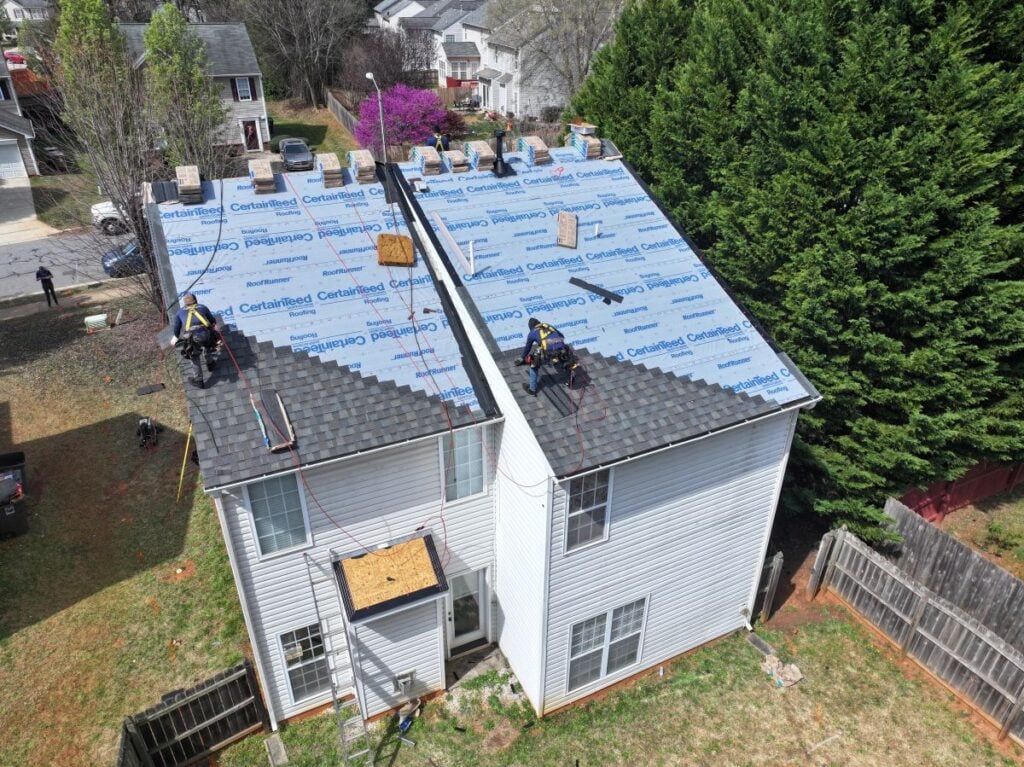
These rankings were based on publicly available homeowner reviews, local reputation, professionalism, licensing, and value—not just marketing. We looked closely at:
• Google and BBB ratings
• Warranty clarity and transparency
• License and insurance verification
• Material options and product quality
• Professionalism during the quoting process
Roofers that push high-pressure sales, offer vague quotes, or lack proper credentials were not included.
Services These Top Companies Typically Offer
While not all roofers offer the exact same services, these Raleigh-based companies typically handle a wide range of residential needs. Whether you’re dealing with storm damage, old age, or ventilation issues, the following services are commonly offered:
• Roof inspections: Free or low-cost evaluations with detailed reports
• Shingle repair: Spot fixes for blown-off or cracked shingles
• Full replacements: Tear-off and install of new systems using asphalt, metal, or composite
• Storm damage repair: Emergency service or insurance coordination
• Ventilation upgrades: Adding ridge vents, soffits, or attic airflow solutions
Some companies also offer roof coatings, skylight installation, or gutter replacement as part of a full roof system.
How to Compare Roofing Quotes the Right Way
Once you’ve contacted two or three companies for a quote, the next step is comparison. But don’t just look at price. Review the full proposal: does it break down materials, labor, warranty, and timeline?
Look for these in a strong roofing quote:
• Clear description of materials and manufacturer brands
• Number of labor hours or days expected
• Cleanup and disposal policy
• What is and isn’t covered by warranties
• Payment terms and scheduling process
If one estimate is significantly lower, ask why. It might not include the same materials or warranty terms.
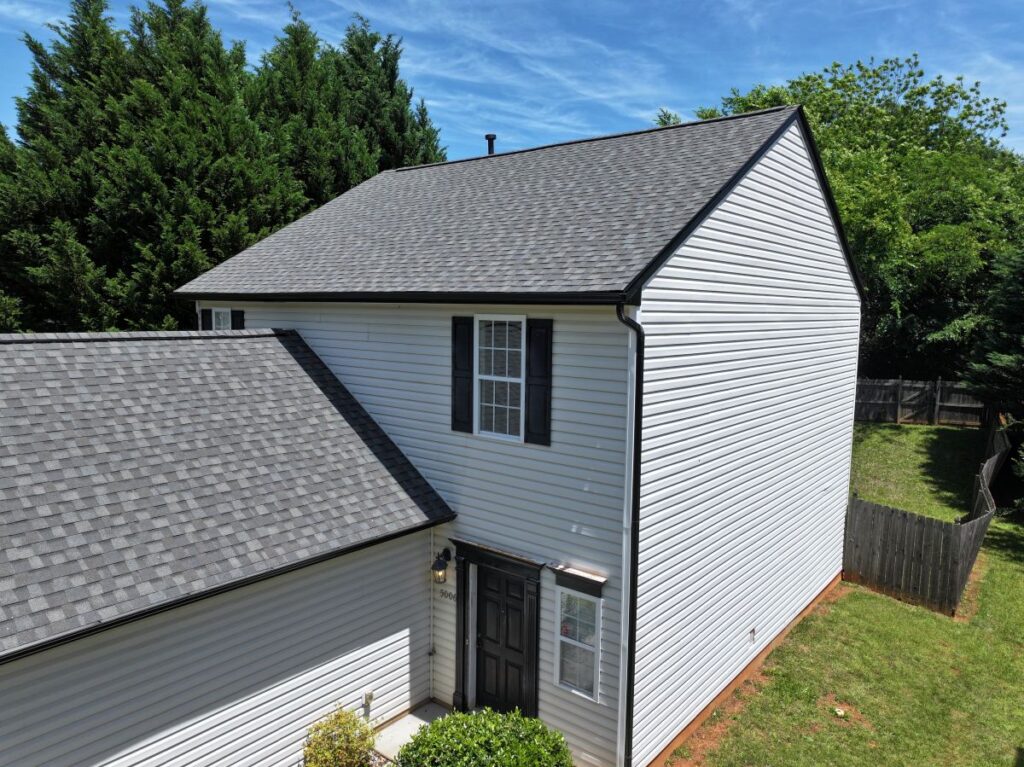
Common Mistakes to Avoid When Hiring a Roofer
Choosing a roofing company isn’t just about getting the job done—it’s about getting it done right. Watch for these red flags:
• No written estimate: Always get it in writing
• Large upfront payment: A deposit is normal; half or more is not
• No license or insurance: Ask for proof and verify it
• Poor communication: If they ghost you before the job, expect worse after
• Too-good-to-be-true pricing: Low bids often skip steps or use subpar materials
Take your time. A little research goes a long way toward avoiding a costly mistake.
Final Thoughts and Next Steps
Choosing from the many roofing companies in Raleigh, NC doesn’t have to be stressful. By focusing on transparency, craftsmanship, and proven service, you’ll find a roofing partner you can rely on for years to come. The companies listed above are a great place to start your search.
If you’re ready to move forward or simply want an expert to walk you through your options, contact us today at Barkley-Jensen Roofing. We’re here to protect your home—and your peace of mind.
How to Install Gutters (7 Easy Step Guide for Homeowners)
01.08.2026
7 Min Read
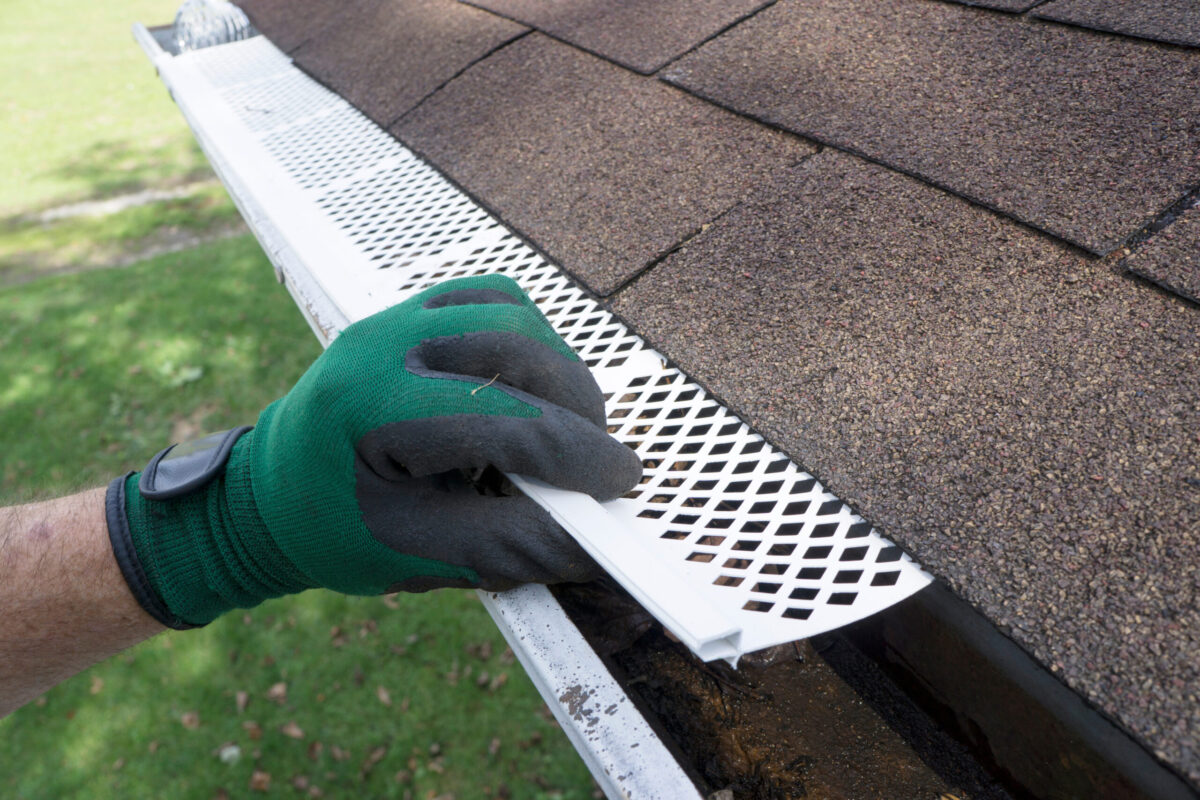
Gutters are one of those home features you don’t notice—until they stop working. Poor drainage can lead to foundation cracks, mold growth, and costly roof damage. Learning how to install gutters properly helps you protect your home from the ground up. While it might seem like a simple task, gutter installation requires planning, the right tools, and attention to slope and placement. Homeowners in Durham and surrounding areas especially benefit from reliable gutter systems due to frequent rain and moisture concerns.
Here’s what you’ll learn in this guide:
- Why installing gutters correctly matters more than you might think
- The tools and materials needed for a standard installation
- A clear 7-step process you can follow safely
- Tips for long-term gutter maintenance and upgrades
Why Proper Gutter Installation Matters
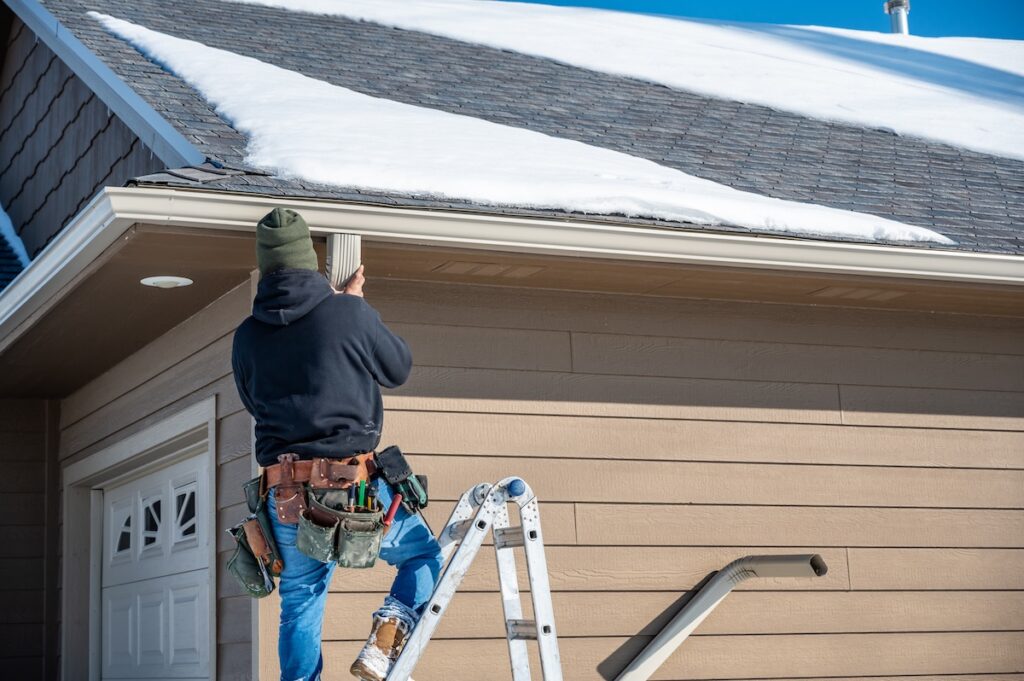
It might not be the most exciting project, but getting your gutters right can save you thousands in water damage. Gutters control the flow of rainwater off your roof and away from your home’s foundation, reducing the risk of long-term issues.
- Foundation Protection: Gutters keep water from pooling near your home’s base, which can weaken concrete or cause settling.
- Roof Preservation: By channeling water away from fascia boards and shingles, gutters reduce the risk of rot and ice dams.
- Soil & Landscaping Stability: Without gutters, erosion and water runoff can damage gardens, mulch beds, and hardscapes.
- Mold & Mildew Prevention: Standing water near siding and eaves promotes organic growth and poor indoor air quality.
- Basement Moisture Control: Redirecting water helps prevent seepage and reduces the load on your sump pump.
7 Step Guide to Install Gutters
With basic tools, a sturdy ladder, and a little patience, most homeowners can handle a straightforward gutter installation. Just be sure to work safely and measure carefully.
1. Plan Your Layout and Measure
Before you buy anything, assess where your gutters will go. Most homes need gutters on the eaves that collect the most water—usually front and back.
- Measure the length of each section to the nearest inch
- Identify where downspouts should go (ideally near corners)
- Plan a slope of 1/4 inch for every 10 feet toward the downspout
Use chalk to mark gutter lines, keeping the high point at the far end and sloping gently toward the outlet. Accurate slope ensures rainwater flows properly and avoids pooling.
2. Choose the Right Materials
Gutters come in various shapes and materials. K-style and half-round are common profiles. Aluminum is lightweight and rust-resistant, while steel is stronger but heavier.
- Aluminum: Affordable, rust-resistant, easy to cut
- Vinyl: Budget-friendly but can crack in extreme temps
- Steel: Strong, durable, but requires sealing against rust
- Copper: High-end, long-lasting, develops patina
Consider aesthetics, budget, and your local climate when selecting materials. For example, aluminum is well-suited for humid climates like Durham and surrounding areas.
3. Install Gutter Hangers or Brackets
Gutter hangers support the gutter from beneath or within. Space them every 2 feet for strength and consistency.
- Screw hangers into fascia boards using a drill
- Ensure brackets follow the slope line you marked earlier
- Use longer screws if installing into older or thicker wood
For homes with snow load or older wood fascia, reinforce brackets with additional anchors.
4. Cut and Assemble the Gutter Sections
Measure and cut gutter lengths using tin snips or a specialized saw blade. Always wear gloves and safety glasses to avoid injury.
- Connect sections using seamers or connectors
- Seal joints with silicone or rubber gutter sealant
- Add end caps to close off open gutter ends
If your total run is more than 40 feet, plan a center downspout or slope each direction away from the middle. Always dry-fit first before sealing.
5. Attach the Gutters to the Hangers
With help or using support blocks, lift the gutter into place and clip or screw it into the hangers.
- Work in sections to make alignment easier
- Ensure the front edge is slightly lower than the back to catch overflow
- Don’t overtighten—gutters need to expand slightly with heat
Use a level to confirm proper slope from end to end before final tightening.
6. Install Downspouts
Attach elbows to the outlet fittings and run downspouts vertically to the ground or a drainage system.
- Use wall brackets to secure every 8–10 feet vertically
- Extend discharge elbows 2–3 feet from the foundation or connect to a drainage pipe
- Splash blocks help reduce erosion at the base
For more advanced systems, connect downspouts to underground drains or rain barrels.
7. Test and Seal Everything
Once installed, use a garden hose to simulate rainfall and check for leaks or sagging.
- Reseal any joints or seams that drip
- Tighten any loose brackets or straps
- Adjust pitch if water pools in the middle
Repeat testing after 24 hours to ensure no slow leaks develop at seams or corners.
Tools and Safety Gear You’ll Need
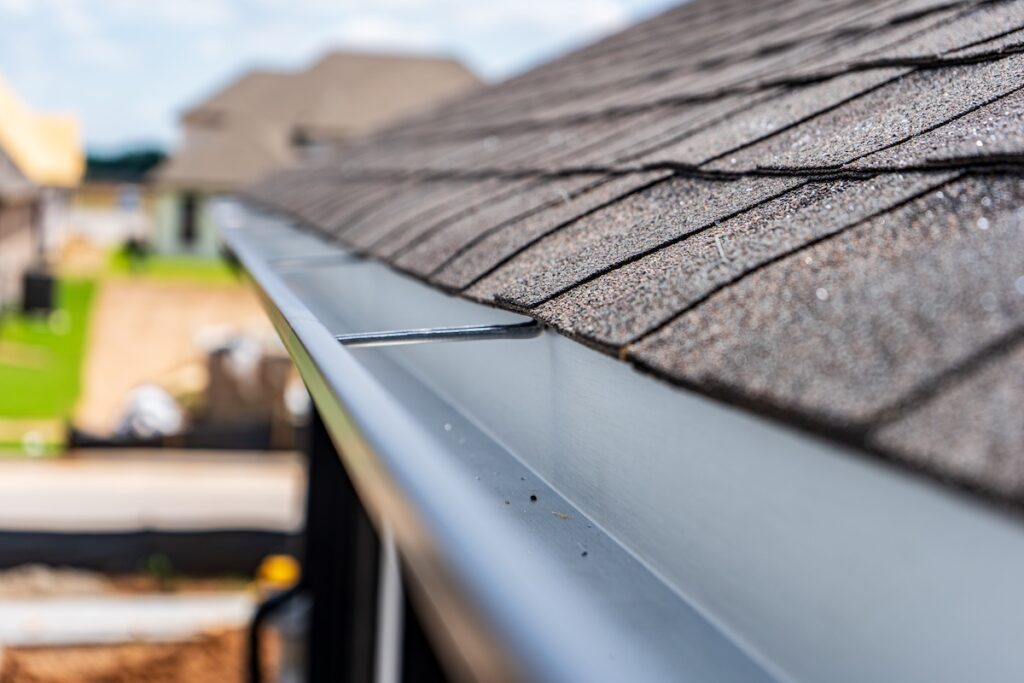
Gutter installation is hands-on but doesn’t require specialized training. Still, using the right tools and practicing ladder safety are essential.
Essential Tools
- Cordless drill and bits
- Hacksaw or tin snips
- Level or chalk line
- Tape measure and pencil
- Silicone sealant and caulk gun
- Gutter screws and brackets
Safety Equipment
- Extension ladder with stabilizer arms
- Gloves to handle sharp edges
- Eye protection for cutting and drilling
- Roof harness (if installing on multi-story homes)
Never work alone when using ladders or accessing the roof. Have a spotter assist when possible, and never overreach from the ladder.
Common Gutter Mistakes to Avoid
Even small installation errors can lead to major water issues down the line. Here’s what to watch out for.
Ignoring Proper Slope
Flat gutters don’t drain well. Water will sit, collect debris, and eventually sag the system.
- Always maintain 1/4 inch slope per 10 feet of run
- Recheck slope after each section
- Test with water after final installation
Too Few Downspouts
Too much water and not enough outlets means overflow every time it rains hard.
- Use 1 downspout per 30–40 linear feet of gutter
- Consider additional outlets on longer runs
- Make sure water exits far enough from the home
Poor Hanger Spacing
Loose or sagging gutters are often caused by hanger brackets spaced too far apart.
- Place every 2 feet (or 18 inches in snow zones)
- Double up near corners and downspout outlets
- Reinforce with fascia screws as needed
Weak Fastening to Fascia
If screws pull out or fascia wood is rotted, the system may collapse during storms.
- Check fascia health before installation
- Use stainless or coated fasteners for weather resistance
- Replace damaged wood before installing hangers
Overlapping Sections Incorrectly
Gutter seams should always overlap with the higher section behind the lower section so water flows forward—not behind.
- Seal each overlap completely
- Reinforce joints with brackets or clamps for added durability
Maintenance Tips After Installation
Gutter installation is only part of the equation. Keeping them working properly means staying on top of cleaning and seasonal inspection.
- Clean twice per year: Spring and fall are ideal
- Install gutter guards: Reduce clogs from leaves and debris
- Check during heavy rain: Spot overflow or leaks in action
- Trim trees nearby: Prevent buildup and scratching
- Secure loose fasteners: Especially after wind storms
Pro tip: After a storm, check downspout outlets for blockages and confirm the slope is still intact.
Should You DIY or Hire a Pro?
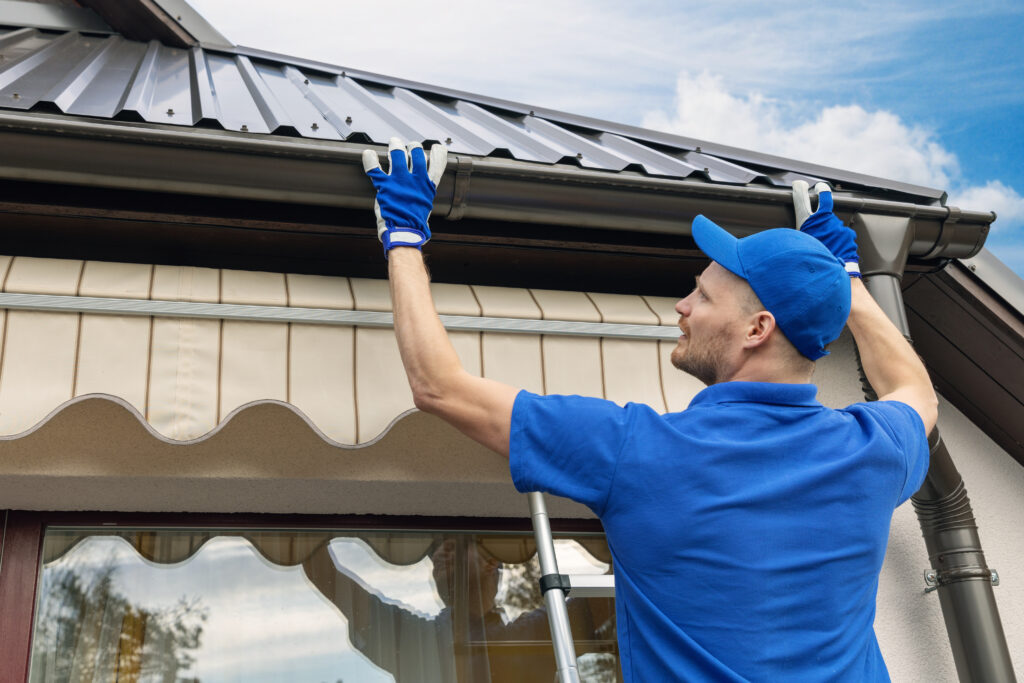
While gutter installation is doable for the average homeowner, it’s not always the best choice for every situation. Consider these factors:
When DIY Works Well
- You have a single-story home with clear access
- The project involves straight runs with simple slopes
- You’re comfortable on ladders and have basic tools
When Hiring a Pro Makes More Sense
- Your home has multiple levels or steep rooflines
- You want custom seamless gutters installed onsite
- You’re combining gutters with roof or fascia repairs
Professionals can also recommend the best placement, size, and style of gutter for your home—especially in areas like Durham and surrounding areas where seasonal rainfall patterns impact drainage needs.
Want Gutter Help You Can Rely On?
Installing gutters isn’t just a weekend task—it’s a long-term investment in your home’s protection. If you’re not sure how to size, slope, or seal your system properly, or if your home in Durham and surrounding areas needs professional drainage planning, contact us today to schedule an estimate with Barkley-Jensen Roofing.
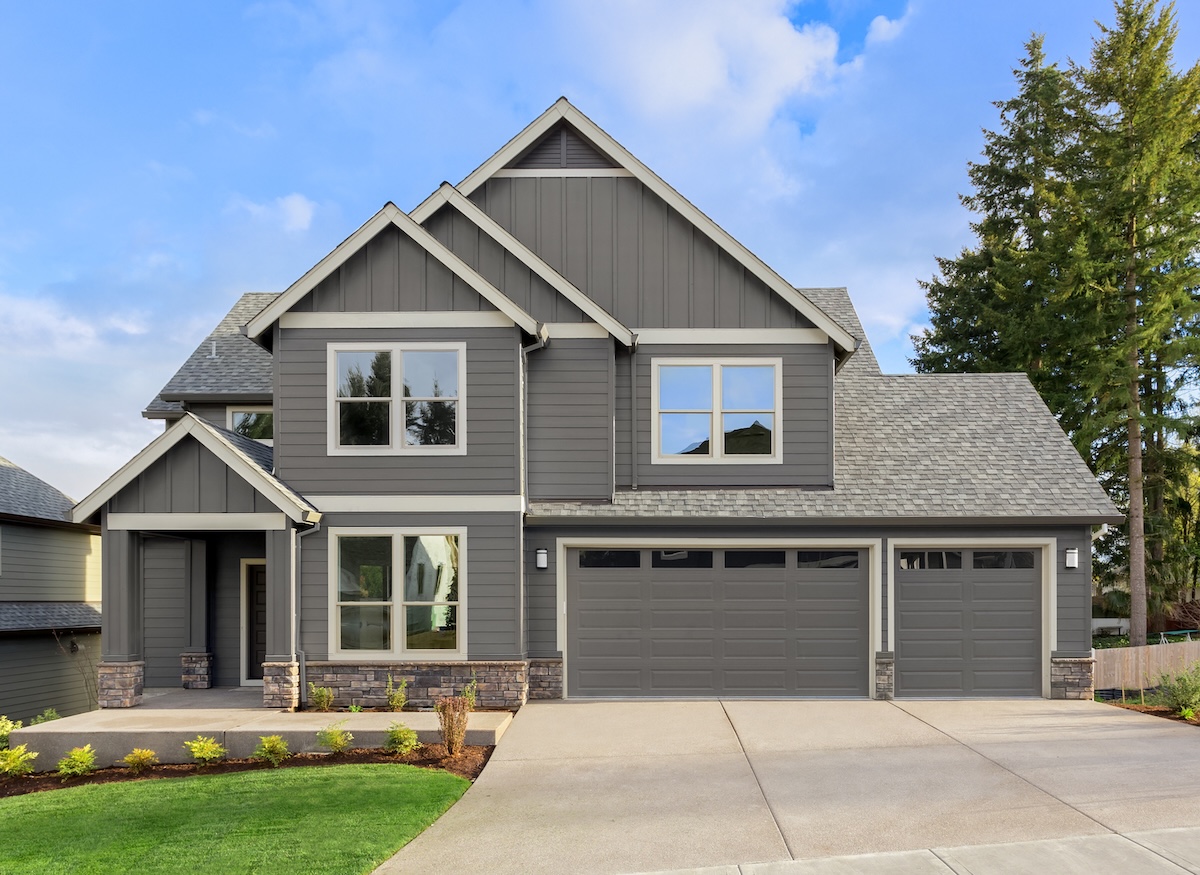
9 Common Roof Types for Your Home (Build, Materials, & More)
01.06.2026
7 Min Read
Choosing the right roof for your home is more than just picking a color or shingle style. It involves understanding the structural layout, materials available, and how your choice will perform over time. Whether you’re replacing an aging roof or building from scratch, knowing the most common roof types can help you make a confident decision. Homeowners in Garner and surrounding areas benefit from roof styles that work well in both warm summers and wet seasons, so local climate matters, too.
Here’s what you’ll learn in this guide:
- The 9 most common roof types and how they function
- Pros and cons of each design in terms of style, strength, and drainage
- Material considerations based on slope and architecture
- How to decide which roof type is right for your home
Why Your Roof Shape Matters More Than You Think
While materials get most of the attention, your roof’s shape has just as much impact on how well it protects your home. From drainage and insulation to structural durability and style, the design plays a major role.
- Weather Resistance: Certain shapes shed rain and snow better, reducing the risk of pooling, leaks, and weight damage.
- Ventilation and Insulation: Some roof styles allow more space for attic airflow or extra insulation, improving energy efficiency.
- Aesthetic Impact: The shape of your roof is one of the most defining elements of your home’s visual appeal.
- Material Compatibility: Not all materials suit every roof type. Some need steep slopes, while others can be installed flat.
- Maintenance Access: Simpler designs often require less upkeep and are easier to inspect or repair.
9 Roof Types to Know Before You Build or Replace
Not every roof is built the same—and the design you choose can affect long-term performance. Here are the most common roof types and what sets each apart.
1. Gable Roof
The classic triangular shape, gable roofs are the most popular design in American homes.
- Pros: Excellent water and snow runoff, simple to build, good attic ventilation
- Cons: Can be vulnerable to high winds without proper bracing
Best for traditional homes and versatile with most roofing materials. Gables offer easy maintenance and cost-effective installation.
2. Hip Roof
All four sides of the roof slope down to the walls, forming a pyramid or ridge line.
- Pros: Better stability in windy regions, excellent drainage, strong structural integrity
- Cons: More complex and expensive to build
Ideal for hurricane-prone areas or homes in regions with seasonal storms like Garner and surrounding areas. Hip roofs also tend to hold up better over time when properly vented.
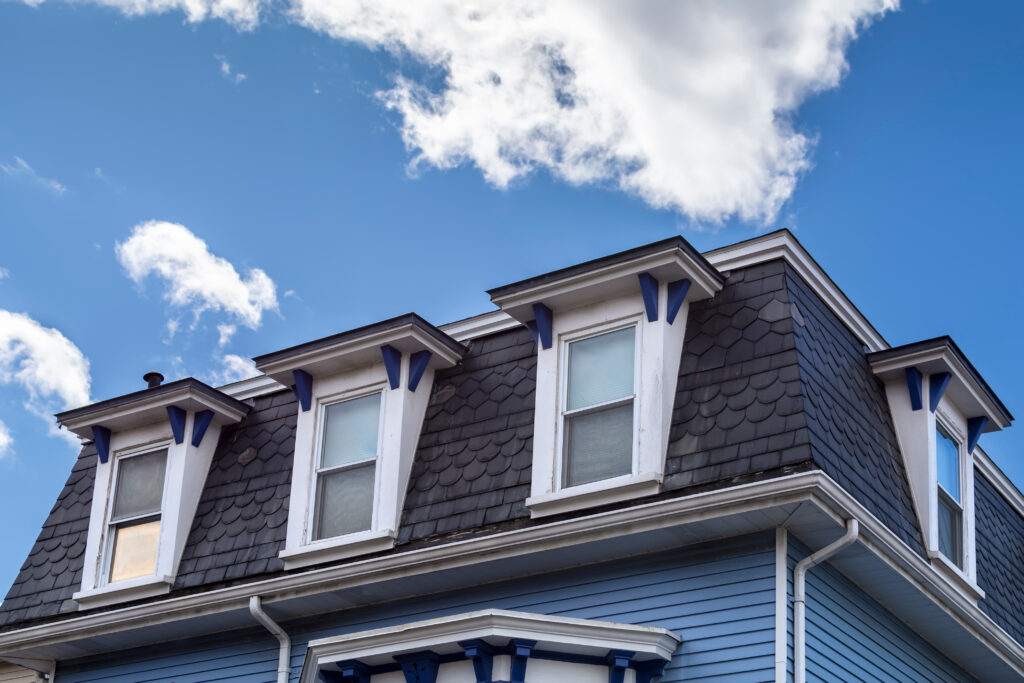
3. Mansard Roof
French-inspired design with two slopes on each side—the lower slope is steeper than the upper one.
- Pros: Adds usable attic or living space, allows easy additions
- Cons: Expensive and requires detailed waterproofing
Mansard roofs are common in historical districts or luxury custom builds where maximizing square footage and style are both priorities.
4. Gambrel Roof
Similar to a mansard but only on two sides. Commonly seen in barns and Dutch Colonial homes.
- Pros: Maximizes attic space, easy to frame
- Cons: Not ideal for heavy snow loads unless reinforced
Great for homeowners who want storage or loft space above the main floor. Gambrel roofs offer visual character and are often paired with dormers.
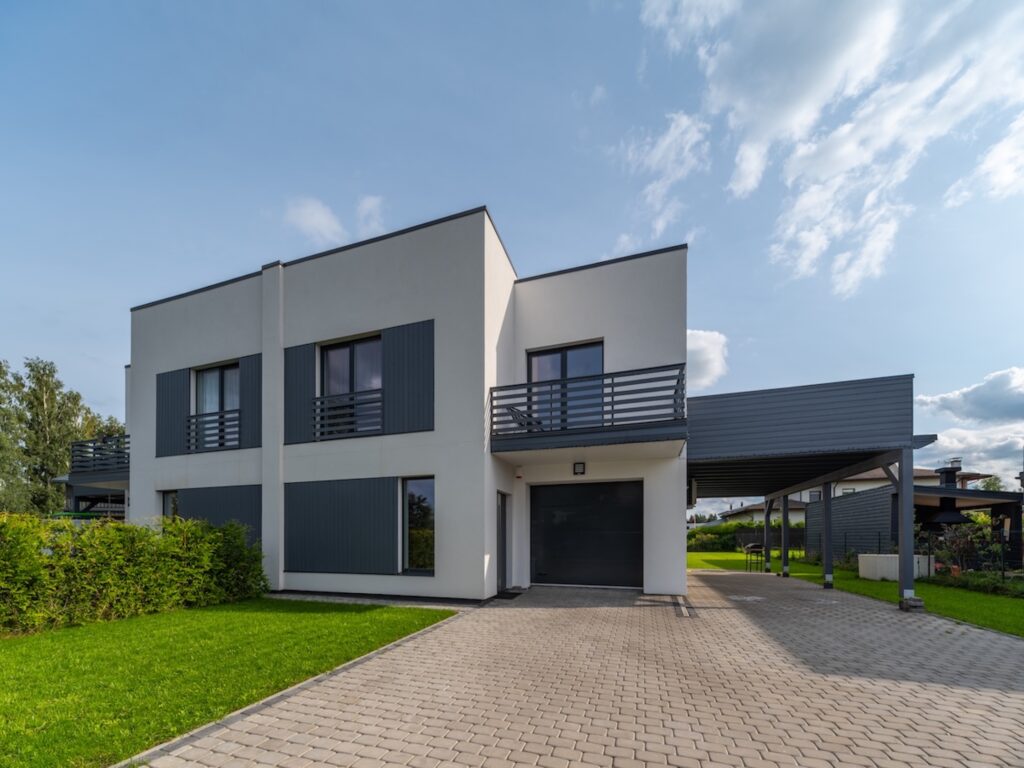
5. Flat Roof
A nearly level surface with just enough slope to allow water drainage.
- Pros: Easy to build and inspect, allows rooftop decks or solar panels
- Cons: Requires specialized waterproofing, prone to ponding if not maintained
Flat roofs are more common in modern designs or commercial buildings, but they’re gaining popularity in residential homes in urban areas. They’re a strong choice for solar or green roof installations.
6. Skillion Roof (Shed Roof)
A single-sloped roof typically attached to a taller wall.
- Pros: Simple and modern look, great drainage, lower material costs
- Cons: Limited attic space, may not suit every neighborhood style
Perfect for additions, sunrooms, or minimalist architectural designs. Skillion roofs are often used in combination with other roof types for unique visual appeal.
7. Butterfly Roof
Two roof sections that angle downward and meet in the center, resembling an open book.
- Pros: Unique appearance, allows large windows and natural light, water collection potential
- Cons: Prone to drainage problems without perfect installation
Used in contemporary homes with an emphasis on bold design. These roofs may require custom flashing and waterproofing plans to stay leak-free over time.
8. Dormer Roof
Not a full roof type on its own, but dormers are extensions that add height, light, and space to existing roofs.
- Pros: Enhances visual appeal, creates more interior space
- Cons: Adds complexity and potential leak points if poorly flashed
Common in Cape Cod and Colonial homes, especially in upper-story bedrooms. Dormers must be carefully installed to ensure water-tight seams.
9. Combination Roof
Many homes use two or more roof types to achieve a specific look or accommodate different sections of the house.
- Pros: Customizable, adds architectural interest, improves functionality
- Cons: More joints = more potential leak points, higher construction costs
Often seen in custom homes that require both performance and aesthetic variety. Combination roofs are great for multi-level homes or properties with varying room heights.
How Roof Type Affects Material Choice
Not every material works on every roof shape. Slope, drainage needs, and installation complexity all play a role. Here’s how different materials pair with the most common roof types.
| Material | Best for Roof Types | Considerations |
| Asphalt Shingles | Gable, Hip, Dormer, Gambrel | Affordable, versatile, moderate lifespan |
| Metal Roofing | Gable, Hip, Skillion, Butterfly | Durable, energy-efficient, modern look |
| Clay/Concrete Tiles | Hip, Mansard, Combination | Heavy, long-lasting, Mediterranean style |
| Slate | Gable, Mansard, Combination | Expensive but timeless and durable |
| EPDM/TPO (Flat Roofs) | Flat, Butterfly | Seamless waterproofing, commercial-grade |
| Wood Shakes/Shingles | Gable, Gambrel, Combination | Aesthetic appeal, more maintenance needed |
Always consult with a roofing expert before choosing materials—especially when working with steep slopes or complex structures. Some materials require special installation techniques or structural reinforcement.
Things to Consider When Choosing a Roof Type
While design is important, function should be your top priority. Here are other important considerations before making a final decision.
Your Local Climate
Homes in Garner and surrounding areas face seasonal rain, humidity, and wind—so roofs need good drainage and solid fastening systems.
- Hip and gable roofs are well-suited for varied conditions
- Flat roofs must have reliable waterproofing membranes
- Steep slopes help shed rain and reduce moss buildup
Your Budget
Some roof types cost more to build or maintain. Materials like tile and slate are beautiful but come at a higher price, while asphalt and metal are often more budget-friendly.
- Gable and skillion roofs tend to be more cost-effective
- Combination roofs or mansards are more expensive to construct
- Complex shapes may raise labor costs due to extra flashing or framing
Energy Efficiency Goals
Roofs play a huge role in how your home heats and cools. The shape can impact ventilation and attic space, which influence insulation performance.
- Steep roofs allow for thicker insulation and better ventilation
- Metal and light-colored shingles can reflect sunlight and reduce cooling costs
- Low-slope roofs should be paired with reflective membranes to reduce heat gain
Long-Term Maintenance
Simple shapes like gables are easier to inspect, repair, and re-roof. Roofs with multiple slopes or valleys may require more upkeep.
- More angles = more flashing = more places for leaks
- Choose low-maintenance materials if your roof is hard to access
- Ensure regular inspections on combination or dormer roofs
Future Renovations
If you’re planning to add a second story, garage, or sunroom later, consider a roof type that allows for easy expansion.
- Mansard and gambrel roofs offer flexibility for future add-ons
- Gable roofs are easier to modify than hip or butterfly roofs
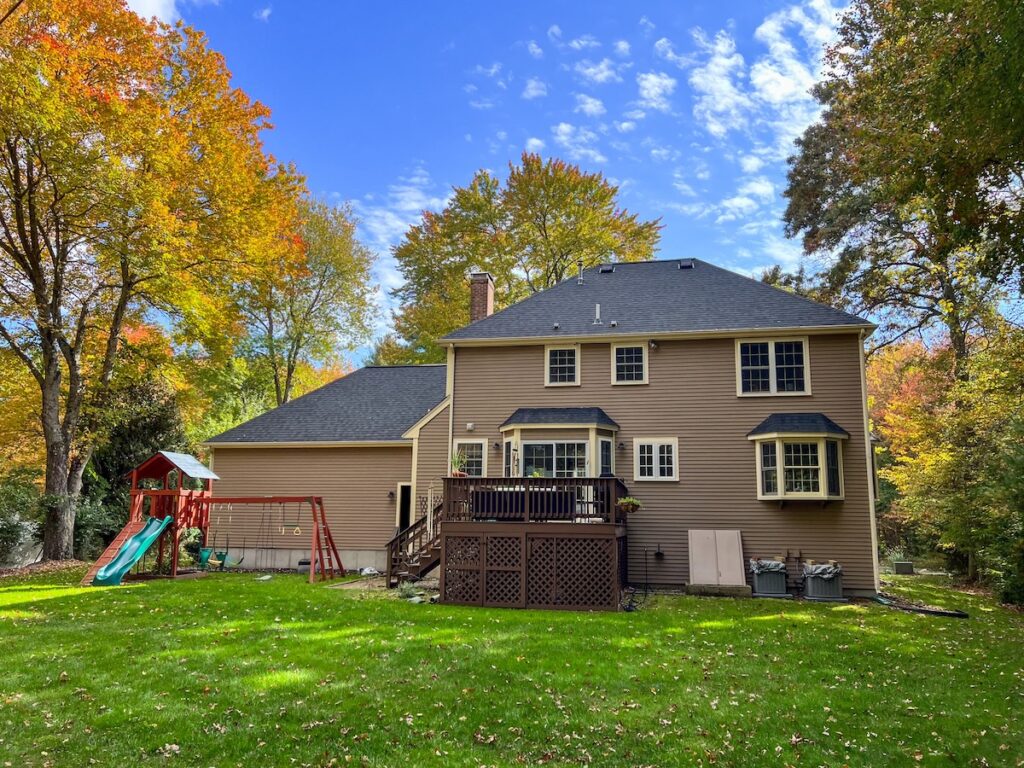
Ready to Choose the Right Roof Type for Your Home?
Selecting the right roof shape is one of the most important decisions you’ll make as a homeowner. It impacts everything from energy use and maintenance to how your home looks from the street. If you’re in Garner and surrounding areas and want expert guidance on which design best suits your home, budget, and climate, contact us today to schedule a consultation with Barkley-Jensen Roofing.
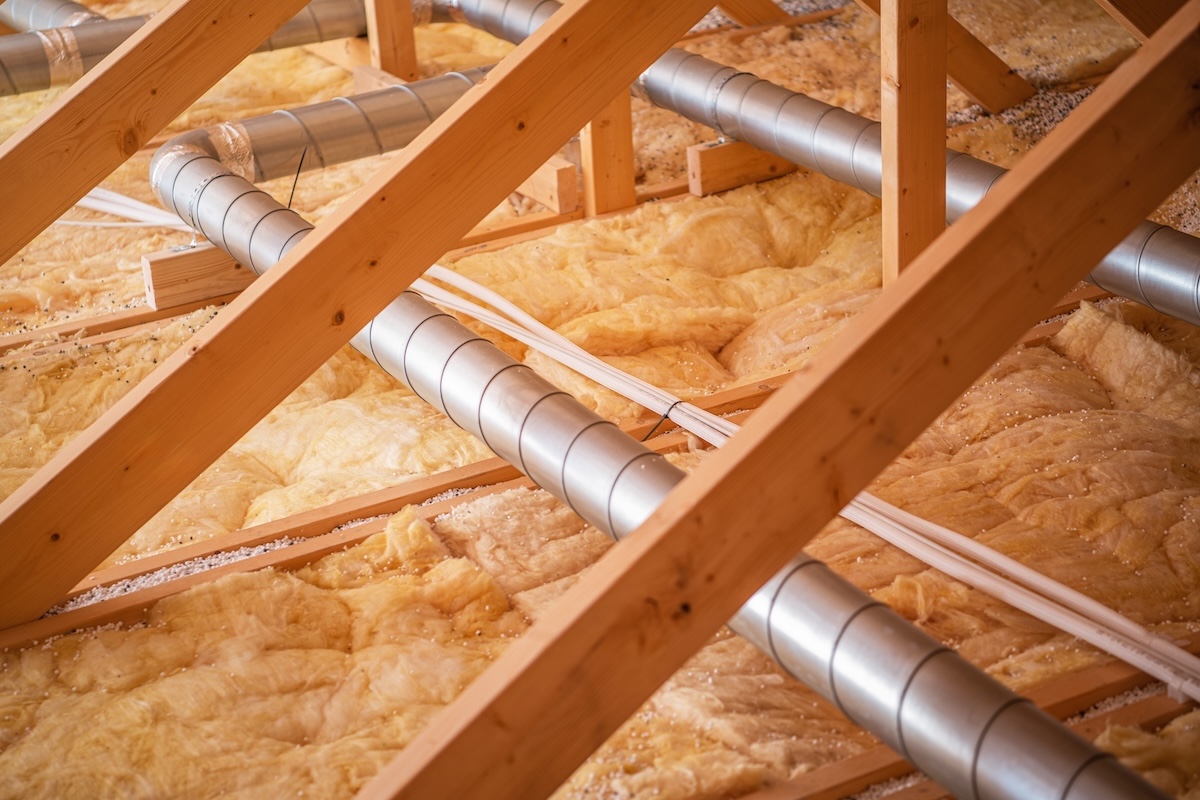
9 Reasons Attic Insulation Is Important for Your Roof System
01.01.2026
7 Min Read
When it comes to protecting your home, roofing materials are only one part of the equation. A hidden but critical component in every roof system is attic insulation. It plays a major role in regulating indoor temperatures, preventing moisture buildup, and helping your roof last longer. If you live in Mebane and surrounding areas, where seasons bring both heat and humidity, a well-insulated attic can make all the difference. Whether you’re building new or upgrading an existing structure, choosing the right insulation method can maximize your energy savings and protect your investment.
Here’s what you’ll learn in this guide:
- How attic insulation directly affects your roof’s performance and lifespan
- The top reasons to upgrade or inspect insulation regularly
- Signs your current insulation may be underperforming
- Smart ways to maximize energy efficiency through insulation
Why Attic Insulation Impacts More Than Just Comfort
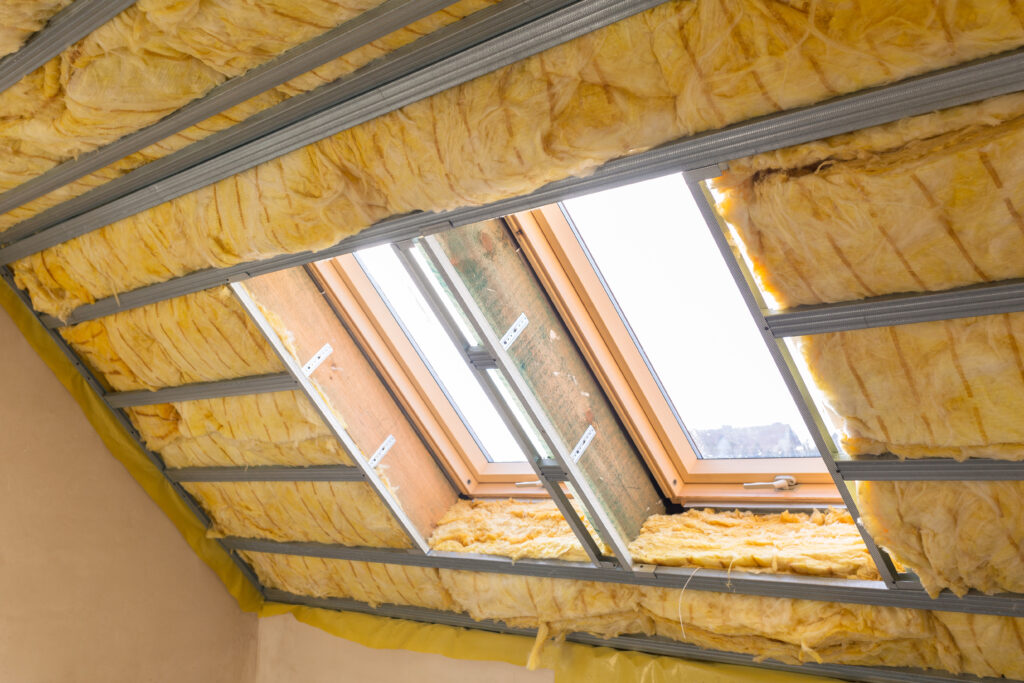
Insulation is often thought of as a way to keep warm air inside during winter. But in reality, it’s a crucial part of your home’s envelope—and one of the most overlooked factors in roof health.
- Energy Efficiency: Proper insulation reduces the need for heating and cooling, lowering monthly utility bills.
- Roof Longevity: Insulation helps prevent temperature extremes in your attic that can age shingles prematurely.
- Moisture Control: It reduces condensation, which lowers the risk of mold, mildew, and wood rot in the attic structure.
- Ice Dam Prevention: In winter, good insulation keeps heat from escaping through the roof, minimizing snow melt and refreeze issues.
- Climate Comfort: Rooms stay cooler in summer and warmer in winter, improving year-round indoor comfort.
9 Reasons Attic Insulation Matters for Your Roof System
If your attic is under-insulated or unevenly insulated, it can create hidden problems that lead to roof damage over time. Here’s why it matters.
1. Prevents Roof Deck Deterioration
Inconsistent insulation causes hot and cold spots, which leads to condensation beneath the roof deck. Over time, this moisture can cause the plywood to warp, rot, or delaminate.
- Damage may go unnoticed until leaks appear
- Repairs can be costly if caught late
- Weak decking compromises the structural integrity of the entire roof
2. Reduces Energy Bills
Heating and cooling systems work harder when insulation is lacking. That extra strain drives up your monthly costs.
- Homeowners in Mebane and surrounding areas can see 10–20% savings annually
- Helps HVAC systems last longer by reducing cycle frequency
- Averages a return on investment in under five years
3. Keeps Roof Ventilation Working Properly
Insulation and ventilation go hand-in-hand. When insulation is installed correctly, it prevents blockages in the soffits and ridge vents that allow air to circulate.
- Proper airflow prevents heat and moisture buildup
- Protects both shingles and framing
- Reduces attic air pressure that can push moisture into drywall
4. Prevents Ice Dams and Freeze Damage
In colder climates or during unexpected freezes, escaping heat can melt snow unevenly. The melted water refreezes at the eaves, creating damaging ice dams.
- Can lead to water intrusion under shingles
- Insulation paired with air sealing helps avoid this issue
- Extends roof life in seasonal climates
5. Supports Indoor Air Quality
Moisture in the attic can lead to mold and mildew growth, especially if the insulation gets wet or is poorly installed.
- Mold spores can spread into living areas
- Proper attic conditions reduce allergens and pollutants
- Dry attics discourage pests and rodents
6. Protects Shingle Life Span
Hot attic temperatures can bake shingles from underneath, causing them to curl, crack, or fail earlier than expected.
- Adds years to the life of your roof surface
- Essential for preserving manufacturer warranties
- Keeps your roof looking better, longer
7. Helps Prevent Structural Damage
Moisture-related issues in the attic can weaken roof trusses, rafters, and sheathing. Insulation helps create a dry, stable environment for these elements.
- Early signs include sagging rooflines or ceiling stains
- Prevents the need for premature structural repairs
- Protects your attic investment
8. Makes Your Home More Comfortable
Attics that are poorly insulated allow extreme temperatures to leak into living spaces, creating cold drafts in winter or overheated rooms in summer.
- Helps stabilize indoor temperatures across all floors
- Reduces hot or cold “zones” in the home
- Cuts down on HVAC noise from excessive operation
9. Improves Home Resale Value
Today’s buyers are increasingly energy-conscious. A well-insulated attic signals a well-maintained home and may increase buyer interest or offer strength.
- Can be featured as an upgrade in listings
- Adds long-term value through lower energy use
- Passes inspection more easily with fewer concerns
What Types of Attic Insulation Work Best?
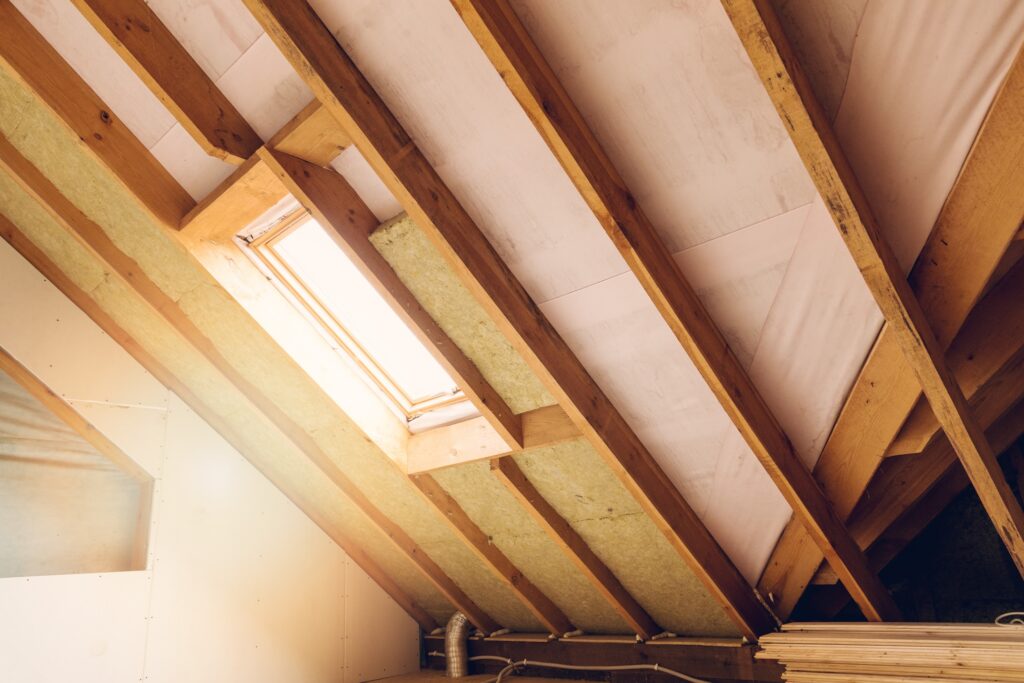
Different insulation materials offer unique advantages depending on your goals and budget. Here’s how the most common types compare.
Fiberglass Batt Insulation
- Pre-cut rolls that fit between attic joists
- Affordable and widely available
- Best for unfinished attics with accessible cavities
- May require a vapor barrier in humid climates
Blown-In Cellulose Insulation
- Made from recycled paper treated with fire retardants
- Good for filling gaps and covering uneven spaces
- Great for retrofits in irregular attic layouts
- Higher R-value per inch than fiberglass batts
Spray Foam Insulation
- Expands to fill cracks and seal air leaks
- Provides high R-value and air sealing in one step
- Ideal for sealing complex areas or encapsulated attics
- More expensive upfront, but great for long-term efficiency
Mineral Wool (Rock Wool)
- Fire-resistant and moisture-resistant
- Offers soundproofing along with insulation
- Used in attics with wiring or pipe obstructions
- Denser than fiberglass and slightly more costly
Signs Your Attic Insulation Needs Help
Not sure if your current insulation is up to par? These warning signs may indicate it’s time to inspect or upgrade.
- Temperature Swings: Rooms that are too hot in summer or cold in winter
- High Energy Bills: Unexplained increases despite regular usage
- Drafts or Uneven Heating: Cold spots in certain rooms
- Ice Dams or Condensation: Visible signs of freeze/thaw cycles or water inside the attic
- Pest Issues: Rodents or insects nesting in deteriorated insulation
- Flattened or Discolored Insulation: Indicates moisture damage or age-related breakdown
Even if your insulation looks intact, it may not meet current R-value standards. An attic energy audit can reveal hidden deficiencies.
How Attic Insulation Works with Roofing and Ventilation
Attic insulation is only one piece of a balanced roof system. To work effectively, it must coordinate with your roof’s structure and its ventilation setup.
- Intake Vents (Soffits): Pull in cool air from outside to regulate attic temperature
- Exhaust Vents (Ridge or Box): Allow warm air to escape, preventing heat buildup
- Air Sealing: Reduces drafts and energy loss through ceiling penetrations
- Radiant Barriers: Optional layers that reflect radiant heat away from the attic
- Proper Insulation Depth: Helps maintain a thermal boundary across the attic floor
This system works best when all components are properly sized and installed. Poorly balanced ventilation and insulation often cause more problems than they solve.
Should You Upgrade Attic Insulation During a Roof Replacement?
If you’re already planning a roof replacement, it’s the ideal time to assess your attic insulation. In fact, many homeowners in Mebane and surrounding areas combine these services for a more efficient project.
Benefits of Bundling the Work
- Access to attic spaces during roofing makes insulation upgrades easier
- Helps your new roof last longer by preventing premature damage
- Reduces total labor costs by minimizing repeat visits
- Allows contractors to inspect roof decking and correct insulation gaps
- Streamlines scheduling for less disruption to your household
Questions to Ask Your Contractor
- Will your team inspect current insulation levels?
- Do you offer attic air sealing or ventilation balancing?
- Can I upgrade to higher R-value materials during the re-roof?
- Will new insulation meet local energy codes and standards?
A trusted roofing team will help you align all these components for the best possible long-term results.
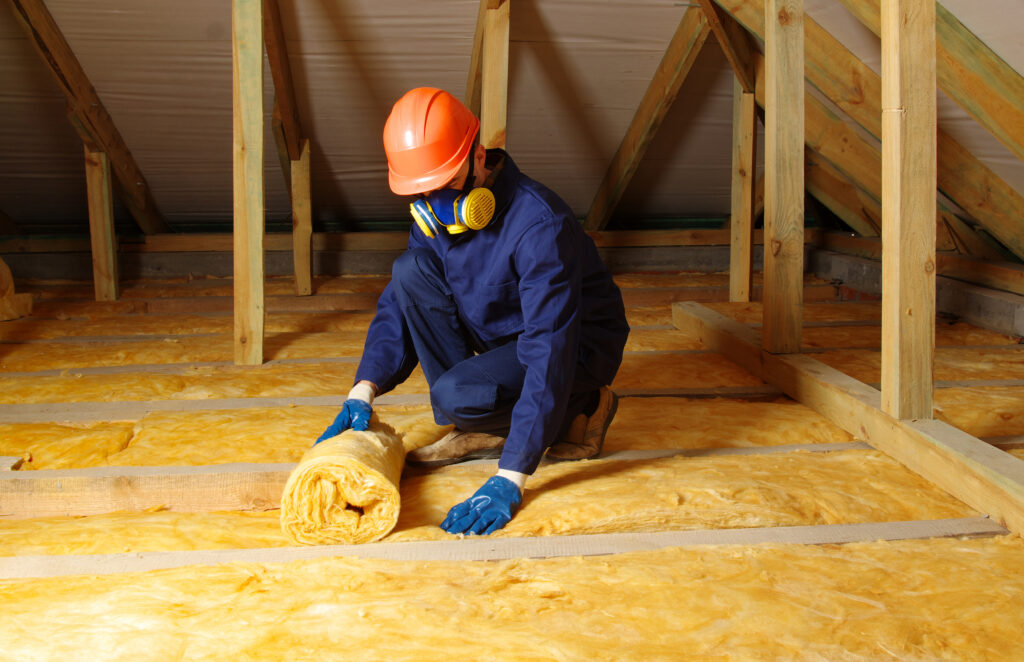
Want to Protect Your Roof from the Inside Out?
Attic insulation isn’t just about temperature—it’s a critical part of your roof’s health, comfort, and efficiency. Whether you’re noticing uneven indoor temps or planning a roofing project, upgrading your insulation is one of the smartest investments you can make. If you’re in Mebane and surrounding areas and want expert guidance on how insulation fits into your overall roof system, contact us today to schedule an attic evaluation with Barkley-Jensen Roofing.
House and Roof Color Combinations (8 Design Ideas + Tips)
12.30.2025
8 Min Read
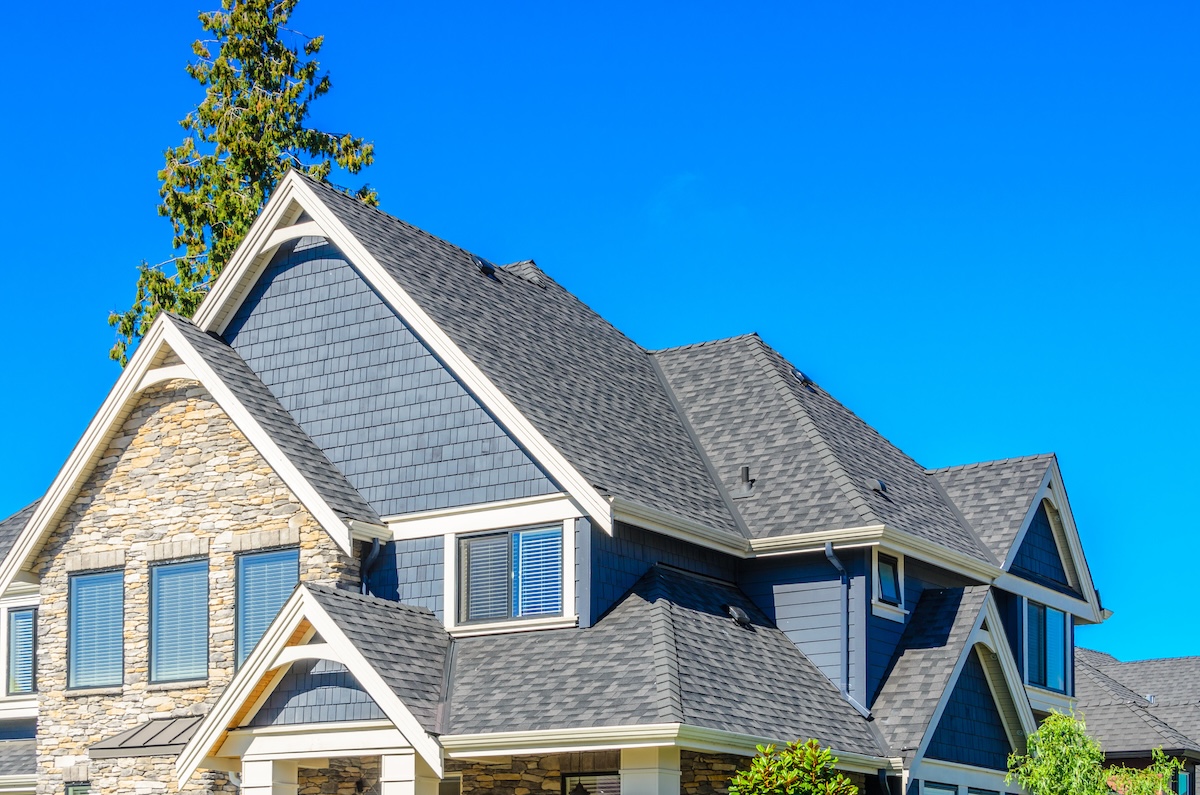
Choosing the right colors for your home’s exterior goes far beyond personal taste—it directly affects curb appeal, resale value, and even energy efficiency. For homeowners in Pinehurst and surrounding areas, selecting thoughtful house and roof color combinations can completely transform a property’s character. Whether you’re building a new home or replacing an aging roof, the color choices you make now will last for decades. To make sure your home looks timeless and cohesive, it’s worth exploring combinations that suit your architecture and neighborhood.
Here’s what you’ll learn in this guide:
- Why roof and house color coordination matters more than you think
- 8 inspiring color combinations and what styles they suit best
- How to balance color, architecture, and regional climate
- Tips for avoiding clashing or dated looks
Why Roof and House Color Coordination Matters
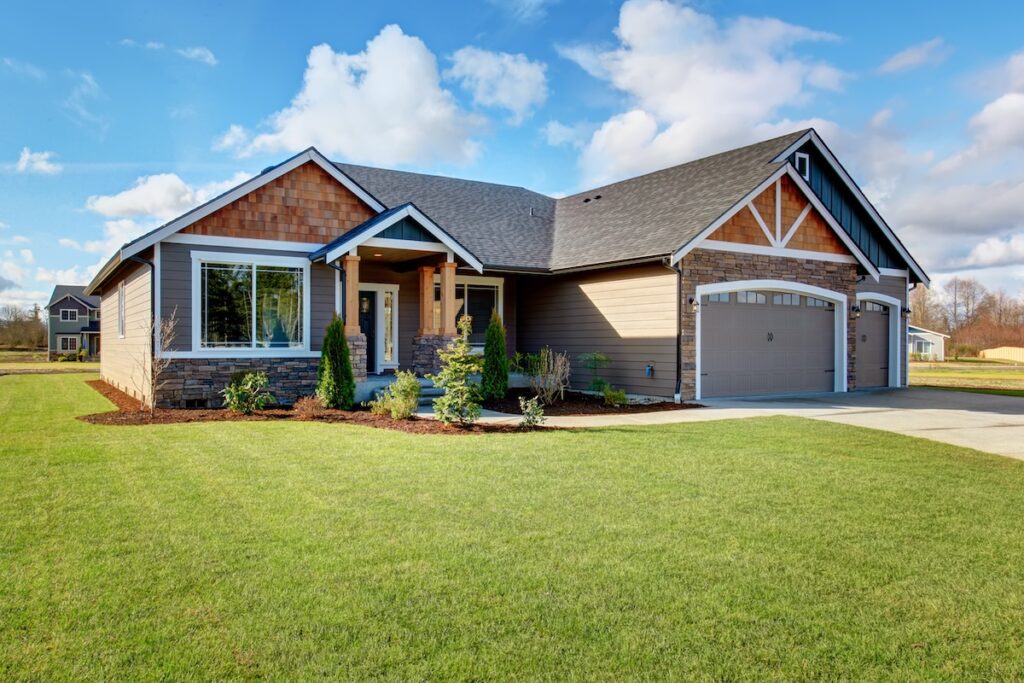
A well-matched home exterior isn’t just attractive—it’s strategic. When your house and roof colors complement each other, the effect is polished, professional, and inviting. But the wrong combination can make even a beautiful home look awkward or outdated.
- Curb Appeal Boost: A fresh color combination draws attention and increases your home’s perceived value from the street.
- Architectural Harmony: Coordinating colors can highlight the best features of your home’s design or soften harsh angles.
- Resale Confidence: Neutral or well-paired color schemes help your home appeal to more buyers when it’s time to sell.
- Visual Balance: Dark roofs can ground a home visually, while light colors create a more expansive, airy appearance.
- Climate Impact: Lighter roof colors reflect heat, which is useful in hot summers like those in Pinehurst and surrounding areas.
8 Beautiful House and Roof Color Combinations to Consider
Choosing a color combo isn’t just about preference—it’s about finding balance between style, material, and the neighborhood context. Here are 8 tried-and-true pairings that work across a range of architectural styles.
1. White House with Charcoal Gray Roof
This clean, high-contrast combination works on everything from farmhouses to Colonials. It’s crisp, classic, and especially popular in transitional design.
- Accents: Black shutters, wood doors, matte bronze fixtures
- Works well with standing seam metal or architectural shingles
- Enhances trim details and roofline contrast
2. Light Beige with Dark Brown Roof
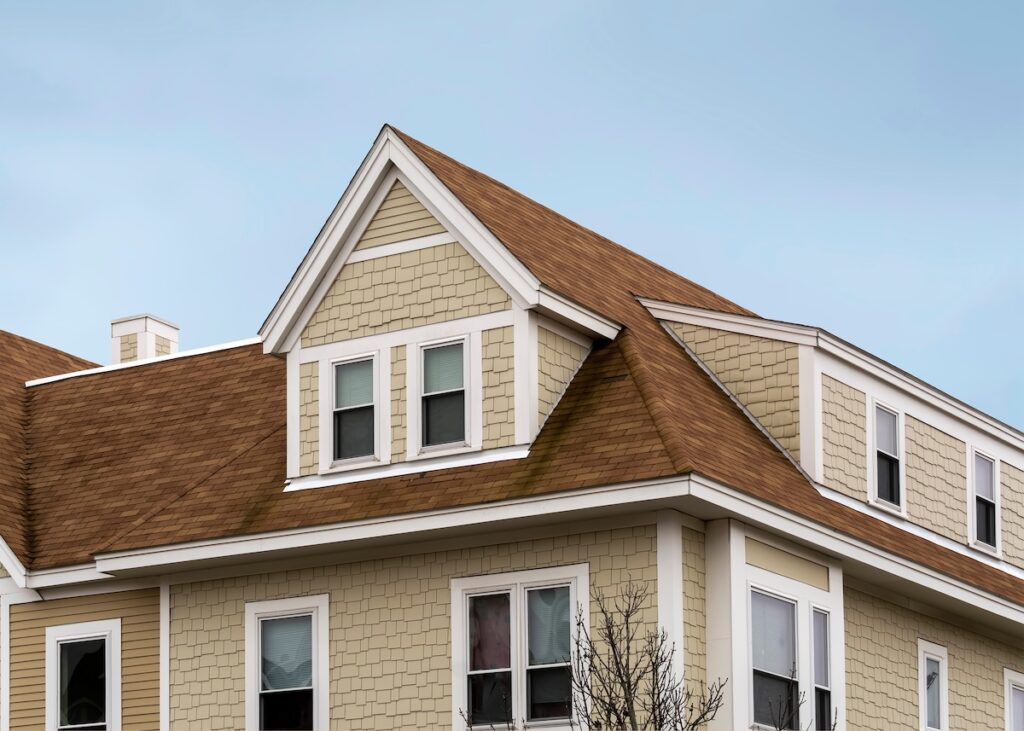
Earth tones create a grounded, welcoming look. Beige siding with a rich chocolate brown roof adds warmth and depth without feeling heavy.
- Accents: Cream trim, copper lighting, stone columns
- Complements Craftsman, ranch-style, and brick homes
- Harmonizes with natural surroundings or wooded lots
3. Navy Blue with Black or Dark Gray Roof
Bold but still refined, navy makes a statement. Pairing it with a black or charcoal roof emphasizes the lines of your home.
- Accents: White trim, brass hardware, natural wood porch
- Excellent for Cape Cod, modern farmhouse, and coastal homes
- Works well with matte and dimensional shingles
4. Light Gray with Medium Gray Roof
This monochromatic combination is sleek and modern. A slight contrast between siding and roofing creates texture while keeping the palette cohesive.
- Accents: Black window frames, slate walkways, brushed nickel fixtures
- A go-to for contemporary builds and renovations
- Can be warmed up with natural wood tones or cool stone accents
5. Red Brick with Black Roof
Traditional and enduring, this combination never goes out of style. A black roof adds sophistication to the warm tones of classic red brick.
- Accents: White trim, wrought iron accents, mahogany door
- Ideal for Federal, Georgian, and Colonial-style homes
- Often used in historic neighborhoods for a timeless appearance
6. Sage Green with Light Brown Roof
Soft greens paired with warm brown roofing feel natural and serene. This is perfect for wooded lots or homes that blend into their surroundings.
- Accents: Tan shutters, stone foundation, bronze lighting
- Works well with shake-style shingles and stone siding
- Great for Craftsman, bungalow, or eco-conscious designs
7. Cream with Terracotta Roof
For homes with a Mediterranean or Spanish flair, this sun-baked combination brings warmth and regional charm.
- Accents: Arched windows, clay tiles, decorative ironwork
- Best suited for stucco exteriors and tile roofs
- Great for hot climates, reflecting both sunlight and tradition
8. Black House with Black Roof
Dramatic and modern, black-on-black exteriors are trending for a reason. They give a sense of sleek minimalism and work best with clean lines and sharp contrasts.
- Accents: Natural wood, concrete planters, large glass panels
- Common in new construction or high-contrast architectural styles
- Pairs beautifully with matte black metal roofing
How to Choose the Right Color Combo for Your Home
The best color combinations go beyond trends. They account for your home’s shape, the surrounding landscape, and even regional building codes. Here’s how to make the best choice.
Match to Your Architectural Style
Different architectural styles have different visual needs. Matching your roof and house colors to the style helps your home look authentic rather than forced.
- Traditional homes: Use neutrals like beige, taupe, or brick red paired with brown or black roofs.
- Modern homes: Go for contrast—white siding with black roofs or monochromatic palettes.
- Cottage-style homes: Pair soft greens or blues with natural-toned roofing.
Consider Your Climate
The sun doesn’t just affect comfort—it affects color, too. The color you choose can either absorb or reflect sunlight, influencing indoor temperature.
- Warm climates: Lighter roofs reduce heat buildup and cooling costs.
- Cooler regions: Darker roofs help absorb warmth during winter months.
Since Pinehurst and surrounding areas experience warm summers, light or mid-tone roofs are often the most efficient.
Think About Fixed Features
You may not be replacing your brickwork, stone veneer, or hardscaping. Choose roof and siding colors that complement those elements.
- Red brick pairs well with black or dark gray
- River rock blends with soft green, beige, and brown
- Stucco looks best with warm, earthy roofing like terracotta
Look at the Big Picture
Walk to the curb or across the street and really look at your home. What’s missing? What color would tie it all together? Consider how trim, shutters, and landscaping play into your overall palette.
Use Visualization Tools
Brands like GAF, CertainTeed, and Owens Corning offer digital tools to preview how various house and roof color combinations look together. Upload a photo of your home or choose a model that resembles your style to experiment with different palettes.
Common Mistakes to Avoid When Choosing Exterior Colors
There’s more than one way to go wrong with roof and house color planning. Avoid these common errors to make sure your home looks well-designed and harmonious.
Too Much Contrast or None at All
Extreme contrast (like white siding with a black roof and bright trim) can be jarring, while too little can look bland or washed out. Aim for two dominant colors and one accent to keep the palette balanced.
Ignoring Material Texture
Colors read differently on various materials. A dark gray on smooth siding won’t look the same on rough shingles or brick. View samples in person and on the actual material if possible.
Forgetting the Landscaping and Surroundings
Your home doesn’t exist in a vacuum. Consider tree cover, garden style, neighboring homes, and fence colors. All of these factors can change how your home appears and how colors interact.
Not Viewing Samples in Natural Light
Paint and shingle samples can look very different in the showroom than they do outdoors. Check colors in morning and afternoon light before committing.
Choosing What’s Trendy Over What’s Timeless
Trendy colors can date your home faster than you expect. Stick with palettes that feel classic and neutral, especially if you plan to sell in the next few years.
Bonus Tips for Pulling It All Together

Once you’ve chosen a roof and house color combination, use smaller details to elevate your exterior even further.
- Trim: Crisp white works almost universally, but darker trims can modernize a look
- Doors: Try contrasting or bold colors like navy, red, or wood stain for added depth
- Hardware: Match guttering, lighting, and house numbers with roof accents for a cohesive look
- Shutters: Optional but impactful; match to your roof or door color for balance
If you’re still undecided, ask your contractor for before-and-after photos from local homes. Seeing real-world examples—especially in Pinehurst and surrounding areas—can provide clarity and inspiration.
Want a Roof That Complements Your Home Perfectly?
Your roof isn’t just protection—it’s part of your home’s design identity. Whether you’re upgrading your home’s look or starting fresh, choosing the right roof and siding combination plays a key role in how your property is perceived. If you’re in Pinehurst and surrounding areas and want help finding the perfect match, contact us today to schedule a design consultation with Barkley-Jensen Roofing.
Flat Roof Repair Guide (Cost, Options, & DIY Tips)
12.23.2025
8 Min Read
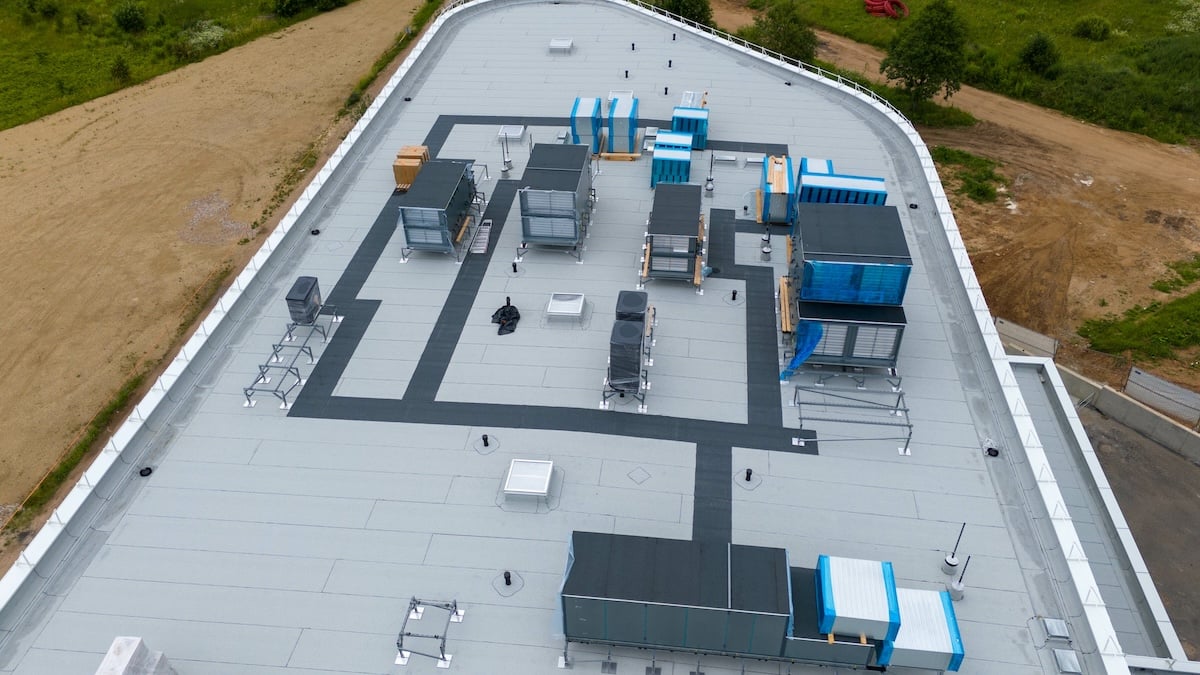
If you own a commercial or modern-style home in Raleigh, you’re likely familiar with the unique challenges that come with maintaining a flat roof. While their sleek appearance and space-saving design make them popular, these roofs demand a different approach when issues arise. Whether you’re facing standing water, blistering, or persistent leaks, knowing how to address a flat roof repair can save you time, money, and stress. Understanding your options and spotting the signs early is key to preventing structural damage and costly emergencies. If you’re unsure where to start, learning more about common concerns can help you determine whether it’s time to take action—or call in a trusted local expert.
Here’s what you’ll learn in this guide:
- What makes flat roof repairs so important (and how they affect your building)
- The top reasons flat roofs fail—and how to spot early warning signs
- Cost-effective repair strategies and when full replacement makes sense
- Smart DIY maintenance tips for property owners and facility managers
Why Flat Roof Repairs Matter More Than You Think

Flat roofs may look simple, but the systems that keep them watertight are anything but. From drainage to membrane protection, even a small failure can lead to major issues fast. Routine inspection and timely repair aren’t just good practice—they’re essential to protecting your investment, especially in places like Raleigh and surrounding areas where summer storms and winter temperature swings can stress aging materials.
Here’s why staying on top of repairs pays off:
- Leak Prevention: Flat roofs are prone to pooling water, which increases the risk of leaks. Regular repairs help maintain drainage and prevent costly interior damage.
- Energy Efficiency: Damaged or poorly maintained membranes can let heat escape or enter, driving up utility costs. A repaired roof restores performance and comfort.
- Extended Lifespan: Catching issues early means you can avoid premature roof replacement and keep your system performing well for years.
- Insurance Compliance: Many policies require routine maintenance. Ignoring needed repairs could jeopardize coverage if damage occurs.
- Peace of Mind: Whether you’re managing a business or just want to avoid a surprise ceiling stain, knowing your roof is in good shape helps you sleep better at night.
5 Common Reasons Flat Roofs Need Repairs
Flat roofs wear differently than pitched ones, and their problems often start subtly. Knowing what to look for—and why it matters—can help you act before the damage gets out of hand.
1. Ponding Water
If water is still sitting on your roof 48 hours after a storm, that’s a red flag. Flat roofs must be pitched slightly for proper drainage. When this fails, water pools, putting pressure on seams and membranes.
- Can weaken insulation and structural materials
- Often leads to leaks, mold, and premature wear
- May indicate clogged drains or insufficient slope
2. Cracking or Blistering Membranes
UV exposure, temperature changes, and age can cause roofing materials like EPDM, TPO, or modified bitumen to blister or crack.
- Blisters trap moisture and can pop, causing leaks
- Cracks allow water to seep into insulation layers
- Early repairs prevent widespread deterioration
3. Flashing Failures
Flashing is used where the roof meets walls, edges, HVAC units, or vents. If this seal breaks, water intrusion is inevitable.
- Often missed during basic visual inspections
- A common entry point for leaks in Raleigh’s stormy seasons
- Needs professional sealing or replacement
4. Shrinkage Around Edges
Some single-ply materials like EPDM can shrink over time. This pulls the membrane away from seams, vents, and flashings.
- Exposes underlayers to the elements
- Often leads to tearing or lifting in high winds
- Requires resecuring or replacing the material
5. Poor Installation or Repairs
Unfortunately, not all roofers follow best practices. If your roof was poorly installed or patched with incompatible materials, you’re likely to see problems sooner.
- May void manufacturer warranties
- Leads to irregular wear or immediate failure
- Best solved by a full inspection and correction
Flat Roof Repair Options: What Works and When

Every roof is different, but most repairs fall into a few clear categories. Whether you’re looking to patch, coat, or replace, understanding the benefits of each method helps you make smarter decisions.
Temporary Patching
If you discover a leak during a storm or can’t schedule a pro right away, temporary patches can prevent further damage.
- Use commercial-grade roof tape or tar
- Only suitable for short-term use
- Should always be followed by a professional repair
Membrane Resealing
If your roof’s membrane is still mostly intact, a reseal may be all you need.
- Compatible with materials like TPO, PVC, and EPDM
- Involves heat-welding seams or applying adhesive patches
- Less expensive than full replacement
Roof Coatings
These liquid-applied membranes create a seamless barrier that protects and extends the life of your roof.
- Reflects UV rays and lowers cooling costs
- Ideal for roofs that show aging but not major failure
- Common products include silicone and acrylic coatings
Partial Replacement
For localized damage, replacing a section of the roof is often the most cost-effective solution.
- Requires matching materials and expertise
- Helps you avoid full replacement costs
- Ideal for damage under 25% of the roof surface
Full Tear-Off and Rebuild
If your roof is at the end of its lifespan, repeated repairs no longer make financial sense.
- Necessary when damage is widespread or structural
- Offers the opportunity to upgrade insulation and drainage
- Should include a long-term warranty
DIY Maintenance Tips to Extend Flat Roof Life
If you’re handy—or just want to keep your investment in great shape—regular maintenance can go a long way. Here are smart DIY strategies to minimize future repair costs:
- Clear Debris Monthly: Leaves and branches block drains, leading to ponding water.
- Check Seams and Flashing: Look for signs of separation or movement around HVAC units and edges.
- Look After Drainage Systems: Clean scuppers and downspouts, especially after storms in Raleigh and surrounding areas.
- Take Photos During Each Inspection: This helps you track changes over time and show contractors or insurers clear documentation.
- Schedule Professional Inspections Annually: Even if everything looks fine, a trained eye can catch hidden issues before they turn into major expenses.
What Flat Roof Repairs Cost (And What Affects the Price)
Flat roof repair pricing varies widely depending on the type of material, extent of damage, and access requirements. Here’s a breakdown of what can influence the cost:
| Factor | Impact on Cost |
| Roof Size | Larger roofs require more labor & material |
| Type of Membrane | EPDM, TPO, and PVC all have different repair processes and material costs |
| Damage Severity | Minor patches cost less than structural fixes |
| Accessibility | High or hard-to-reach roofs take more time to repair |
| Contractor Quality & Warranty | Reputable local contractors may cost more upfront but offer lasting solutions |
As a rough guide, flat roof repairs in Raleigh and surrounding areas typically range from $450 for a minor patch to $4,000 or more for extensive membrane restoration. Always request a detailed estimate and check that the roofer is experienced with your roofing system.
When Should You Call a Flat Roofing Pro?
While some tasks are suitable for building owners or facility managers, others demand professional tools and experience. Here’s when it’s time to bring in the experts:
You’re seeing repeated leaks
If you’ve patched the same spot twice and it’s still leaking, there’s likely a bigger issue beneath the surface.
There’s visible structural damage
Sagging, deep cracks, or water-stained ceilings indicate more than surface wear. These could signal compromised insulation or decking.
The roof is over 15 years old
Even with great maintenance, most flat roofing systems begin to deteriorate around this age. It’s worth getting an expert assessment.
You’re planning renovations or HVAC upgrades
Any rooftop equipment work should be accompanied by a roofing inspection to avoid unintentional damage.
You’re unsure what material you’re working with
TPO, EPDM, modified bitumen, and built-up roofs each require unique repair methods. A professional can quickly identify the material and provide the right solution.
If you’re based in Raleigh and surrounding areas and want peace of mind about your flat roof’s condition, don’t wait for a leak to cause chaos—let a qualified pro take a look.
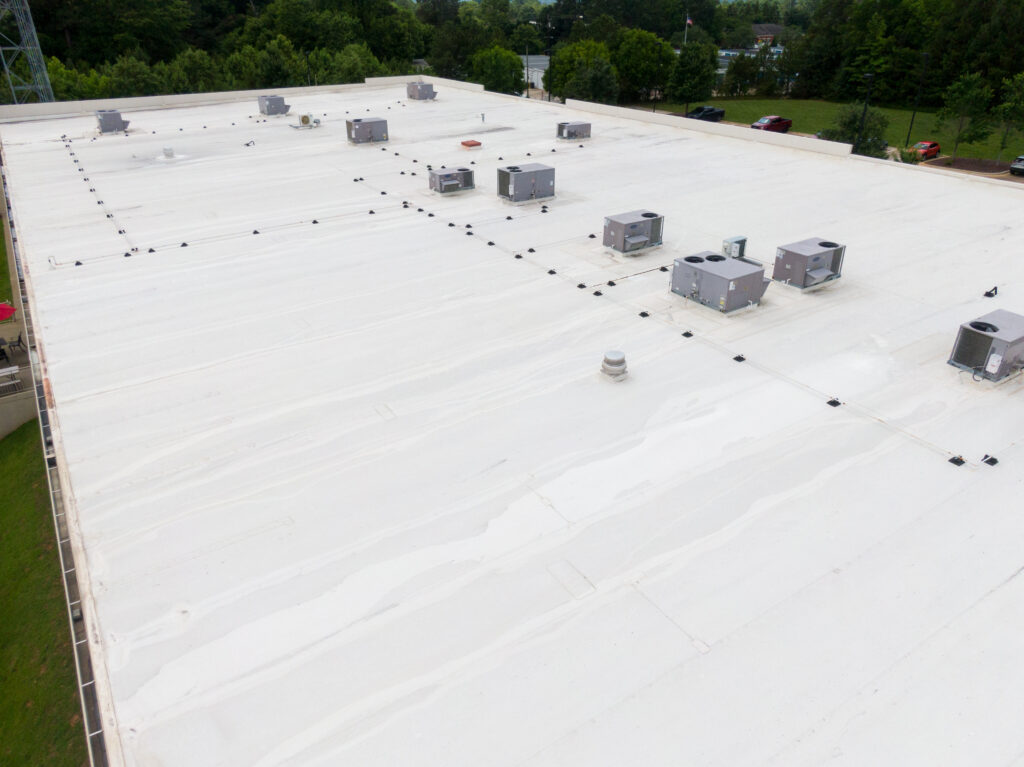
Ready to Protect Your Flat Roof?
Flat roofs offer design versatility and space efficiency, but they need consistent care to perform their best. Whether you’re managing a commercial property or simply keeping your building watertight, understanding the causes, solutions, and signs of wear puts you ahead of potential problems.
If you suspect damage or just want a trusted inspection, contact us today to schedule a flat roof assessment with the experienced team at Barkley-Jensen Roofing.
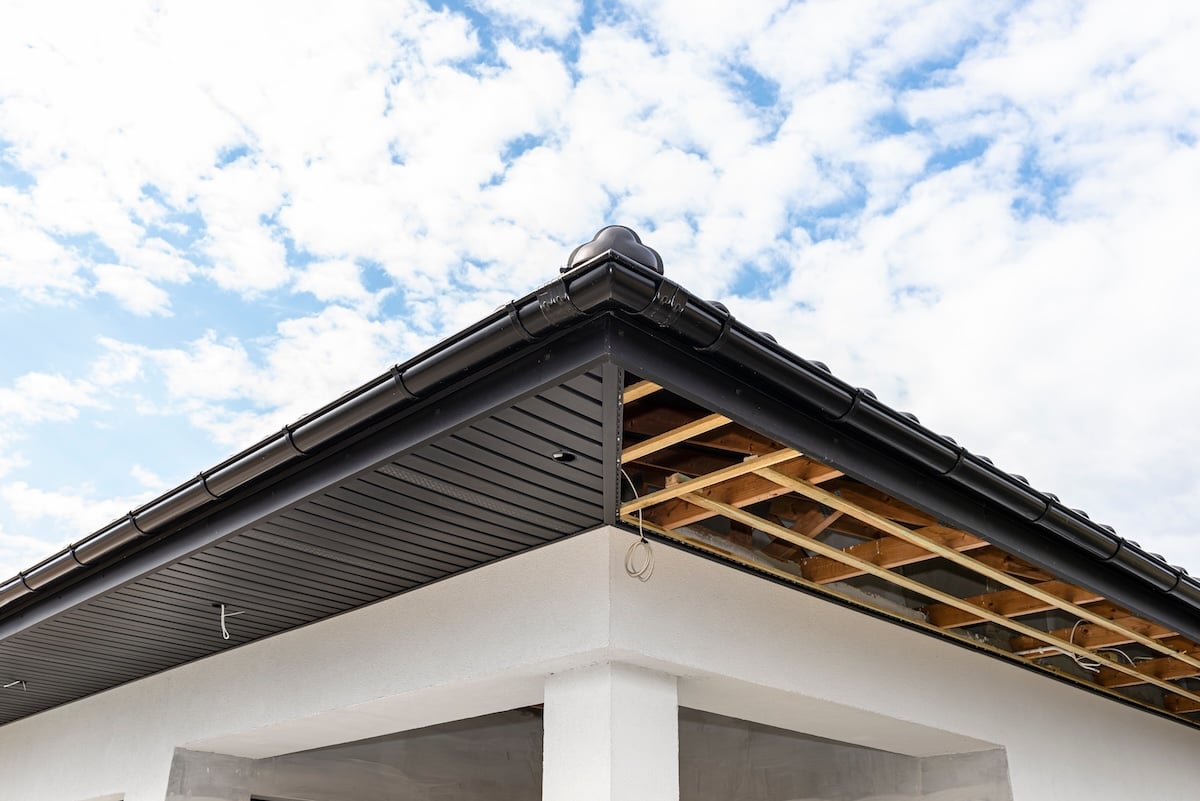
6 Step Soffit and Fascia Repair (Easy Guide for Homeowners)
12.18.2025
6 Min Read
When it comes to maintaining your home’s exterior, soffit and fascia repair is a critical task that many homeowners overlook until small issues turn into costly damage. These two components protect your roof and walls from moisture and pests, helping to preserve the structural integrity of your home. If you’re looking for straightforward advice to tackle these repairs, this guide will walk you through everything you need to know. For additional details on protecting your home’s exterior, exploring professional options through general roofing services may offer the support and expertise needed for lasting results.
- Understand why soffit and fascia are essential to your home’s health
- Learn the common signs that indicate repair is necessary
- Follow a step-by-step approach to DIY soffit and fascia repair
- Discover tips on material selection and maintenance for durability
- Know when it’s time to call a professional for help
Why Soffit and Fascia Repair Matters for Your Home
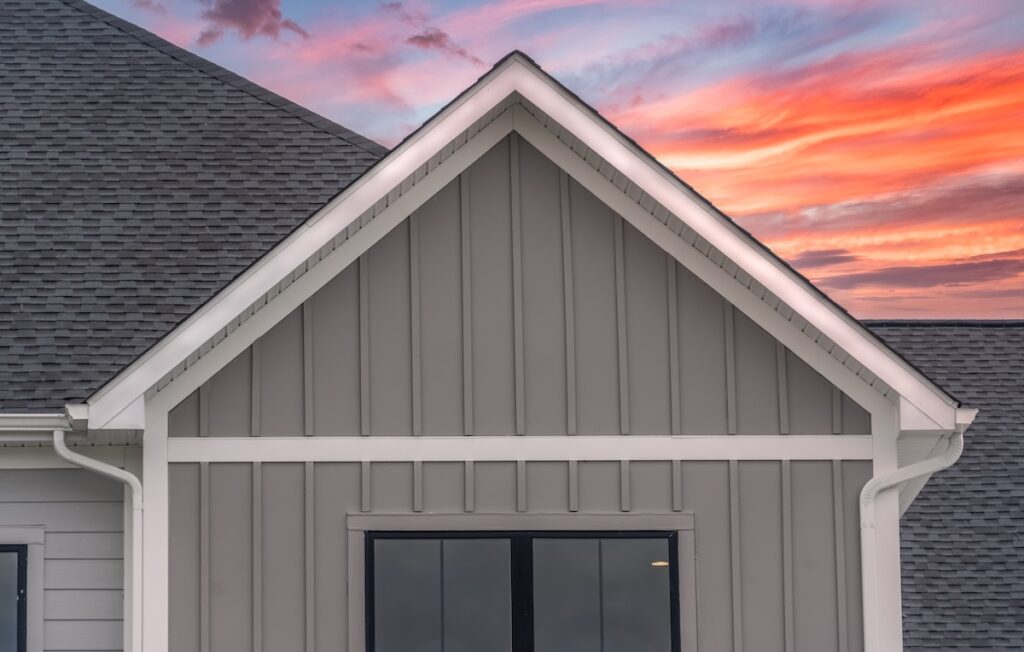
Soffit and fascia are fundamental parts of your home’s roofline. They provide more than just curb appeal; their function directly impacts your home’s protection and energy efficiency. Understanding their role can clarify why repairing these areas promptly is necessary.
- Moisture protection: Soffit and fascia act as a barrier preventing water from entering the roof and walls, which can otherwise lead to rot and mold.
- Pest control: They seal gaps where insects, birds, and rodents might invade your home’s attic or walls.
- Structural support: Fascia boards provide a mounting point for gutters, which channel water away from your home’s foundation.
- Ventilation: Soffits often incorporate vents that promote air circulation in the attic, crucial for preventing overheating and condensation.
6 Step Soffit and Fascia Repair Process
Tackling soffit and fascia repair yourself can save money and provide a hands-on way to care for your home. Here is a clear, numbered guide to help you navigate the process from start to finish.
1. Inspect the Damage Thoroughly
Begin by closely examining your soffit and fascia to identify signs of damage such as cracks, warping, rotting wood, peeling paint, or insect infestation.
- Use binoculars or a ladder for a detailed view.
- Take note of soft spots or water stains that indicate hidden damage.
- Mark the sections that require repair or replacement.
2. Gather Your Repair Materials and Tools
Prepare all the necessary supplies before you start the repair. Common materials include wood or vinyl boards, nails, paint, sealant, and replacement vents if needed.
- Choose materials that match your existing soffit and fascia in style and exposure resilience.
- Ensure safety gear like gloves and goggles are available.
- Tools such as a hammer, pry bar, saw, and paintbrush will be essential.
3. Remove Damaged Sections Carefully
Remove deteriorated boards without causing extra damage to the surrounding areas. A pry bar and hammer can help you detach old material gently.
- Be cautious to avoid damaging gutters or roofing during removal.
- Dispose of debris promptly to keep your work area safe.
4. Cut and Fit Replacement Pieces
Measure the removed sections accurately and cut new boards to fit properly. Proper fitting ensures protection against weather and pests.
- Double-check measurements before cutting to avoid waste.
- Test fit the new pieces before securing them.
5. Secure and Seal Boards
Attach the new soffit and fascia boards with nails or screws. Apply weatherproof sealant along edges to enhance durability.
- Use galvanized or rust-resistant nails to prevent corrosion.
- Seal joints thoroughly to keep moisture out.
6. Paint and Finish
A fresh coat of paint not only improves aesthetics but adds a layer of protection against the elements. Choose paint designed for outdoor wood or vinyl surfaces.
- Consider primers for exposed wood for better paint adhesion.
- Apply at least two coats for lasting coverage.
Tips for Maintaining Soffit and Fascia Longevity
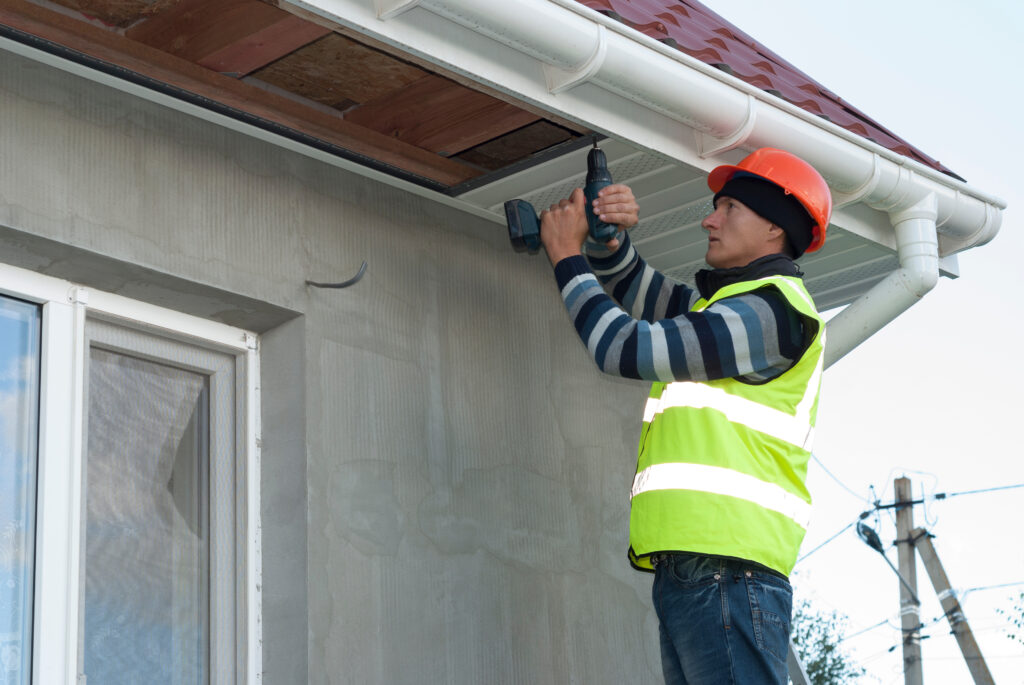
Beyond repair, regular maintenance can extend the life of soffit and fascia, helping you avoid premature damage. Here are some practical tips to keep these components in top shape.
- Routine inspections: Schedule inspections twice a year to catch wear early, especially after storms.
- Keep gutters clean: Clogged gutters can cause water to overflow into fascia, accelerating decay.
- Clear debris: Remove leaves and dirt from soffit vents to maintain proper attic ventilation.
- Paint refresh: Repaint every few years to protect wood from moisture and UV damage.
- Address pests: Seal any holes promptly to prevent animals and insects from nesting.
When to Call the Experts for Soffit and Fascia Repair
While many homeowners can manage small soffit and fascia repairs, certain situations require professional intervention to ensure safety and quality.
Extensive Damage or Rot
If large areas show rot or structural weakening, a specialist can assess underlying issues and provide comprehensive repair or replacement solutions that prevent future problems.
Complex Rooflines or Heights
Homes with steep roofs or multiple elevations pose risks for DIY work. Professionals have the experience and equipment to safely access and repair these areas.
Underlying Water Issues
Persistent moisture problems may indicate faulty gutters or roofing. An expert can diagnose and fix these conditions alongside soffit and fascia repair for full protection.
Warranty and Quality Assurance
Licensed contractors typically offer warranties, giving peace of mind that the repair was done right and will last through harsh weather.
| DIY Repair | Professional Repair |
| Cost-effective for minor damage | Best for severe or hidden damage |
| Requires time and basic tools | Handled efficiently with proper equipment |
| Limited warranty or guarantees | Typically includes labor and materials warranty |
| Possible safety risks on high or complex roofs | Professionals trained in safety and compliance |
For homeowners in areas including and surrounding Denver, addressing soffit and fascia issues promptly can safeguard your home’s value and comfort.
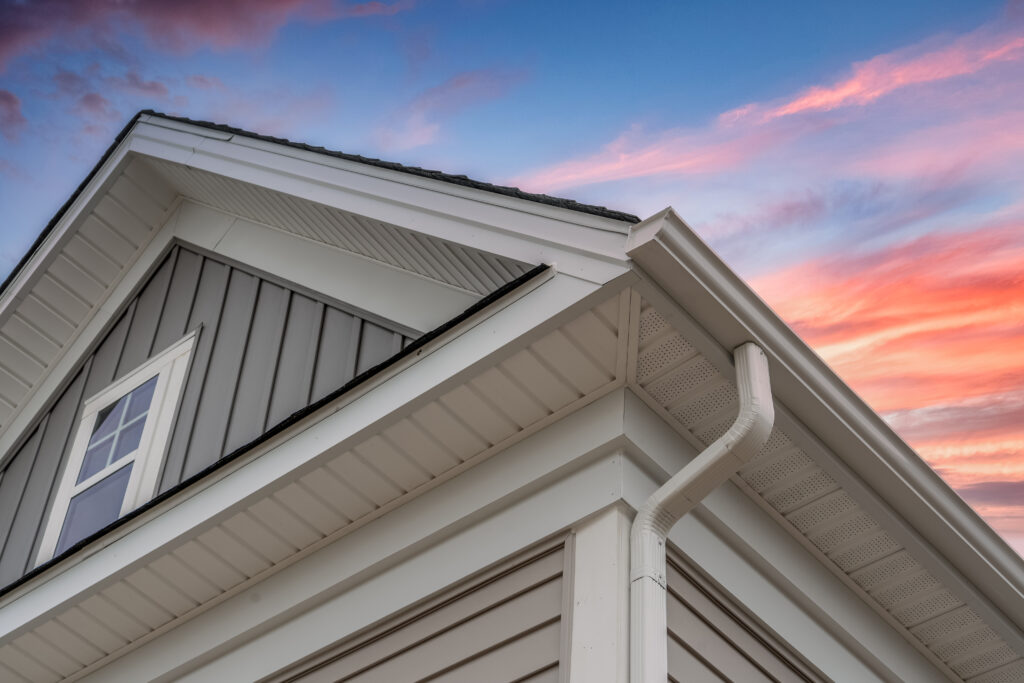
Soffit and Fascia Repair
Timely soffit and fascia repair is essential to protecting your home from moisture damage, pests, and energy inefficiency problems. Whether you choose to tackle minor repairs yourself or rely on experienced professionals, addressing these areas extends the life of your roofline and enhances your home’s exterior appeal. If you want personalized assistance or a comprehensive inspection, contact us today at Barkley-Jensen Roofing & Restoration to learn how skilled repair teams can help restore and maintain your home’s defenses.
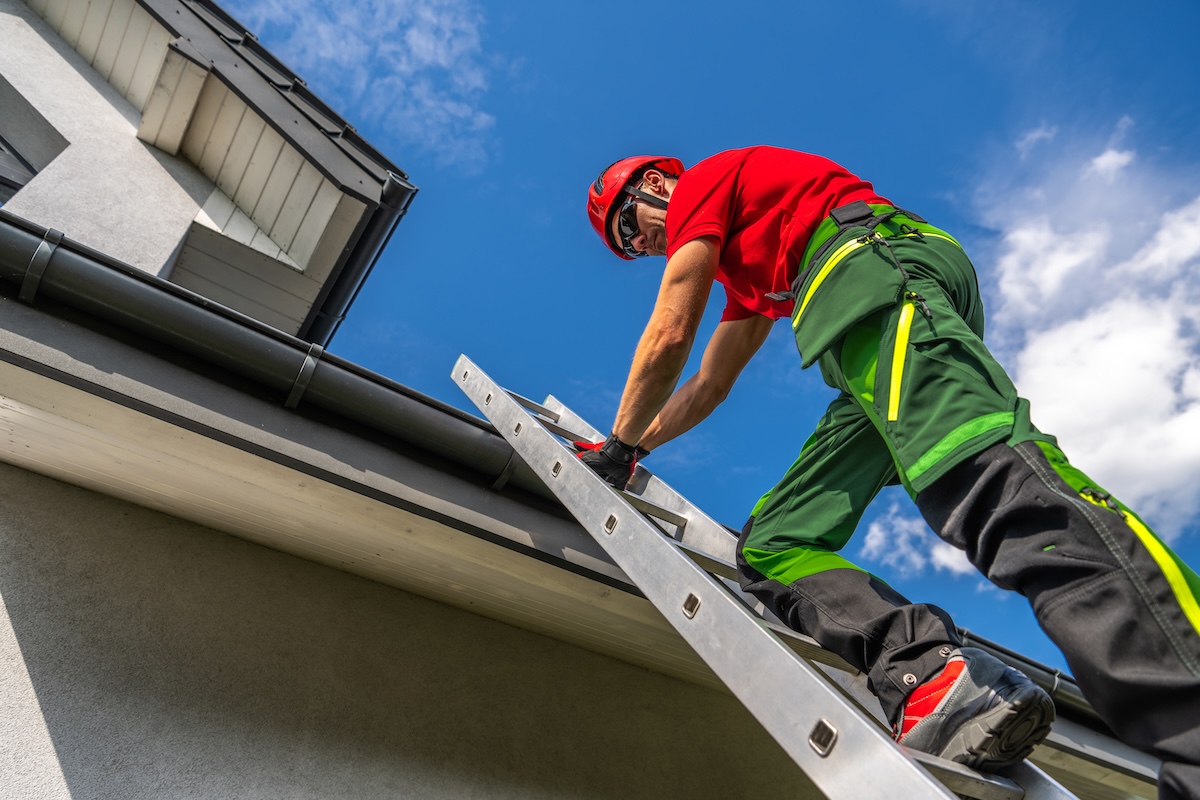
5 Best Roof Maintenance Practices for Homeowners (Best Tips)
12.16.2025
5 Min Read
Taking care of your roof is essential for preserving the safety, comfort, and value of your home. Proper roof maintenance not only extends the lifespan of your roofing materials but also helps prevent costly repairs and unexpected leaks. Whether you’re planning routine inspections or emergency fixes, understanding the best practices for roof upkeep can save you time and money in the long run. For comprehensive help on maintaining or repairing your roof, consider exploring expert advice on general roofing services to ensure your home stays protected year-round.
- Why regular roof maintenance is crucial for every homeowner
- Step-by-step guidance on effective roof maintenance tasks
- Additional tips for prolonging the life of your roof
- How professional roofing services complement your maintenance efforts
Why Regular Roof Maintenance is Essential for Homeowners
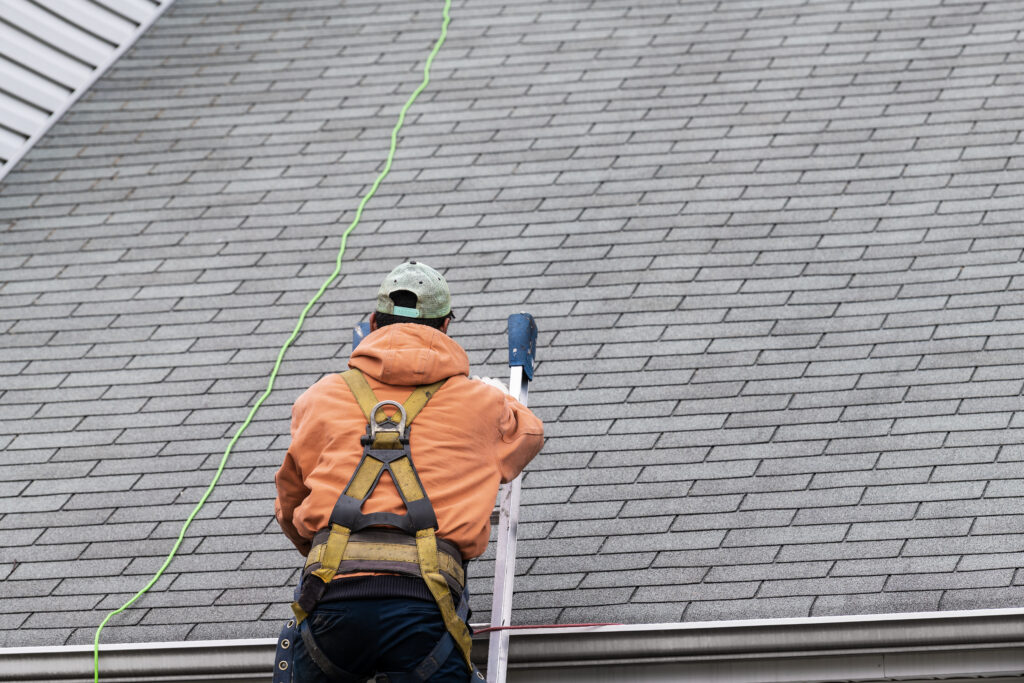
Your roof is one of the most vital components of your house, shielding your family and belongings from weather elements. Proper roof care offers numerous benefits beyond simple protection.
- Increased Longevity: Regular checks and upkeep prevent premature wear, extending your roof’s effective life.
- Cost Savings: Preventative maintenance helps avoid expensive repairs caused by unnoticed leaks or damage.
- Enhanced Safety: Keeping your roof in good shape reduces risks of collapses or unsafe conditions.
- Improved Energy Efficiency: A well-maintained roof offers better insulation, lowering heating and cooling costs.
- Maintains Home Value: Well-cared-for roofing contributes to aesthetic appeal and resale value of your property.
5 Steps for Effective Roof Maintenance
Maintaining your roof can seem daunting, but breaking it down into manageable steps simplifies the process. Here are five key steps to keep your roof in excellent condition.
1. Regular Roof Inspections
Perform regular inspections at least twice a year, ideally in spring and fall. Look for signs of wear, damage, or debris buildup that could hinder drainage.
- Check shingles for cracks, curling, or missing pieces.
- Examine gutters and downspouts for blockages or damage.
- Inspect flashing around chimneys and vents for rust or cracks.
2. Clean Gutters and Roof Surface
Clear away leaves, twigs, and dirt that accumulate and trap moisture. Clogged gutters can cause water backup leading to leaks and structural damage.
- Use a sturdy ladder and gloves when cleaning gutters or hire professionals.
- Remove any moss, algae, or mildew using appropriate cleaning solutions.
3. Repair Damaged Materials Promptly
Address any issues found during inspections without delay. Small cracks or missing shingles can quickly escalate into major problems under heavy rain or wind.
- Replace missing or damaged shingles with matching materials.
- Seal cracks using roofing cement or specialized sealants.
- Ensure flashing is tightly secured and properly sealed.
4. Trim Overhanging Tree Branches
Trees close to your home can scratch roofing materials or drop debris that holds moisture. Trim branches to reduce risk of damage during storms and limit shade that fosters moss growth.
5. Schedule Professional Roof Assessments
Even with regular homeowner maintenance, expert assessments provide detailed insights. Roofing specialists have the tools and knowledge to detect hidden problems and recommend appropriate solutions.
Additional Tips to Prolong Your Roof’s Lifespan
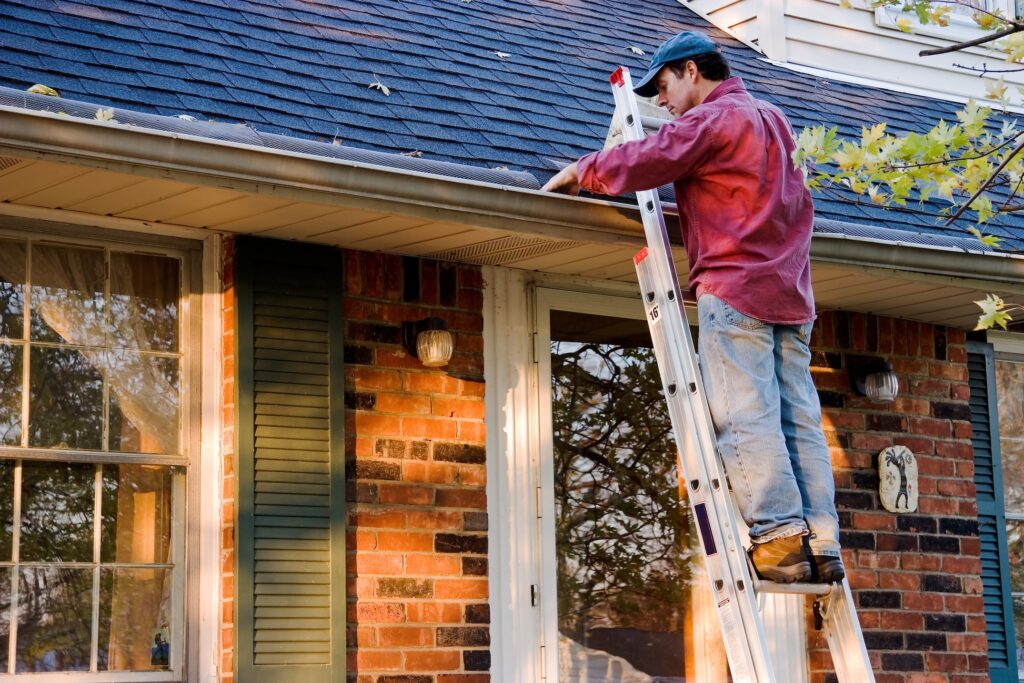
Beyond routine maintenance, there are several practices you can adopt to keep your roof performing well for years to come.
- Maintain Adequate Ventilation: Proper attic ventilation prevents heat buildup and moisture accumulation that degrade roofing materials.
- Keep Attic Insulation in Good Condition: Efficient insulation controls temperature and minimizes stress on your roof.
- Avoid Walking on the Roof: Frequent or careless foot traffic can loosen shingles or cause fractures. Use designated walkways or hire professionals for necessary rooftop work.
- Address Ice Dams in Winter: Ice dams can trap water and damage gutters and shingles. Use ice melt products or heating cables if this is a common issue.
How Professional Roofing Services Enhance Your Maintenance Plan
While homeowners can perform many routine tasks, certain aspects of roof upkeep benefit greatly from professional expertise. Understanding when and how to utilize roofing services adds an important layer to your maintenance approach.
Expert Inspections and Diagnostics
Professionals use advanced tools such as infrared cameras and moisture meters to identify internal leaks, insulation problems, or damage not visible to the naked eye.
Quality Repairs and Replacements
Hiring trained roofers ensures repairs are durable and materials match existing roofing, preserving overall integrity. They also follow safety protocols during work.
Seasonal Maintenance Programs
Many roofing companies offer scheduled maintenance plans tailored to your roof type and local climate conditions. These plans help you stay ahead of issues year-round.
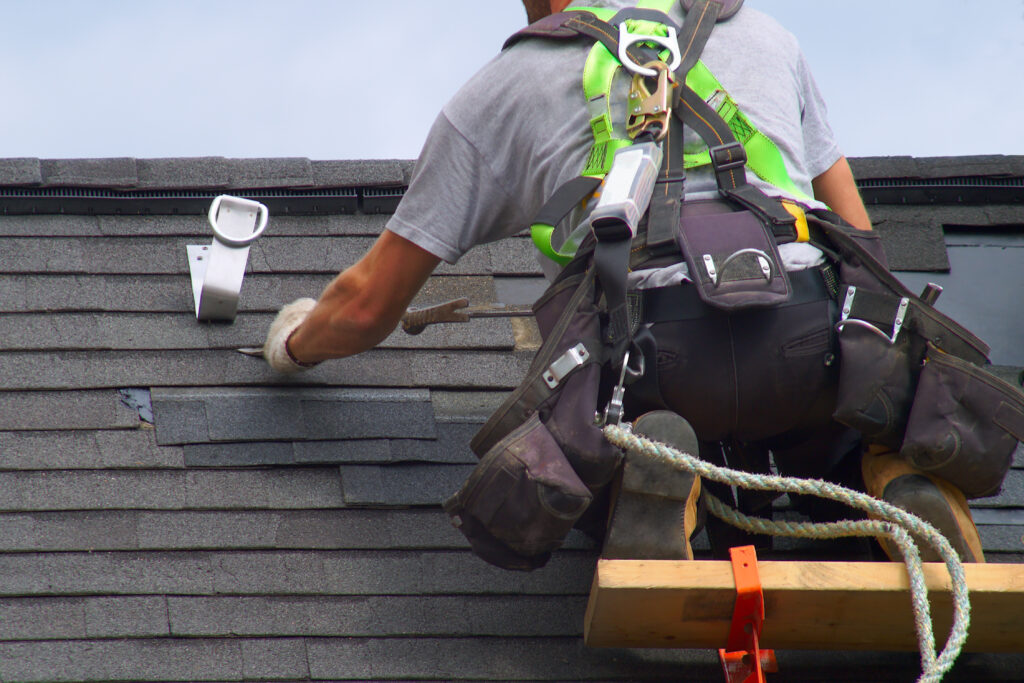
Emergency Services and Storm Damage Response
Professional teams can quickly respond to damage following storms or accidents, securing temporary coverage and coordinating insurance claims to protect your investment.
| Service Type | Homeowner Role | Professional Role |
| Routine Inspection | Visual checks, gutter cleaning | Detailed diagnostics, moisture detection |
| Repairs | Small shingle replacement, clearing debris | Complex repairs, flashing replacement |
| Maintenance Plans | Regular basic upkeep | Scheduled professional visits, maintenance contracts |
Protect Your Home with Smart Roof Maintenance
Keeping your roof in excellent condition is an investment that protects your entire home’s structure and comfort. Following the best roof maintenance practices ensures you avoid costly repairs and extend your roof’s life. From regular inspections and cleaning to partnering with professional roofing experts, a proactive approach pays off in lasting home protection. If you want to learn more or book a professional roof evaluation, don’t hesitate to contact us today at Barkley-Jensen Roofing & Restoration to secure your home with trusted roofing assistance.
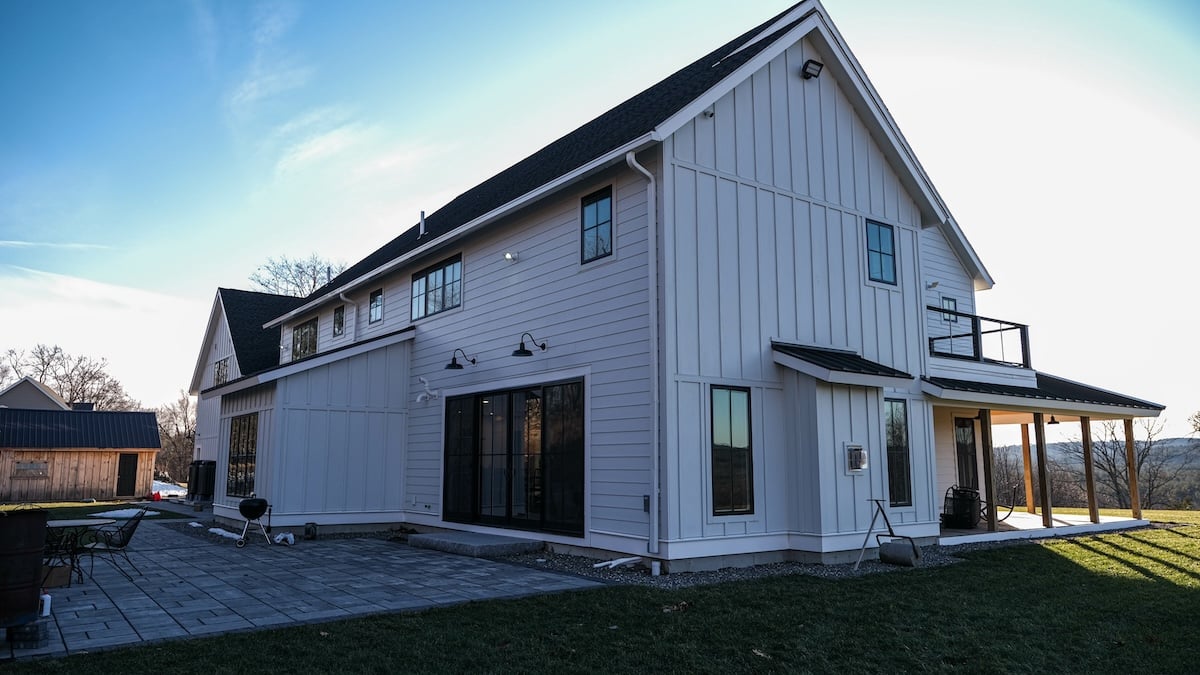
James Hardie Siding Cost (What to Expect In 2026)
12.11.2025
5 Min Read
When it comes to upgrading your home’s exterior, choosing the right siding material is a crucial decision. The james hardie siding cost is one of the key factors that homeowners consider before committing to this popular choice. Known for its durability and attractive finish, James Hardie siding offers a long-lasting investment that can enhance your home’s curb appeal and protect it from the elements. If you want to explore high-quality siding options, you might find it useful to look into professional siding services that provide expert installation and material advice.
- Understand the factors that influence James Hardie siding cost in 2026
- Learn the benefits of choosing James Hardie siding for your home
- Discover the main steps involved with installing James Hardie siding
- Explore additional costs and maintenance expenses to plan your budget
Why James Hardie Siding Cost Matters for Your Home Investment
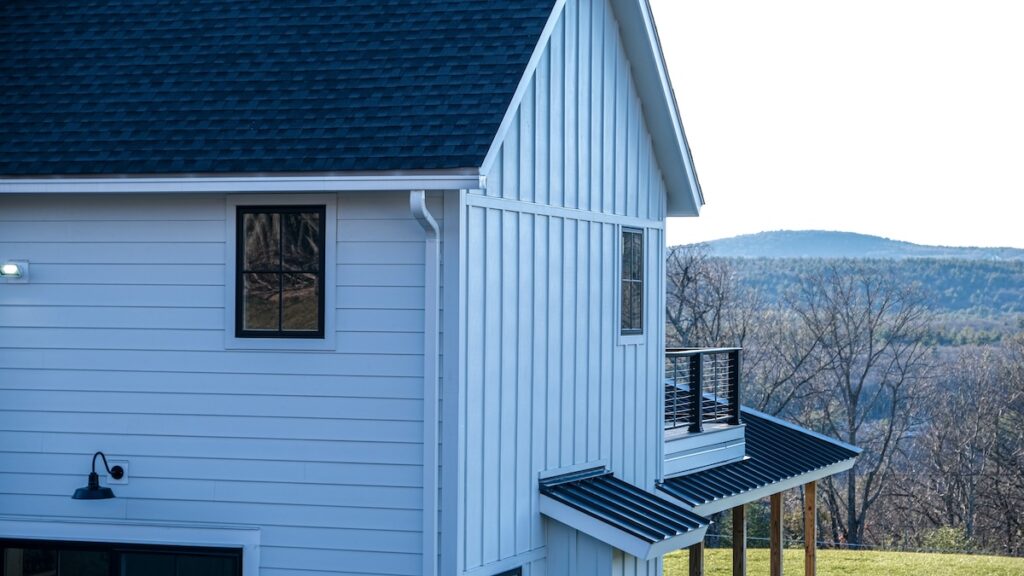
Understanding the investment needed for James Hardie siding is essential because it impacts both your immediate budget and your home’s long-term value. This siding material is considered a premium option, but the cost is justified by the extensive advantages it offers.
- Long-Term Durability: James Hardie siding is renowned for resisting harsh weather and preventing rot and insect damage, which reduces future repair expenses.
- Energy Efficiency: Its insulating properties can lead to lower energy bills by maintaining consistent indoor temperatures.
- Increased Home Value: Installing this siding often raises your property’s resale value by improving exterior aesthetics and curb appeal.
- Low Maintenance Needs: Unlike wood siding, James Hardie requires minimal upkeep, which saves money and effort over time.
- Extended Warranty: Many James Hardie products come with strong warranties that give peace of mind and protect your investment.
4 Siding Cost Factors to Consider in 2026
The total james hardie siding cost depends on several elements, ranging from the material choice to labor and home specifics. Knowing these factors will help you budget wisely and avoid unexpected expenses.
1. Type of James Hardie Siding
James Hardie offers various siding profiles and styles. The most common include fiber cement lap siding, niche panels, and shingles. Each type has a distinct price point based on production complexity and finishing.
- Lap siding typically costs less per square foot compared to shingles.
- Custom colors or finishes may add to the material cost.
2. Size and Condition of Your Home
The total siding surface area directly influences the amount of material and labor required. Homes with multiple stories or intricate architectural features will incur higher costs due to increased complexity.
- Damaged existing siding or exterior repairs will add to the project scope.
- Uneven surfaces demand extra preparation work before installation.
3. Labor Costs and Installation
Professional installation is crucial for maximizing the lifespan and performance of your siding. Labor prices vary based on location and contractor expertise but typically represent a significant part of the overall cost.
- Certified installers familiar with James Hardie products ensure warranty compliance.
- Installation timeframe may affect labor rates, especially for large or complex projects.
4. Additional Materials and Features
Beyond siding panels, you’ll need underlayment, trim, fasteners, and sometimes house wrap materials. These components contribute to both cost and the quality of the finished installation.
- High-quality trims matching the siding enhance visual appeal but increase material expenses.
- Proper moisture barriers are essential for long-term protection and can affect pricing.
Enhancing Your Siding Investment: Maintenance and Longevity Tips
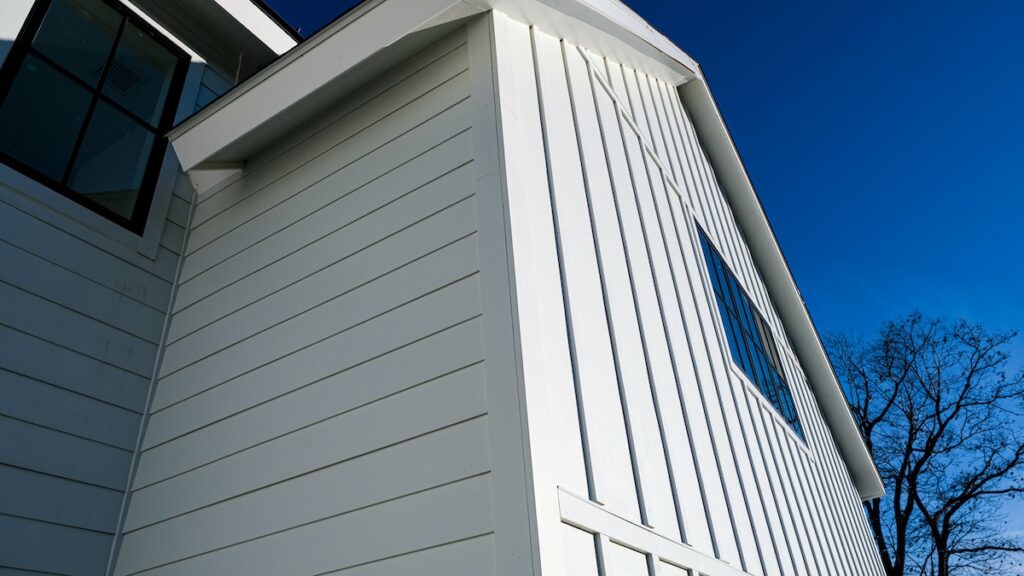
While James Hardie siding is designed for durability, maintaining it correctly ensures you get the full value from your investment over the years. Here are some important practices to consider.
Routine Cleaning
Cleaning your siding annually removes dirt, mold, and mildew that can affect appearance and performance.
- Use a garden hose or pressure washer on a low setting.
- Apply gentle detergents if necessary, avoiding harsh chemicals.
Inspections for Damage
Regularly inspecting for cracks, chips, or loose panels allows for early repairs, preventing more costly damage.
- Look for water stains that may indicate underlying leaks.
- Address any visible damage promptly with a professional if needed.
Repainting and Touch-Ups
James Hardie siding typically comes pre-painted, but repainting every 10-15 years keeps your exterior looking fresh.
- Choose paint compatible with fiber cement to maintain warranty compliance.
- Touch up worn areas as needed to prevent moisture intrusion.
Comparing James Hardie Siding Cost to Other Siding Options
When selecting siding, price is often weighed against performance, aesthetics, and maintenance requirements. Below is a comparison highlighting how James Hardie fits into the spectrum of common siding choices.
| Siding Type | Typical Cost per Sq Ft | Durability | Maintenance | Aesthetic Options |
| James Hardie Fiber Cement | $6 – $12 | High; resistant to fire, insects, and rot | Low; occasional cleaning and repainting | Multiple colors and styles |
| Vinyl Siding | $3 – $8 | Moderate; can crack or fade | Low; occasional cleaning | Good range, limited textures |
| Wood Siding | $5 – $10 | Moderate; susceptible to rot and insects | High; requires painting and sealing | Rich natural look |
| Brick Veneer | $10 – $15 | Very high; long-lasting | Very low; occasional cleaning | Classic appearance |
This comparison helps clarify why many homeowners find James Hardie siding to be a balanced choice—offering excellent protection and curb appeal without the extensive upkeep some other materials demand.
Planning Your James Hardie Siding Project
Making informed decisions about your siding investment can significantly affect your overall satisfaction and property value. To begin your project, consider consulting siding experts who can provide personalized estimates and guide you through design choices.
For anyone in the realm of home improvements searching for reliable solutions with clear pricing, it is smart to reach out to certified professionals in your region. Whether you live locally in a community like Boise and surrounding areas or elsewhere, expert advice ensures you get the expected outcome without surprises.
When you are ready to take the next step in revitalizing your home with James Hardie siding, contact us today at Barkley Jensen to discuss your project needs and receive a detailed cost estimate from seasoned siding specialists.